.svg&w=384&q=75 "logo")
Mercedes Leaves Zandvoort with Points and Questions
Mercedes left Zandvoort with a haul of points, a bigger championship lead for Kimi Antonelli – and a car that left its own engineers scratching their heads.
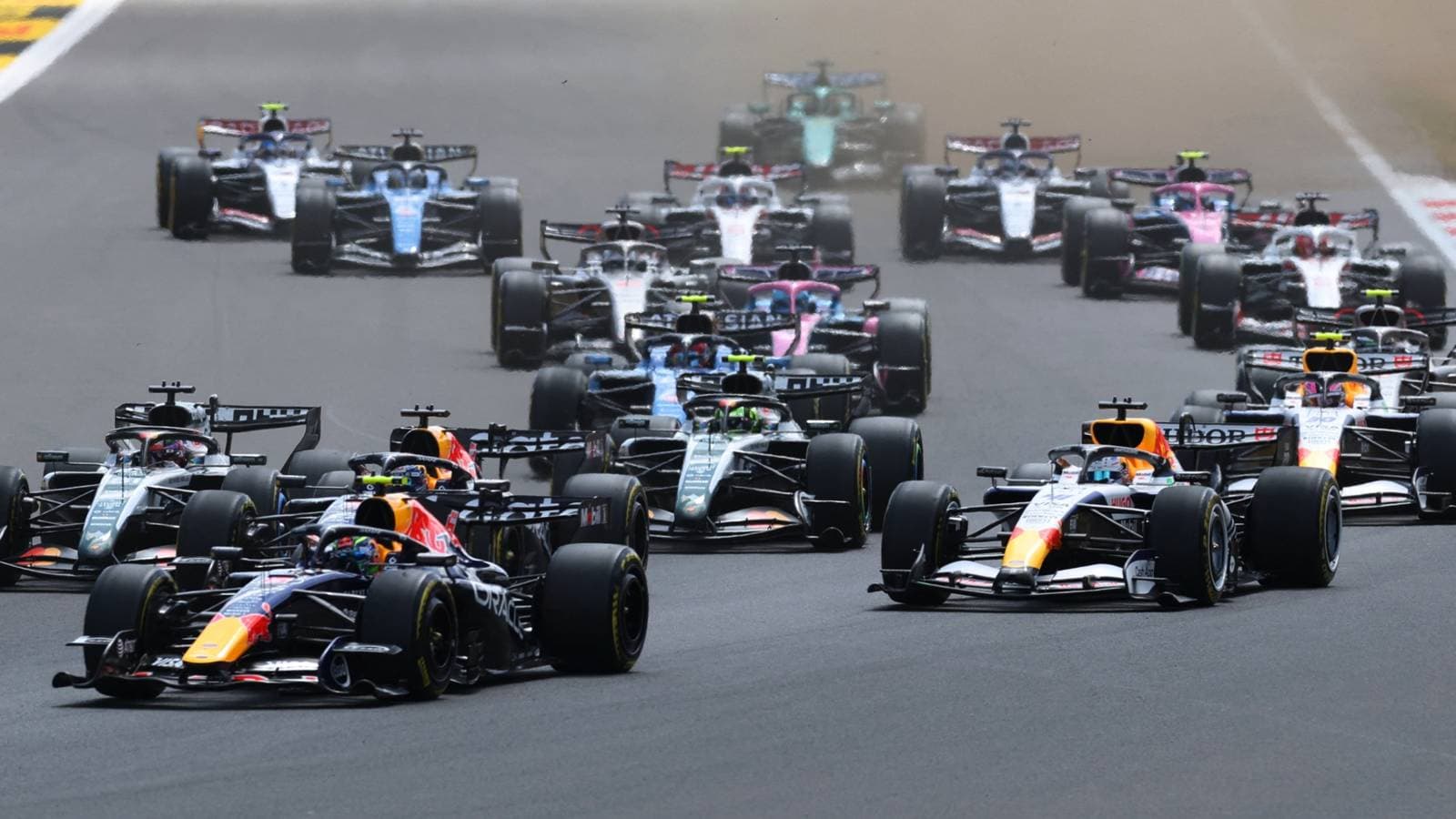
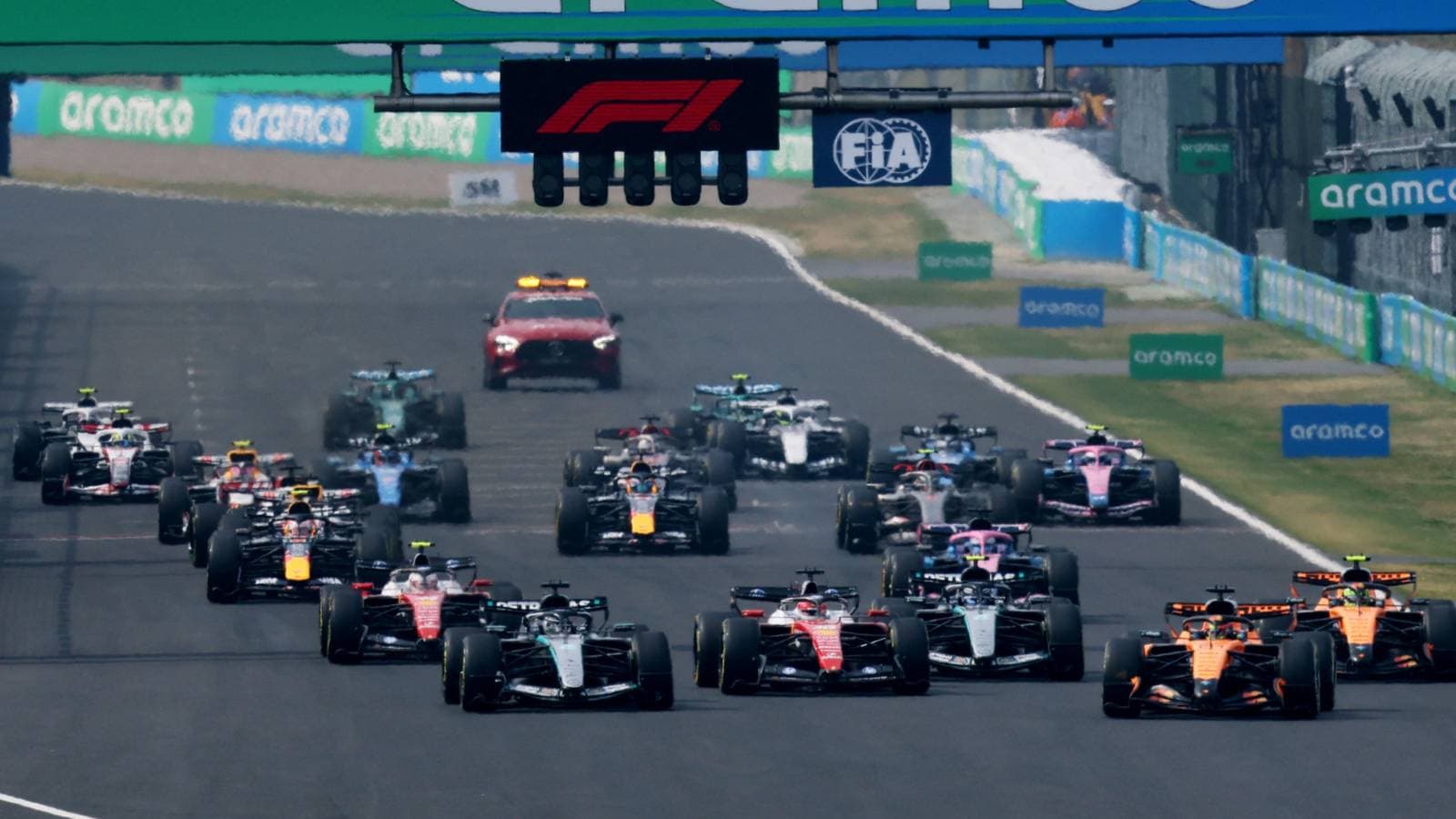
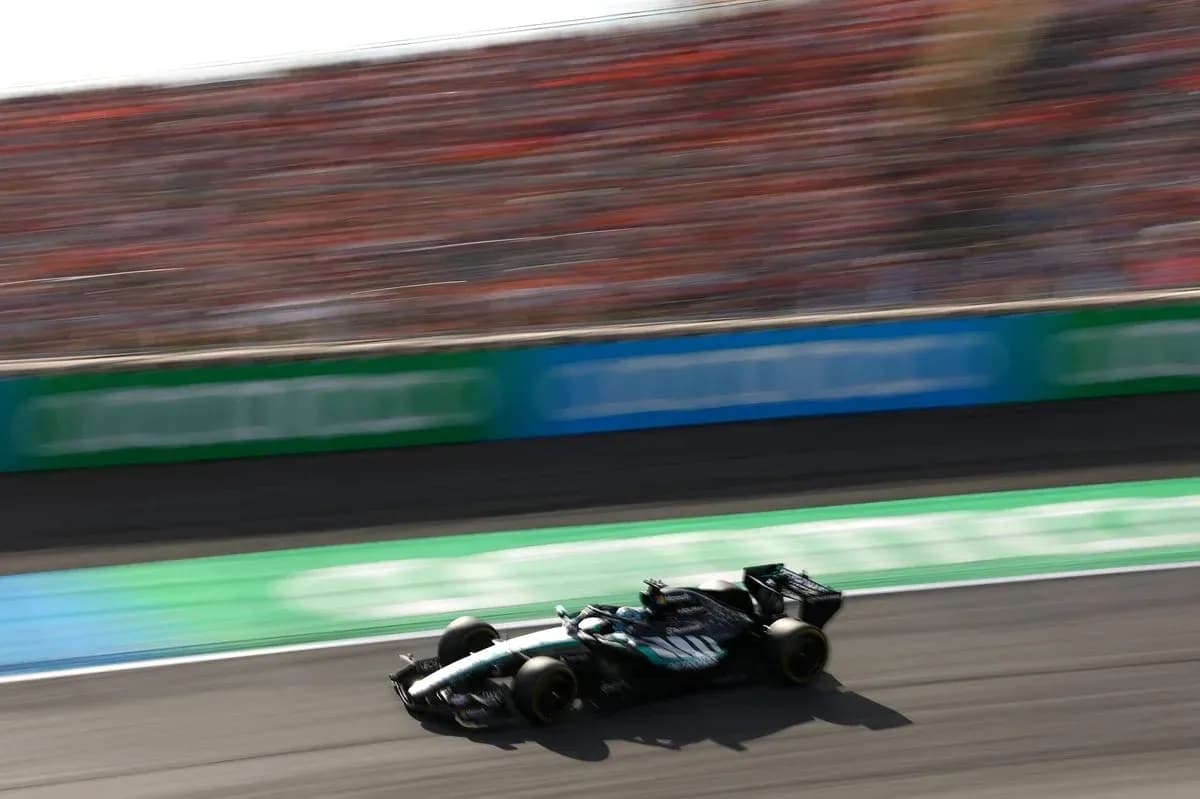
Across one weekend, the W15 looked like two different machines. On Saturday, it was the class of the field in the sprint. On Sunday, it watched Lando Norris and McLaren disappear up the road in the grand prix, especially when the track demanded commitment through the fastest corners.
From control to confusion
George Russell’s pole and sprint victory had set a clear tone. Mercedes looked sharp, confident, and comfortable around Zandvoort’s flowing layout. Locking out the front row for the main race and then banking a 2-3 finish, with Antonelli ahead of Russell, would normally be a cause for quiet satisfaction.
Inside the garage, it was anything but.
Trackside engineering director Andrew Shovlin didn’t sugar-coat it when he assessed the car’s performance through the circuit’s high-speed sweepers.
“There were a few corners where we were pretty rubbish,” he admitted on Mercedes’ Nu Silver Arrows Radio Show, singling out the Turn 7-8-9 sequence. The car simply didn’t bite where it needed to, and the stopwatch told the story.
Those right-handers load the left-hand tyres heavily. Mercedes saw them cry enough earlier than expected, and the team still doesn’t fully understand why. The W15 has not shown this particular weakness at other venues with long, sustained corners in one direction, which only deepened the mystery.
“We’ve got some ideas,” Shovlin said, but nothing concrete enough yet to call it a known issue. All the other corners, he insisted, looked “solid”. The problem was that Zandvoort’s most critical section didn’t.
Same car, different story
What really jarred for Mercedes was how little they changed – and how wildly the performance seemed to swing.
Between the sprint and the grand prix, the team barely touched the cars. During the race, they weren’t playing with flap angles or flicking through aggressive electronic maps. This wasn’t a case of getting lost in set-up tweaks.
Yet the two drivers lived very different races.
“George’s first stint was a bit lacklustre compared to his later ones,” Shovlin explained. “With Kimi, first stint was good, and then dropped a bit on the second, dropped a bit more on the third, a bit came back on the third.”
Same car. Same track. Different compounds, yes, but nothing that should have created such a fractured performance profile. The balance simply shifted around beneath each driver in ways the engineers didn’t anticipate.
By the flag, the feedback from the cockpits told its own story. Russell talked about an understeery car, reluctant to turn. Antonelli wrestled with oversteer, the rear more lively and less planted. When Mercedes overlaid the set-ups, the gap between them didn’t explain the gulf in feel.
“The two drivers, normally they report similar things with a car at the end of the race,” Shovlin noted. This time, they didn’t – and that disconnect now sits at the top of the team’s debrief agenda.
Strong result, nagging doubt
Strip away the confusion and the numbers still look healthy. Second and third in qualifying. Second and third in the race. Another heavy points score – 46 in total, their second-best weekend of the season behind the 55 they banked in China, with both events boosted by sprint formats.
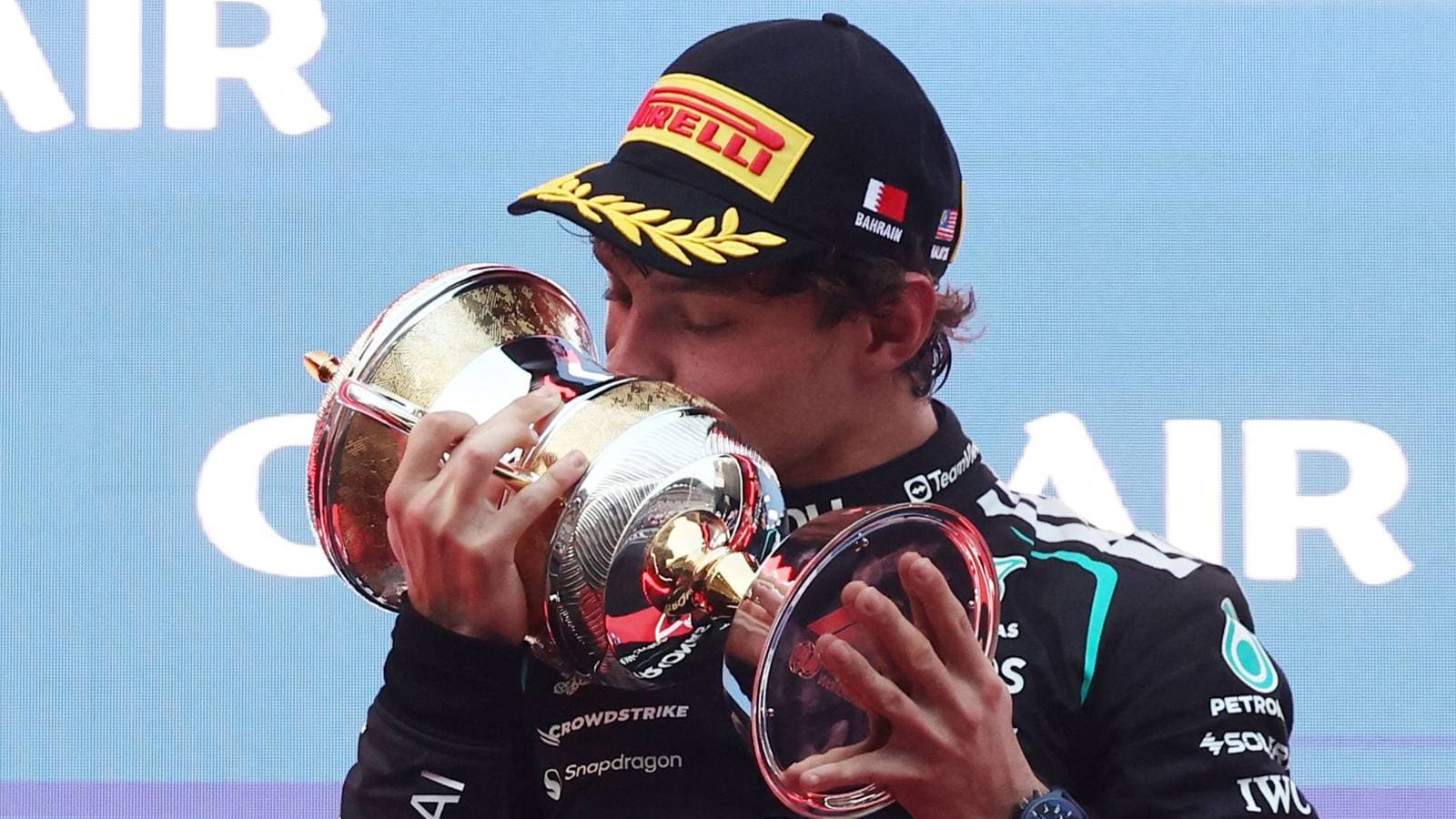
Antonelli’s championship lead now stands at 59 points, a sizeable cushion built on relentless consistency rather than outright dominance every Sunday. Zandvoort kept that momentum going.
On the pitwall, the race itself at least provided some enjoyment. Shovlin described it as “good fun”, a live exercise in fast decision-making as the team juggled strategy around two cars behaving differently on the same afternoon. The pressure sharpened focus, and Mercedes responded well.
Still, no one at Brackley is pretending this was a complete performance. The car that looked like a benchmark in the sprint turned into something far more ordinary in the grand prix, especially when the lap demanded confidence at high speed.
So Mercedes leaves the Dutch dunes with a box full of points and a notebook full of questions. The next few days will be spent digging into tyre behaviour, corner-specific losses, and the strange split in driver balance.
If this really was a one-off quirk of Zandvoort, the team can file it away and move on. If it wasn’t, those “rubbish” corners might yet tell a bigger story about where this title fight is heading.