.svg&w=384&q=75 "logo")
McLaren and Red Bull Win Controversial Monaco Case
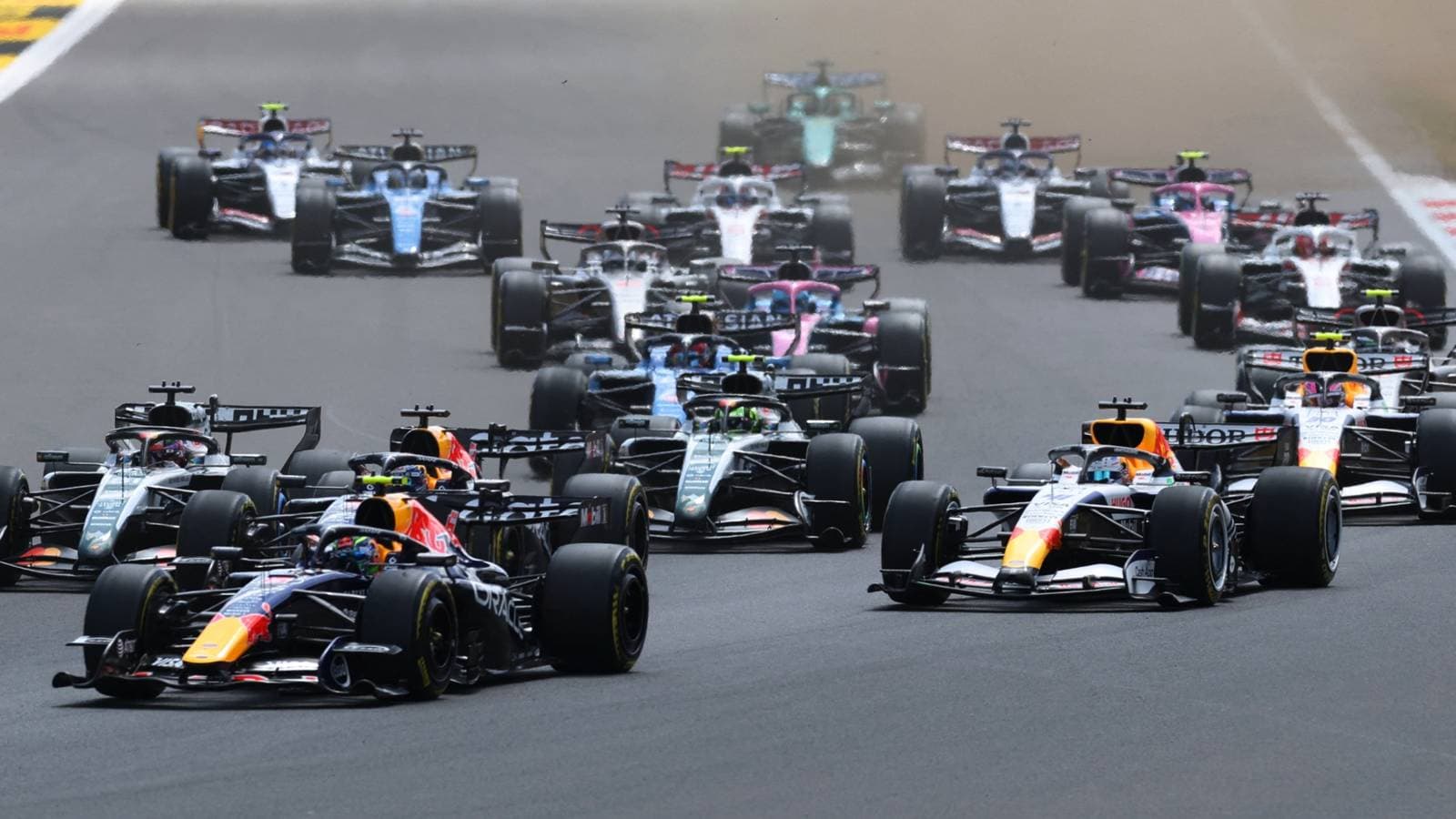
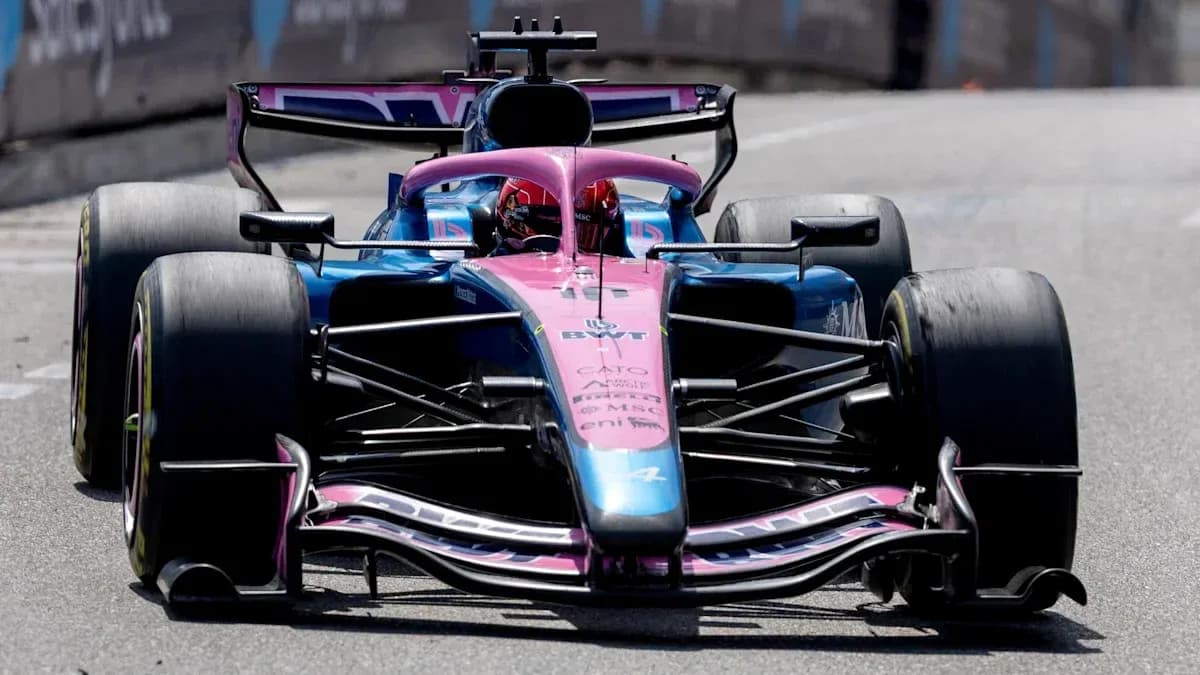
McLaren and Red Bull have won their case. Monaco’s podium has been ripped up, the pit-lane controversy dragged through a courtroom in Paris, and Pierre Gasly has lost the trophy he thought he’d rescued on appeal.
The Alpine driver, who crossed the line third in Monte Carlo and was later promoted to the podium when two five-second penalties were overturned, drops back to seventh – the position he held in the original official results. His brief spell as a Monaco podium finisher is over.
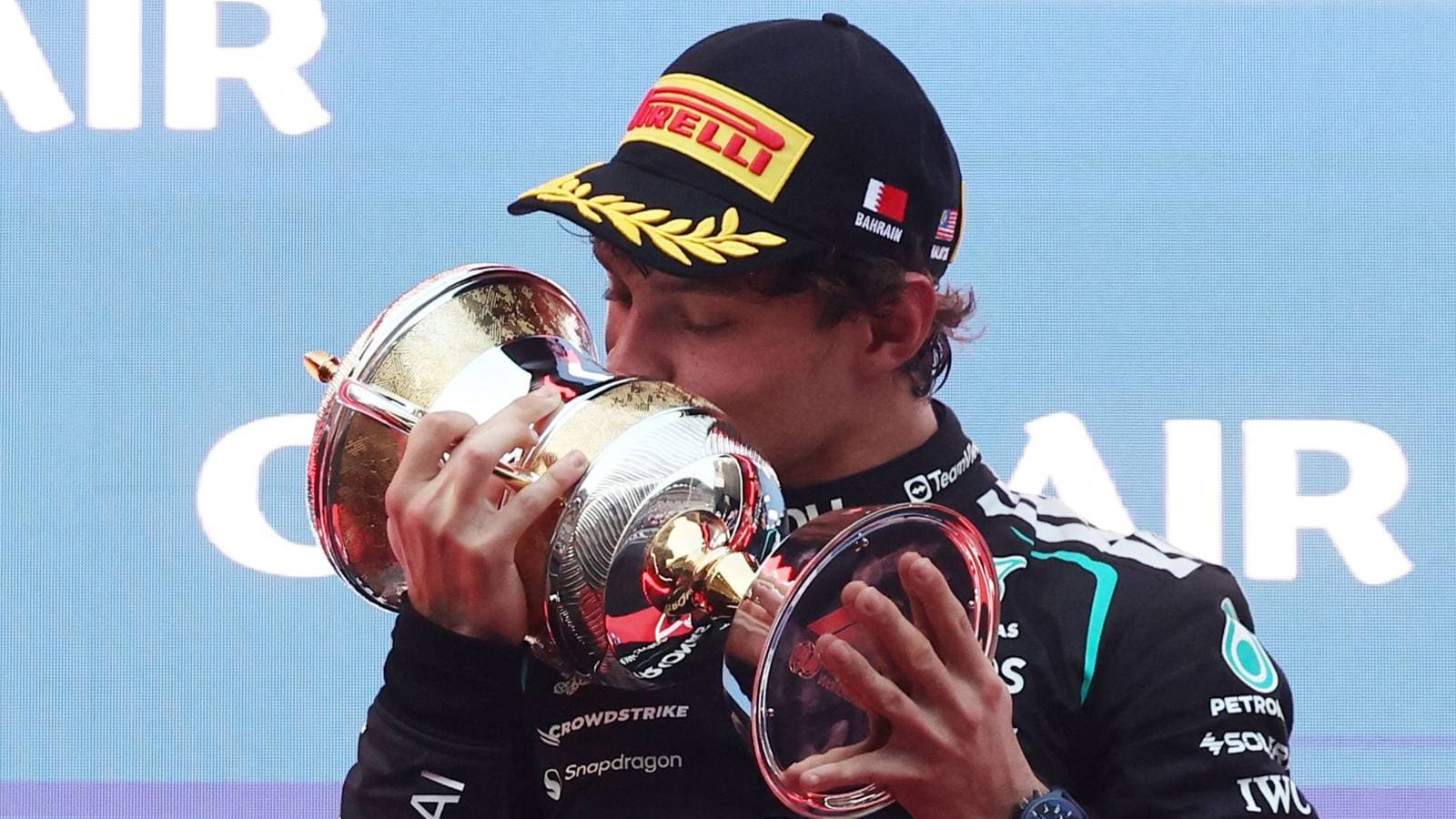
Isack Hadjar is reinstated to third for Red Bull. Oscar Piastri moves back up to fourth for McLaren. Racing Bulls pair Liam Lawson and Arvid Lindblad are lifted to fifth and sixth. Alpine, who never served Gasly’s penalties in the race because they believed them to be wrong, now find themselves on the wrong side of the final verdict.
They are not happy. They say they have been “unjustly punished”. But the court has drawn a hard line.
A 77cm problem that shook a Grand Prix
This entire saga grew out of a strip of tarmac just 77 centimetres shorter than everyone thought.
The official pit-lane distance used by Formula 1’s timekeepers in Monaco did not match the absolute shortest line a driver could physically take. Alpine demonstrated at their June appeal that, using that shorter line, Gasly never actually exceeded the 60km/h limit. On that basis, his two five-second penalties were thrown out, and the podium changed.
McLaren and Red Bull refused to let it rest. Piastri, among several drivers, had served a five-second pit-lane speeding penalty during the race and lost two points as a result. The teams argued that the sport could not rewrite the measuring stick after the chequered flag, for one driver, and still call that fair.
The pressure finally told in Paris.
The FIA’s international court of appeal sided with McLaren and Red Bull. Its core position: once the competitors have been told what the pit-lane distance is, and have calibrated their cars to that number, the benchmark cannot be moved mid‑event or after it.
The judges stressed several key points:
- Formula 1 is mandated by the FIA to measure pit-lane speed via average speed over a defined timing sector, not by instantaneous speed.
- The same distance must apply to every car.
- Even if Gasly did not exceed 60km/h over a newly discovered shorter route, the “benchmark cannot be retrospectively displaced for one competitor after the competition has been conducted against it”.
- F1’s original pit-lane length was tape‑measured, checked before being entered, used through free practice and the race, re‑examined when concerns were raised before lights out, and reconfirmed during the race when stewards asked for reassurance. At no stage were teams told that a different distance would apply.
From there, the logic was blunt. The court said “sporting fairness absolutely precludes the retrospective replacement” of an established calibration parameter “by a different geometric or measurement approach for the purpose of re‑adjudicating an individual competitor’s result”.
In other words: the line might not have been perfect, but it was the line everyone raced to. It stays.
Winners, losers, and unanswered questions
The decision restores Hadjar’s podium and Piastri’s extra points. It also restores a sense of regulatory certainty that McLaren were determined to defend.
The team said they “welcome the decision” and framed their appeal as a stand for the integrity of the regulations, insisting it was not directed at Alpine, any rival, or the FIA itself, but at ensuring the rules are applied consistently for all.
The judgment, though, does not clean up everything that happened in that chaotic Monaco pit lane.
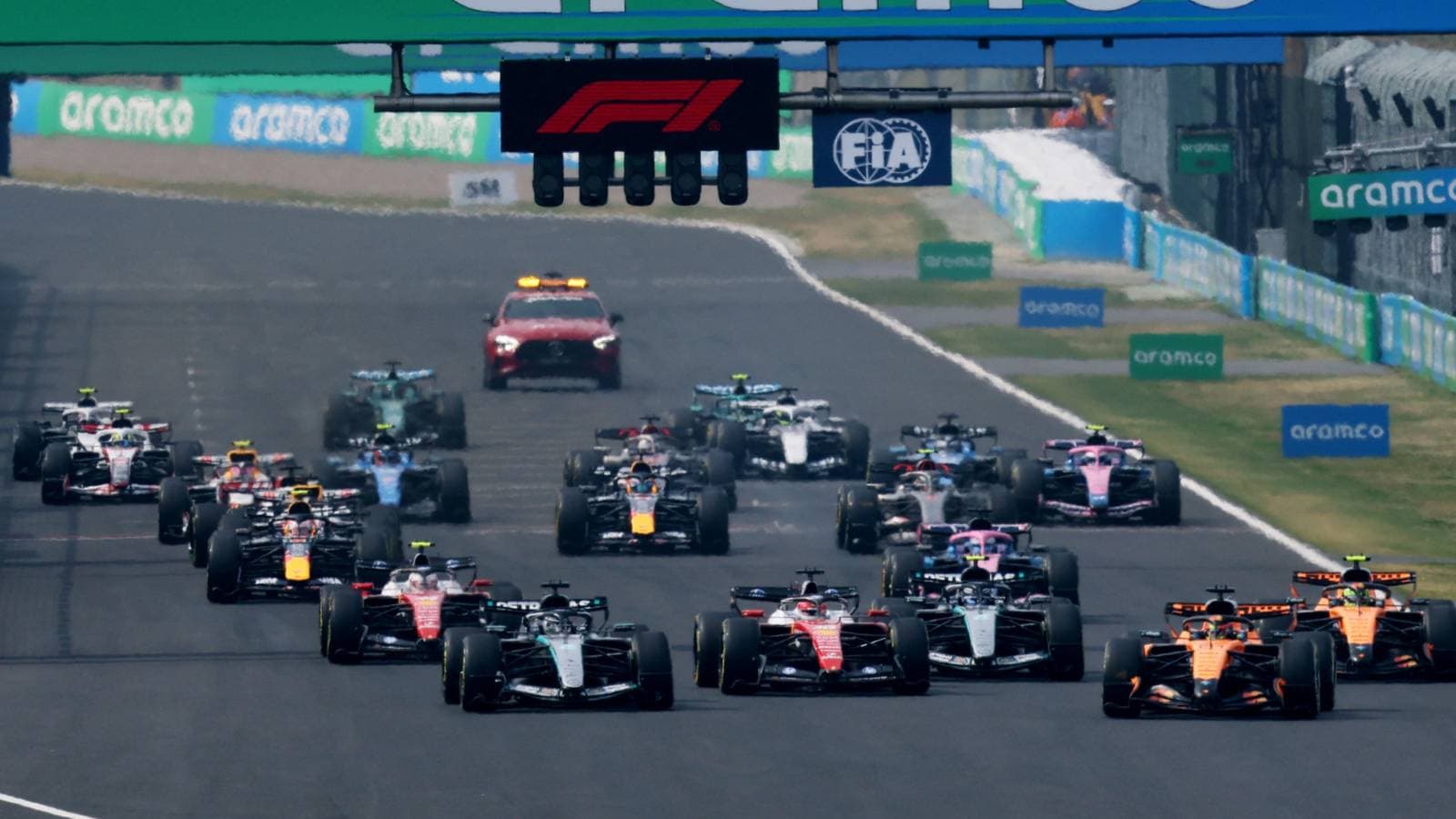
A string of drivers were caught up in pit-lane speeding penalties, among them Lewis Hamilton, George Russell and Piastri. Russell’s case was particularly painful: he dropped out of the points after Mercedes failed to correctly serve his original pit-lane speeding sanction, triggering a drive-through penalty that dumped him to 12th. Mercedes maintain Russell never actually exceeded 60km/h.
The court did not touch that. It was outside the scope of the hearing, which focused solely on McLaren’s and Red Bull’s protest against the rescinding of Gasly’s penalty. Whether Hamilton, Russell or Piastri ever physically broke the 60km/h limit under the established measurement remains an open sporting question, but not a legal one in this ruling.
The message from the judges was clear: the system might be imperfect, but the shared reference point is sacred during a grand prix weekend. You can’t move the goalposts after the game because a better tape measure turned up.
Alpine left with a bitter choice
Alpine now face a difficult reality. They have already sent the third-place trophy to Red Bull’s Milton Keynes base. In a statement, the team said it “disagrees” with the decision and “fully maintains” that Gasly never exceeded the limit at any stage of the race, yet it “acknowledges” the judgment and insists its focus will return to performance on track and a tight championship fight.
Behind the scenes, the frustration runs deeper. Their last remaining realistic avenue, should they wish to keep fighting, lies outside Formula 1’s own structures: an appeal to the Court of Arbitration for Sport.
Do they keep pushing a point of principle over 77 centimetres of pit lane? Or accept that, in this sport, sometimes the only thing that matters is the line everyone agreed to before the lights went out in Monaco?