The Manchester City Scandal: The Largest in Sports History and Its Impact on Football
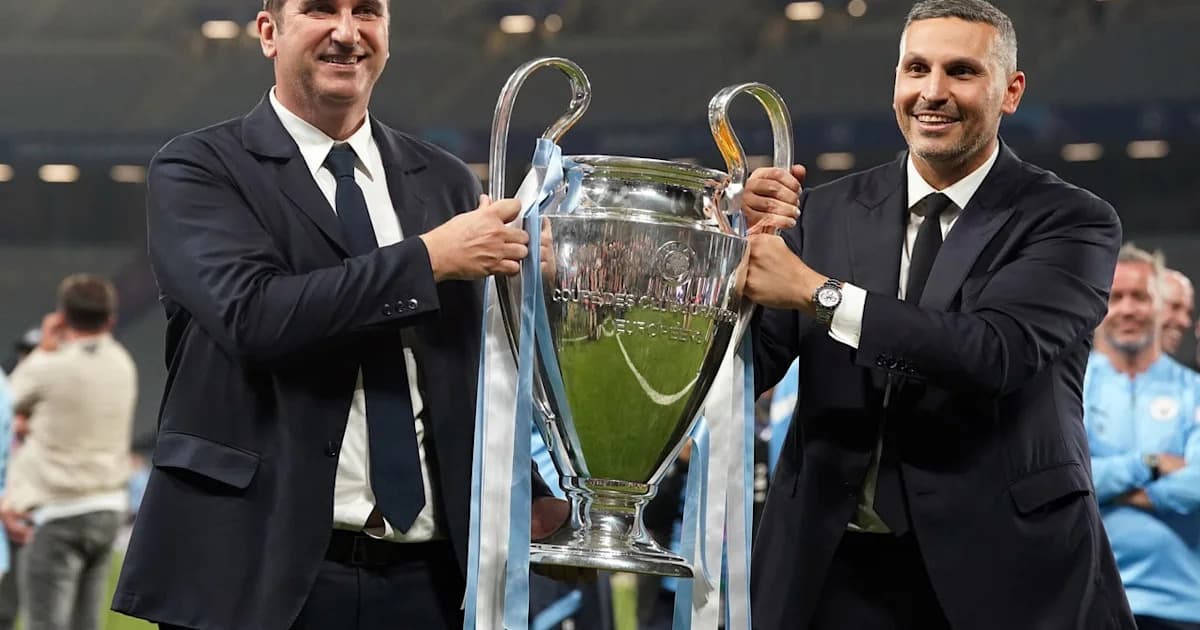
At a recent gathering of Europe's top football clubs in Copenhagen, many executives found themselves avoiding eye contact with one figure: Ferran Soriano, the CEO of Manchester City. Known for his usual role representing the club, Soriano appeared almost frozen, often seen pretending to be on calls to dodge conversation amid growing tensions.
His reaction followed the Premier League's independent commission's harsh verdict against Man City. The club responded with an internal video that went beyond their official statement, labeling the panel's findings as "unsafe." Soriano described the situation as a conspiracy targeting the club and vowed to take all necessary steps to defend it and seek compensation from anyone attempting to damage its reputation.
Shock and Confusion Among Staff and Fans
Many within the club were left puzzled by this aggressive stance. It felt out of step with the usual English sporting culture, seeming like an overreaction. On social media, fans expressed genuine anger toward the ownership, marking a shift in public sentiment. The club's image was under serious threat, with many calling the response not defiant but deluded.
The club has spent approximately £100 million on legal fees so far, yet the comprehensive evidence presented against them remains strikingly clear. Unless exceptional circumstances arise, overturning this decision through appeal appears unlikely. Even if Man City pursues legal routes citing procedural issues, public trust might not be restored.
An Unprecedented Case of Industrialized Cheating
This scandal arguably represents the most intricate and extensive case of cheating in football history. It threatens to rewrite half of the Premier League's legacy, similar in scale to the controversies surrounding the Tour de France or the Qatar and Russia World Cup bidding scandals.
Geopolitical factors add complexity, given the involvement of Abu Dhabi's leadership. The club's operations seem closely linked to their owners' influence, extending beyond football to broader political actions, including responses to arms embargoes in conflict zones like Yemen and Syria. Leaked emails suggest the owners might be willing to jeopardize the entire Premier League rather than comply with regulations they find restrictive.
The Weight of Power and Its Consequences
City’s chairman, Khaldoon Al Mubarak, and the backing of Abu Dhabi give this controversy a geopolitical edge. The owners have been described as "spoiled royalty," accustomed to absolute control. If the appeals drag on for years, the Premier League could face unprecedented uncertainty, with every game shadowed by doubt.
It raises questions about whether the club's leadership genuinely cares about the sport's integrity or the fans’ experience. This scandal exposes how football allowed powerful autocratic interests to infiltrate the sport, challenging its core values.
A Reckoning for Football's Ownership Model
This may mark more than just a crisis for Man City; it could symbolize the downfall of an era defined by minimal regulation and unchecked ownership, epitomized by former Premier League CEO Richard Scudamore's approach. Deep-rooted problems were bound to surface, threatening the sport’s credibility.
The club's reputation is now stained for years to come. While fans have celebrated their success, the shadow of these allegations looms large. The question remains whether the glory achieved was worth this stain.
What Lies Ahead?
Will the ownership consider selling the club? Experts suggest Gulf autocracies like Abu Dhabi detest shame and embarrassment, which could prompt them to cut losses. Yet, given their political leverage—already used to avoid accountability elsewhere—their commitment to maintaining control over Man City is uncertain.
Could an independent football regulator intervene, deeming the ownership too risky, and force a sale? The future of Man City is tangled with these possibilities.
Is This Day Good or Bad for Football?
This scandal might be both a low and a turning point for football. Perhaps the club moving into fan ownership could be a positive outcome. Nevertheless, as a football scandal, this incident stands alone in its scope and impact.