Madring Surgery Planned After Formula 1 Debut
The Madring has barely drawn breath after its Formula 1 debut, and already the bulldozers are being warmed up.
Organisers of the Spanish Grand Prix in Madrid have accepted that their striking new 5.4km layout around the IFEMA fairgrounds needs work if it is to deliver the kind of racing spectacle F1 demands from 2027 onwards. The message from drivers, teams and the FIA was clear: thrilling to drive, dull to race.
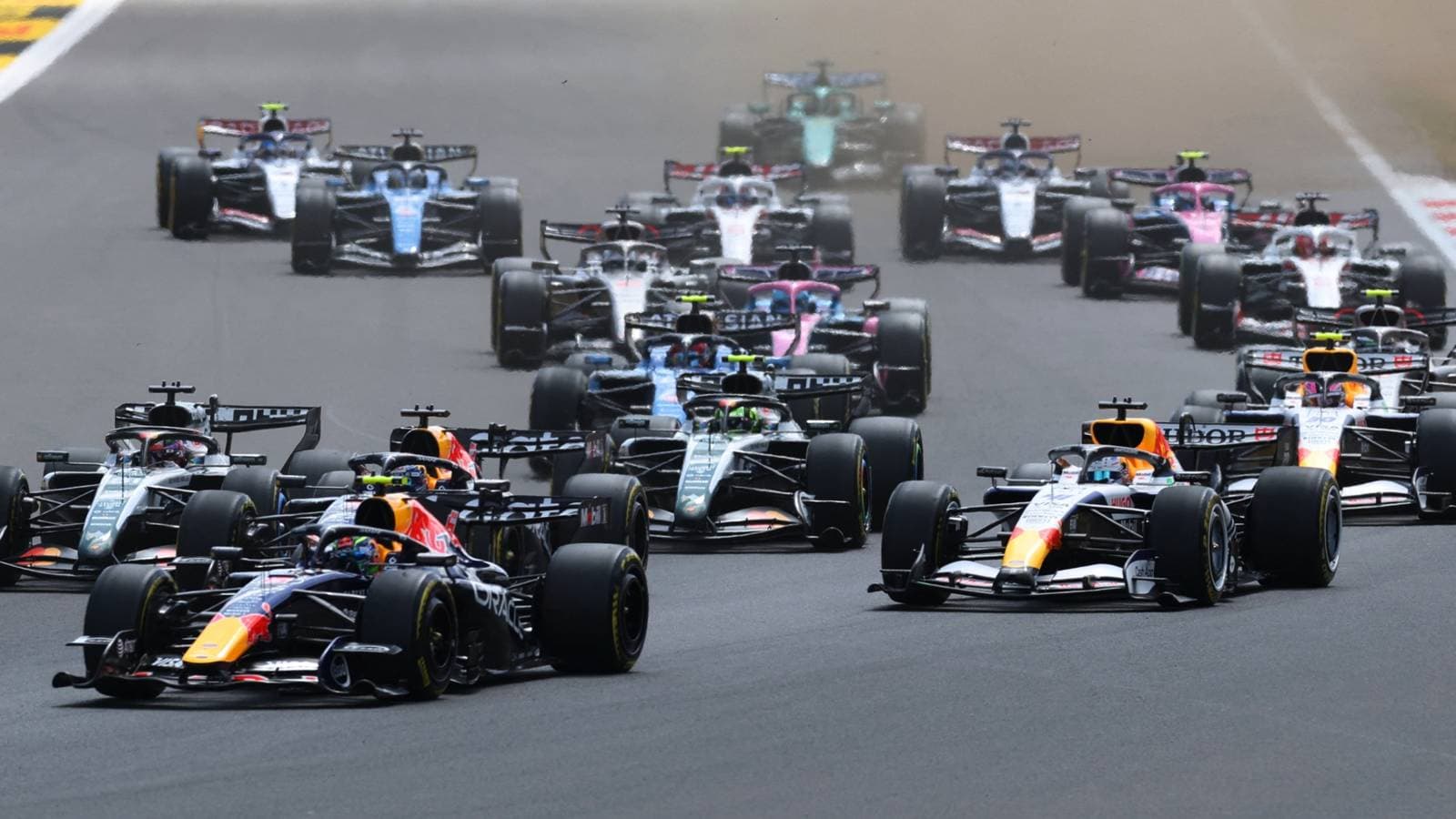
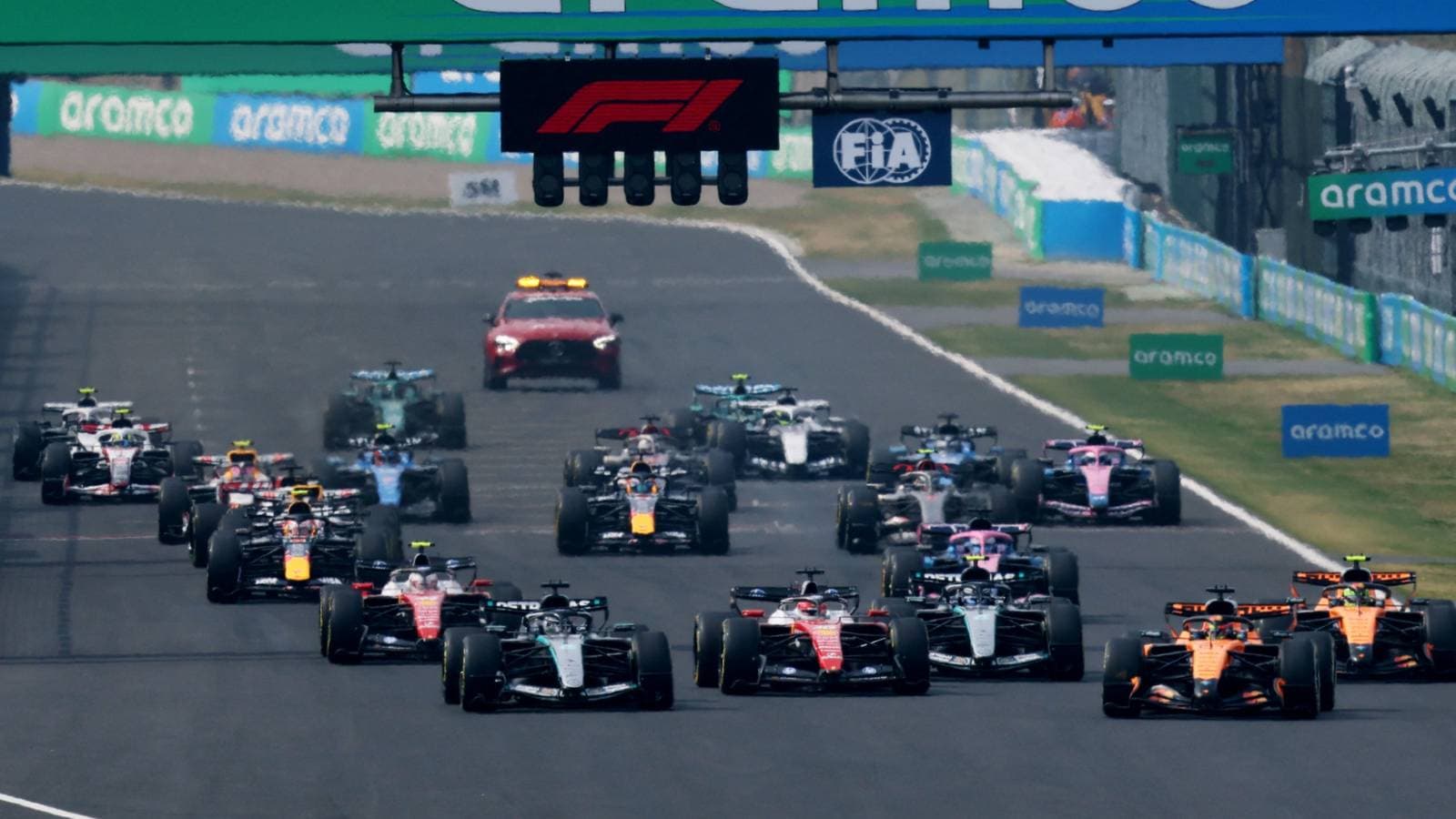
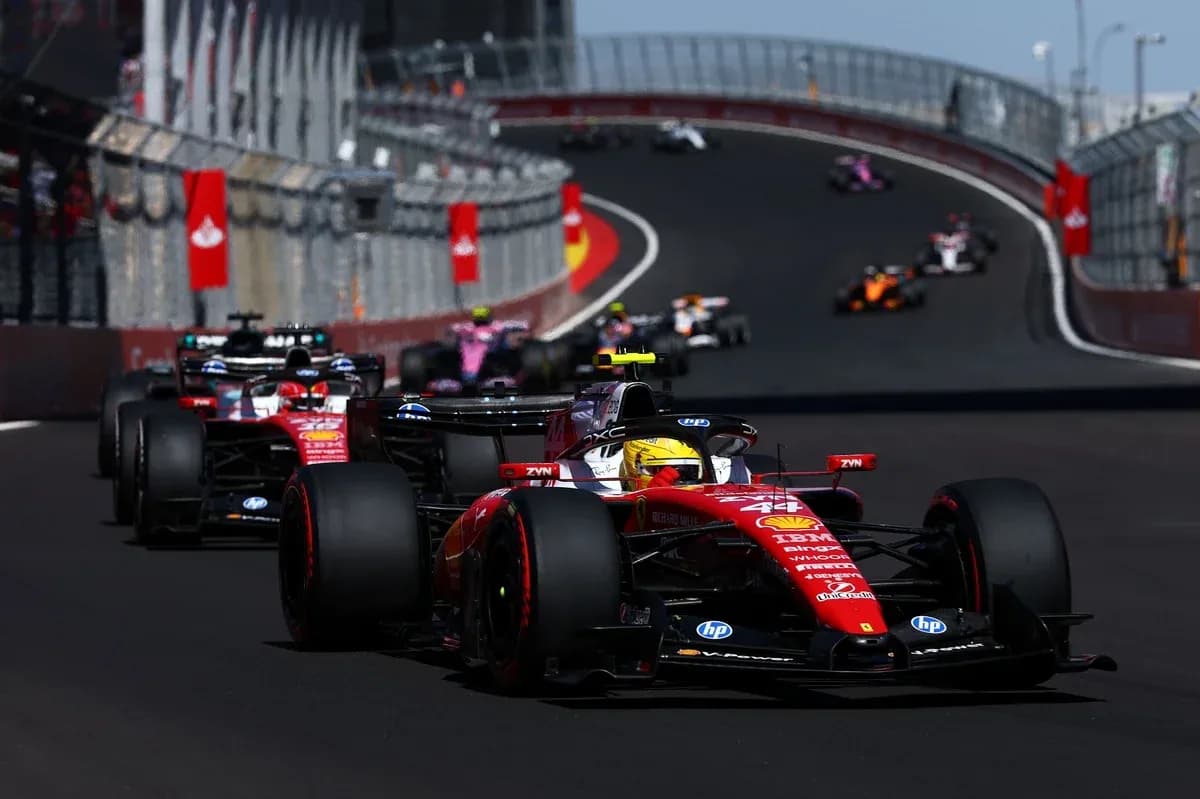
A technical, high-commitment sequence of medium to high-speed corners produced a knife-edge qualifying session on its first weekend in competition. But when it came to wheel-to-wheel action, the track simply locked up. Across F1, F2 and F3, overtaking chances were scarce, strategy was conservative, and the race drifted rather than erupted.
Turn 5 Chicane
The Turn 5 chicane was meant to be the answer. Fed by the circuit’s longest straight, it was designed as the primary passing zone. Instead, its awkward geometry turned it into a dead end for attacking drivers, who struggled to find a line that allowed them to commit on the brakes without compromising exit speed.
That was a recurring complaint in Friday night’s drivers’ briefing. Too many combined corner entries, where drivers must brake and turn at the same time, gave the leading car an easy job of defending. Trail-braking into narrow apexes might be satisfying on a qualifying lap, but in race trim it shut the door on late-braking lunges.
Pitlane Challenges
The pitlane didn’t help. Its length punished anyone tempted to gamble on an extra stop, choking off strategic variety and pushing teams towards safe, one-stop plans. With fewer offset tyre strategies in play, the race settled into formation.
Luis Garcia Abad, the event’s managing director, did not try to gloss over the shortcomings. Speaking to Motorsport.com after Sunday’s race, he confirmed that the FIA has already handed over a set of recommendations to improve the layout for the 2027 event and that Madrid is prepared to act.
“Being honest with you, the FIA defined clearly which is the way to improve the track layout, and we will be open because we will have to reinstall the track for the next year,” he said. He stressed that the driving challenge on Saturday had landed well: “I really believe that the drivers enjoyed qualifying a lot. But for sure we will try to make an improvement for next year.”
The calendar gives Madrid time, and the contract gives it incentive. This was the first race of a 10-year deal, and unlike many city-based venues, the northern half of the Madring has been drawn on largely empty land. That blank canvas is now an asset.
“We have the space, we have a venue, we have the facilities, we have the capacity to do it,” Abad said. “I’m sure that FOM, FIA, and ourselves, we will try. If we can improve something, we will do it.”
Drivers have already started sketching out their own fixes.
Lando Norris, now world champion and one of the grid’s sharpest voices on track design, did not hide his mixed feelings. For a qualifying lap, he said, the Madring delivers. For racing, it falls short.
“To me, it’s not a great racetrack. It’s great in qualifying,” he said, before outlining a more aggressive approach to the final sector. He argued for a straight line from Turn 17 to Turn 20, opening up the entry into a much wider, Austin-style hairpin – something akin to Turn 1 or Turn 10 at the Circuit of the Americas – to create a genuine dive-bomb opportunity and a bigger braking zone.
“You’ll create much better opportunities for everyone and you’ll be able to enjoy the race,” he said.
He also pointed to the Turn 5–6–7 sequence as an area crying out for revision. Right now, that complex forces drivers to turn and brake at once, a combination he believes “basically defeats the whole object of racing.” Without a clean, straight-line braking zone, the chasing car struggles to commit, and the defending car can simply position itself on the racing line and shut the door.
That tension sits at the heart of the Madring debate. The layout has won praise for its facilities and its driving rhythm, but modern F1 needs more than a satisfying hot lap. It needs bold braking points, clear slipstream-and-pass zones, and the sort of corners that tempt a driver to send it from too far back.
Madrid has the land, the political will, and a decade-long runway to get it right. The next version of the Madring will show whether this new Grand Prix is prepared to trade a little purity of line for the chaos and drama that turn a race into an event.