Madring Grand Prix Recap: Drivers Face Tough Challenges
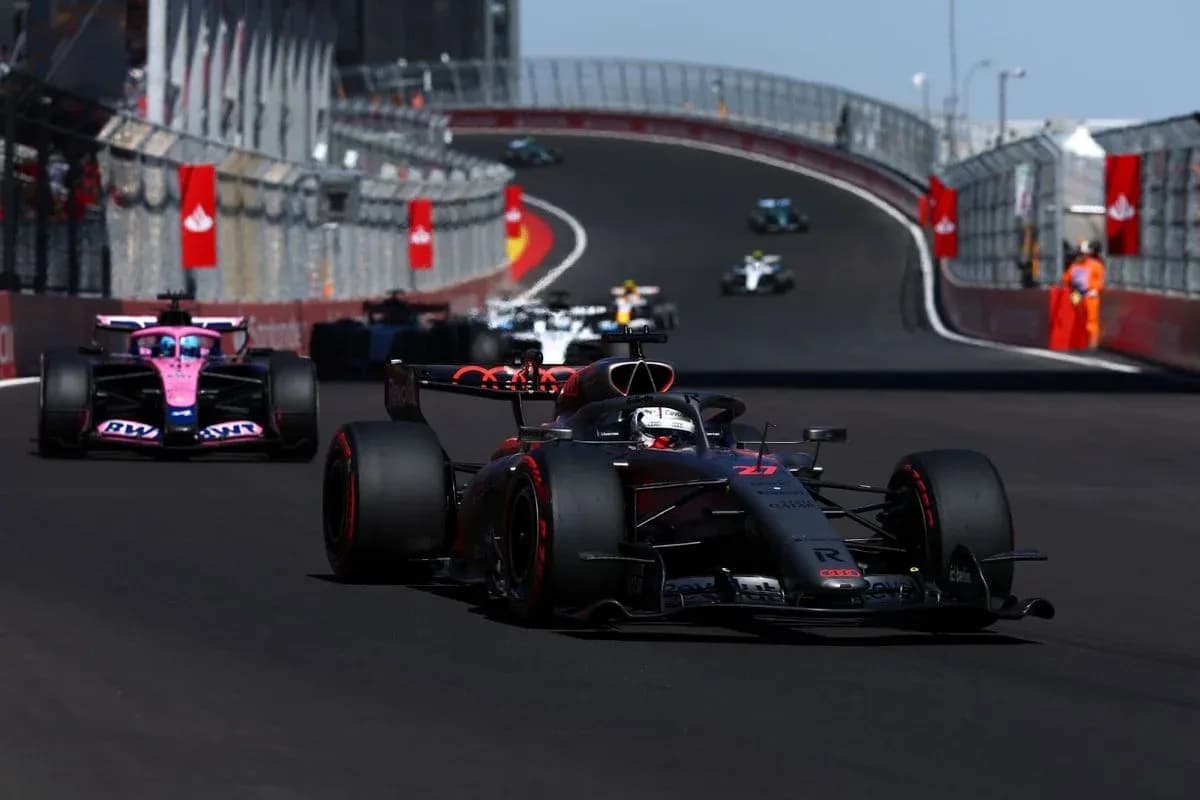
The Madring didn’t deliver a classic, but it did deliver a stress test. On a new, unforgiving layout, the Spanish Grand Prix became less about wheel-to-wheel drama and more about who could thread the needle across an awkward weekend. Some aced it. Some survived it. A few were simply exposed.
What follows is the story of the grid, driver by driver, told through a weekend that asked hard questions and punished even small mistakes.
Lando Norris – Started 1st, Finished 3rd
Verdict: Only bad luck cost him victory.
Norris produced one of those qualifying laps that change the mood of a paddock. Pole at the Madring, in a McLaren that wasn’t the outright fastest car, came from sheer commitment and precision – right up until the rear stepped out at the last corner. That snap cost him around three tenths and turned what might have been an all-time lap into just a mighty one.
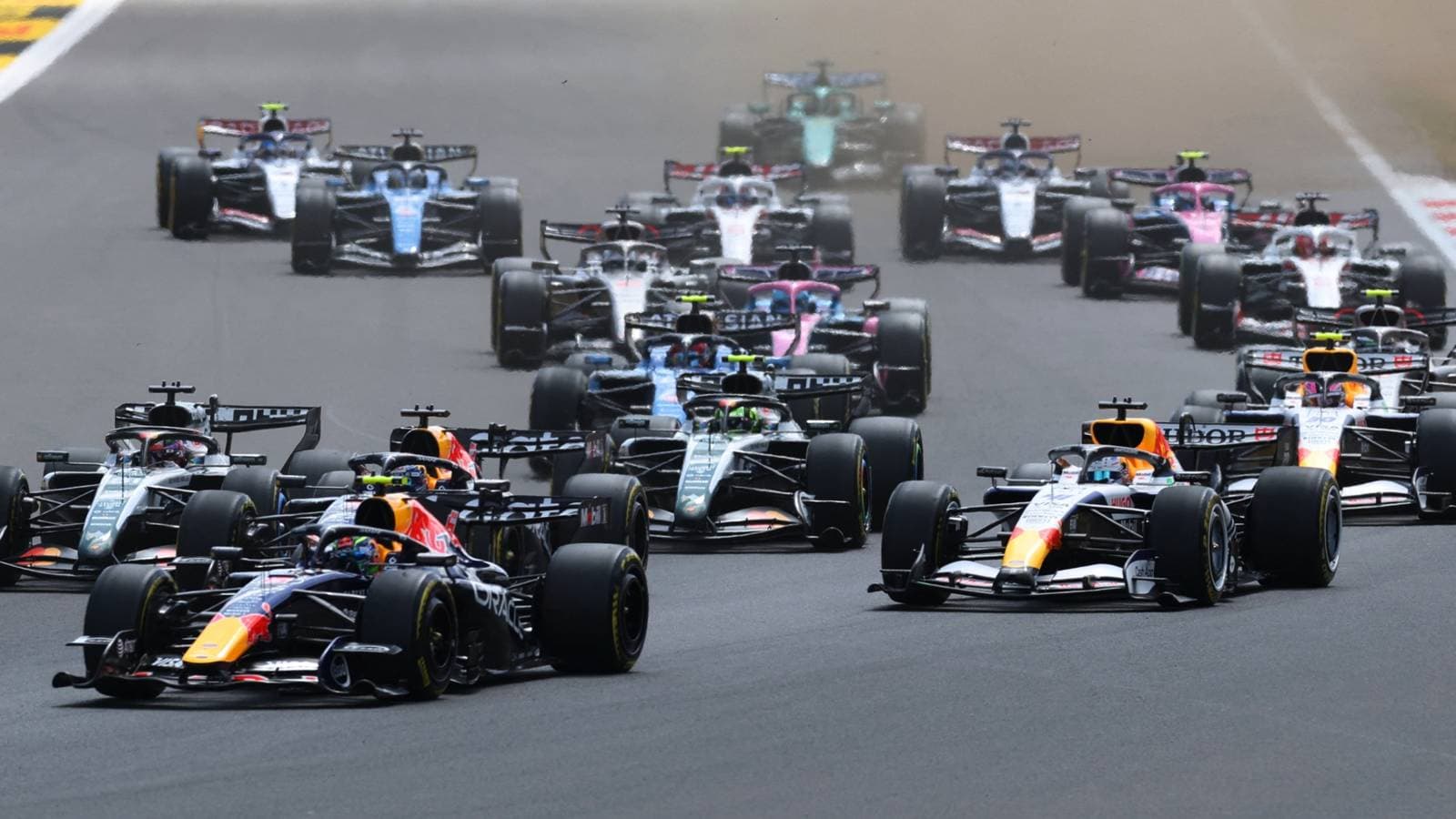
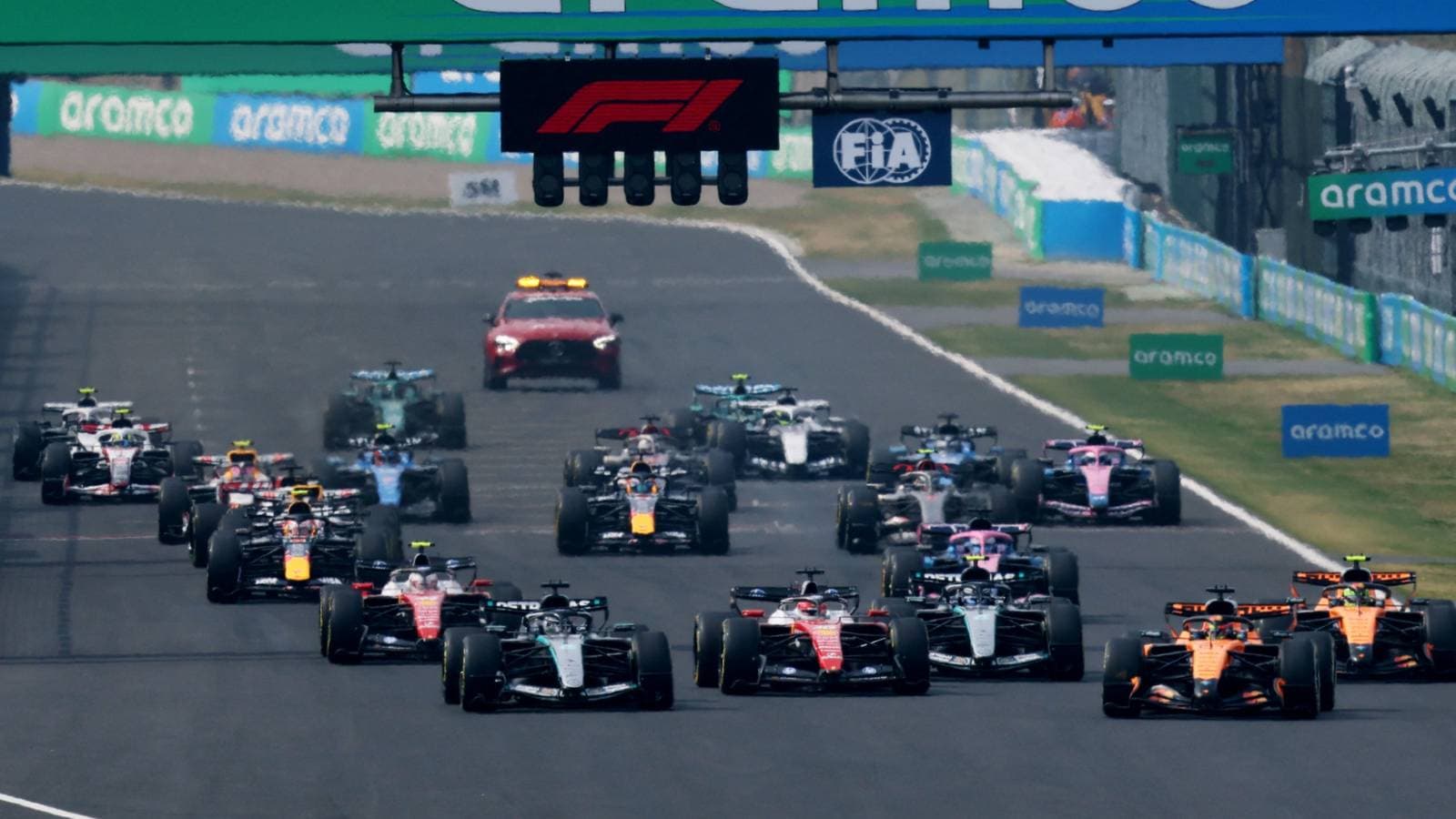
He still owned Sunday’s opening phase. Despite the lower-grip pole-side grid slot, he launched cleanly, controlled the first lap chaos, and built a healthy cushion. In race trim he was the benchmark, metronomic and fast, the one driver who looked capable of dictating the tempo.
Then the virtual safety car dropped like a hammer.
The timing wrecked his advantage and flipped the race on its head. The numbers say he was the quickest over the long runs; the result sheet says third. Late on, he pressed Verstappen hard but, on a track that strangled overtaking and against a driver who rarely yields, there was no way through without a mistake from the Red Bull. That mistake never came.
Norris did almost everything right. The win slipped away not through a lack of performance, but through the cold timing of a VSC.
Pierre Gasly – Started 9th, Finished 7th
Verdict: Probably his best through-weekend execution in F1.
Gasly’s weekend turned on a knife-edge moment in La Monumental in Q2. He flirted with the barriers, survived, then came back with what he himself called one of the best laps he’s ever produced. That effort dragged the Alpine into Q3, ahead of team-mate Pierre Gasly and on top of the midfield.
He then beat Arvid Lindblad in Q3 to secure the best realistic starting spot for an Alpine. On Sunday he did the rest: sharp racecraft, controlled tyre management, and enough pace to keep Oscar Piastri behind when it mattered. The deficit to his theoretical best lap in Q3 – just over two tenths – didn’t change his grid slot and barely dents the picture.
Could he have found a way past Gabriel Bortoleto and then Liam Lawson? Perhaps in a different era of F1. At the Madring, with overtaking at a premium, that became more a theoretical criticism than a real one.
Across practice, qualifying and the race, this was Gasly at his most complete.
Esteban Ocon – Started 13th, Finished 11th
Verdict: A well-executed weekend that merited points in probably the eighth-best car.
Ocon squeezed what he could from a Haas that simply didn’t have Audi’s single-lap punch. His final Q2 lap was tidy and committed, but the three-tenths gap to Bortoleto told the truth about the machinery.
He did what he always does at the start: attacked. By Turn 1 chaos and opportunism, he vaulted to 11th and effectively into the points once Lewis Hamilton retired. From there he drove a disciplined race, only to lose out to Nico Hulkenberg in the VSC pitstop shuffle – a defeat decided more by pit equipment than by driver execution.
With Ollie Bearman out of the picture after his own error, there was no obvious internal benchmark. But there was also no sign Ocon left meaningful lap time unused. On another day, with slightly more sophisticated kit in the pitlane, this performance yields a point.
Max Verstappen – Started 3rd, Finished 2nd
Verdict: Largely made the most of the Red Bull.
This was a weekend where the Red Bull’s strengths and weaknesses split cleanly: sharp in qualifying trim, less dominant over a race distance. Verstappen still dragged near-maximum performance from it on Saturday, even if, like most, he probably left a sliver of time out there.
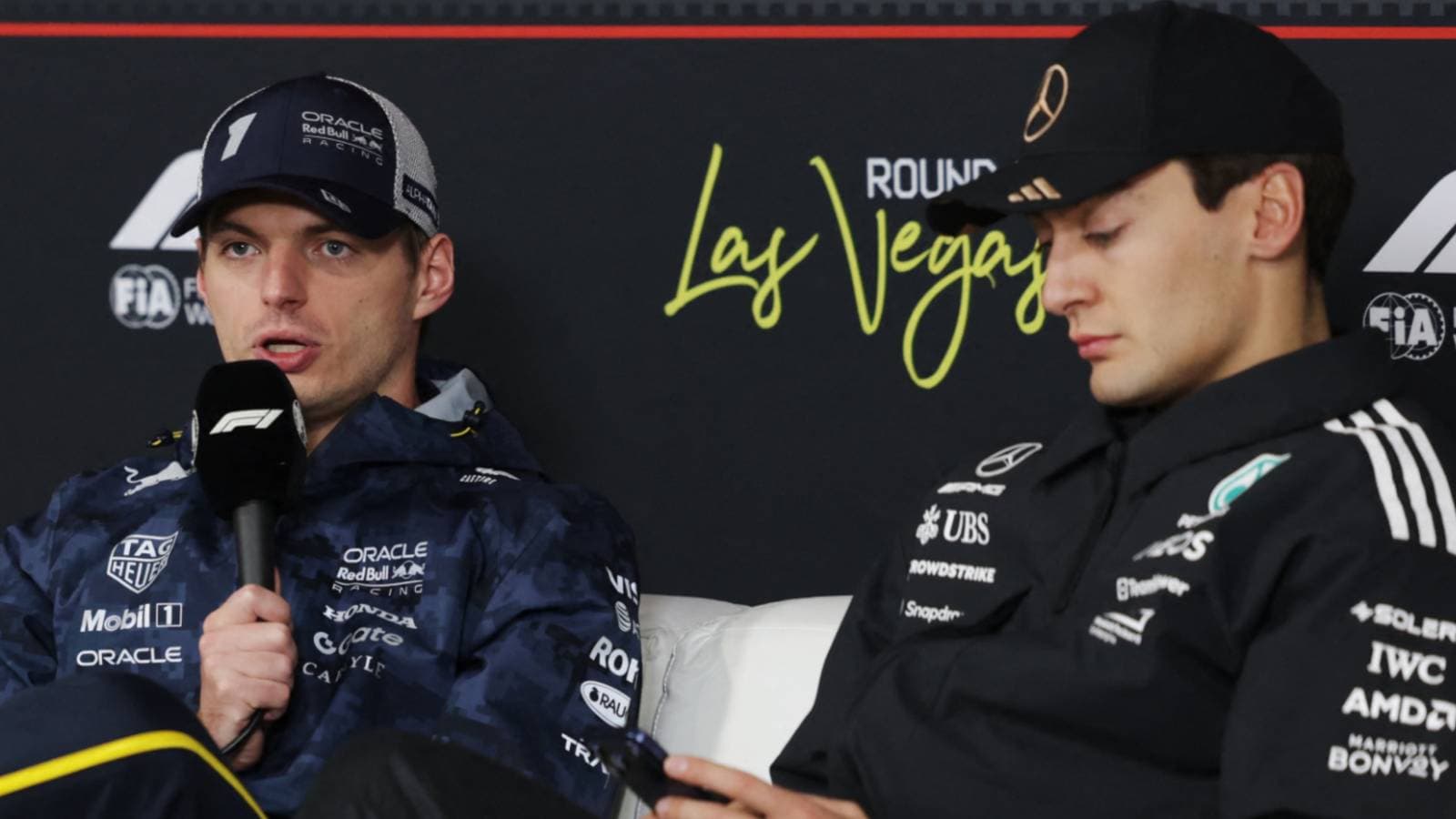
His race was about control and damage limitation. He kept Norris behind in a car that no longer has the overwhelming advantage of recent years, and he managed the tempo in a field where overtaking bordered on impossible. The VSC timing helped him up the order, but even if he’d stayed third, that would have reflected the car more than the driver.
The one real question mark came at Turn 1 on lap one. The move that led to the chicane cut set off the chain that ultimately left him behind Andrea Kimi Antonelli once he ceded position to Hamilton. It was a high-commitment call that didn’t quite pay off in track position.
Even so, Verstappen walked away with second and a sense that he’d taken most of what was realistically available.
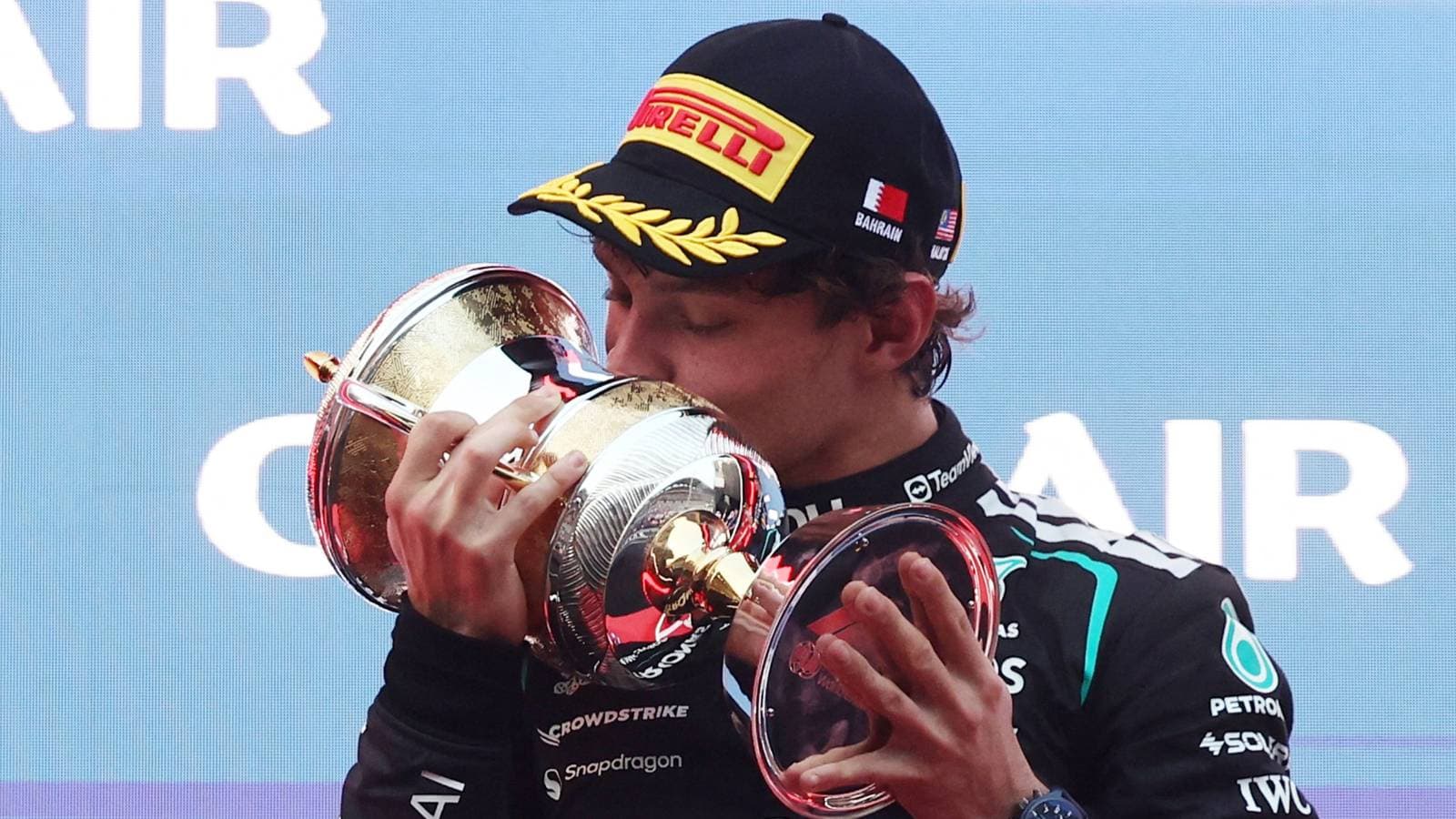
Lewis Hamilton – Started 2nd, Finished 1st
Verdict: No question about his pace, but a little untidiness.
Hamilton was the sharper Mercedes driver from the first serious laps. His pace advantage over George Russell was obvious and sustained, and once the race settled he drove with the kind of patience that has underpinned so many of his best wins.
He sat behind long-running Charles Leclerc, waited, and didn’t panic. When the race broke open around the VSC, he was ready to pounce. Luck played its part – the timing handed him the track position he needed over Verstappen and Norris – but he still had to deliver the laps to make that luck count.
The blemishes came early. Lap one was scrappy, with track cuts at Turn 1 and Turn 5 that shuffled him back to third and risked turning the race into a recovery drive rather than a controlled assault. Once clear of that chaos, though, Hamilton’s rhythm and speed did the talking.
This was not a flawless victory, but it was a fast one.
George Russell – Started 5th, Finished 4th
Verdict: No major negatives, but still short of his absolute peak.
Russell arrived at the Madring carrying a self-inflicted handicap: old-spec power unit components still in play after his Monza crash. Despite that, he ended up only 0.005s shy of Hamilton in qualifying, which said a lot about his underlying speed.
His race was measured and clean. On a day when Hamilton retired, Russell was always likely to inherit fourth given the car’s position in the pecking order. He stretched the hard-tyre stint well, avoided trouble, and extracted what felt like the car’s natural finishing spot.
He did admit there was more on the table in qualifying. Prep laps weren’t perfect, and a couple of “moments” early in the lap left him short of the absolute limit. Not disastrous, but not quite the razor’s edge execution that he’s capable of.
Solid, competent, but not quite spectacular.
Sergio Perez – Started 18th, Finished DNF
Verdict: A strong weekend as the quicker Cadillac driver, ruined by reliability.
Perez looked like the lead Cadillac from the outset. The gap to Valtteri Bottas in qualifying was flattered by Bottas’s traffic and impeding problems, but even before that, Perez had the upper hand and then nailed his final lap.
He carried that form into Sunday, cutting through the debris of Turn 1 and settling into a chase of Alex Albon that hinted at a respectable recovery drive. Then the water leak struck. First he slowed, then he stopped, his race unravelling through no fault of his own.
There was no meaningful mistake to point to, no missed opportunity of note. The only negative was that the second half of his race never happened.
Alex Albon – Started 16th, Finished 15th
Verdict: A strong weekend, with the FP3 wall clip the only real blot.
Albon’s Friday was messy, his Saturday impressive. Deployment problems left him adrift of Carlos Sainz in practice, then a brush with the wall in FP3 cost him valuable running. When it mattered, though, he delivered a sharp Q1 lap that edged Sainz by 0.005s and maximised what Williams had.
There was simply no pace in the car for more than 16th on the grid, especially with no fresh softs left for Q2. In the race he drove within that limitation, executing cleanly in a machine that didn’t have the legs to fight for points.
The weekend’s story is one of recovery from early setbacks. Only the FP3 error stands out as a clear self-inflicted wound.
Fernando Alonso – Started 17th, Finished 17th
Verdict: A decent weekend, but Q2 was within reach.
Alonso spent the weekend as the quicker Aston Martin, a familiar role for him. He leaned on the car’s strengths in the twistier sections and lived with its drag-induced weakness on the straights, piecing together a performance that was better than the final result suggested.
He missed Q2 by a fraction, losing about a tenth and a half to his own best in the final sector on his last lap. That small lapse tipped the balance in Alex Albon’s favour and set the tone for a compromised Sunday.
Race-day issues – deployment troubles and a front wing change after being hit by Sainz – shredded any chance of progression. He still fought to the flag, but the stopwatch had already passed its verdict.
Charles Leclerc – Started 4th, Finished DNF
Verdict: Had the pace to achieve more, but never got to show it.
Leclerc’s weekend was undermined before qualifying even began. His FP3 crash cost him half the session and, crucially, his full qualifying simulation. He pushed to get the car back to the pits against the team’s wishes, but the damage was done.
Despite that, he recovered well enough to line up fourth. The lap wasn’t perfect – a small early error left time on the table – but the underlying pace looked strong, arguably the better of the two Ferraris.
Then came the race. Brake problems and eventual retirement meant we never saw the full story of what he could do over a stint. The ingredients for a much bigger result were there; the circumstances never allowed them to cook.
Arvid Lindblad – Started 10th, Finished 9th
Verdict: FP2 crash hurt him badly, but he responded well.
Lindblad’s Friday crash at Turn 13 looked costly at the time, and it was. He lost valuable running, then approached Saturday still nursing a dented confidence. Even so, he hauled the car into Q3.
On Sunday he jumped Piastri at the start and held him off through the first stint, a neat bit of racecraft that underlined his composure in traffic. Later, when Piastri came back at him on fresher mediums, there was little he could do. That was about tyres and car, not attitude.
He rounded off the afternoon by fending off Hulkenberg, salvaging a points finish from a weekend that could easily have spiralled after FP2.
Nico Hulkenberg – Started 11th, Finished 10th
Verdict: Solid work, putting the Audi where it belonged.
Hulkenberg edged his team-mate in the battle of imperfect laps in Q2, grabbing the decisive 0.165s that swung the intra-team fight his way. Slipping into Q3 was possible with a cleaner execution, but the Audi ended up roughly where it should.
Starting on softs and catching the VSC at the right moment gave him the platform for points. He made good use of it, managing the tyres and track position to bank a top-10 finish.
Could he have forced a move on Lindblad late on? Maybe in a different car, or on a different circuit. At the Madring, with overtaking suffocated, it’s a minor quibble.
Liam Lawson – Started 8th, Finished 6th
Verdict: Solid but unspectacular, with an unobtrusively effective race.
Lawson’s qualifying followed a familiar pattern: close to Verstappen at first, then gradually losing touch as the session built to its climax. Ending up 0.352s down was respectable, but also a reminder that he’s still a step away from the Dutchman’s level.
He lost out to Franco Colapinto at the start but quickly corrected that with an important early pass. Staying out on hards during the VSC could have trapped him, yet the strategy ultimately worked well enough, especially once Bortoleto held up Colapinto and opened the door.
This was his third outing in the Red Bull, and he slotted neatly into that band of “good but not game-changing” second drivers at top teams. No fireworks, but no disasters either.
George Russell (Antonelli’s team-mate) – Started 6th, Finished 5th
Verdict: A step back from Antonelli in terms of pace.
Russell’s weekend was tidy but overshadowed. He made one of the few clean overtakes of the race by passing Lawson after the latter’s second stop, and he executed a clean, low-drama Sunday.
The strategy call to start on hards was deliberate, designed to exploit an early interruption. When Leclerc ahead did the same, the plan lost its edge. Russell pitted, then found the mediums didn’t have the range, forcing a second stop and locking him into a limited ceiling.
The bigger issue was pace relative to Antonelli. At no point did he look on his team-mate’s level. A small overstep at Turn 11 on his final Q3 lap cost time, but he was already drifting away before that. The result was fine; the comparison was not.
Oscar Piastri – Started 7th, Finished 8th
Verdict: A lacklustre weekend.
Piastri’s race unravelled before it began. Front-wing damage on lap one – not his fault – left him compromised from the outset. He still managed to clear Lindblad once the stops played out, but the hard/medium strategy without a VSC stop left him on the wrong side of the timing gods.
The deeper concern was pace. He never truly matched Norris over a lap or a stint. Late on, he found no way past Colapinto, stuck in the same DRS train that defined so many afternoons.
This wasn’t a disaster, but it was a step below the standard he’s set for himself.
Kevin Magnussen – Started 12th, Finished 13th
Verdict: Middling, marginally behind Hulkenberg.
Magnussen’s race featured one of its quieter but more skilful acts: a long, disciplined stint on hard tyres while keeping the quicker Colapinto bottled up behind. When the VSC timing worked against him, that effort went unrewarded.
His qualifying, by his own admission, never hit the maximum. A conservative approach into Turn 1 left him on the back foot against Hulkenberg. A poor start on hards dropped him to 15th, though the compound choice mitigates some of that criticism.
Nothing disastrous, nothing outstanding – just a shade less complete than his team-mate.
Franco Colapinto – Started 14th, Finished 12th
Verdict: Poor qualifying defined his weekend.
Colapinto’s race pace was better than his result. He showed genuine speed, but when the VSC arrived he stayed out on hards and watched the chance to convert that pace into points evaporate.
The real damage came on Saturday. He described confusion over why a car that felt strong in FP3 suddenly struggled for grip in qualifying, blaming poor tyre prep on the outlap. Whatever the cause, he underdelivered, and that left him mired in traffic on Sunday.
A late five-second penalty for speeding in the pits summed up the weekend: unnecessary, avoidable, and ultimately costly only in time, not position.
Valtteri Bottas – Started 19th, Finished 18th
Verdict: Bad luck on both days, and still short of Perez.
On paper, a 2.098s gap to Perez in qualifying looks damning. In reality, Bottas never got a proper shot: his second run was wrecked by traffic, his third by Sainz impeding him. He was stuck with an early banker that didn’t reflect his true speed.
The race offered little redemption. Early damage, again not of his making, blunted his afternoon and left him circulating with no real chance to show anything.
Even with all that context, the overall impression was clear: Perez looked the stronger Cadillac driver.
Lance Stroll – Started 21st, Finished DNF
Verdict: No chance to shine, and no flashes of Alonso-like pace.
Stroll’s weekend was compromised before it started. A water leak in qualifying meant no time in Q1 and a 40-place grid penalty for power-unit changes locked him to the back regardless. His practice pace never hinted at Alonso levels of single-lap performance.
In the race he briefly ran ahead of Alonso, only to lose the place approaching Turn 13. Brake issues and debris damage then shredded any meaningful comparison between the two Aston Martins.
Circumstances gave him almost no platform to impress. The concern is that, even in the limited running he had, there were no real flashes to suggest hidden performance.
Yuki Tsunoda – Started 15th, Finished 14th
Verdict: A nothing weekend, buried by qualifying issues and race damage.
Tsunoda never got comfortable. In qualifying he struggled badly on fresh tyres, far happier on scrubbed sets. That quirk left him unable to exploit peak grip and almost a second adrift of Lindblad.
Turn 1 on Sunday brought more misery. Contact from Sainz left him with damage that locked him into a race of survival rather than recovery. Within that context, his pace was respectable, but the ceiling was low.
By the flag, there was little to salvage beyond data and frustration.
Carlos Sainz – Started 20th, Finished DNF
Verdict: Pace was fine, but the errors stacked up.
Sainz arrived with speed. Friday suggested he had the tools to trouble the upper midfield, but the weekend unravelled when it mattered most.
Qualifying left him behind Albon by 0.005s, with Sainz pointing to poor timing of his final run and a straightline speed deficit. The more serious incident came when he impeded Bottas, a mistake the team took responsibility for on the pitwall but one that still demands a sliver of driver awareness.
Turn 1 on Sunday completed the picture. Caught out by the inevitable concertina, he hit Alonso and compromised his own race beyond repair. The raw pace was there; the execution was not.
Ollie Bearman – Started 22nd (pit lane), Finished 16th
Verdict: Race recovery couldn’t erase a costly FP3 crash.
Bearman’s weekend pivoted on one moment. Tagging the inside wall in the Turn 10/11 sweep in FP3 triggered a heavy crash that wiped out his qualifying. It came after a smaller warning shot on Friday at Turn 15, when he clipped the front-left with less serious consequences.
From the pit lane on Sunday, he did what he could. His two on-track passes came against damaged cars – Bottas and Stroll – but his race drive was composed and clean.
The problem is simple: at this level, you rarely get away with losing an entire qualifying session to a crash of your own making. The Madring made sure of that.
The Madring didn’t offer a wheel-to-wheel epic. It offered something more revealing: a weekend where timing, precision and discipline mattered more than raw aggression. Some drivers bent that challenge to their will. Others found out just how little margin this new circuit allows.