Madring's Misfire: F1's New Circuit Flaws and Future Fixes
The Madring was supposed to be F1’s bold new footprint in Madrid. A part-purpose-built, part-street hybrid around the Ifema exhibition centre, minutes from Barajas airport, sold as a modern answer to the demands of grand prix racing.
Instead, it arrived on the calendar as a cautionary tale.
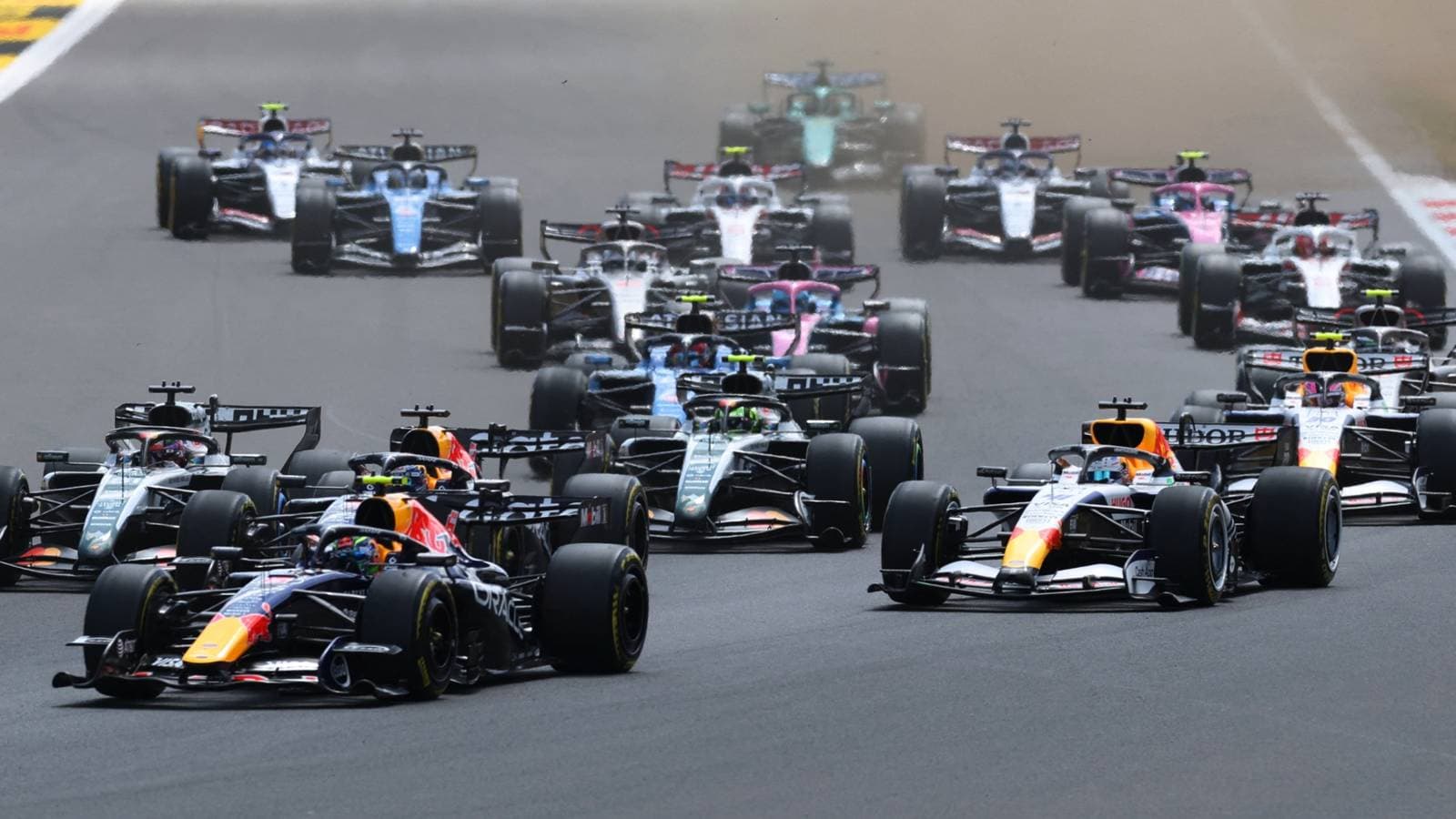
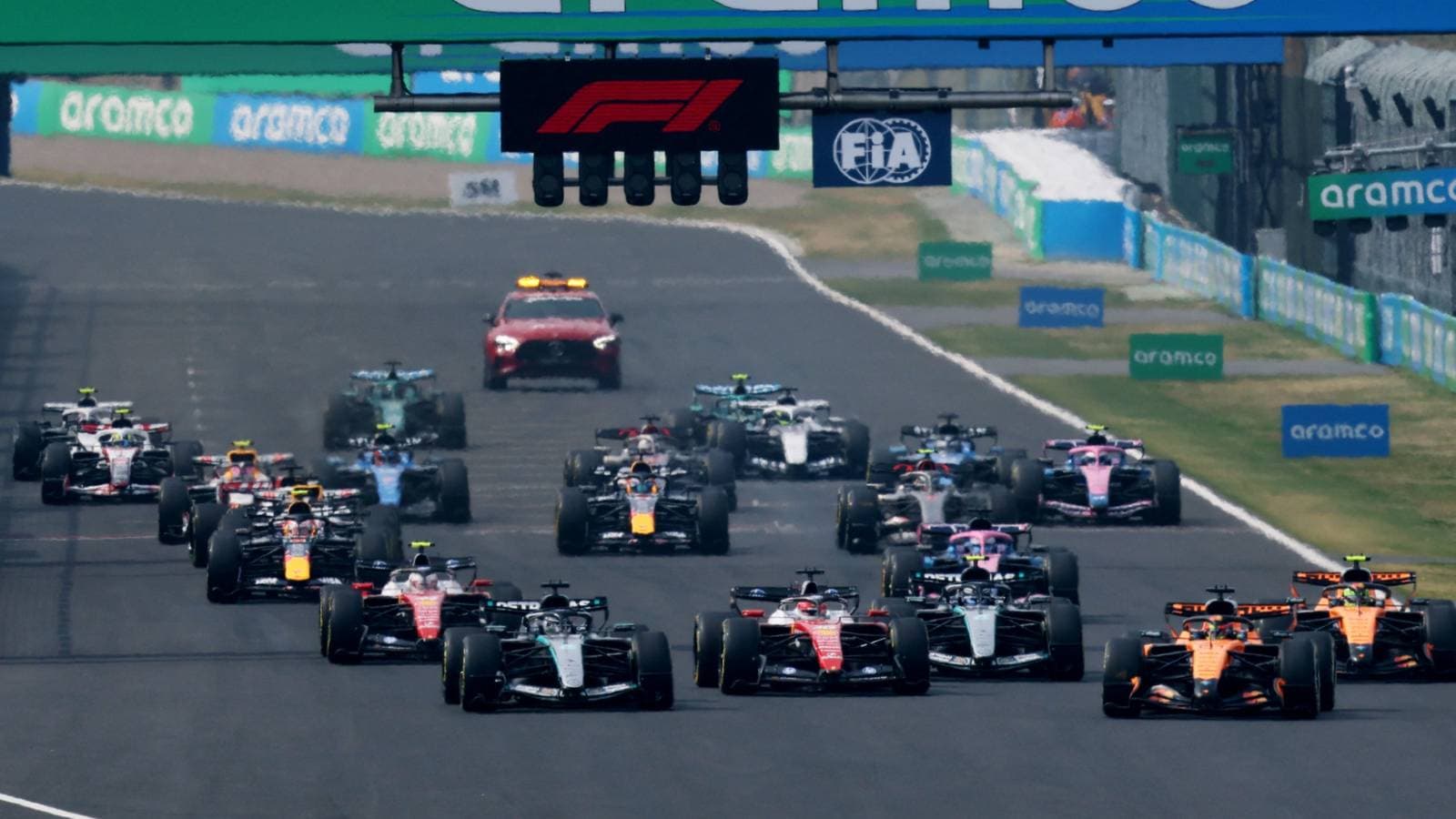
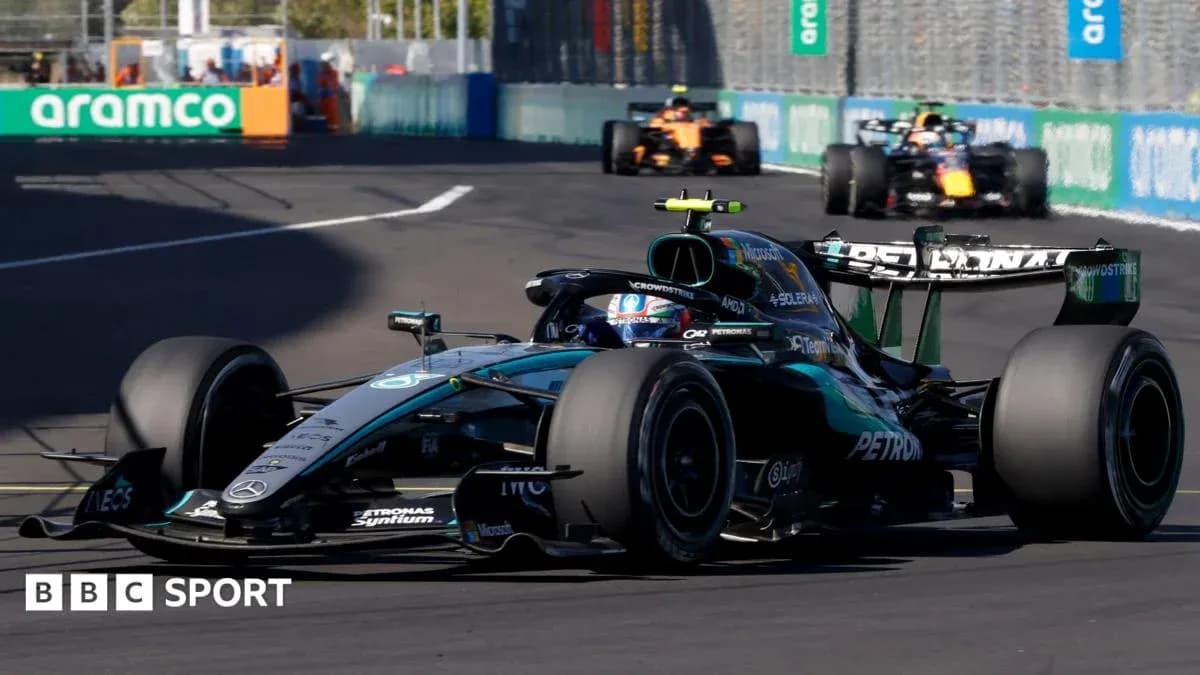
Long before a single lap of racing, drivers were already shaking their heads. The paddock consensus was blunt: overtaking would be a nightmare. By Sunday evening, they had their proof.
“It’s mystifying,” was the general mood. Lando Norris cut through the politeness after the race with a line that echoed around the paddock: “I don't know how someone looks at this design and goes: ‘Mint.’”
You didn’t need access to team simulations to see the problems. You just needed to understand what makes a modern F1 car race.
A Track That Forgot the Basics
The first and biggest flaw is obvious from any circuit map: there is no proper long straight feeding into a heavy braking zone. No natural launchpad for an overtake. No Monza Turn One. No Bahrain Turn One. Not even a halfway-house like Austin’s Turn 12.
Instead, the Madring stitches together a series of corners that demand braking and turning at the same time. That kind of entry kills divebombs. When a driver has to combine those inputs, the car is already nervous on the limit; asking it to lunge down the inside of a rival is asking for contact or a trip to the run-off.
On top of that, the walls often pinch back toward the racing line on corner exit. That not only intimidates drivers out of aggressive moves, it also narrows the usable track and reduces the variety of lines. Racing thrives on options; Madring repeatedly funnels cars into one.
Then there’s the pit lane. The longest on the calendar.
A long pit lane means a huge time loss for every stop. A huge time loss means teams will avoid stopping more than once unless they absolutely have to. When tyre degradation is high, that dynamic pushes drivers into heavy tyre management, lapping well within the car’s potential to avoid a second stop. Less pushing, fewer mistakes, fewer safety cars. The race slides into a strategic procession.
All of this on a layout that did not have to obey the tight compromises of a city-centre street race. Half of it is custom built. This wasn’t Monaco, where the harbour and the hills dictate the lines. This was a rare chance to design from near-scratch – and it missed the mark.
The Fix Is on the Table
The irony is that the drivers say the Madring is actually enjoyable to drive on the limit. Fast, flowing, technical. “To me, it's not a great race track. It's great in qualifying,” Norris said. And that’s the key distinction. Qualifying circuits and racing circuits are not always the same thing.
The encouraging part? The problems are not baked in forever.
Norris himself outlined a straightforward blueprint: rip out Turns 18 and 19 and draw a straight from Turn 17 to Turn 20. At the end of it, build a big, wide hairpin with a generous entry, something in the mould of Austin’s Turn One or Turn 10. A corner that invites late braking, switchbacks, and side-by-side battles.
That single change would finally give Madring a proper overtaking zone. A place where DRS isn’t just a cosmetic wing adjustment but a weapon.
He also pushed for “trickier changes” – notably reworking the clumsy, unpopular chicane at Turn 5 and the following section through to Turn 7. That part of the lap currently breaks rhythm and offers little in return in terms of racing.
Then there’s the off-track architecture. The pits and paddock were scattered and fractured across a sprawling site, split by buildings and hemmed in by the exhibition halls. It made life harder for teams, media, and officials than at any other venue on the calendar. It looked and felt like trying to host a grand prix at the NEC in Birmingham – functional halls, but hardly a natural amphitheatre for elite motorsport.
Finding a way to place the pit lane in a single, coherent stretch, keeping pits and paddock together and fully outside, would not just tidy up the operation. It would help future-proof the circuit as a long-term F1 home, instead of a compromised workaround.
The raw ingredients are there: a major city, strong local interest, and a layout that drivers say can be “good fun” from behind the wheel. The question is whether organisers, F1 and the FIA will move quickly and decisively enough to turn Madring from an engineering puzzle into a racing spectacle before the cars roll back into town next year.