Madring Circuit Redefines Spanish Grand Prix for Formula 1
The Spanish Grand Prix is on the move. After decades in Barcelona, Formula 1’s 2026 visit to Spain will unfold on fresh asphalt in the capital, as the championship heads to the new Madring circuit in Madrid.
The deal is long-term and ambitious. Madrid’s contract to host the race runs through 2035, a clear statement that this isn’t a one-off experiment but the start of a new era for Spanish motorsport.
A Hybrid Beast: Part Street, Part Permanent Circuit
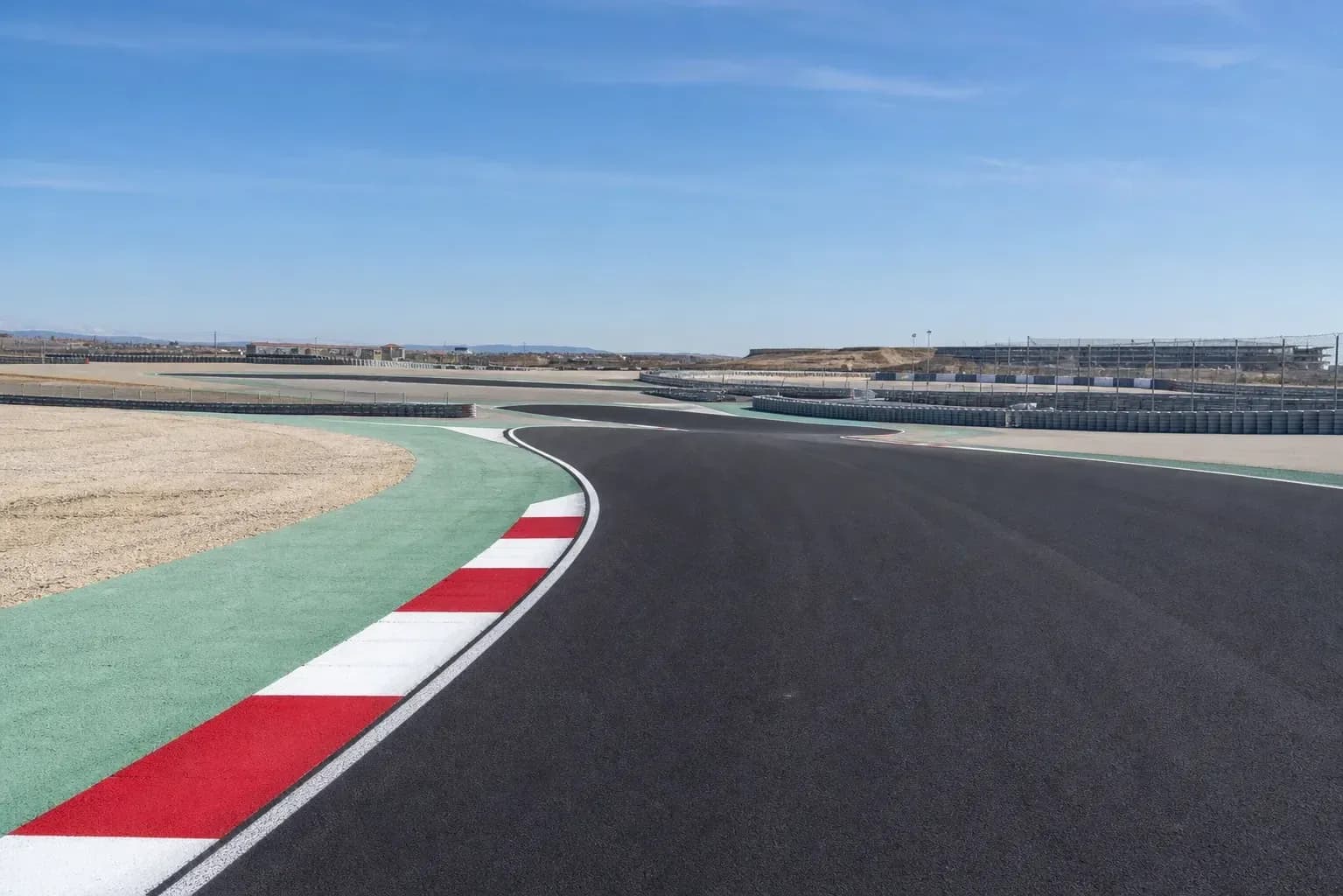
Madring will not be a conventional track. The 22-turn layout stitches together city roads with private land, creating a hybrid design that should feel part Monaco, part modern purpose-built venue.
Some sections will carry the tight, unforgiving feel of a street circuit, with walls looming and little room for error. Other stretches will open out into more traditional racing lines, closer to what teams know from permanent tracks. That blend promises a complex challenge for engineers and drivers trying to unlock performance over a full race distance.
All eyes, though, are already fixed on one corner.
La Monumental: Madrid’s Signature Turn
Turn 12, La Monumental, is set to become Madring’s calling card. It’s a long, banked hairpin with a dramatic 270-degree arc and a maximum banking angle of up to 13.5 degrees.
On paper, it’s slightly less steep than the heavily banked corners at Zandvoort, where the angle reaches 18 degrees. On track, it could be even wilder. Formula 1 cars are expected to take La Monumental at higher speeds, leaning hard into the banking as they sweep around the near-complete circle.
Williams driver Carlos Sainz has already sampled the layout in a Ford Mustang GT. His early verdict was striking: he suggested that F1 machinery might be able to take La Monumental flat out. If that holds true once the lights go out, it could turn the corner into one of the most spectacular high-speed sequences on the calendar.
The real intrigue lies in what comes next. Sainz pointed to an overtaking chance before the tight left-hander that follows La Monumental. The banking could open up multiple lines, allowing drivers to run higher or lower to find clean air while stalking a rival. Those who hug the inside might generate a powerful slipstream effect, echoing the kind of side-by-side racing seen at Zandvoort but at potentially greater speed and with more sustained load through the turn.
If drivers can stay flat, fan out across the banking, then dive into a heavy braking zone, Madring may have engineered exactly what modern F1 craves: a corner complex that looks spectacular and actually promotes racing.
Title Fight Rolls into Madrid
The Spanish Grand Prix at Madring is scheduled for Sunday, September 13, 2026, and it will not arrive as a mere curiosity on the calendar. It will land right in the middle of a fierce title fight.
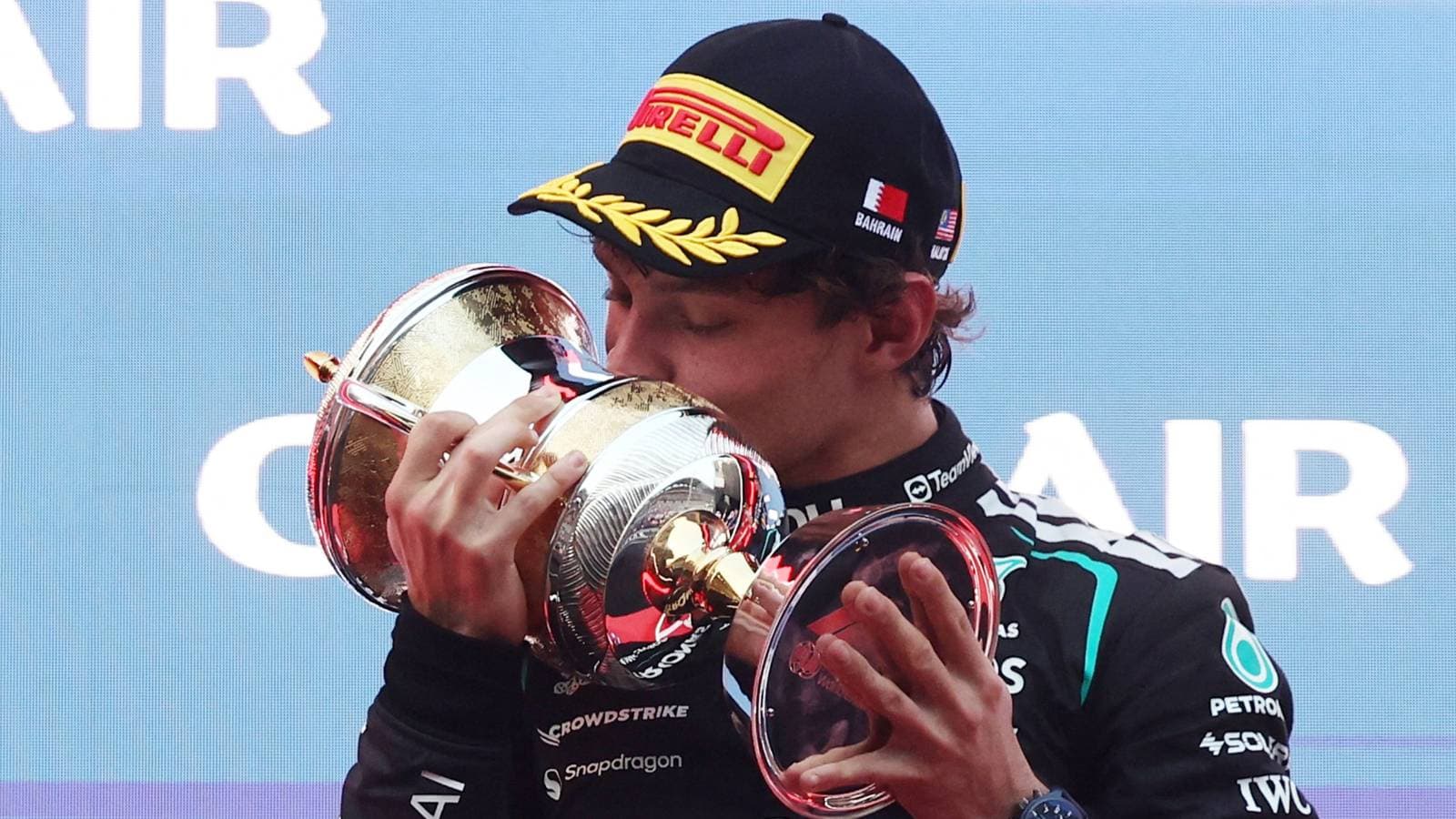
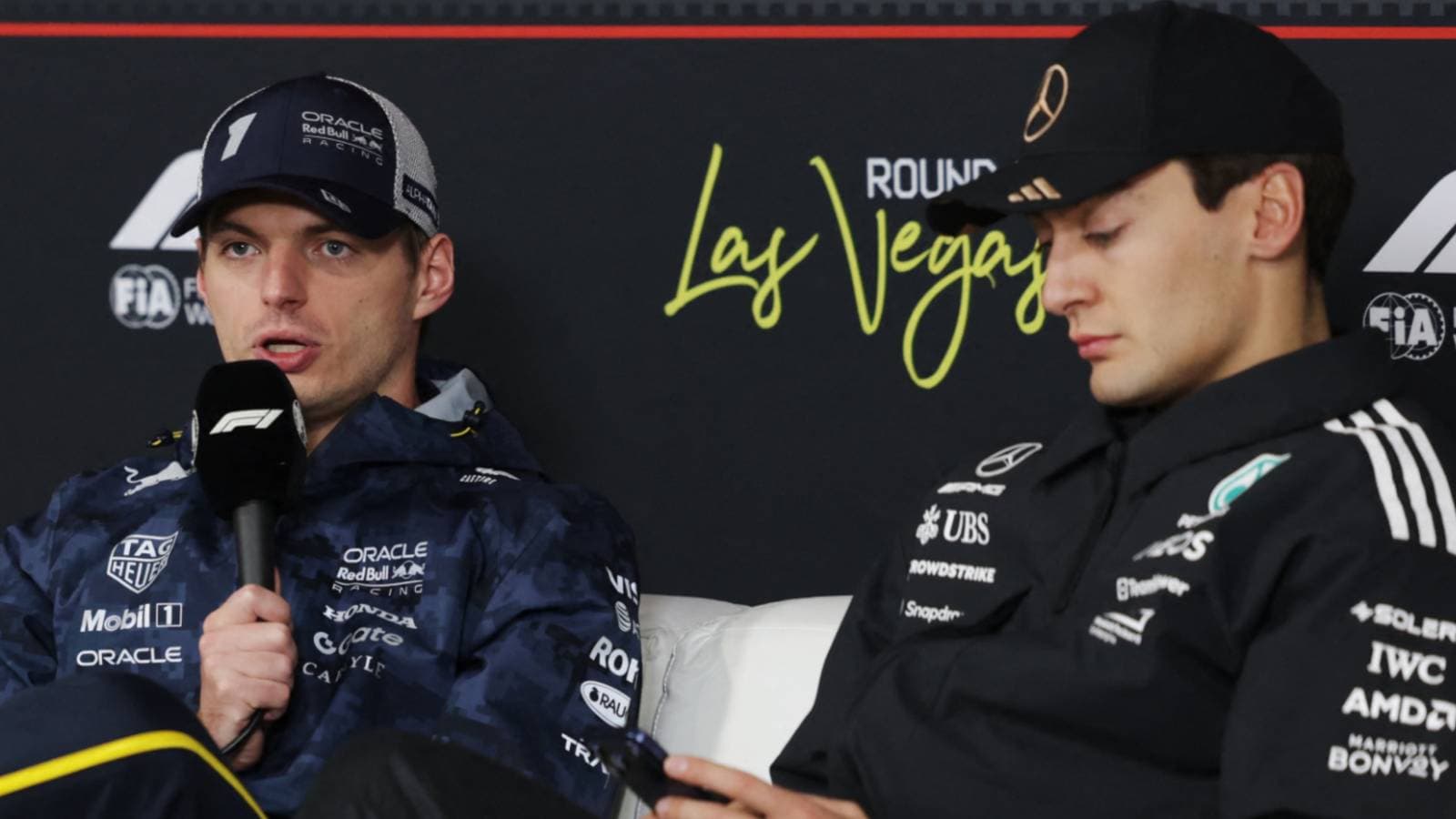
Kimi Antonelli leads the drivers’ standings for Mercedes with 267 points, the young Italian already driving like a seasoned contender. His teammate George Russell sits second on 201 points, giving Mercedes a powerful one-two at the top and the luxury – or headache – of managing an in-house rivalry.
Behind them, Lewis Hamilton continues to anchor Ferrari’s challenge. The seven-time world champion holds third with 191 points, still very much in touch and more than capable of punishing any slip from the silver cars.
In the constructors’ championship, Mercedes hold the high ground with 468 points. Ferrari chase on 346, with McLaren in the hunt on 287. One bad weekend could change the mood. One dominant Sunday could harden the shape of the season.
Now drop that battle into an unknown circuit, with a headline corner that invites risk.
New track. New city. A banking that dares drivers to stay flat. When the grid forms up in Madrid, will La Monumental crown a champion-in-waiting, or blow the title race wide open?