Madrid Welcomes Formula 1 Back With Royal Family
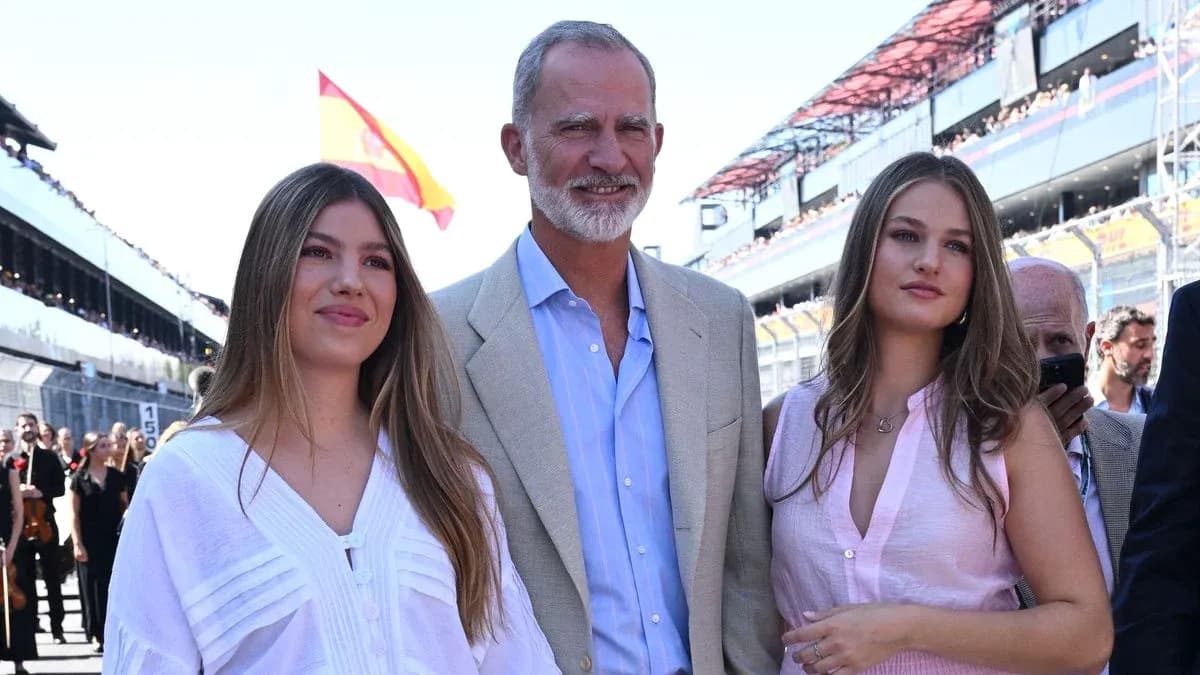
The Spanish Grand Prix came home to Madrid after 45 long years, and the city answered with noise, colour and a new circuit still smelling of fresh tarmac. In the middle of it all, three familiar figures stepped into the paddock and straight into the spotlight: King Felipe, Princess Leonor and Infanta Sofía.
No balcony, no palace protocol. Just the roar of engines and the smell of rubber.
A Different Kind of Royal Engagement
Felipe landed in Madrid from Norway, where he had attended the funeral of King Harald V, and barely paused before heading for one of the season’s marquee events. This time, though, it was not just another official engagement. It was a handover of sorts.
For Leonor, 20, and Sofía, 19, this was a first: their debut at a Formula 1 race in an official capacity. A new circuit, a returning Grand Prix, and a pair of princesses stepping into a world their father has long enjoyed.
The King arrived at the Madring semi-street circuit with his daughters at his side, relaxed and animated, clearly at ease in a setting that suits his long-standing passion for motorsport. Queen Letizia stayed away on this occasion, leaving the cameras to capture a rare, unfiltered look at the dynamic between father and daughters as they navigated the paddock together at the start of the new academic year.
They smiled, talked, pointed out details on the cars and the track. No stiff lines, no forced gestures. Just a family soaking up a landmark day for Spanish sport.
Alonso, Sainz and a Royal Photo Call
The paddock, usually the domain of engineers, mechanics and drivers, briefly turned into a royal reception room. Leonor and Sofía posed with Fernando Alonso and local hero Carlos Sainz, two of the country’s great motorsport standard-bearers.
The images mattered. F1 was back in Madrid after nearly half a century, and the Royal Family’s presence underlined the scale of the moment. Spain’s past and future, on and off the track, converged in a few carefully choreographed steps between garages and hospitality suites.
The occasion carried weight for the sisters. Their public lives have increasingly intertwined with major sporting events, and this was another step into a more visible, institutional role – this time against the backdrop of one of the most watched championships in the world.
Inside the Garage: Up Close With the Safety Car
The visit had its ceremonial touches, but it also had substance. One of the standout moments came when Felipe, Leonor and Sofía were ushered into the garage for a close look at the Formula 1 Safety Car.
Flanked by circuit officials, they examined the Mercedes-AMG safety vehicle, listening as staff explained the technology, performance demands and meticulous preparation behind the car that controls the field when the race descends into chaos. It is not the winning machine, but on any given Sunday it can be the most important car on the track.
The King stayed close to his daughters, leaning in as they were briefed, turning explanations into conversation. The three moved as a unit, the warmth between them obvious as they absorbed the details of a sport they have mostly watched from afar.
Paddock Style With a Royal Finish
The setting may have been industrial – concrete, cables and carbon fibre – but the royal trio brought a polished note to the pit lane.
For her paddock debut, Princess Leonor opted for a fresh, understated look: a sleeveless dusty-pink top with a fitted smocked waist, paired with flowing, high-waisted white wide-leg trousers and a matching clutch. Clean lines, soft tones, nothing overdone.
Sofía went all in on white. A long-sleeved V-neck blouse and wide-leg trousers formed a monochrome base, sharpened by a slim brown leather belt and a coordinating clutch that broke the look just enough to stand out.
Felipe, as ever, leaned into his trademark relaxed formality. A beige jacket over a light-blue open-collar shirt, navy trousers and dark sunglasses gave him the air of a man perfectly at home trackside – tailored, but not stiff, more fan than figurehead for a day.
A Visit Signed Off From the Palace
This was no casual drop-in. The Royal Household had already put its stamp on the day in the build-up, confirming the family’s attendance at the Spanish Grand Prix.
“Don Felipe, accompanied by the Princess of Asturias and Infanta Sofía, will attend the Formula 1 TAG Heuer … on Sunday, September 13, at the new circuit,” read the announcement. A separate statement reinforced the official nature of the outing: “His Majesty the King, accompanied by Their Royal Highnesses the Princess of Asturias and Infanta Doña Sofía, will attend the Spanish Grand Prix.”
Behind the formality lay a simple reality: time is tightening. This is one of the last public appearances for the sisters before they disappear back into their studies. Leonor has begun a Political Science degree at Carlos III University of Madrid, while Sofía is preparing to return to France for her second year of college, this time at Forward College’s Paris campus.
The calendar is filling with exams, lectures and institutional duties. Fitting in a Grand Prix now carries more weight than just a day out.
Madrid Back on the F1 Map
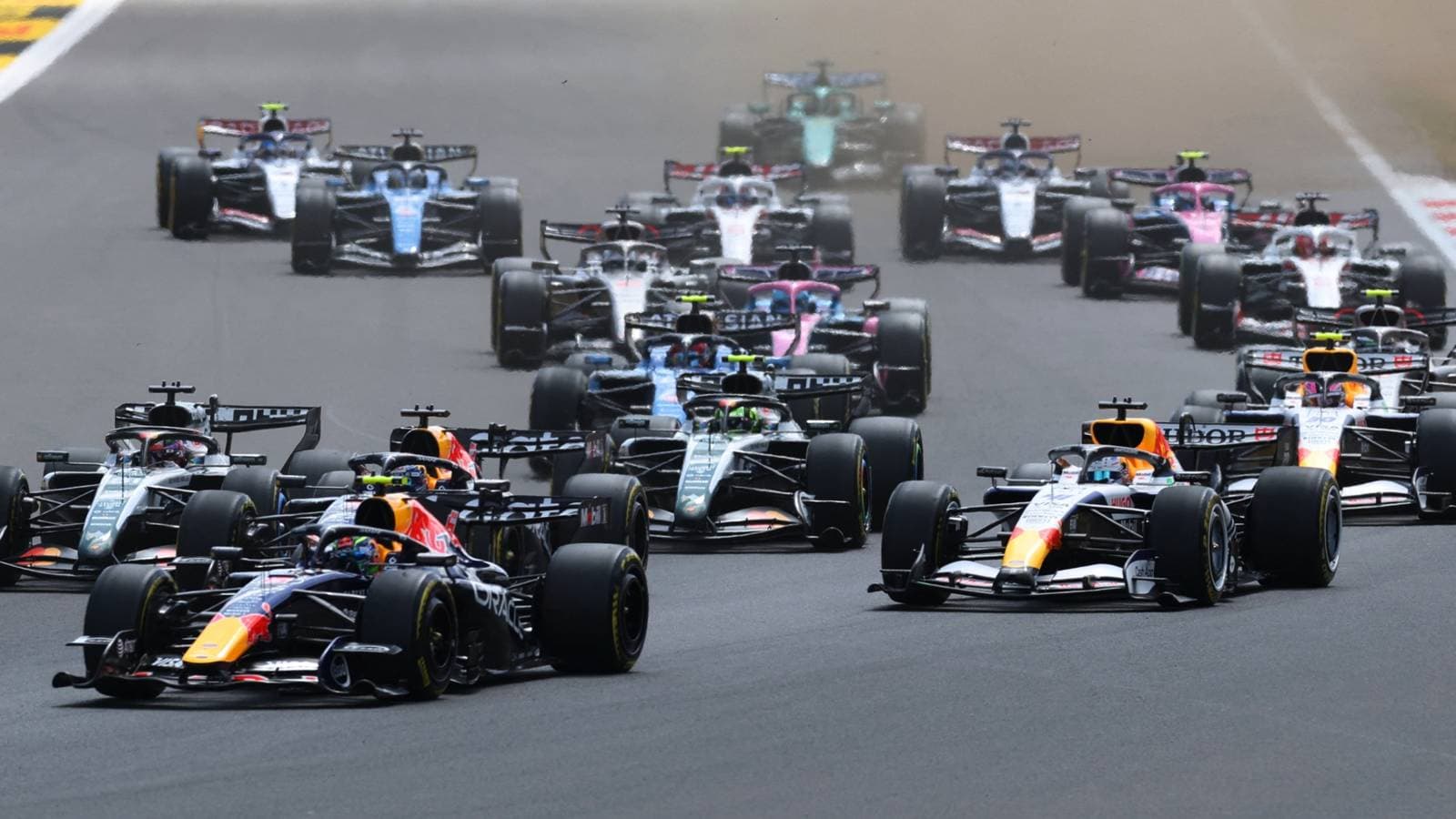
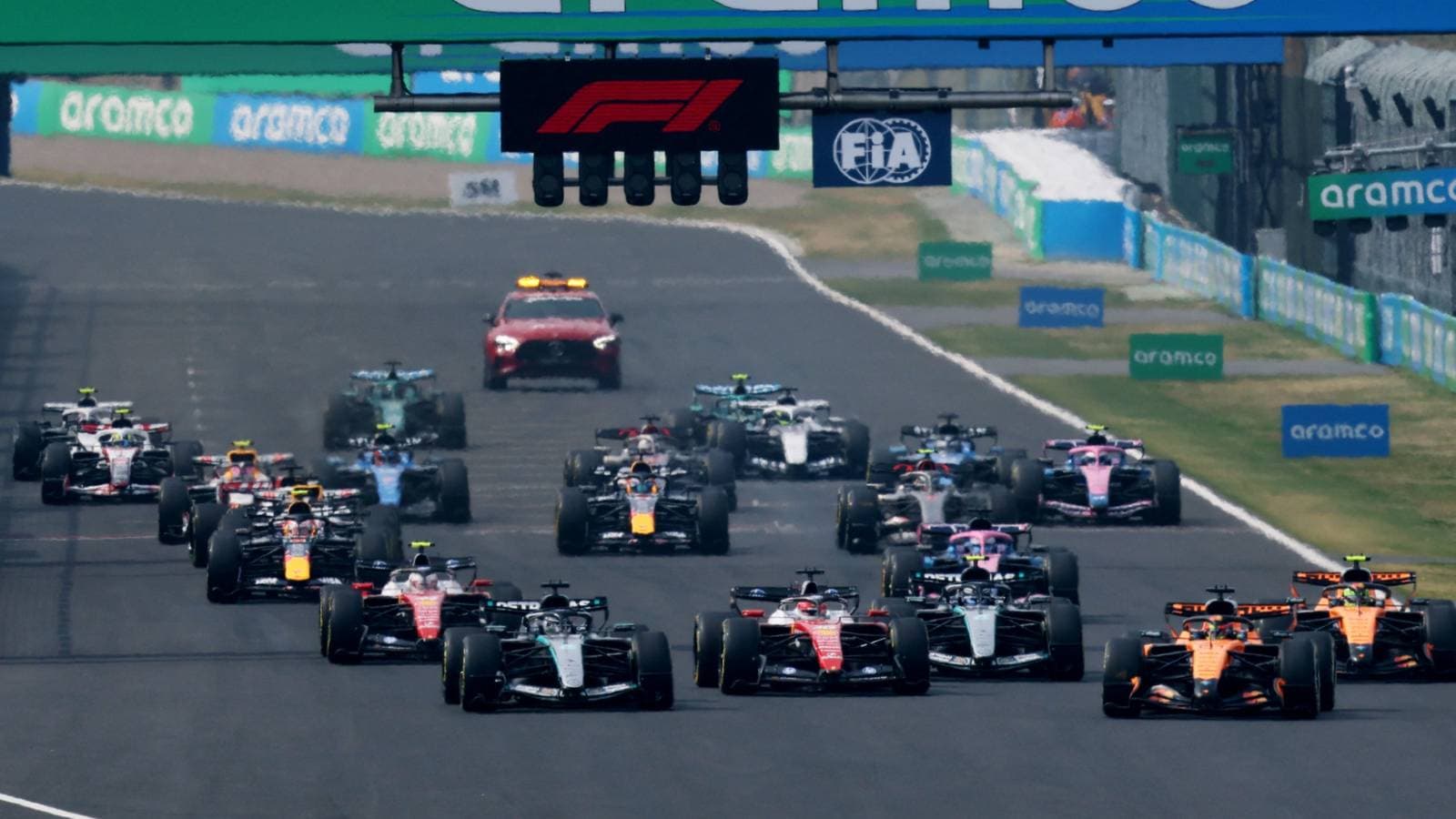
All of this unfolded around a race that marked a major shift for Spanish motorsport. The Madring semi-street circuit, a 5.4-kilometre layout weaving through the capital and featuring the much-discussed “La Monumental” turn, became the new stage for Formula 1 in Madrid.
The city had waited since 1981, when Gilles Villeneuve won at Jarama, for the championship to return. That gap alone explains the buzz. Spanish fans packed the stands, flags for Alonso and Sainz draped over barriers, the noise building long before the lights went out.
Sainz, the Madrid native, arrived at his home race under a cloud after a difficult qualifying session. He did not hide behind excuses. “It was a very bad qualifying session,” he admitted, a blunt assessment that matched the frustration in the stands. The support, though, did not waver. This was Madrid’s race again, and the city intended to enjoy it.
A Sporting Thread Running Through a Royal Life
For Leonor and Sofía, the Madring paddock was not an isolated scene but another chapter in a long, visible relationship with Spanish sport.
They have grown up as regulars at some of the country’s biggest moments. Most recently, they celebrated Spain’s victory in the 2026 World Cup final, joining the team’s festivities and sharing the spotlight with the players. Those spontaneous, emotional appearances have run alongside a growing list of formal duties, from the traditional reception at Marivent Palace to a meeting with Pope Leo XIV at the Royal Palace.
The story stretches back to 2010. Leonor was four, Sofía three, when they tried to lift the World Cup trophy with Iker Casillas at Zarzuela Palace after Spain’s triumph in South Africa. The image of two small girls wrestling with football’s biggest prize became an instant reference point. Two years later, they revisited the scene after Spain’s Euro 2012 win.
As they have grown older, the stage has widened. In 2022, they travelled to Brentford for the Women’s European Championship – their first official trip abroad without their parents – to support Spain. A year later, Sofía stood on the pitch in Sydney, celebrating with the national team after its historic Women’s World Cup victory.
Their presence at the Paris Olympics in 2024 told the same story. They followed Spanish stars such as Rafael Nadal and Carlos Alcaraz from the stands, reacting like any other fans, even as the cameras tracked their every move.
The commitment runs deeper than ceremonial applause. During the 2026 Princess of Girona Awards, organisers brought the event forward so the entire Royal Family could watch Spain’s crucial World Cup match ahead of the final. The schedule bent around the team, not the other way round.
From Stadiums to Street Circuits
From football stadiums and Olympic arenas to the tight confines of a Formula 1 paddock, Leonor and Sofía have become fixtures at Spain’s defining sporting occasions. It is a passion that clearly mirrors their father’s.
Felipe has kept his own motorsport diary busy, attending the Formula E race at Jarama in March. On this Sunday in Madrid, he took that enthusiasm a step further, walking his daughters through a new chapter of Spanish racing history at Madring.
The engines will fall silent, the grandstands will empty, and attention will drift back to universities and official engagements. Yet the image will linger: a king and his daughters, framed by garages and grandstands, watching Spain reclaim its place on the Formula 1 map and hinting at the kind of sporting stage the next generation of royals intends to share.