Madrid F1 Debut: A Spectacle Without Racing
The Madring arrived with noise, neon and no shortage of hype. A new city, a new layout, a blank sheet of tarmac for Formula 1 to draw something spectacular on.
Instead, it drew a procession.
The first Madrid Grand Prix of the modern era looked the part on television and on a qualifying lap. But as a Sunday spectacle, it exposed a familiar and exasperating problem: F1 keeps signing off circuits that are barely fit for racing.
A track built for hot laps, not hard racing
On one lap, the Madring works. Drivers loved the challenge. The high-speed sweeps, the commitment-heavy sections, the rhythm. As a qualifying test, it’s a hit.
That’s precisely the issue.
The layout has been sculpted around extracting the maximum from the drivers, not from the race. Long sequences of corners, not enough genuine braking zones, and a street circuit that somehow manages to be narrow in all the wrong places.
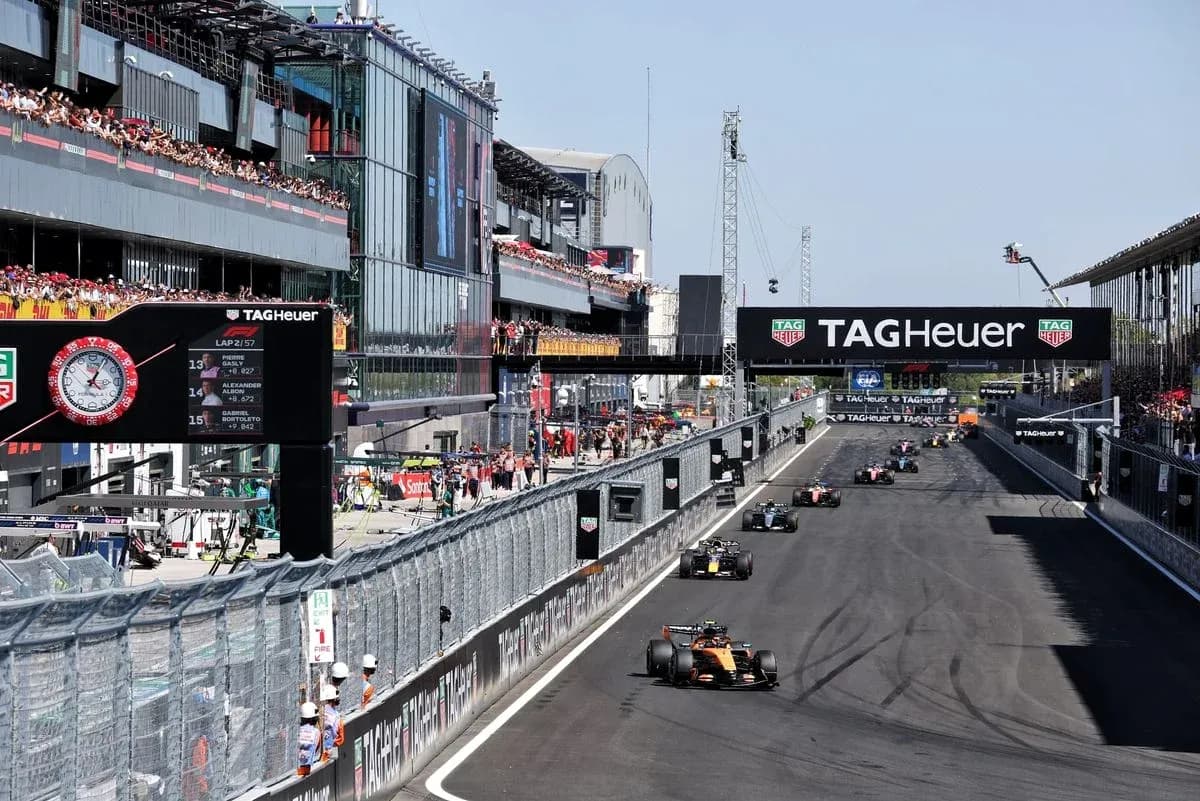
You can build the perfect event around it – packed grandstands, a buzzing city backdrop, slick transport, big-time presentation – but if cars can’t pass each other, the core product falls flat. That’s what happened in Madrid. And the worrying part? Everyone could see it coming as soon as the track map was released.
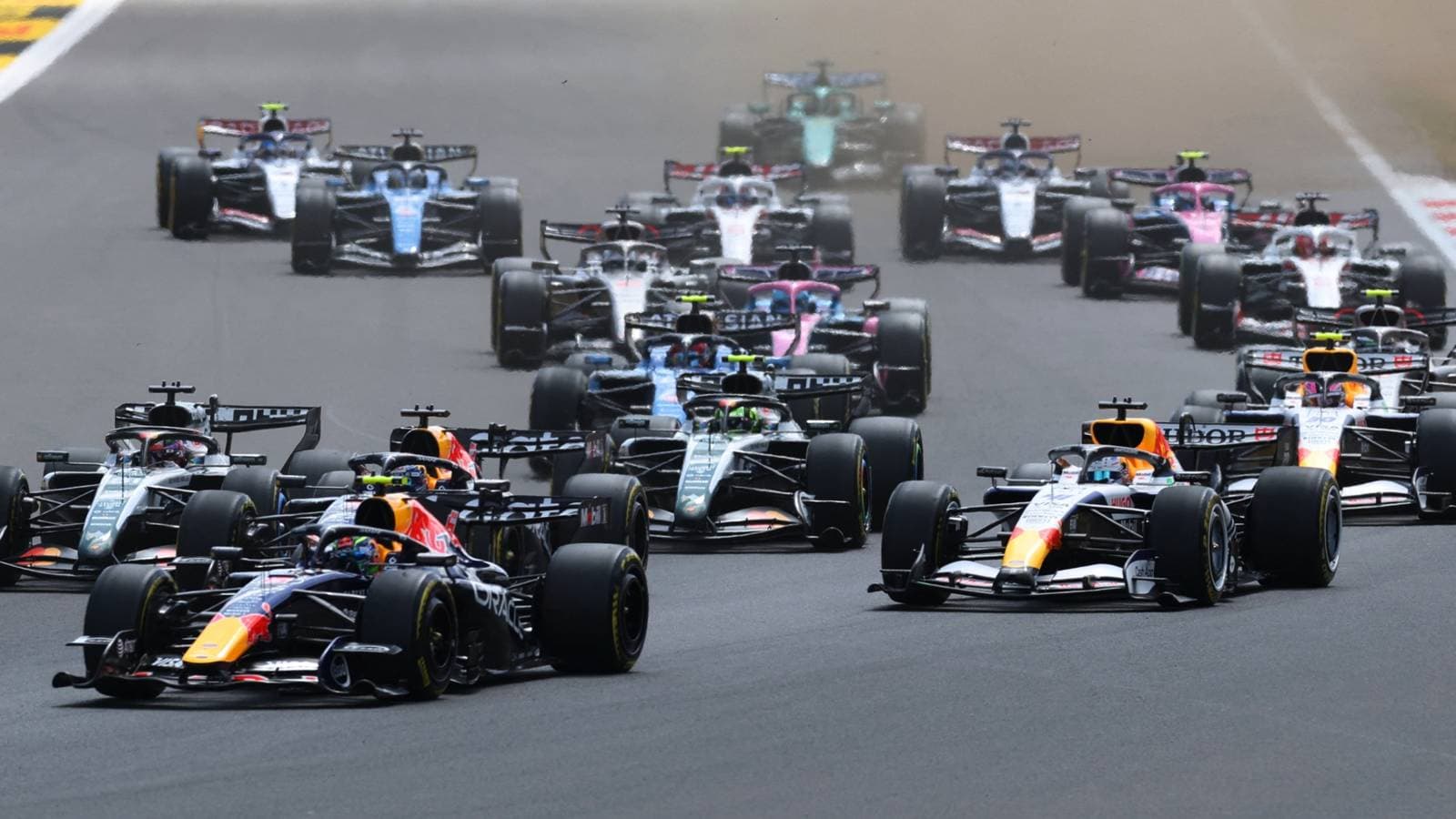
The Madring was meant to be an F1-first project. This wasn’t a case of squeezing a race onto pre-existing roads just for the postcard views. Yet the design still produced a layout where meaningful overtakes were a rarity and the field too often ran in formation.
The latest chapter in a familiar story
This isn’t a one-off misstep. It’s a pattern.
Once again, a new addition to the calendar has landed with all the fanfare and almost none of the wheel-to-wheel substance. To consistently create circuits where overtaking is so difficult is, in its own way, quite an achievement.
From the cockpit, Madrid looked fun. It wasn’t the crash-strewn mess some feared. But when incidents did happen, they exposed another weakness: the time it takes to get going again.
Ollie Bearman’s FP3 accident underlined how long barrier repairs can drag on. The car was removed quickly enough; the Tecpro wasn’t. Watching a couple of marshals wrestling with equipment designed to absorb the impact of a 900kg F1 car at speed was almost farcical. The sport demands precision and efficiency everywhere else. On this front, it looked anything but.
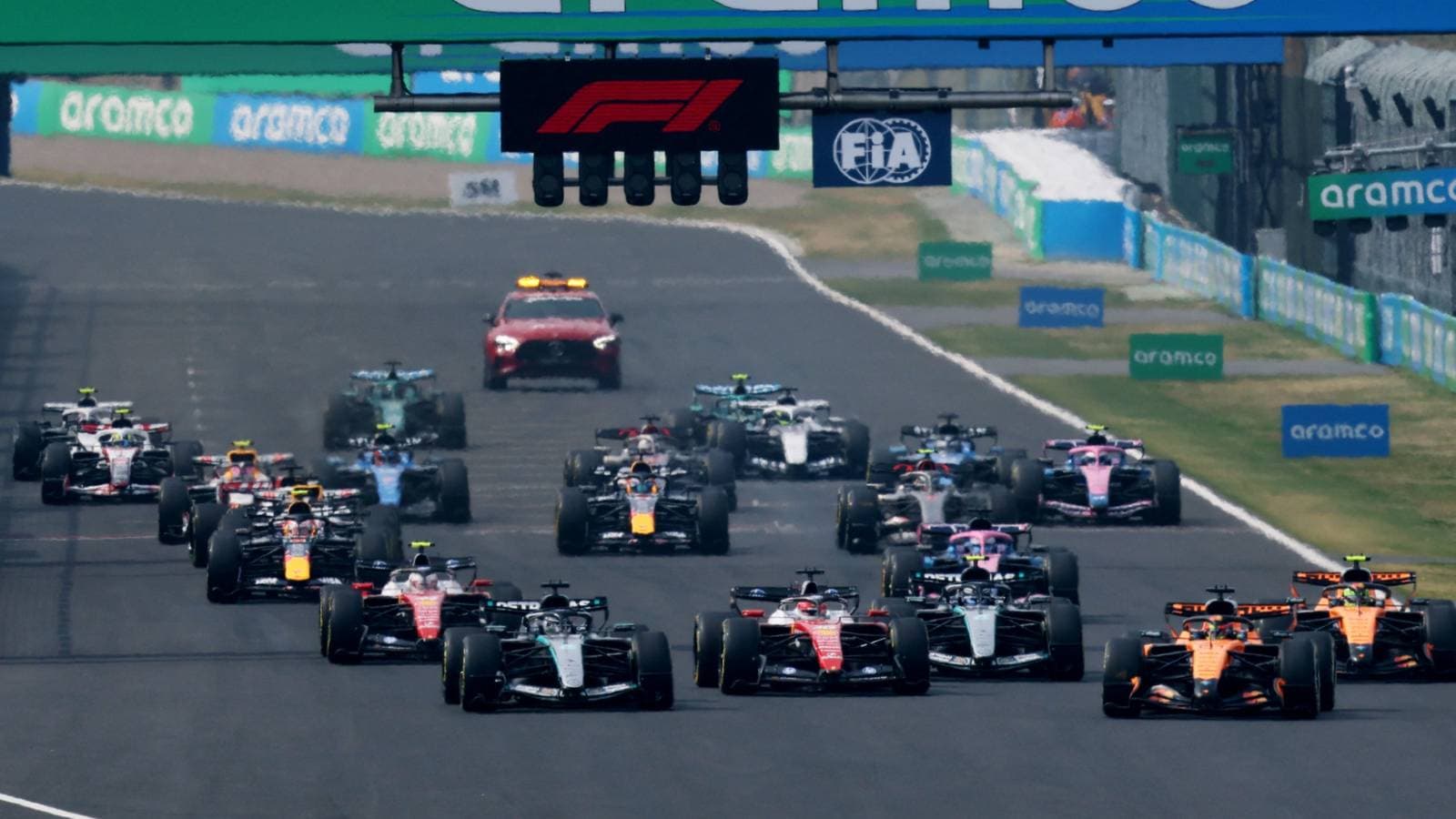
Then came the race, and with it the lottery that modern VSC and safety car deployments often create. Lando Norris had the pace to win. The field knew it, he knew it. Yet his race was tipped on its head when Lance Stroll’s off triggered a Virtual Safety Car that swung the afternoon away from the fastest car on track.
That’s not new, and it’s not unique to Madrid. But it sharpened the sense that results are too easily bent by timing quirks the rulemakers could tidy up if they truly wanted to.
A few walls away from being “mint”
The frustration with the Madring is not that it’s hopeless. It’s that it’s close.
A few moved walls. A couple of reprofiled corners. Some cleaner, straighter braking zones that invite drivers to throw one down the inside without juggling steering and pedal modulation at the same time. The ingredients are there.
Street circuits are never easy to make wide, but this one feels constrained where it should breathe and open where it doesn’t matter. The result is a track that teases a classic without ever delivering one.
Comparisons with Macau were inevitable. Macau is legendary, iconic, and notoriously hard to pass on outside its long blasts from Fishermen’s to R, and R to Lisboa. But that’s a circuit hemmed in by real streets and history. Madrid had more freedom to get this right. That’s why it feels like such a missed chance.
When variety becomes stagnation
There’s a place on a 24-race calendar for tracks where overtakes are rare and races hinge on strategy or flashes of genius. Not every circuit has to be a DRS-fest. A bit of variety keeps the season alive.
Madrid, as an event, delivered plenty. Reports from on the ground painted a picture of a vibrant weekend. Onboards showed a layout that, at speed and in isolation, looked spectacular.
The problem is what happened when you put 20 cars on it.
A McLaren as quick as Norris’s should have been able to slice back through the field after its delay. It barely had a chance. Charles Leclerc, running an unconventional no-stop approach for far too long, still managed to hang on in front when logic and pace said he should have been a sitting duck. Too many drivers found themselves locked in traffic with no realistic way out. Strategy intrigue withers when the cars can’t actually race.
Tyre choice might help. A more aggressive compound selection could force more stops, bigger pace offsets, and mistakes. That’s one possible lever to pull before concrete and barriers are moved.
But the core truth remains: the Madring, as it stands, doesn’t race well enough for F1.
A glittering stage, a flat show
Madrid’s debut underlined how hard it is to create a new classic from scratch. The city played its part. The spectacle on a single lap worked. The branding, the buzz, the sense of a big occasion – all there.
The race wasn’t.
Too flat. Too static. Too controlled. For long stretches it felt like a queue, not a contest. Even those inclined to defend street circuits, to embrace their quirks and limitations, found themselves watching the laps tick by with little to grab onto.
That’s the sting. This is not a lost cause. It’s a project on the edge of being something special, held back by design choices that can be changed.
The question now isn’t whether Madrid deserves a place on the calendar. It’s whether F1 and its circuit designers are finally willing to put the racing first, and turn a showpiece backdrop into a track where the best cars and drivers can actually fight.