.svg&w=384&q=75 "logo")
Liverpool's Transfer Chaos: A Club in Crisis
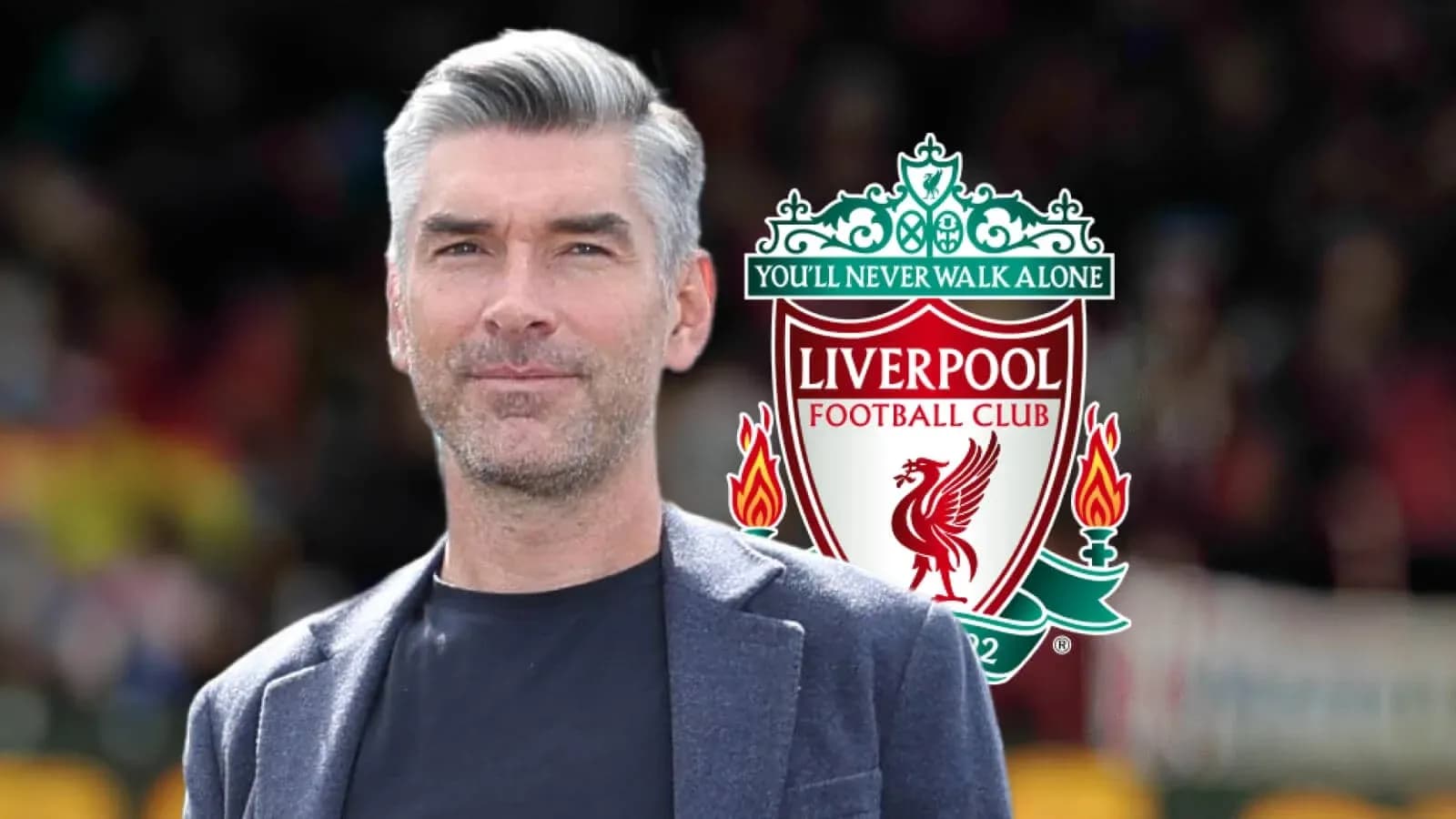
Liverpool’s transfer chaos has turned a title-winner into a club looking over its shoulder. And the fingers are being pointed squarely at Richard Hughes and the recruitment team.
This time last year, Liverpool behaved like a modern superclub. Premier League champions, swagger in their stride, they tore into the market with the kind of intent that makes rivals nervous and supporters giddy.
Florian Wirtz and Jeremie Frimpong arrived as Bundesliga winners, the sort of elite, upwardly mobile signings that scream “project” and “dynasty” in the same breath. Hugo Ekitike was a pointed swipe at Newcastle, a statement that Liverpool could still bully the nouveau riche. Then came Alexander Isak, at that moment arguably the most complete centre-forward in the league. It felt like overkill. It felt like dominance.
Rival fans talked about the title race in the past tense before a ball was kicked. Liverpool were supposed to stroll it.
Reality, of course, had other plans.
The season that followed did not match the transfer-market theatre. The squad looked heavy in some areas, light in others. The vision on paper never fully translated to the pitch. Still, the logic was clear: Liverpool were acting like a club determined to stay on the summit.
This summer, the logic has evaporated.
From statement signings to scattergun sales
Fast forward to now and the same committee that once spent aggressively with purpose has veered wildly in the opposite direction. Players have been moved on with a speed and freedom that bears little resemblance to any coherent succession plan.
Even Stefan Bajcetic has gone. A homegrown, high-ceiling midfielder who looked tailor‑made for the next Liverpool cycle is out the door. Behind the starting three in midfield, the depth chart looks like a half-finished sketch. The question is simple and damning: who actually plays there when the injuries and suspensions arrive?
Then there is the Salah problem. Or rather, the Salah non‑solution.
Liverpool knew for months that a generational right-sided forward was heading for the exit. Six months at least to map the market, test the waters, line up a replacement for one of the most decisive players in Premier League history. And yet, as the season kicks off, they are lurching between targets like a club that only just checked its calendar.
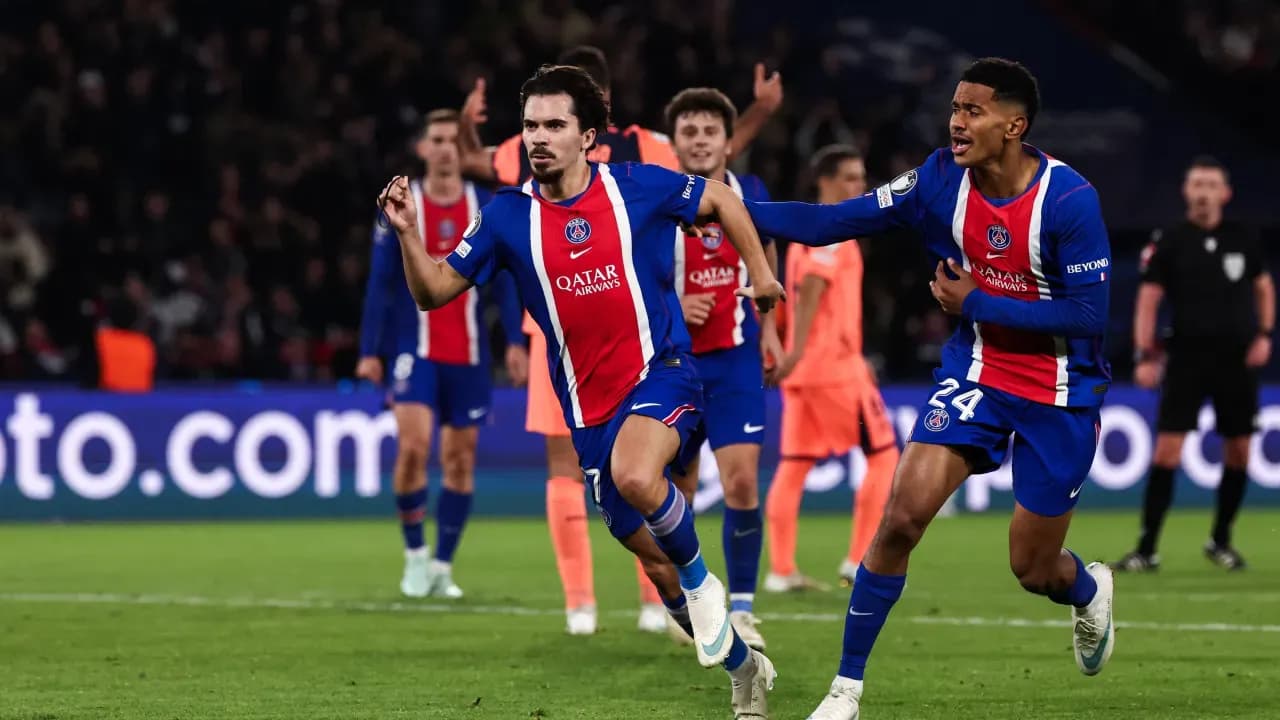
Bradley Barcola. Yankuba Minteh. Ismaïla Sarr. Names floated, chased, discussed for what feels like an eternity, with little to show for it beyond frustration. Supporters talk about Liverpool and PSG executives locked in endless Paris hotel “discussions” over Barcola, four months of talks with no breakthrough and no Plan B that inspires confidence.
All the while, the squad’s most obvious fault line remains untouched.
The missing spine
Everyone can see the hole in this team. That is what infuriates supporters most.
Ex‑players say it on television. Pundits repeat it. The captain has hinted at it. Even those who only build squads on eFootball or FC see the same picture: Liverpool need a holding midfielder and two wingers. At least.
The system demands a proper shield in front of the centre-backs. The full-backs attack like wingers and defend like converted forwards. The back two are often left staring down counters with minimal protection. That vulnerability screamed through in the defeat to a vibrant Newcastle side, a game that felt less like a one-off and more like a continuation of last season’s defensive chaos.
And yet, no specialist defensive midfielder. No Salah heir. No clear plan to protect a defence that already has supporters watching through their fingers every time someone runs at either full-back.
The contrast with the rest of the elite is stark. Arsenal refine. Manchester City reload. Chelsea, Spurs, Aston Villa all look like clubs with a joined‑up idea of where they’re going, even if not every signing will land. Liverpool, by comparison, look stranded, standing still with their “proverbials” in their hands while the window ticks away.
Hughes under fire, expectations reset
In any other industry, fans argue, a recruitment chief on this kind of salary who missed such basic structural needs would be out of a job. That is the mood around Richard Hughes and his team. The anger is not just about individual deals; it is about a perceived dereliction of the fundamentals.
The same committee that once drew praise for shrewd, under-the-radar moves is now being begged to go back to that model. Victor Muñoz is held up as the template: sensible fee, low pressure, clear upside. A signing that fits Liverpool’s historic sweet spot rather than the boom-and-bust, headline-chasing chaos of the last two summers.
Instead, the club has stumbled into the final days of the window looking like “headless chickens”. There is no sense of a masterplan, only a hope that three or four “really good players” might somehow drop into the right positions on deadline day and rescue a squad that was supposed to be fine‑tuned, not rebuilt on the fly.
Supporters are adjusting accordingly. Some are openly stripping away their own expectations. They are preparing to watch games without the usual fury, promising not to turn on the manager when teams slice through an exposed midfield. Even Jürgen Klopp, once bellowed at through televisions across the globe, is now being spared in the post‑Klopp era as fans turn their ire on the boardroom instead.
The new head coach, Andoni Iraola, is caught in the middle of it all. Either he produces something extraordinary, blending this imbalanced group into a side capable of punching with Pep Guardiola, Sir Alex Ferguson and Klopp’s best in spirit if not in name, or Liverpool slide into a long, Spurs‑like drift or a late‑era Wenger Arsenal existence: good, occasionally brilliant, but rarely decisive when it matters most.
A club at a crossroads
This is what makes the current window feel so significant. It is not just about missing out on one winger or one midfielder. It is about the direction of a club that only recently “strolled” to the league title and is now genuinely worried about qualifying for the Champions League.
The anger in the stands and in the inboxes is not performative. It is rooted in a simple, uncomfortable truth: Liverpool have seen what elite, aligned recruitment looks like. They have lived it. They know what it feels like when the club moves as one, from the dugout to the data department.
Right now, it feels nothing like that.
The season has already started. The gaps are obvious. The clock is ticking. Either Liverpool’s hierarchy salvage something coherent from this chaos in the final days of the window, or they discover just how quickly a champion can start to look like a club stuck in someone else’s rear-view mirror.