Liam Lawson Achieves Career-Best Finish in Madrid Grand Prix
Liam Lawson wrings out career-best Red Bull finish in Madrid as Antonelli cashes in on Norris misfortune
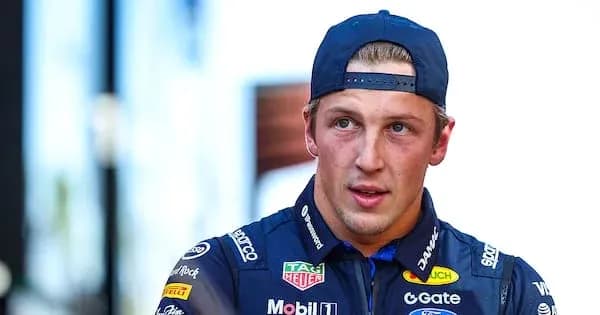
The new Madring circuit delivered on its reputation: narrow, technical, and brutally unforgiving for anyone out of position. Liam Lawson walked away from it with his best result yet in Red Bull colours – and the feeling he’d had to fight the track as much as the field.
The 24‑year‑old New Zealander converted eighth on the grid into sixth at the Spanish Grand Prix, matching his result from Silverstone but, crucially, doing it this time in a works Red Bull. Eight more points in the bag, ninth in the standings on 59, and another quiet step forward in a season where every weekend is an audition.
“From where we started, it was an okay race,” Lawson said, summing up an afternoon that was more grind than glory. “It was just super hard to overtake.”
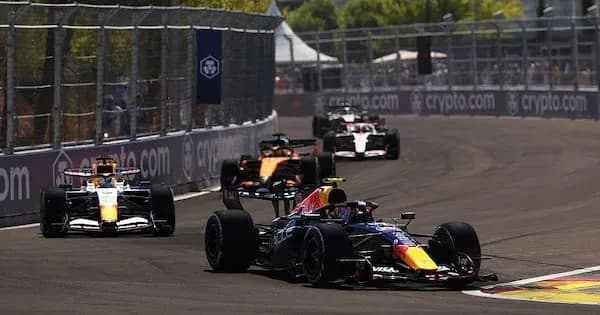
That was the story of Madrid. The new layout offered intrigue, not many passing zones. Red Bull rolled the dice, putting Lawson on an alternate strategy with the hard tyre. It never quite opened the race up for him.
“We went for an alternate strategy on the hard, but I think the VSC didn’t help,” he admitted. “I was honestly on my own a little bit. I think it would’ve been nice to qualify higher, but from where we started it was an okay race.”
The virtual safety car he mentioned shaped the entire grand prix. It didn’t hurt everyone.
Antonelli pounces as Norris pays the price
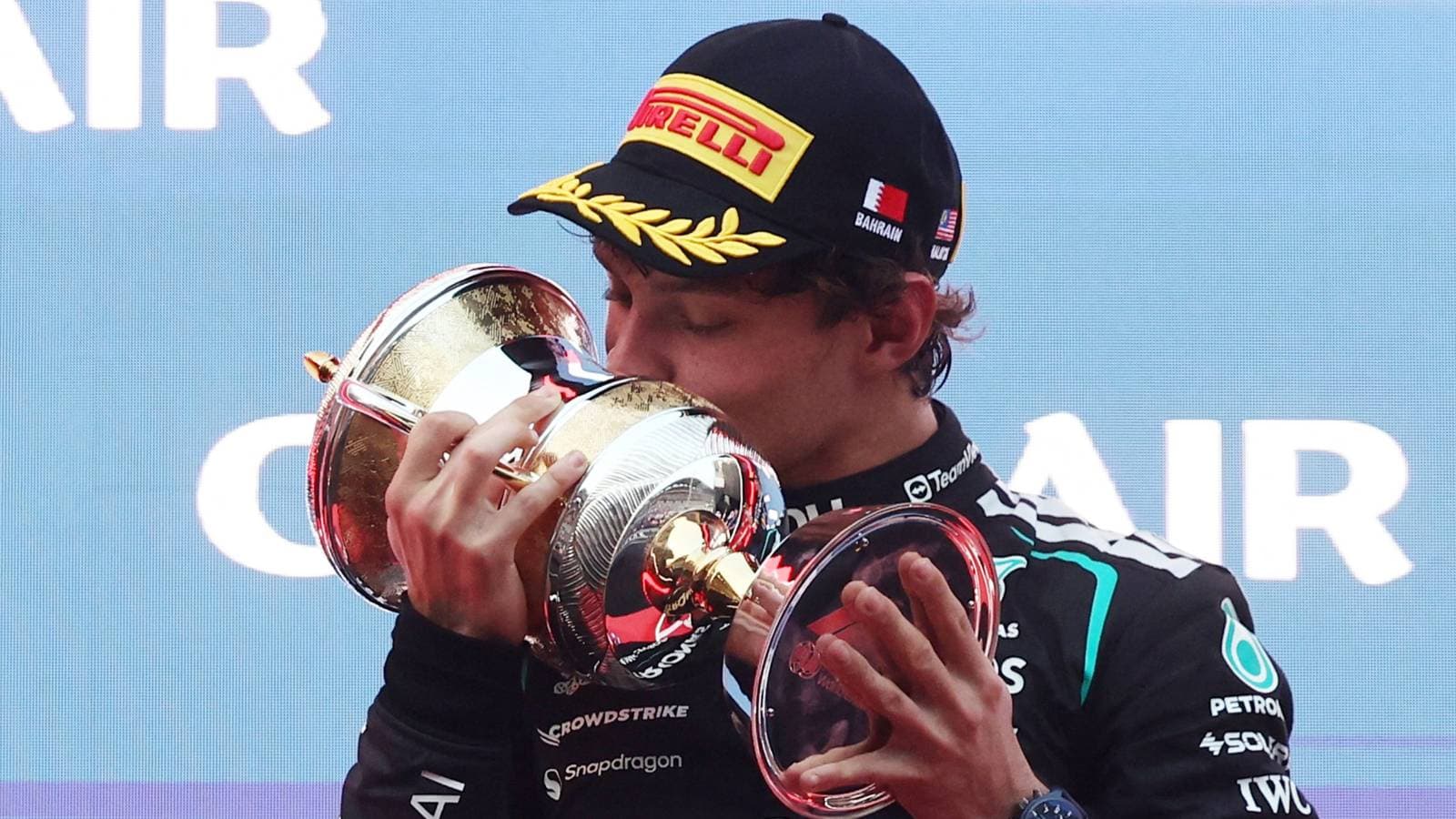
At the front, Kimi Antonelli turned a slice of fortune into a statement win. The young Mercedes driver, already riding the momentum of a come‑from‑behind victory at Monza the previous weekend, made it back‑to‑back triumphs and stretched his championship lead.
It was harsh on Lando Norris.
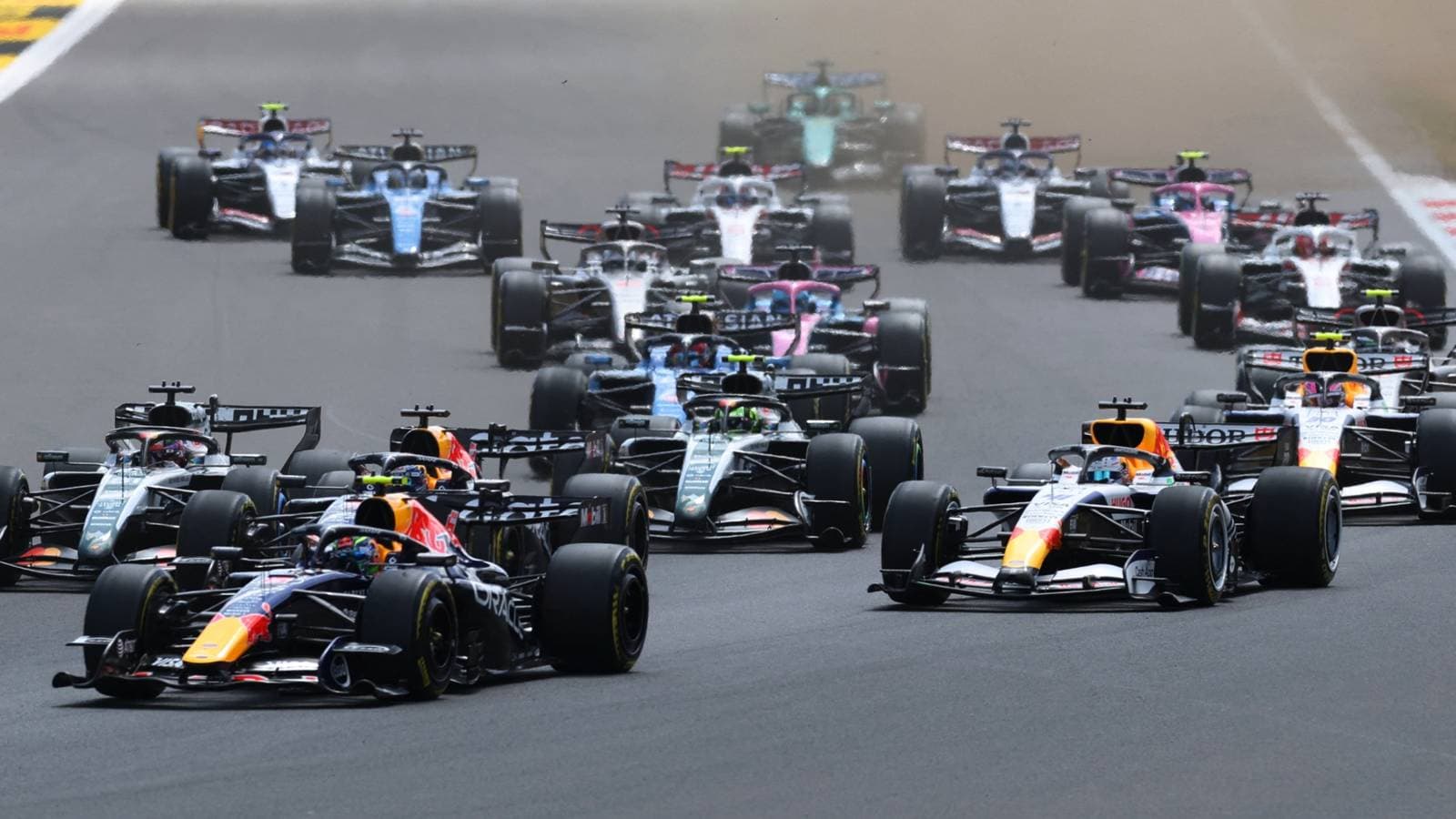
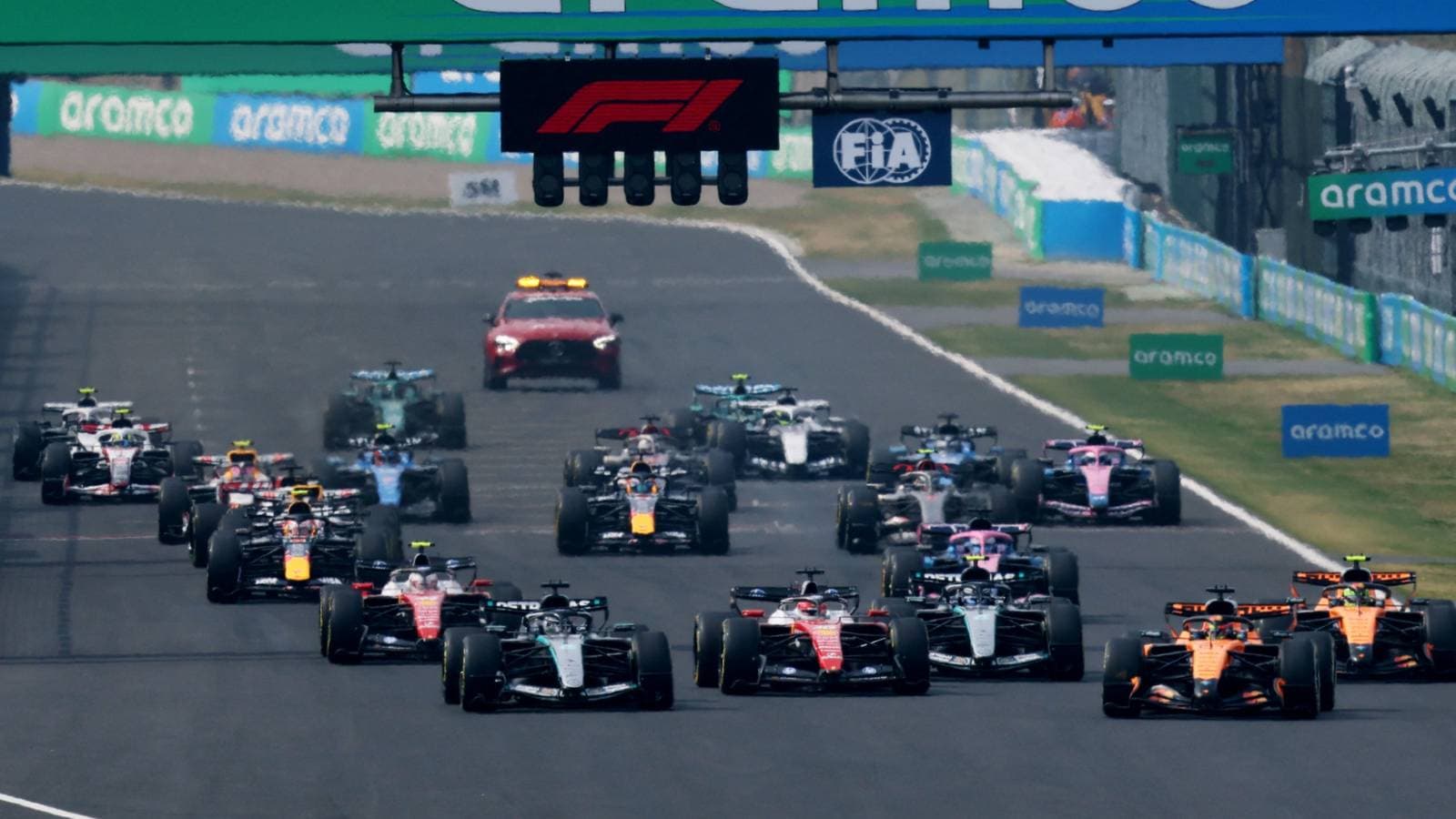
The McLaren man had done the hard part, converting pole into control of the race on a circuit where track position mattered more than raw pace. Antonelli attacked into Turn 1 at the start, dived down the inside, cut the corner to avoid contact, and had to hand the place back. Norris survived that scare, reset, and looked in charge.
Then came Lap 15.
Lance Stroll’s Aston Martin rolled to a halt with a brake problem. The virtual safety car was deployed. The pit window blew wide open – for almost everyone.
Norris had already sailed past the pit entry. Antonelli hadn’t. Mercedes called him in, and the Italian stopped under the VSC and emerged ahead on the road. It was the kind of split‑second swing that decides seasons.
“Lucky for the virtual safety car, feel a bit bad for Lando,” Antonelli said on the radio. “Really strong race, strong weekend, let’s keep pushing.”
Norris had to wait a lap, by which time the VSC had ended. He lost time on track, then lost more in the pit lane with a problem on the right‑front wheel. Fifth place when he rejoined. The air had gone out of what had looked like a winning afternoon.
“It’s good to win, but it doesn’t feel as good because I think Lando today deserved to win,” Antonelli conceded later. “But overall, you know, we’ll take it.”
They all will at Mercedes. This was Antonelli’s eighth win of the season, a haul that has carried him 81 points clear of teammate George Russell with nine races to go. Russell brought his car home in fifth, another solid score on a day the title leader again did the damage.
Norris salvaged third behind Max Verstappen’s Red Bull and called himself “insanely unlucky” with the timing.
“I was the only one who didn’t get a chance to do the pit stop there. Of course I feel like I deserved more,” he said. “There was nothing I could do. Congrats to Kimi and Max, they drove a good race today. Just luck not on our side. Rough race, one that just got away from us.”
Leclerc’s gamble fades, Hamilton’s misery deepens
For a long stretch, it looked like Charles Leclerc might steal the race from both of them. Ferrari kept him out under the VSC, flipping his strategy and putting him into the lead. On a track with limited overtaking, it was a bold play.
It couldn’t last.
With the hard tyres holding up better than expected, the front-runners were able to commit to single-stop races. Leclerc still owed the race a tyre change. When he finally pitted late, the inevitable happened: he dropped back to fourth, off the podium, another afternoon of promise that never quite crystallised.
On the other side of the Ferrari garage, Lewis Hamilton’s weekend collapsed almost before it began. Seven laps. That was all he managed before brake problems forced him to retire, a week after he had already struggled at Monza and finished only sixth following an early clash with Leclerc.
For a seven-time world champion, it is becoming a bruising run.
Verstappen, meanwhile, did his damage early and often, even if he too had to give a place back. After gaining an advantage off-track in a scrap with Hamilton shortly after the start, he was told to hand the position over, then simply went back to work and climbed to second by the flag. No fireworks, just ruthless efficiency.
Spanish heartbreak at home
The home crowd came for Fernando Alonso and Carlos Sainz. They left with a headache.
Both Spaniards started from the back and collided with each other almost immediately, a messy tangle in an already frantic opening phase.
“He squeezed me into the wall,” Alonso fumed. “(At) the start, he crashed into two people, now he squeezed me into the wall on braking.”
Sainz had already been in contact with other cars as he tried to muscle his way forward at his home race. Stewards handed him a five‑second penalty for the incident with Alonso, and his day ended early with a car issue. For the local heroes, the Madring debut will be one to erase.
Spanish King Felipe VI watched on in the capital as the grand prix returned to the Madrid region for the first time since Jarama hosted the race in 1981. Organisers expected close to 350,000 spectators across the weekend, a huge number for a new venue that has already split opinion.
Hours before lights out, a few hundred residents from northern Madrid neighbourhoods gathered in protest. Dressed in bright yellow T‑shirts and holding signs reading “Stop Formula 1 in Madrid,” they railed against the noise, the road closures, and the environmental impact of a race contracted for the next decade. Inside the fences, the support was loud and loyal; outside, the argument over F1’s place in the city has only just begun.
Lawson, at least, left with clarity. Sixth place, eight more points, another steady climb in a season that now takes him and the rest of the grid to Baku, where the walls are closer, the margins thinner, and the stakes for drivers on the rise even higher.