Lewis Hamilton and the High-Stakes Watch Handoff
When the chequered flag falls on Lewis Hamilton, the real race doesn’t quite stop. It just changes shape.
In the cramped, chaotic strip of tarmac that is parc fermé, as mechanics swarm and cameras hunt for angles, a different operation is already in motion. Somewhere between the Ferrari garage and the TV pen, a £1.2 million watch has to find its way onto Hamilton’s wrist. No fanfare. No armored case. No second chances.
A high‑stakes handoff in seconds
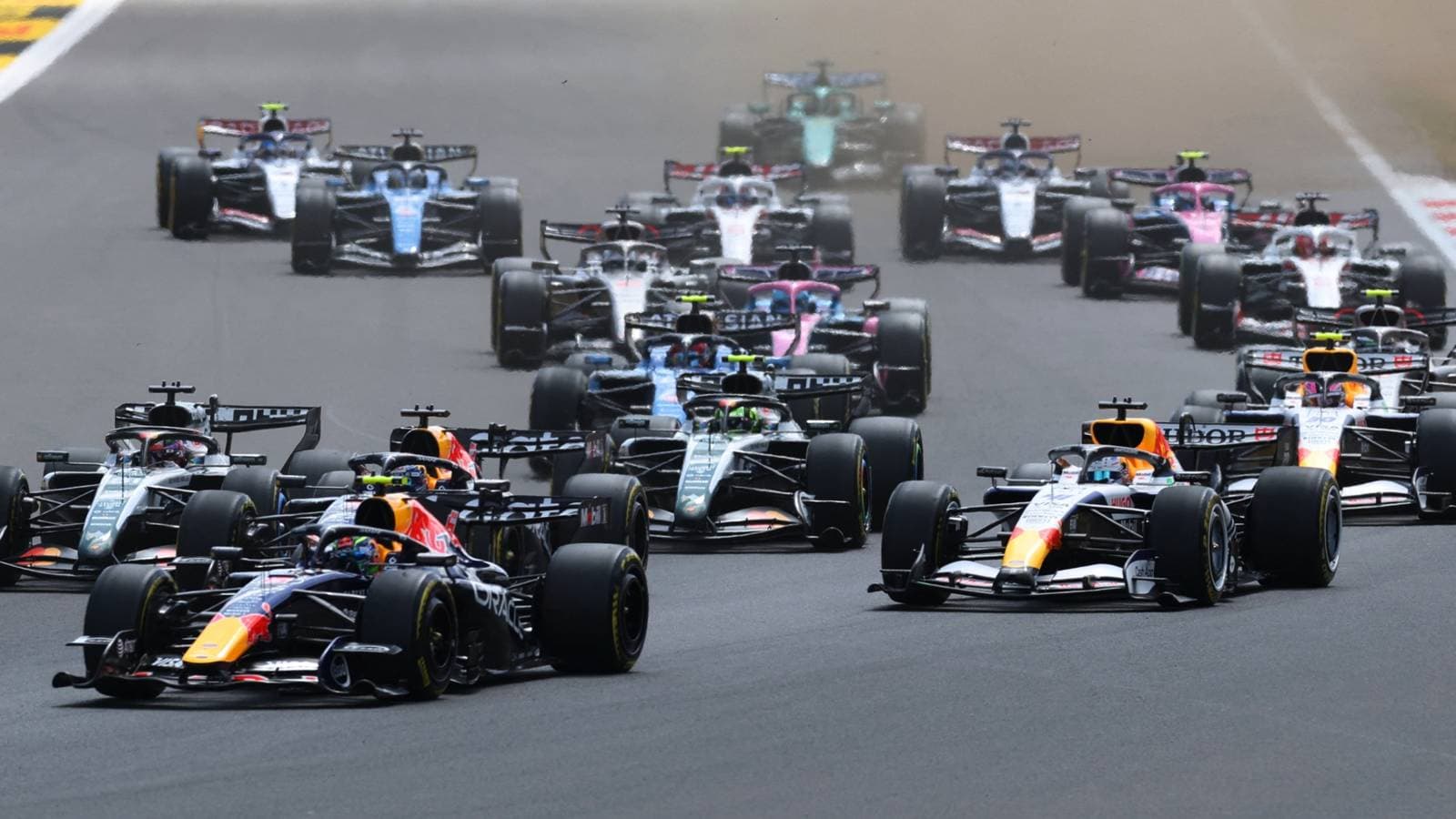
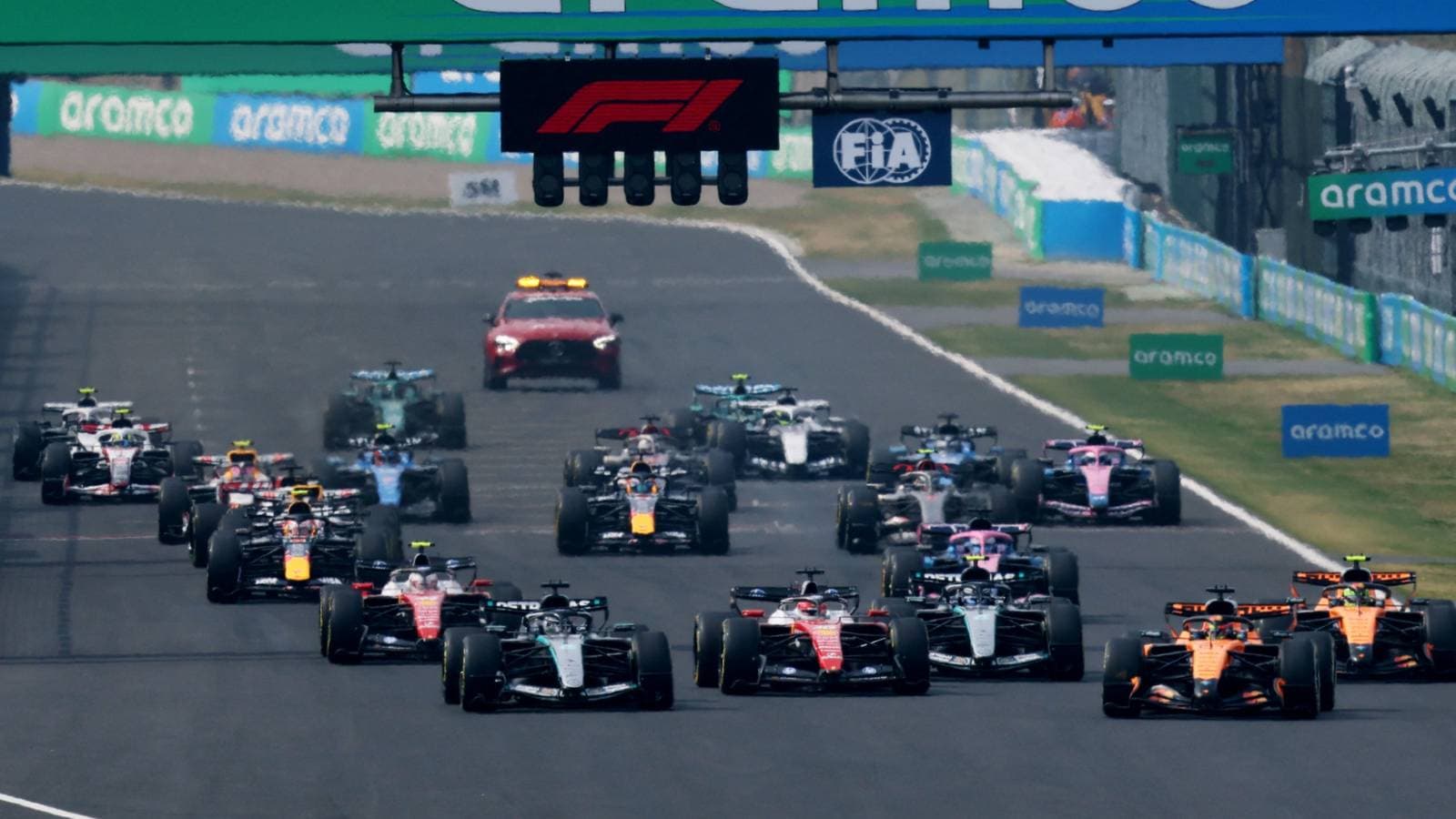
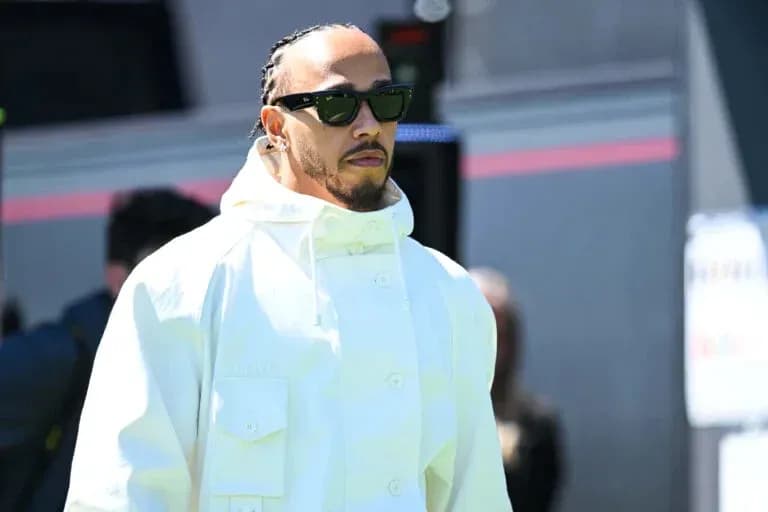
The now-viral Instagram reel comes from after the 2026 British Grand Prix Sprint at Silverstone. Hamilton had just finished second, beaten by Kimi Antonelli over 17 laps. The margin was 2.745 seconds at the flag, Antonelli having swept past on Lap 8 after Hamilton had edged him to pole in Sprint Qualifying by a microscopic 0.011 seconds.
From the moment Hamilton parks up in parc fermé, the clock starts ticking again. He climbs out of the Ferrari, goes through the mandatory checks, and heads straight into the broadcast gauntlet: parc fermé interviews, then the wider TV crews, then the photographers. Somewhere in that tight, unforgiving window, the watch has to arrive.
The reel captures the chain in motion. Angela Cullen, Hamilton’s long-time physio and ever-present support, makes the first move. She hands the Richard Mille to Linda Boudabous, Formula 1’s Master of Ceremonies and Special Operations Coordinator. From there, Boudabous has one job: get the watch to Hamilton before the cameras really start rolling.
No heavy security cordon. No visible safes. Just a small, cleared group of insiders moving through one of the most restricted, high-pressure spaces in sport. That paddock access narrows the field of people who can touch the watch, but it also heaps the weight of responsibility onto a handful of shoulders.
Boudabous has to thread through a maze of team personnel, FIA officials, camera operators and boom mics, all while tracking three variables at once: the right driver, the right watch, the right delivery point. One wrong turn, one delay, and the sponsor loses priceless broadcast exposure. One slip, and someone is suddenly responsible for an item worth more than many Ferraris.
It takes seconds. It feels like a heist.
Why this watch matters
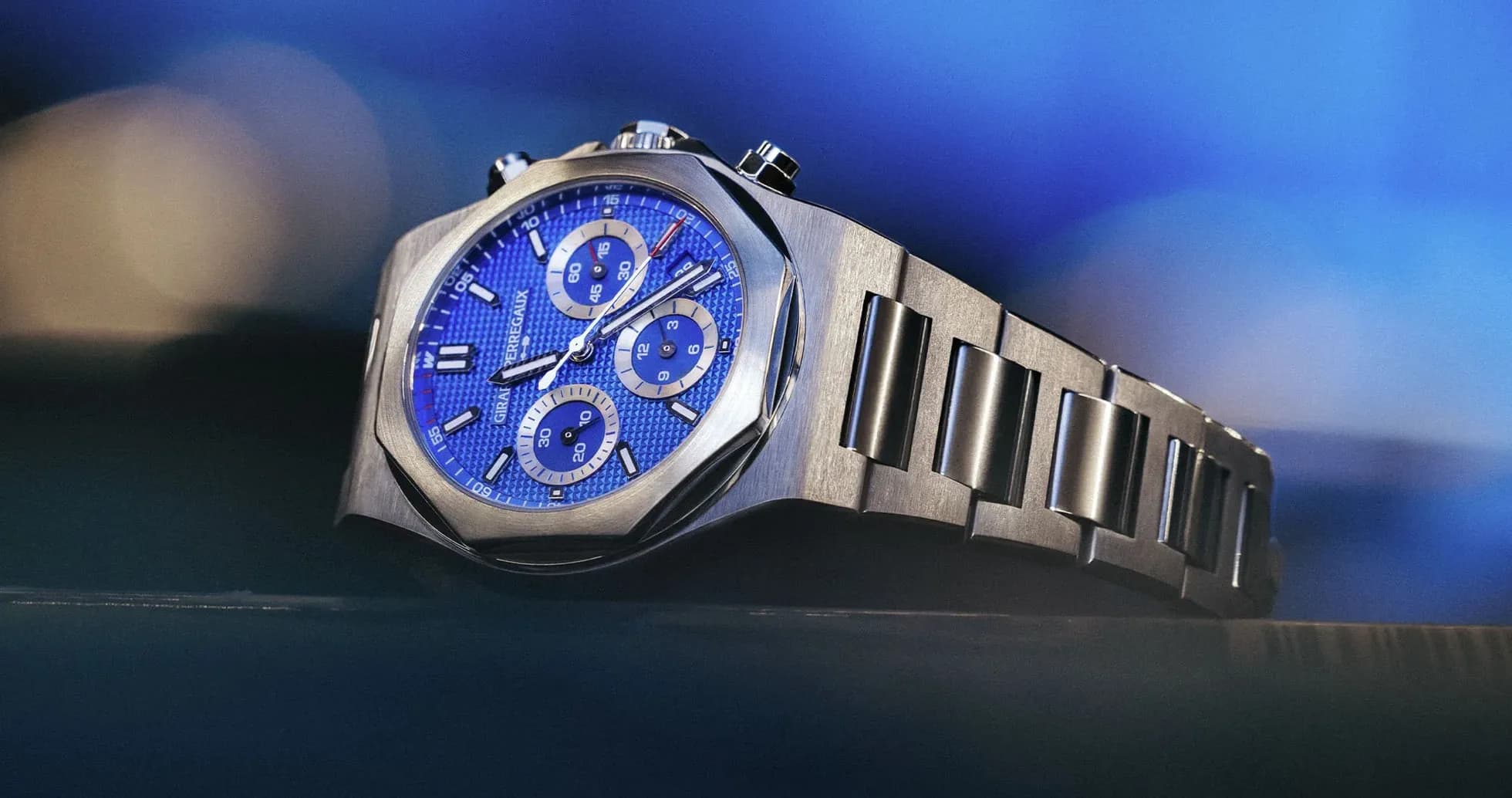
The Instagram post tags Hamilton’s piece as a Richard Mille worth around £1.2 million, a figure that sits neatly at the upper end of the brand’s Ferrari range.
Ferrari lists the RM 43-01 as a strictly limited run of 150 watches, split evenly between titanium and Carbon TPT. GQ Middle East reported pre-tax prices of 1.1 million Swiss francs for the titanium version and 1.35 million for the carbon model. Inside the case sits a manual-winding tourbillon paired with a split-seconds chronograph – a combination that speaks directly to the brand’s obsession with mechanical theatre and technical bravado.
Richard Mille has been aligned with Ferrari since 2021, a partnership built on shared language: extreme engineering, low production numbers, unapologetic price tags. When Hamilton left Mercedes and his long association with IWC behind to join Ferrari in 2025, his wrist followed suit. Out went the IWC pieces. In came Richard Mille.
That makes the post-race ritual more than a style choice. It’s a live deliverable.
The podium shots, the parc fermé reactions, the close-ups during interviews – all of them are instant, global billboards for the watchmaker. Every second Hamilton spends in front of a camera without the Richard Mille is lost value for a sponsor paying at the very top of the market. Hence the choreography. Hence the tension.
The smallest detail, the sharpest edge
In the grand scheme of a race weekend, this is a tiny subplot. It doesn’t alter lap times or strategy calls. It doesn’t explain how Antonelli hunted Hamilton down on Lap 8 or why a 0.011-second advantage in qualifying turned into a 2.745-second deficit by the flag.
Yet it tells you everything about the modern Formula 1 ecosystem.
Nothing is left to chance. Not the tyre warm-up. Not the energy deployment. Not the journey of a £1.2 million watch from physio to coordinator to driver in the space of a few frantic minutes.
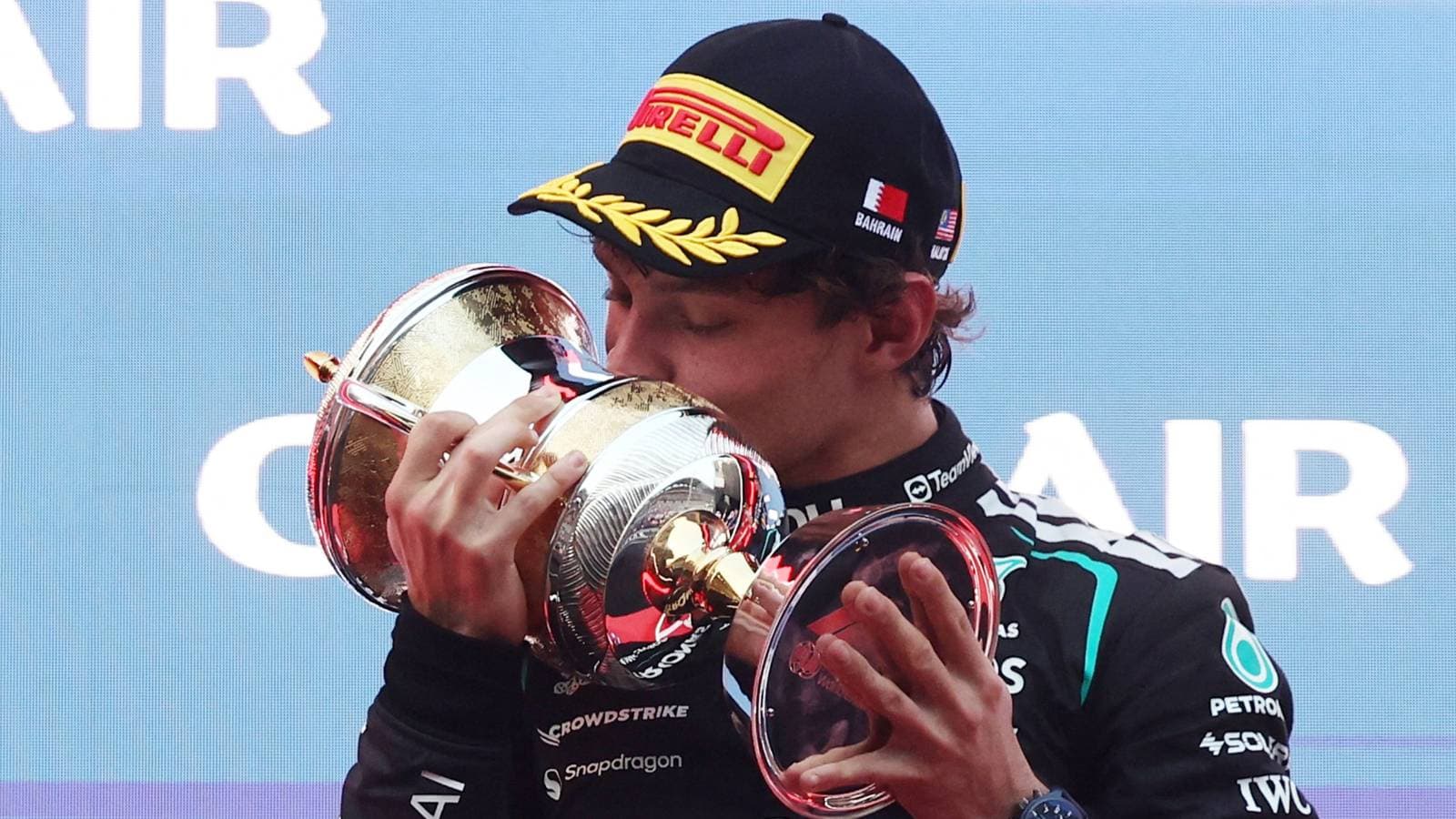
For Hamilton, the Sprint at Silverstone ended with second place and a reminder that Ferrari’s new era still has a teenage prodigy to chase. For Richard Mille, it ended with their watch exactly where it needed to be when the world was watching.
The margins that decide both are getting thinner by the season.