.svg&w=384&q=75 "logo")
Lando Norris: The Rise of a Champion in Formula 1
A month ago, McLaren’s title defence looked dead in the water.
Kimi Antonelli had marched to 204 points with Mercedes, while the two papaya cars together couldn’t reach that figure. Lando Norris sat on 103, Oscar Piastri on 92. The reigning champion was being outgunned, and the narrative was writing itself: the crown was heading to Brackley.
Then came Budapest. Then came the upgrade.
McLaren arrived at the Hungaroring with a heavily revised MCL40, reshaped at the front and rear corners, matched to a new floor and rear wing. It was a big swing at a moving target, the kind of package that can just as easily unbalance a car as unlock it.
It didn’t unbalance anything. It detonated the status quo.
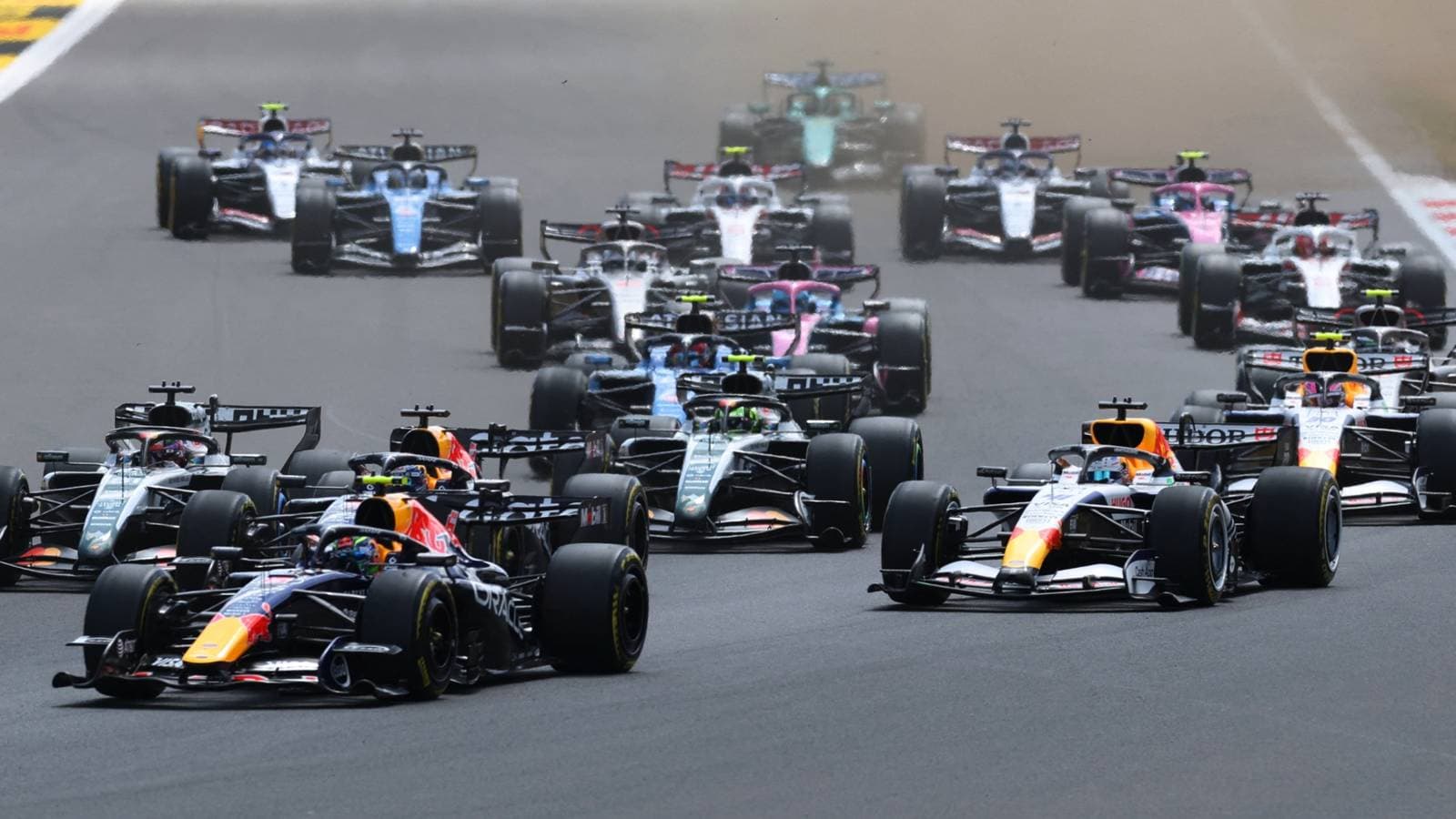
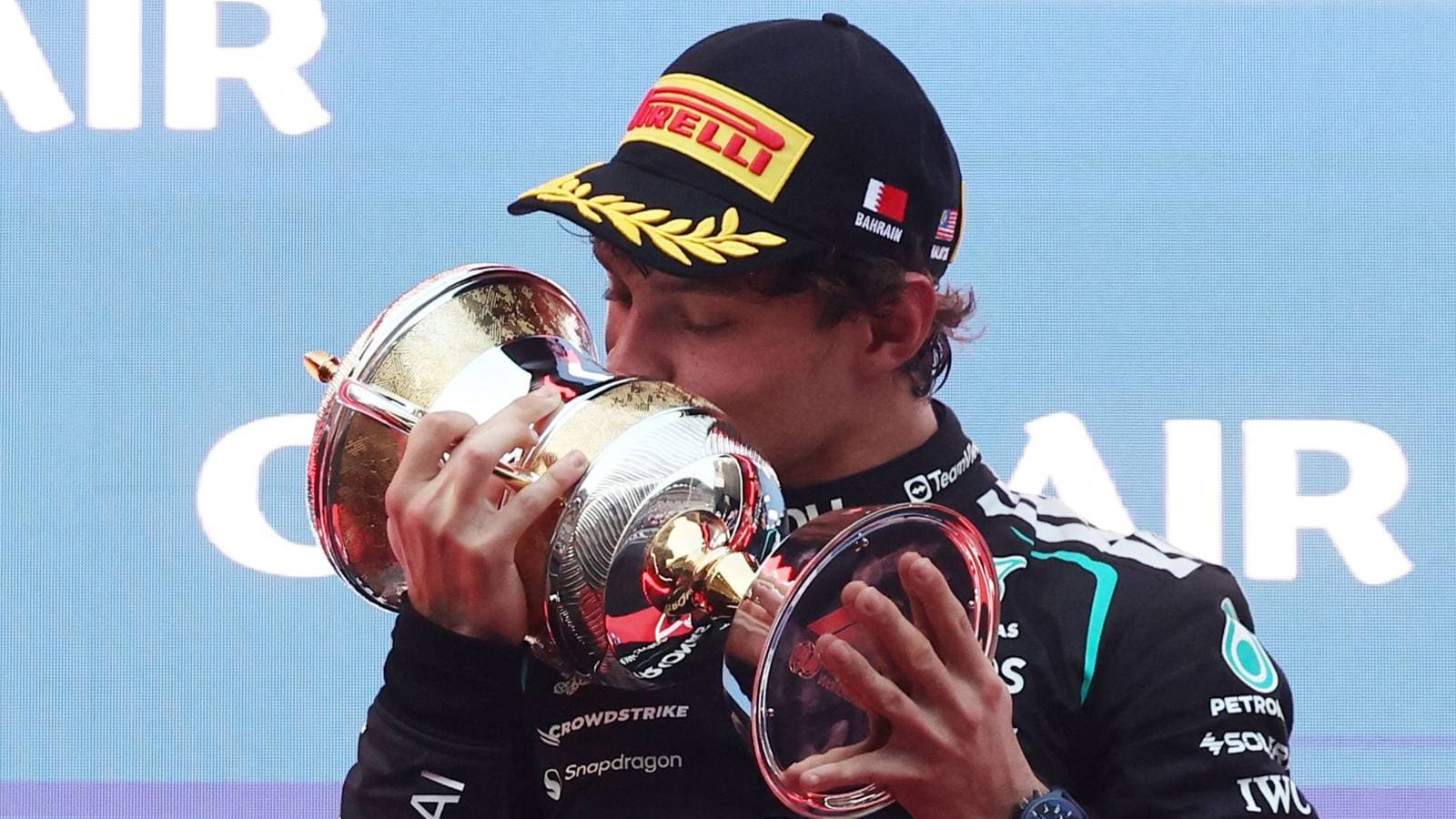
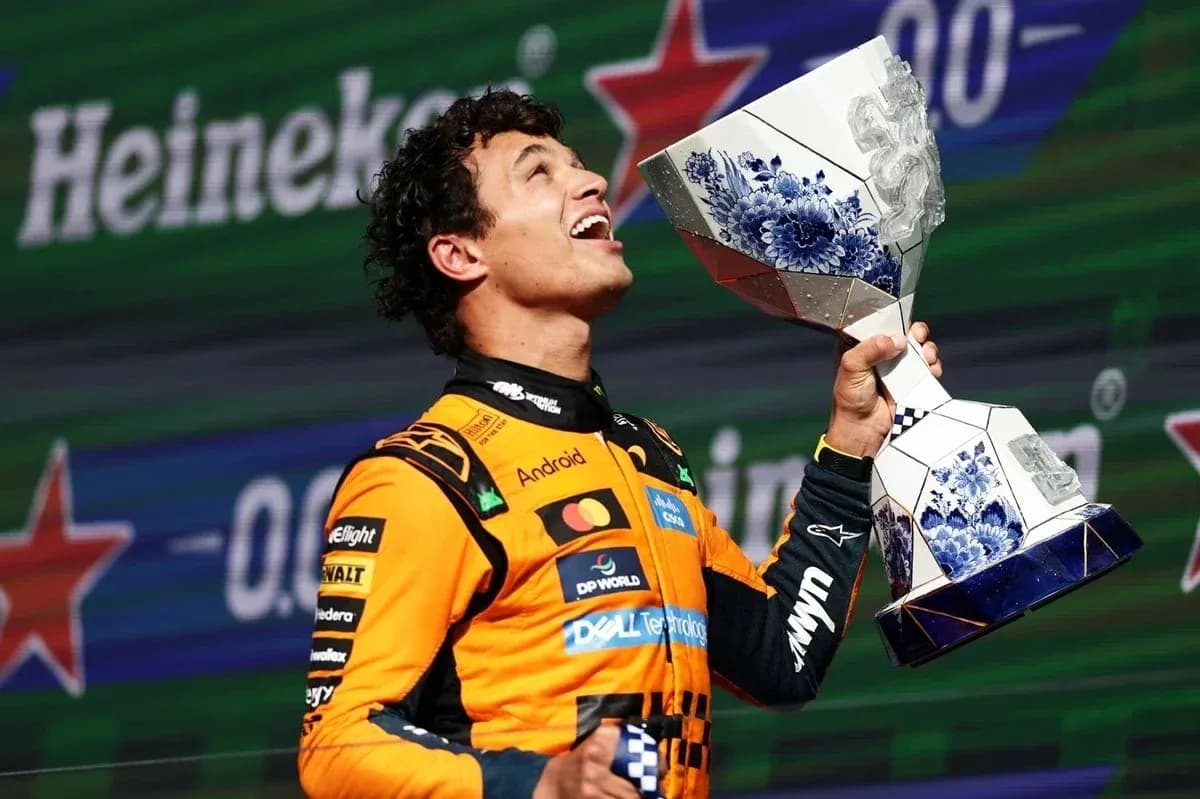
Norris stuck it on pole and won in Hungary. He turned up at Zandvoort and did it again, this time sealing it with a ruthless, round-the-outside move on Antonelli into Turn 1 – the sort of pass that defines a season, and sometimes a career. The deficit in the championship is still sizeable at 83 points, but the mood music has changed entirely.
You can point to the numbers on the CAD screens and the fresh carbon on the car. Team principal Andrea Stella, though, keeps steering the spotlight back to the driver.
For Stella, this isn’t just an upgrade story. It’s a Norris story.
“Lando is driving and operating at a very high level, in absolute sense, in relation to a Formula 1 world champion,” he said after the Dutch Grand Prix. “He's driving at the level of a world champion.”
Stella has watched Norris grow up in orange. What strikes him most is not a sudden leap, but a steady, relentless climb.
He traces a line back to the start of 2025. Something changed then. Not a single eureka moment, but a shift in how Norris works with the team – and how the team works around him. That method has now been transplanted onto Piastri’s side of the garage as well, but the clearest expression of it is in the No. 4 car.
“So it's almost like I see Lando stronger and stronger race by race,” Stella explained. Zandvoort underlined that. On paper, this was not a weekend McLaren should have controlled. The sprint pace didn’t scream “winner”. The grip wasn’t there on Friday. The car was sliding.
McLaren dug into tyre usage, into how to make the car live on a tricky surface. Both drivers found gains. Yet on Sunday, only one of them turned that work into a complete performance. Piastri’s second stint remained a mystery to the team; Norris’s race, by contrast, was a lesson in extracting everything a car will give and a bit more.
Qualifying tells the same tale.
Across 2025, Norris and Piastri were locked together over one lap. Including sprint sessions, the head-to-head was 15-15 – the kind of intra-team battle that suggests two drivers operating on a very similar level.
The reset for 2026 initially tilted towards Piastri. By the time F1 hit its unexpected April break, Norris trailed 3-1 in qualifying. That could have set off alarm bells for a reigning champion. Instead, it flicked a switch.
Since then, Norris has dominated Saturdays. He leads Piastri 12-1 in qualifying from that point, with the Australian only edging him once, in Monaco. The average gap between them is not outrageous – 0.128 seconds – but it is almost always in Norris’s favour. Margins that small decide front rows, and front rows decide races.
The raw speed is only half the story. Stella keeps coming back to something less tangible and more dangerous for Norris’s rivals: his mindset.
“If you want to look at Lando from another angle, I would say that definitely he is now expressing a higher level of assertiveness as he drives,” Stella said. The pass on Antonelli at Zandvoort was the headline example, a move that needed commitment, trust in the car, and total belief in his own judgement.
But Norris’s assertiveness isn’t just about lunging late on the brakes.
“This is interesting, and I quite like it – the self-confidence sometimes is not demonstrated by being the most aggressive,” Stella added. It’s the confidence to walk away from a fight, to think, “Not now. Not here. I’ll get you later.”
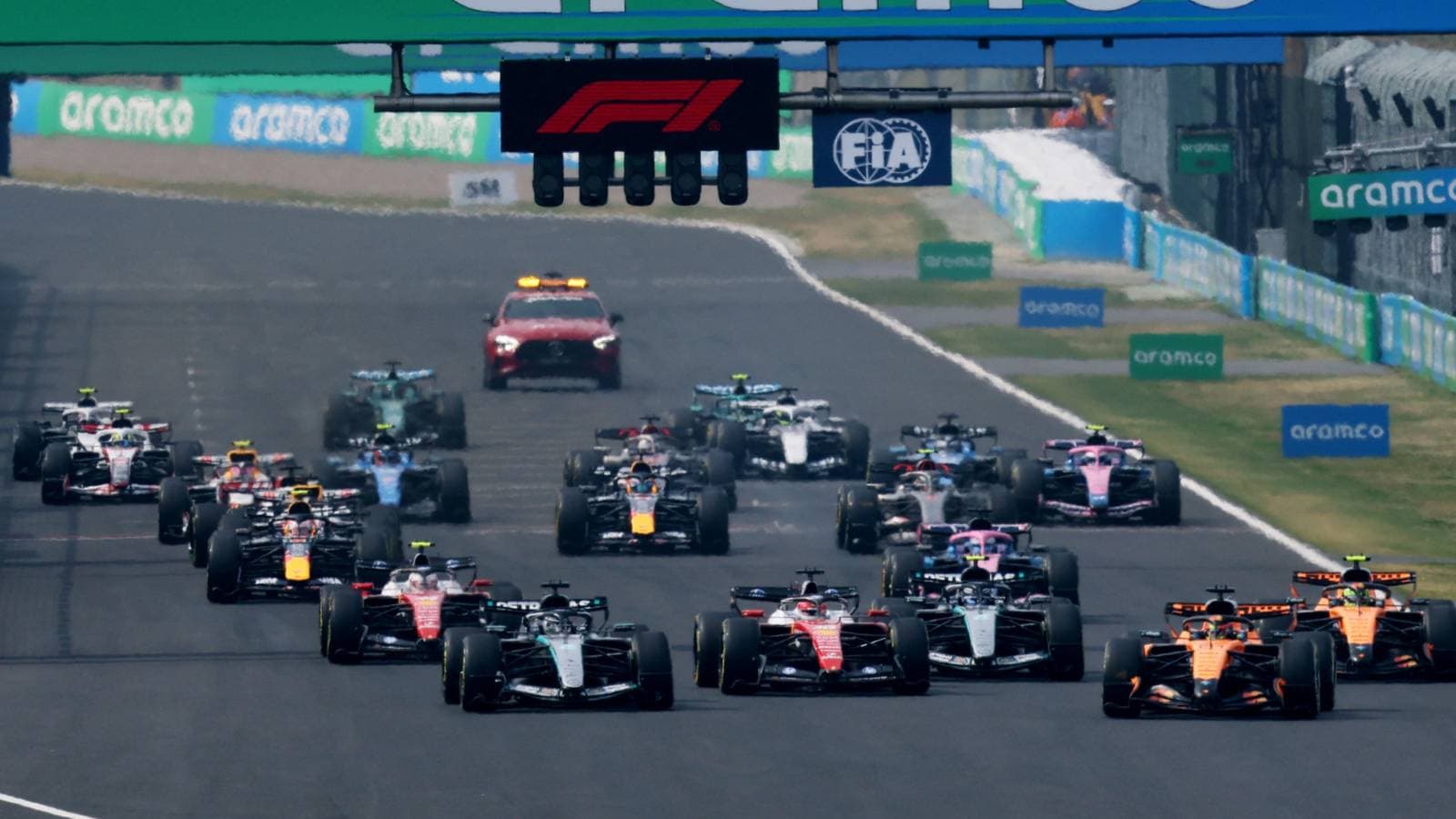
That restraint has been just as striking as the aggression. Norris has twice started from pole in his recent wins and twice ended the first lap in second place. Many champions would feel the panic rising, the sense that the race is slipping away. Stella insists he saw none of that.
No radio messages tinged with desperation. No frantic over-driving. Just a driver who knew he had the pace, who was prepared to wait, manage the tyres, and cash in when the race came back to him.
“So I think assertiveness and confidence are probably the two characteristics that he has improved the most from a non-technical, non-operational point of view,” Stella concluded.
The numbers back him up. The onboards back him up. The body language in parc fermé backs him up.
McLaren’s upgrade has clearly worked. The MCL40 is quicker, more compliant, more of a weapon in Norris’s hands. But the sharper edge right now isn’t the new floor or the reworked rear wing. It’s the driver who, a month ago, looked like a fading champion and now looks like the one man capable of dragging this title fight somewhere Mercedes never expected it to go.
Antonelli still leads. The gap is still big. Yet with every assertive lap, every measured overtake, every weekend where Norris looks “stronger and stronger”, the question grows louder:
Is 83 points really enough of a cushion against a world champion driving like this?