Lando Norris Secures Pole Position at Madrid's New Street Circuit
The Madring has been threatening to steal Barcelona’s spotlight all week. On Saturday, it finally did.
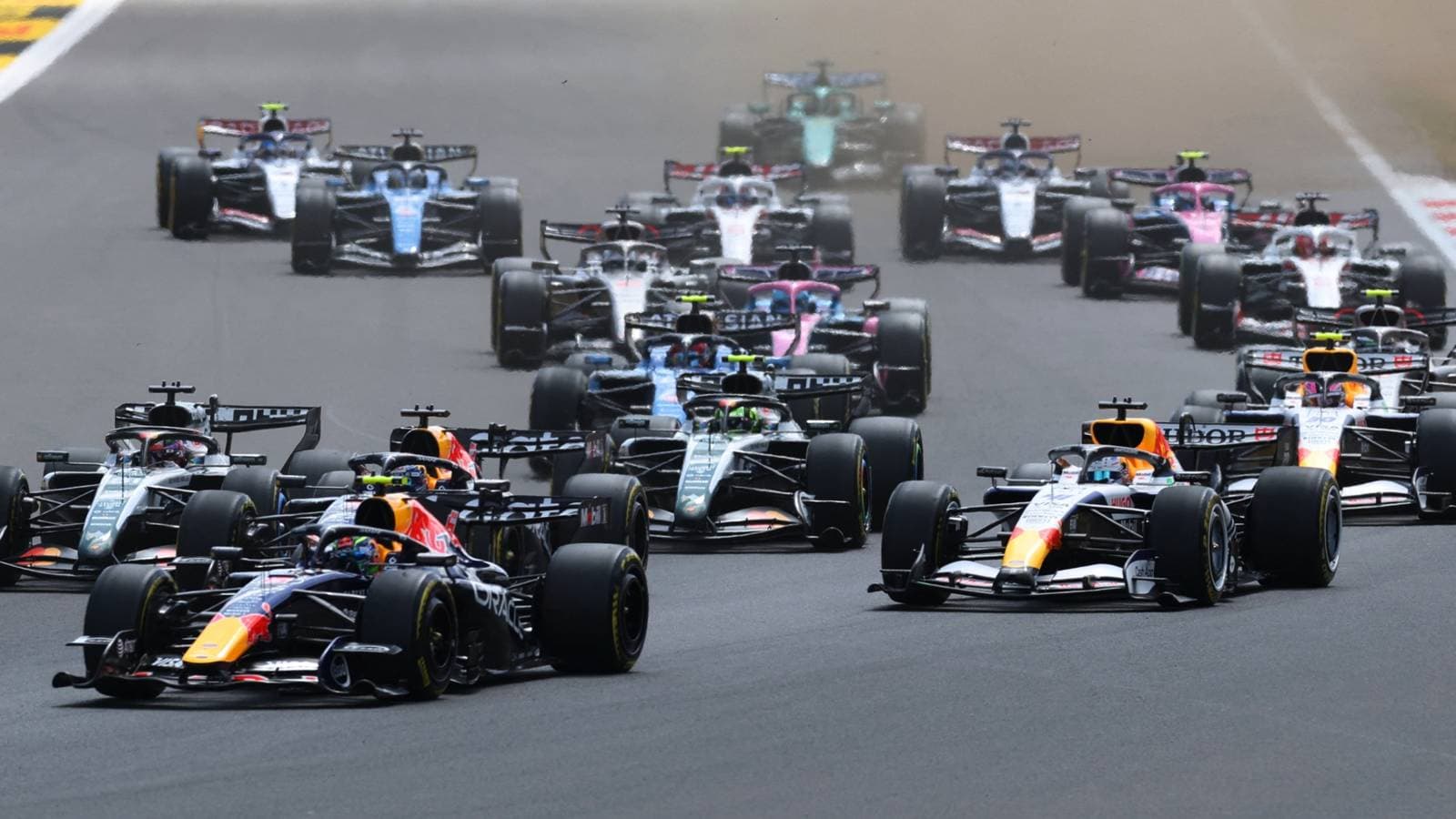
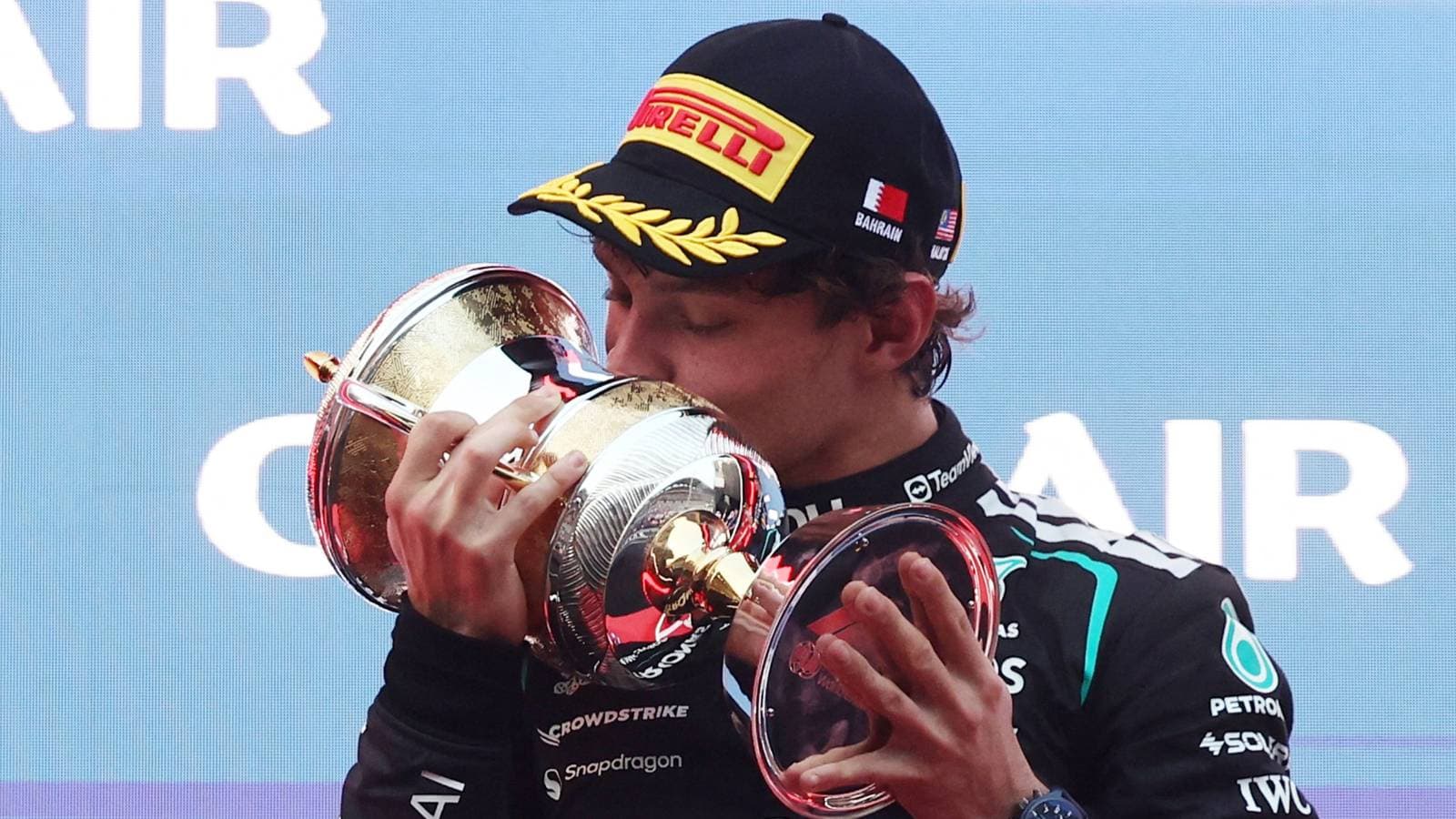
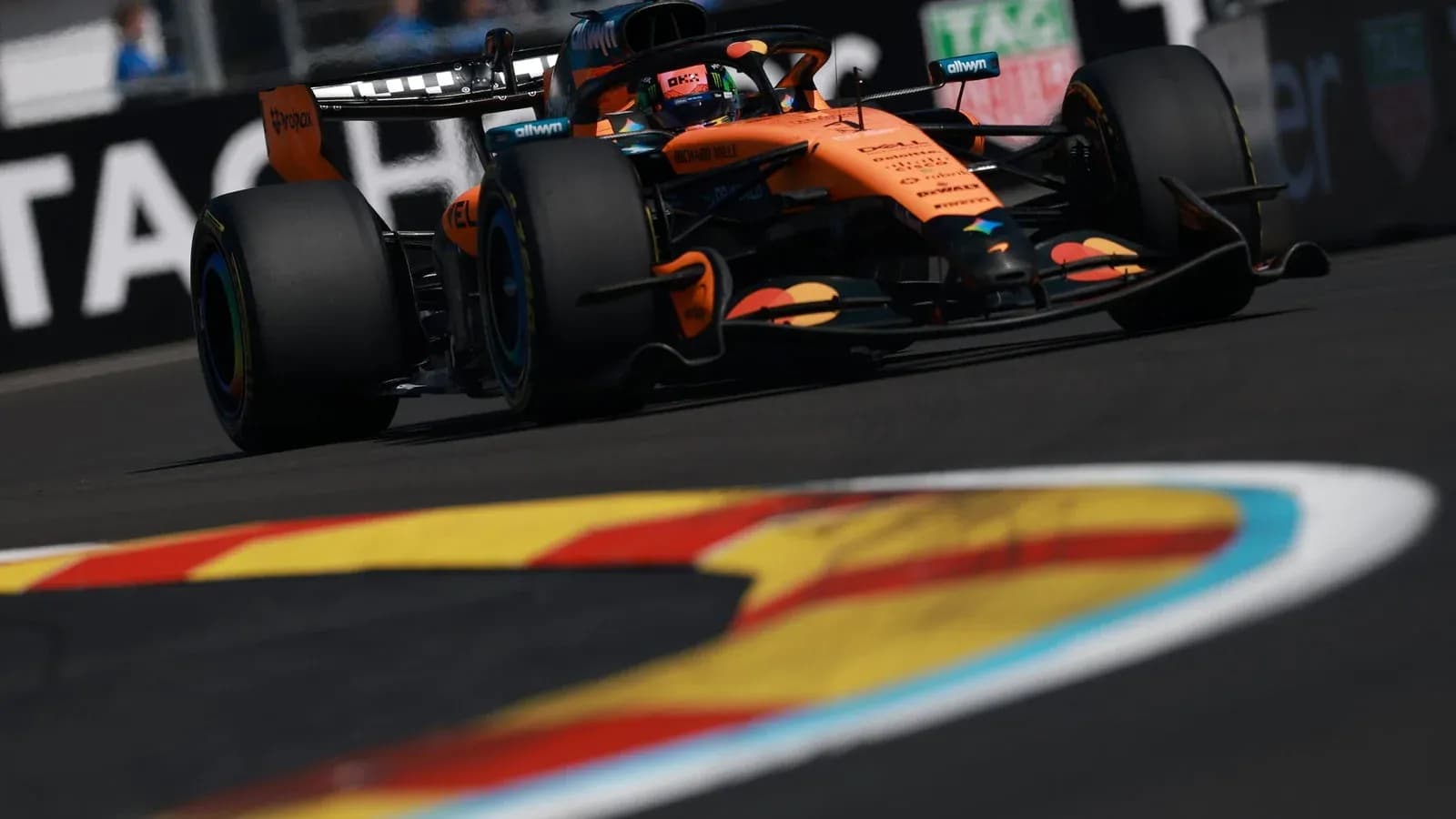
On a brand‑new street circuit with walls glaring back at every mistake, Lando Norris seized pole position for the 2026 Spanish Grand Prix, mastering a 5.414km maze of 22 corners where track position might be worth more than raw race pace. Around here, starting first is not a luxury. It’s a weapon.
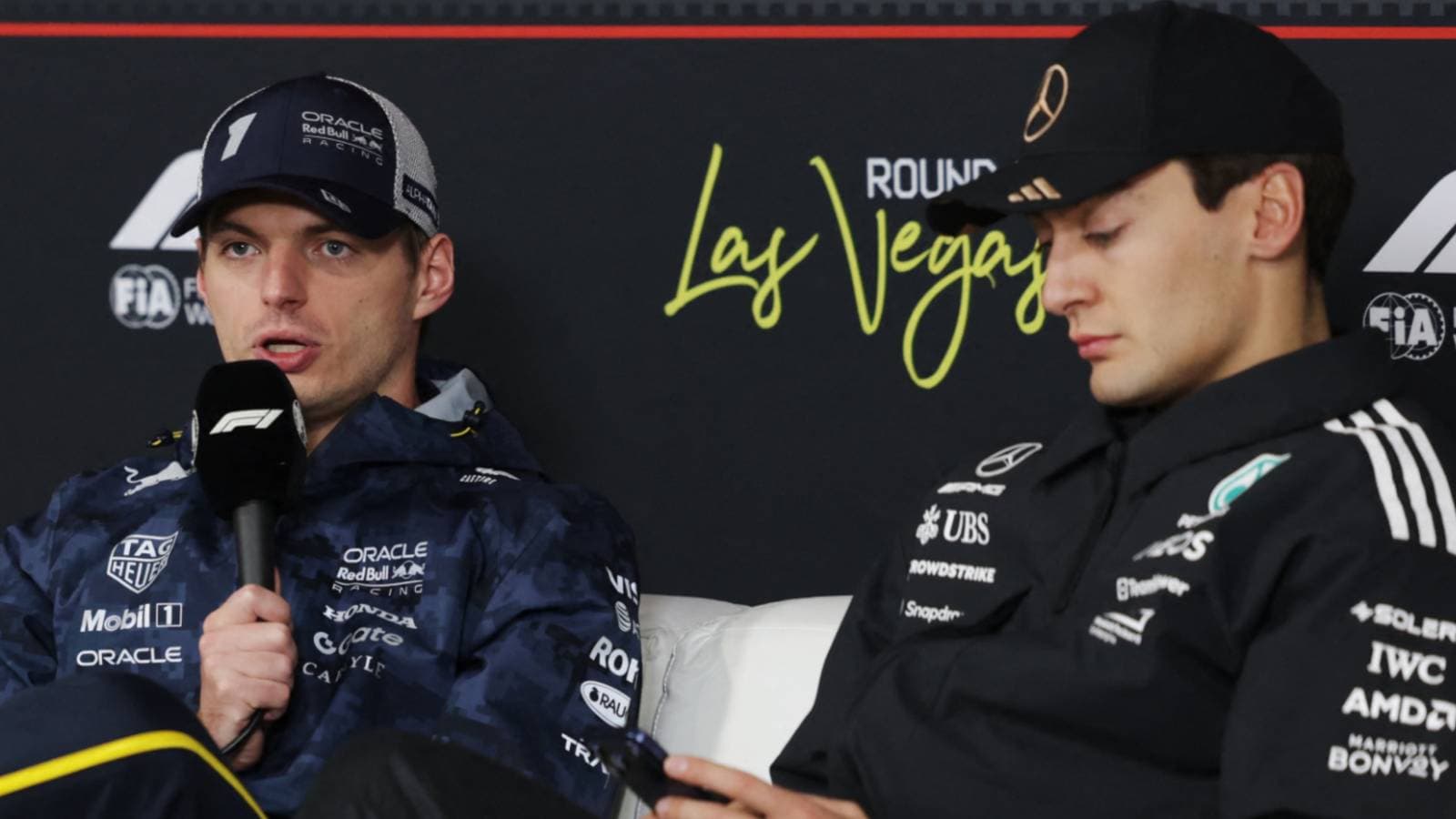
Behind him, the championship picture tightens and twists. Kimi Antonelli, already 66 points clear of George Russell in the standings, lines up second and perfectly placed to drive that advantage deeper into the season. Russell, stuck down in seventh, faces a very different kind of Sunday: elbows out, eyes up, and a long afternoon of risk management.
A new home for Spain – and a new kind of jeopardy
Barcelona’s sweeping curves are gone from the calendar, replaced by concrete canyons and a banked Turn 12 that has become the visual and technical anchor of the Madring. The corner rises and curls, inviting aggression and punishing the slightest misjudgement. It’s where drivers commit – or back out.
In the build‑up, the paddock braced for chaos. Street track. Blind entries. Tight walls. A field full of drivers ready to gamble. Red flags were expected to become part of the weekend soundtrack.
They didn’t. Not yet, anyway.
Friday running brought only one major interruption: Arvid Lindblad losing control of his Racing Bulls at Turn 13 in second practice, sliding out and stopping the session. A warning shot, rather than the full storm many predicted.
But nobody in the pit lane believes they’ve dodged the drama. Not on this layout. Not with this grid.
Strategy on a knife edge
The race runs from 2:00pm to 4:00pm BST, a neat two‑hour window that could turn into a strategic minefield. Teams are split, drivers are uneasy, and the usual playbook looks flimsy against a circuit nobody truly understands yet.
On paper, the logic is simple: the fewer pit stops, the better. Every trip through the pit lane here feels expensive, especially if the field is bunched and overtaking proves as tough as the simulations suggest.
So one school of thought says: start on the softs, get rid of the most fragile compound early, and bank the grip off the line. If the opening laps turn messy and the safety car appears, you’ve already cleared the tyre most likely to hurt you.
But there’s a catch. If the race runs green in the early stages and you’re forced into an early stop under full racing conditions, that bold soft‑tyre start can unravel fast. You tumble down the order, trapped in traffic, your strategy exposed.
That’s where the hard tyre argument bites back. Start on the hards, go long, and keep yourself in play when the race inevitably tilts – through crashes, safety cars, or a late red flag. Stay out while others blink, and you could vault up the order when the chaos finally arrives.
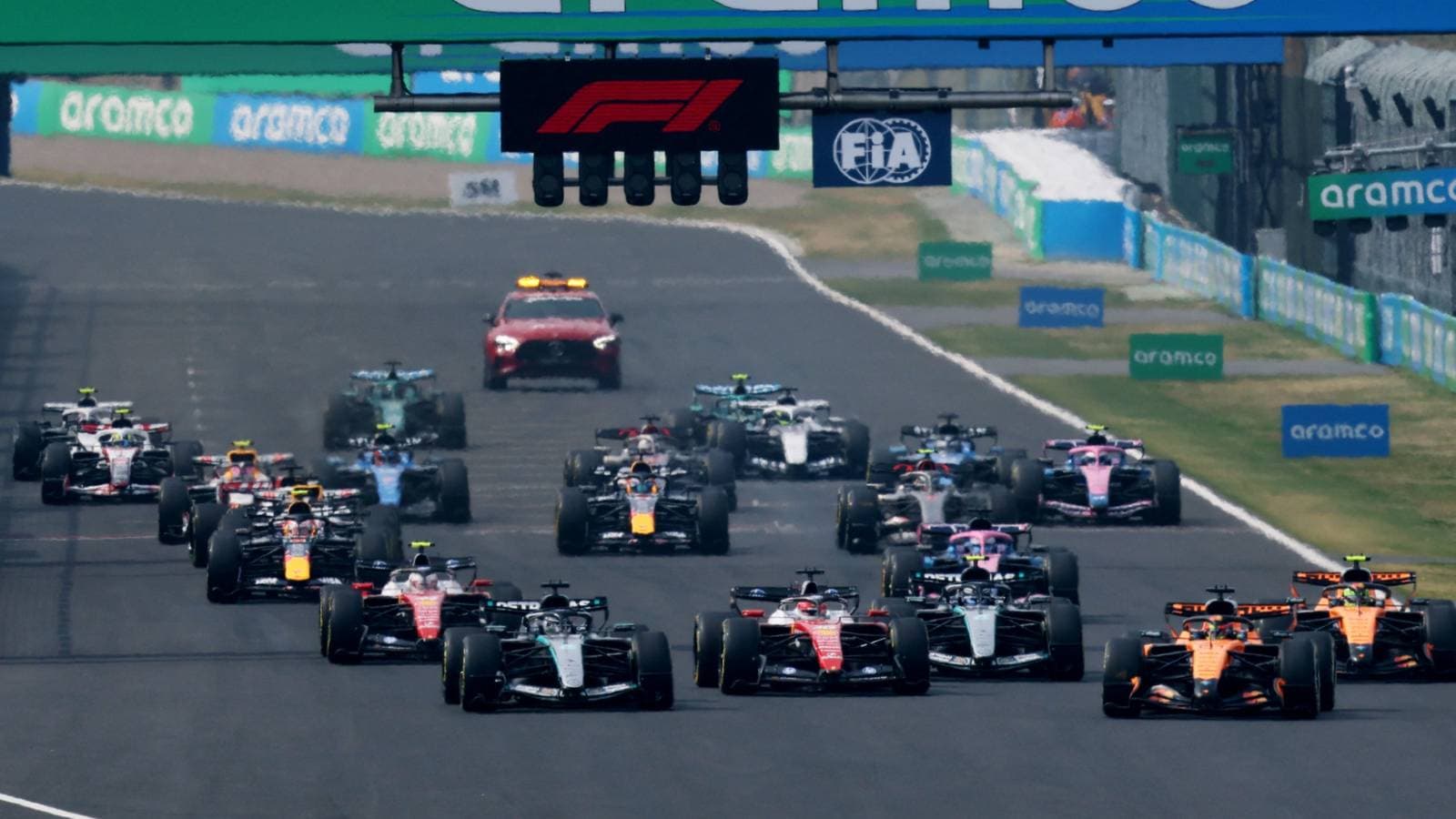
Yet who really wants to launch a grand prix from the grid on the slowest compound, with rivals on softer rubber snapping at them into Turn 1 and beyond? On a new street circuit, the start is often the cleanest, most predictable overtaking chance of the entire afternoon. Giving that up is a big ask.
So the grid is split between instinct and caution. Attack the start, or defend the endgame?
Antonelli vs Russell, Norris vs the unknown
Antonelli’s position is fascinating. From second on the grid, with a huge points cushion, he can afford to think long. He doesn’t need to win at all costs; he just needs to keep Russell in his mirrors and off the podium. A measured strategy, a solid start, and a clean race could be worth more than any late‑race heroics.
Russell, though, can’t hide. Seventh on a circuit where overtaking may prove scarce is a problem that strategy alone might not solve. He needs safety cars at the right time, bold calls on tyres, and a start that gains places rather than loses them. If he gets pinned in a DRS train, his title chase takes another hit.
And then there’s Norris, sitting on pole with everything to gain. McLaren have given him the track position; the rest will be about judgement. When to push. When to protect. When to commit to a strategy in a race that might tear up any plan within a handful of laps.
Penalties and pressure
Carlos Sainz, racing at home, carries the frustration of a grid penalty after blocking in qualifying. On any other circuit, a drop might be manageable with clever strategy and late‑race aggression. Here, with walls closing in and safety car interruptions widely expected, he’ll need more than just pace. He’ll need timing, patience, and luck.
The same goes for the rest of the midfield. Many of them have already circled this race as an opportunity. Street tracks compress the field, reward bravery, and punish hesitation. One well‑timed stop, one perfectly judged restart, and a season‑defining result can fall into their laps.
But that cuts both ways. One misjudged lunge, one lock‑up into the banked Turn 12, and the same drivers can trigger the very chaos others are waiting to exploit.
Into the dark
Nobody is pretending they truly understand this grand prix yet. Not the engineers poring over simulations, not the strategists sketching out tyre plans, and not the drivers who’ve spent two days dancing between the walls.
Softs for the launch and hope the race breaks your way? Hards for the long game and trust that the chaos arrives late? Or something in between that risks being neither bold nor safe?
The Madring doesn’t care. On Sunday, it will simply ask the question.
Who gets it right first?