Lando Norris Claims Pole in Thrilling Madring Qualifying
The Madring promised a flat-out, high-speed procession. Qualifying refused to play along.
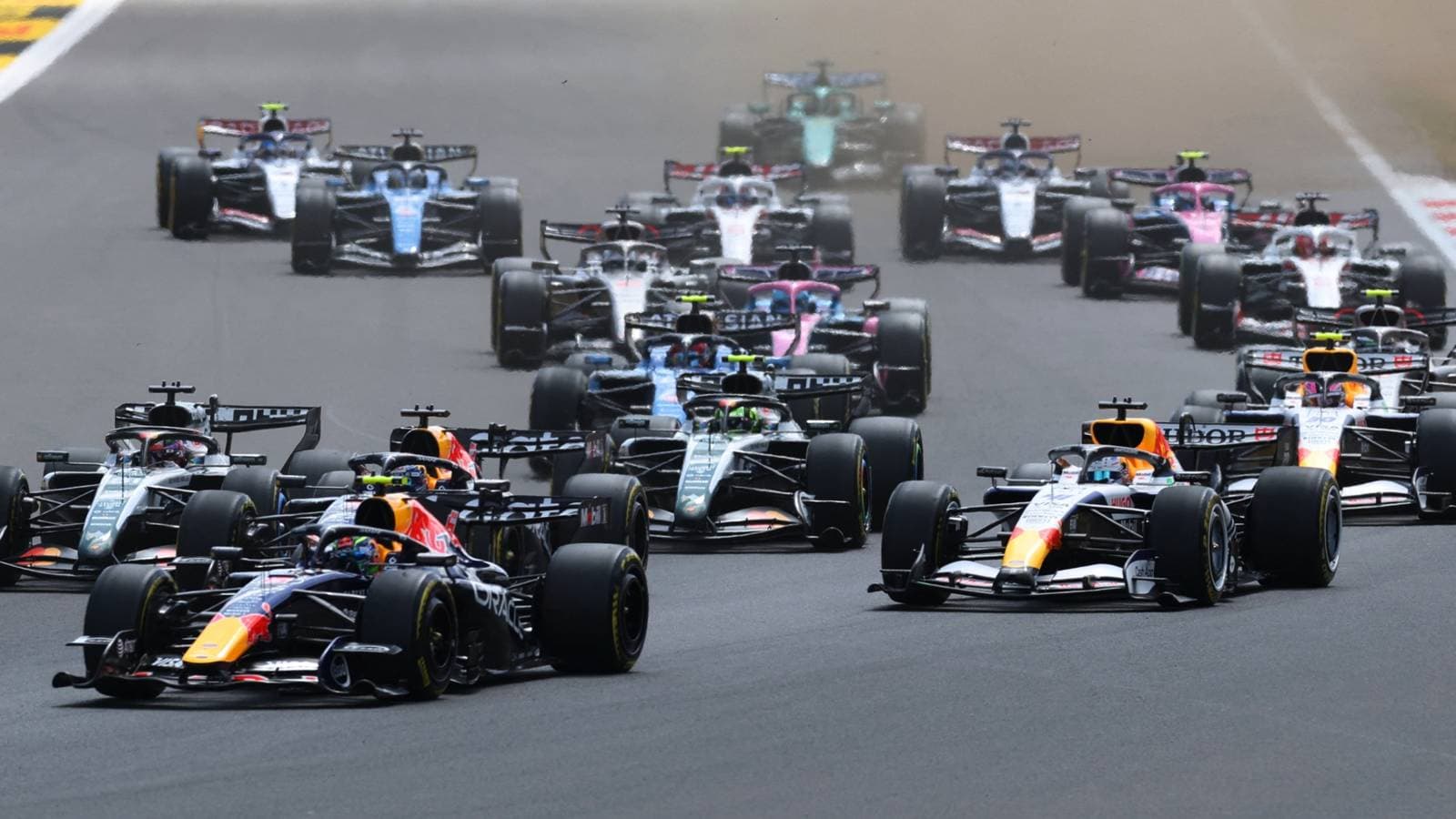
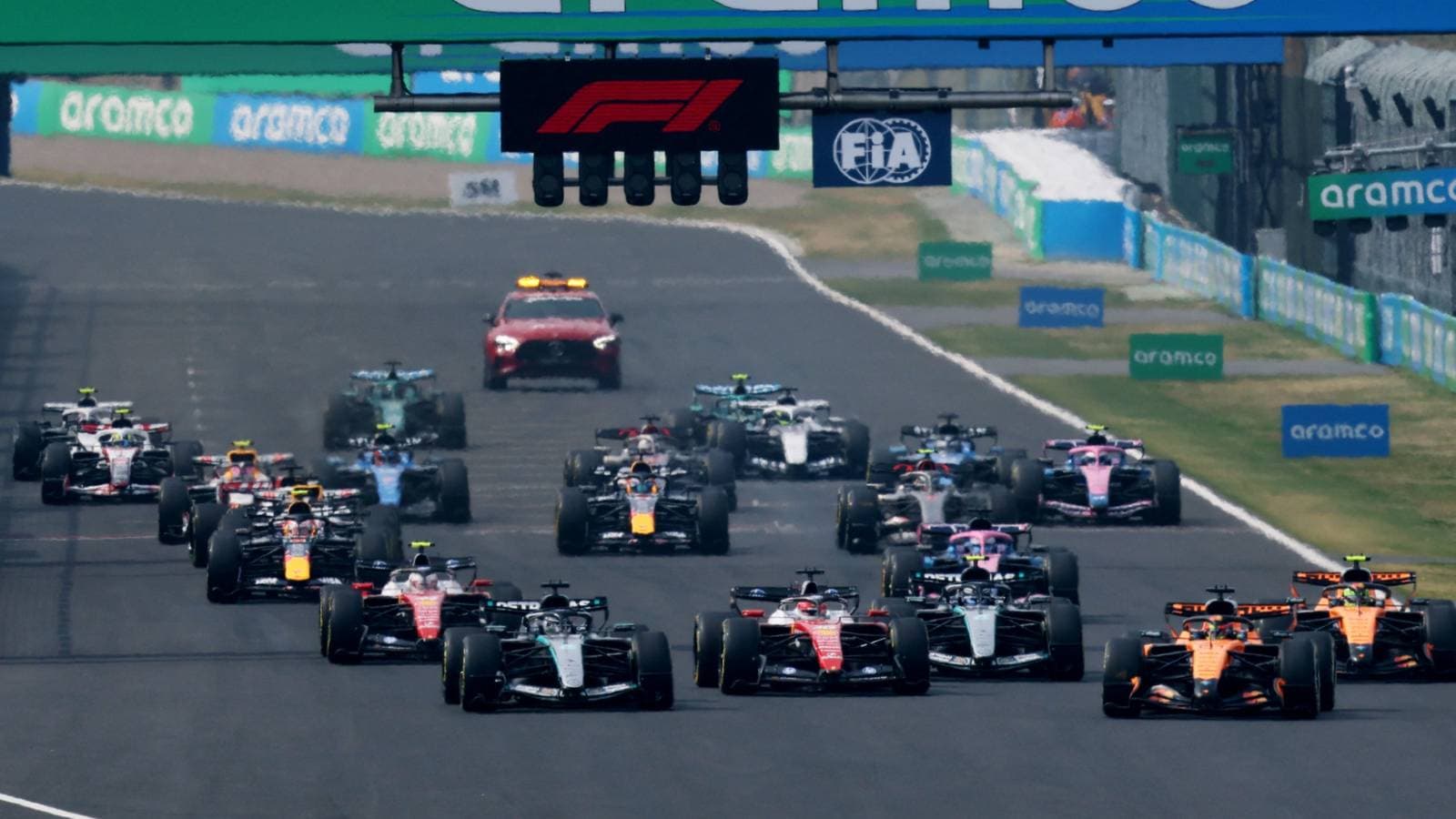
Just 0.011s split first and second in the first-ever Formula 1 qualifying session at this new Madrid circuit, and four different teams locked out the first four spots on the Spanish Grand Prix grid. If Sunday really does turn into a traffic jam, this was the moment to make it count.
Some did. Some wasted it.
Winner: Lando Norris – a pole out of nowhere
For most of the afternoon, nobody was talking about Lando Norris for pole.
Mercedes versus Ferrari looked like the story, with Max Verstappen lurking as the late threat. Norris sat fifth in Q1, seventh in Q2, his McLaren looking handy but hardly terrifying. The session was settling into a familiar pattern.
Then Kimi Antonelli dropped the first lap in the 1m31s, Lewis Hamilton briefly grabbed provisional pole, and the grid began to crystallise. Mercedes on top, Ferrari close, Verstappen in range. Order restored.
And then Norris detonated it.
He launched into his final Q3 run with a lap that lived right on the edge. Full-send, no safety margin, the sort of attempt that either lands on pole or in the wall. The last corner was scruffy – team principal Andrea Stella reckoned there were three tenths left on the table – but the rest of the lap, Stella called “a masterpiece”.
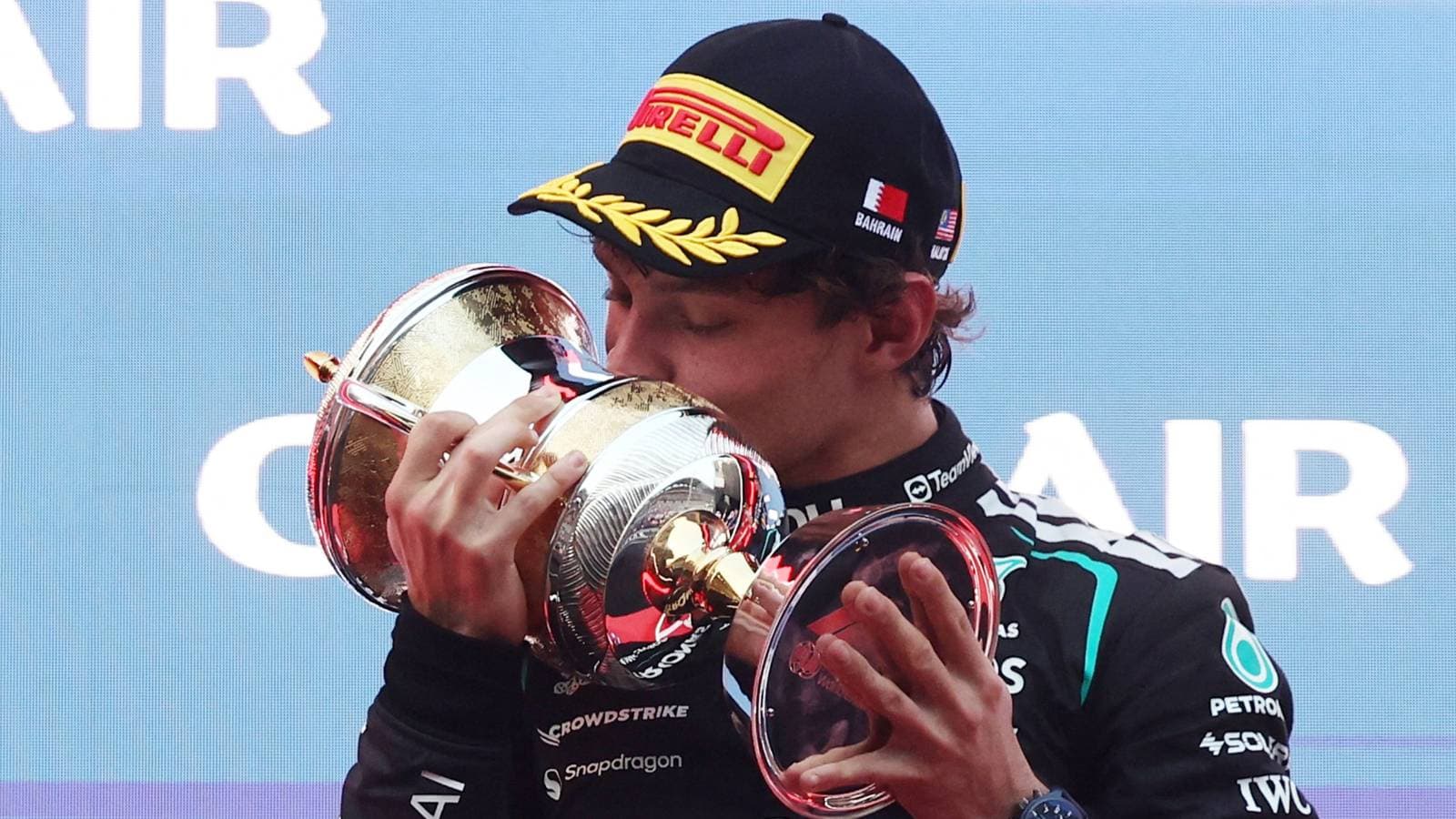
Norris thought it was probably the best qualifying lap of his career. The stopwatch backed him up. He snatched pole from Antonelli by a hundredth of a second, 0.011s, and parked a McLaren on top of a grid many assumed would be painted silver or red.
Not flawless. But utterly brilliant, and utterly decisive on a circuit where overtaking is expected to be a grind.
Loser: Oscar Piastri – messy when it mattered most
On the other side of the McLaren garage, the mood could not have been more different.
Oscar Piastri never looked at ease. Eighth in Q1, ninth in Q2, he spent the entire session a step behind the car’s potential. An aborted first flying lap in Q1 set the tone, and by his own admission the rest of qualifying turned “messy”.
He called his Q3 effort “pretty crap” and it showed on the timesheets: only seventh, on a day when his team-mate put the same machinery on pole. The pace was in the car. Piastri simply couldn’t unlock it.
He did say this weekend felt “a bit of a better weekend, like Monza” in terms of understanding the car, but that only sharpens the sting. At a track where passing is expected to be difficult, starting seventh with a McLaren capable of pole is a brutal missed opportunity.
His middling run continues at exactly the wrong moment in the season.
Winner: Lewis Hamilton – damage limited, pressure applied
Lewis Hamilton arrived in qualifying with his weekend already dented – literally. A crash in FP3 cost him time and rhythm, but when it mattered he stitched together a clean, controlled session.
Fourth on the grid, just 0.006s ahead of Ferrari team-mate Charles Leclerc, was a sharp return given the disrupted build-up. Hamilton described qualifying as “pretty straightforward” and praised the “good execution” from the team. It sounded terse, but the performance did the talking.
He also made one thing clear: he intends to enjoy this one. “I’m going to have fun, that’s all I can say, I’m going to have real fun, I’m not going to put too much pressure on it,” he said.
Behind him, Leclerc wrestled with the consequences of Monza. Running an older-spec Ferrari engine after his crash there, he admitted he bled time in sector one and hadn’t enjoyed the same power-unit step as rivals who bolted in fresher hardware.
His lap was tidy, but in a field this tight “tidy” doesn’t buy you track position. The Ferrari pair, still under the microscope after their clash at the start in Italy, now line up nose-to-tail again. The Madring’s Turn 1 will not be a quiet place.
Loser: George Russell – three tenths and a title dream slipping
George Russell started the day with a brush against the wall in Q1. He ended that same segment on top of the times, looking composed and quick, and talked afterwards of feeling “in a good place”.
The promise faded when it mattered.
Russell reckoned he was “about three tenths up” on his previous best midway through his final Q3 lap. Then he attacked Turn 11, the tyres cried enough, and the lap unravelled from there. He wound up sixth, 0.314s off Antonelli and, crucially, four places behind his Mercedes team-mate on the grid.
He admitted it has been “really challenging” to judge how hard to lean on the tyres. That fine line bit him again here. Salvaging those lost three tenths would have transformed his starting position; instead, it was another example of Russell sitting half a step behind the sharp end at Mercedes.
On a weekend that hinted at a title-calibre car, he again finds himself with very little to cling to in the championship picture.
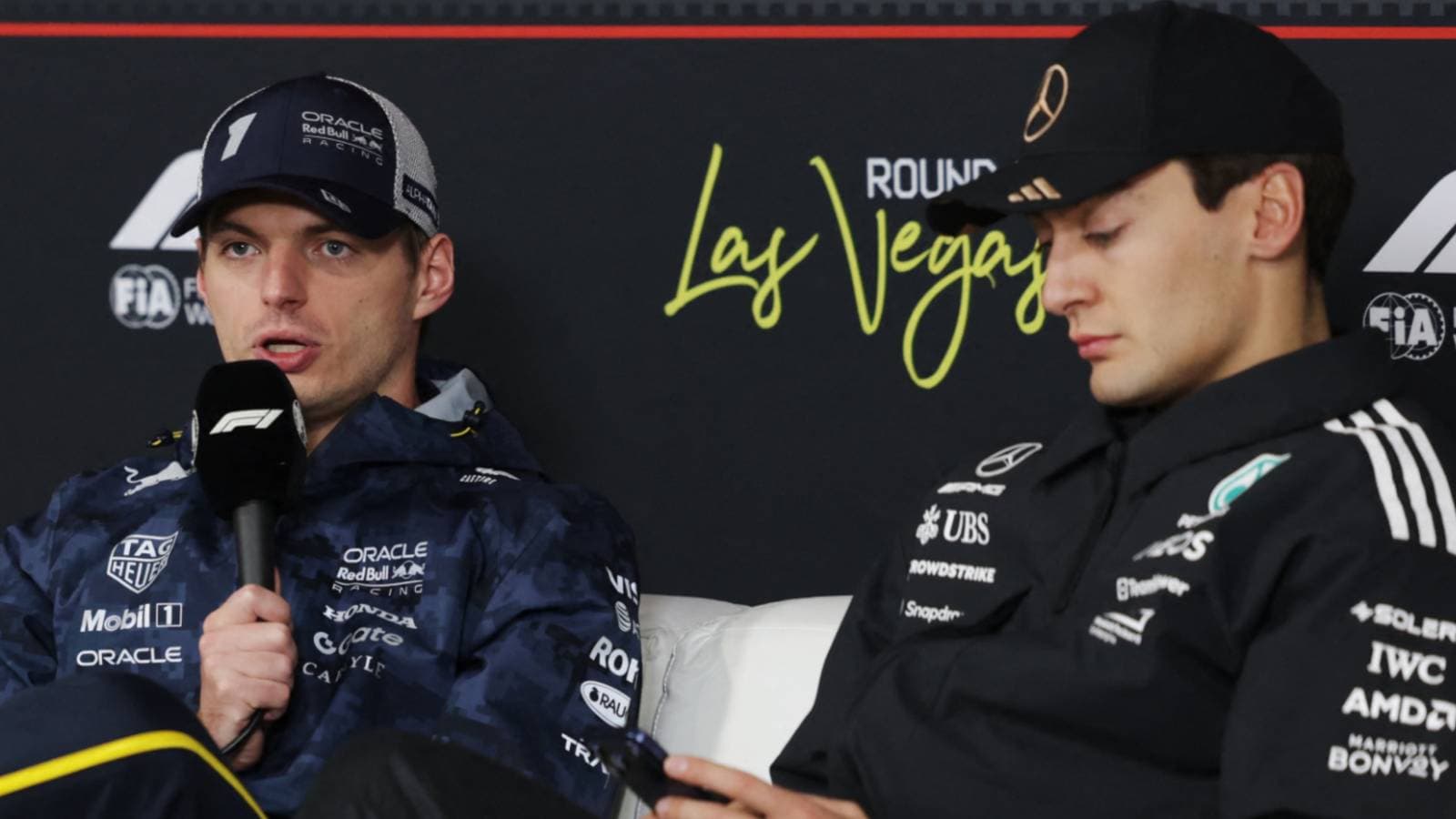
Winner: Max Verstappen – Red Bull’s Friday problems, Saturday solution
On Friday, Red Bull looked rattled. Technical director Pierre Wache listed a shopping list of issues: set-up, mechanical grip, ride quality, energy deployment. The car simply wasn’t doing what Max Verstappen wanted.
By Saturday, it was.
Verstappen edged closer in FP3, just under four tenths off the pace, and once qualifying began he moved right into the fight. He sat 0.170s off in Q1, where team-mate Liam Lawson even lapped within a tenth of Russell’s Mercedes. Then Verstappen hit back, fastest of all in Q2.
When Q3 arrived, only three drivers dipped below 1m32s. Verstappen was one of them. Third on the grid, ahead of both Ferraris, a Mercedes and one of the McLarens, underlined both Red Bull’s overnight graft and Verstappen’s usual, ruthless clarity when the grip finally appears.
He credited the car for at last doing what he wanted in the corners. Even so, it was hard to shake the feeling that a slice of “Max magic” had dragged it further up the grid than it truly belonged.
Winner: Franco Colapinto – leading a midfield he had no right to lead
This was not supposed to be Alpine territory.
Franco Colapinto expected Madring to favour Audi and Racing Bulls in the midfield fight. The trend of the weekend backed him up. On paper, Alpine had no business leading that group.
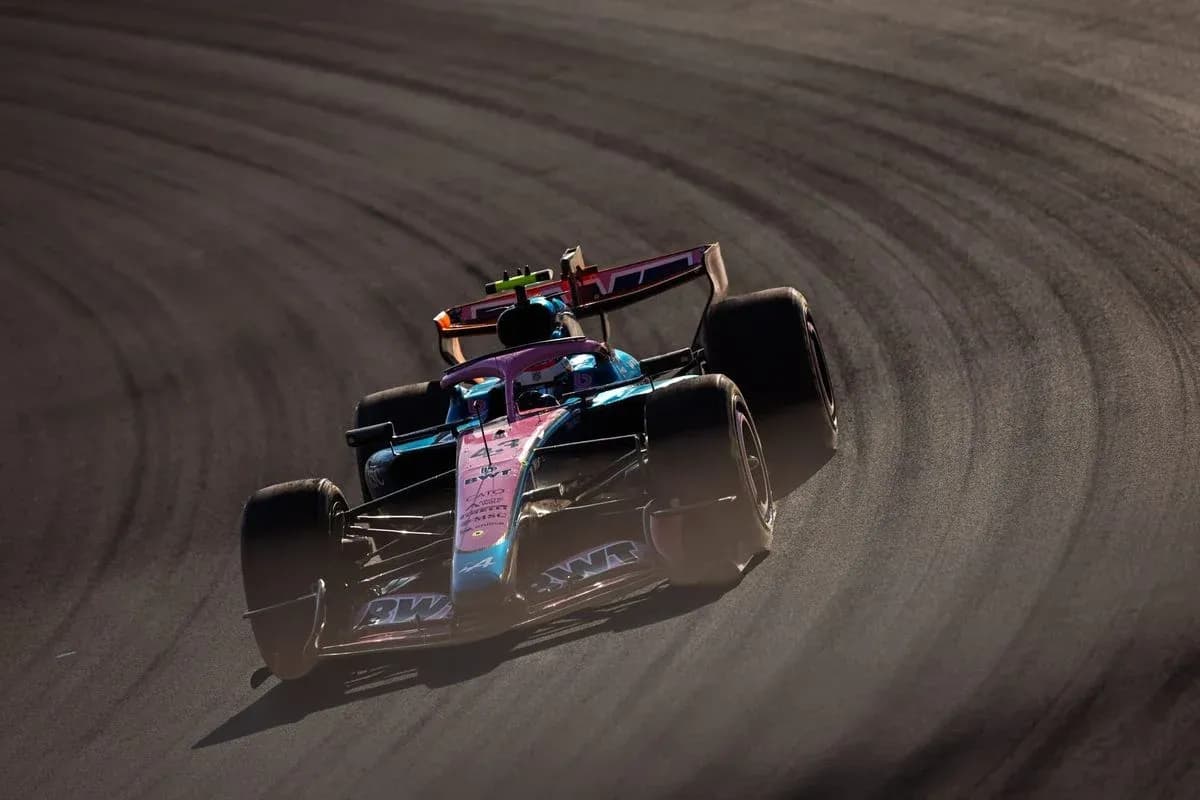
Colapinto ignored the script. After catching a wild moment at La Monumental on his first Q2 run, he pieced together what he called an “amazing” lap to reach Q3. One week on from his top-10 start at Monza, he went one place worse on the grid – ninth this time – but delivered a more complete, more impressive performance.
He then backed it up by effectively replicating, even improving, that lap time in Q3 itself. On a day when the usually dependable Pierre Gasly looked lost, Colapinto’s composure and pace dragged Alpine to the front of the midfield queue.
If this team is going to salvage something from its season, this is the kind of driver performance it needs.
Loser: Pierre Gasly – from confidence to confusion
Gasly climbed out of qualifying baffled.
Fourteenth on the grid, seven tenths slower than Colapinto in Q2, bore no resemblance to the confidence he carried out of Friday. Then, he had been talking about a realistic push for the top 10. By Saturday evening, he was talking about something “not adding up”.
He complained of poor traction, of laying rubber out of every corner, of the car stepping sideways in all the high-speed sections. When asked if this pointed to a deeper set-up issue, he cautiously agreed.
There was no talk of race chaos, no speculation about strategy. Gasly’s focus was narrower than that: “At the moment I just want to get back in the office and get the answers I need.”
On a weekend when Alpine needed both cars firing, only one turned up in qualifying trim.
Loser: Ollie Bearman – a weekend gone in one corner
Ollie Bearman’s Spanish Grand Prix effectively ended at Turn 10 in FP3.
He crashed there right at the end of the final practice session, damaging the car badly enough to rule him out of qualifying entirely. That condemned him to 21st on the grid, a painful blow made worse by Haas team-mate Esteban Ocon reaching 13th.
“The car was quick,” Bearman said as he watched qualifying from the sidelines. Friday had been rough, but overnight changes transformed the Haas into something he felt “really good” about in FP3.
Then came the mistake. Worn tyres and a gust of wind, he explained, caught him out on that last lap.
Sunday now threatens to become his ninth straight grand prix without points, and Haas’s eighth, as Audi steadily eats into its advantage in the fight for seventh in the constructors’ championship. One corner, one error, and the cost could stretch across the team’s entire season.
Loser: Aston Martin – power problems, home pain
The Madring may be a temporary, street-style circuit, but it is fast enough and demanding enough on the power units to expose any weakness. Honda’s issues at Aston Martin were laid bare.
Fernando Alonso wrung everything he could from the car in Q1, pushing hard in front of his home crowd, but fell short by 0.081s. That was the margin he needed to clear the two Williams drivers, cars Aston Martin has recently been haunting with its rapid chassis upgrades.
Instead, he was out at the first hurdle. Alonso estimated he was losing “probably more than one second” because of the Honda engine. On a track like this, that is a death sentence in qualifying.
At least he took part. Lance Stroll never even reached that point. Fresh engine, fresh problems: water-pressure issues parked him before he could set a time, leaving Aston Martin with 18th and 21st on the provisional grid.
For a team that had been climbing back into relevance, Madring delivered a harsh reminder: if the power unit can’t keep up, the chassis alone won’t save you.
The grid is set, the gaps are tiny, and four different teams stare at the front four places. If this really does become the procession many fear, qualifying at the Madring may prove to be the day the Spanish Grand Prix was won – or fatally lost.