Lando Norris' Masterful Drive Ends in Disappointment at Madring
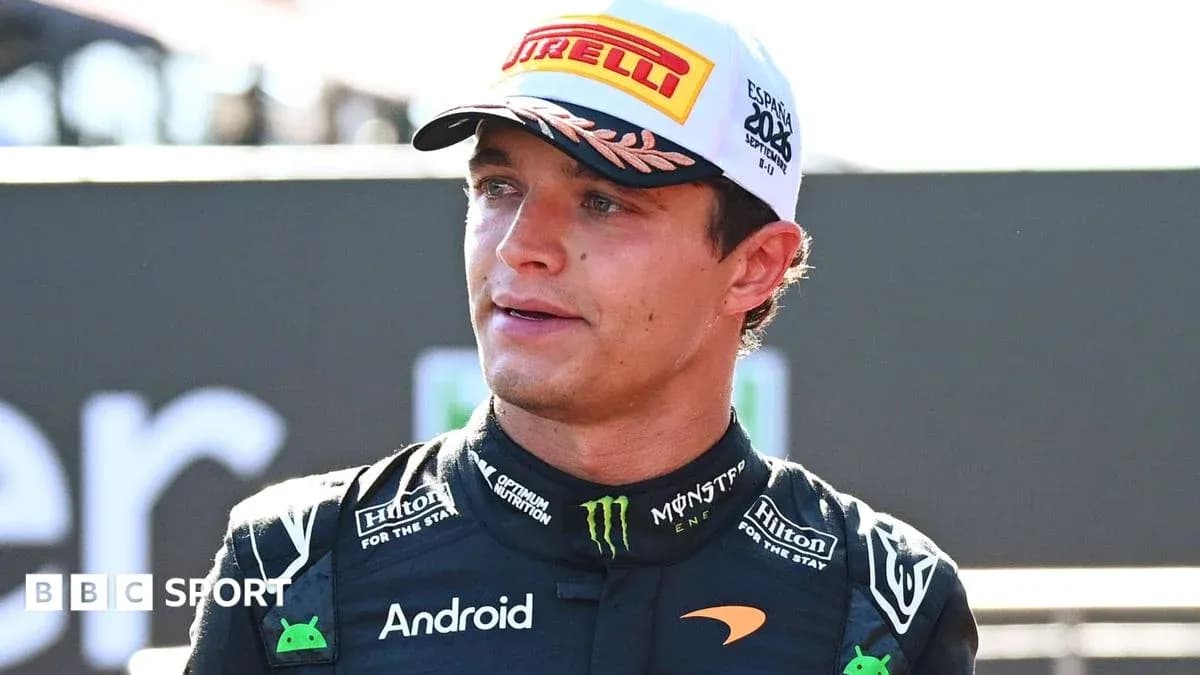
Lando Norris walked into the Madrid night knowing he had done almost everything right. Pole with what Andrea Stella called “a masterpiece” of a lap, control of the race, pace in hand. And then, with one line of race control text and a mistimed corner, it was gone.
Not to a mistake. Not to a lack of speed. To a rulebook quirk and a strip of tarmac that put the pit entry in exactly the wrong place at exactly the wrong time.
A win lost in 200 metres
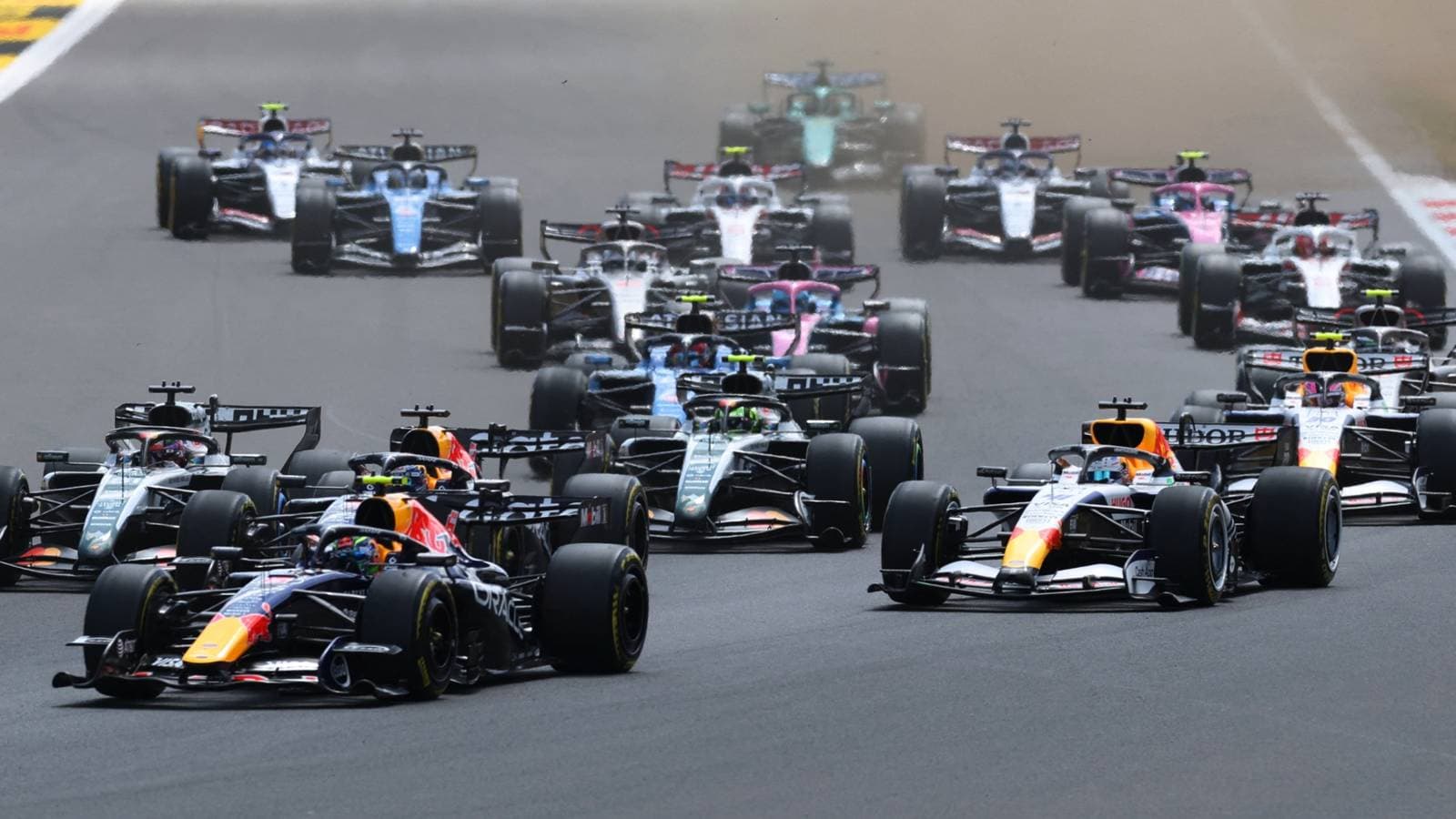
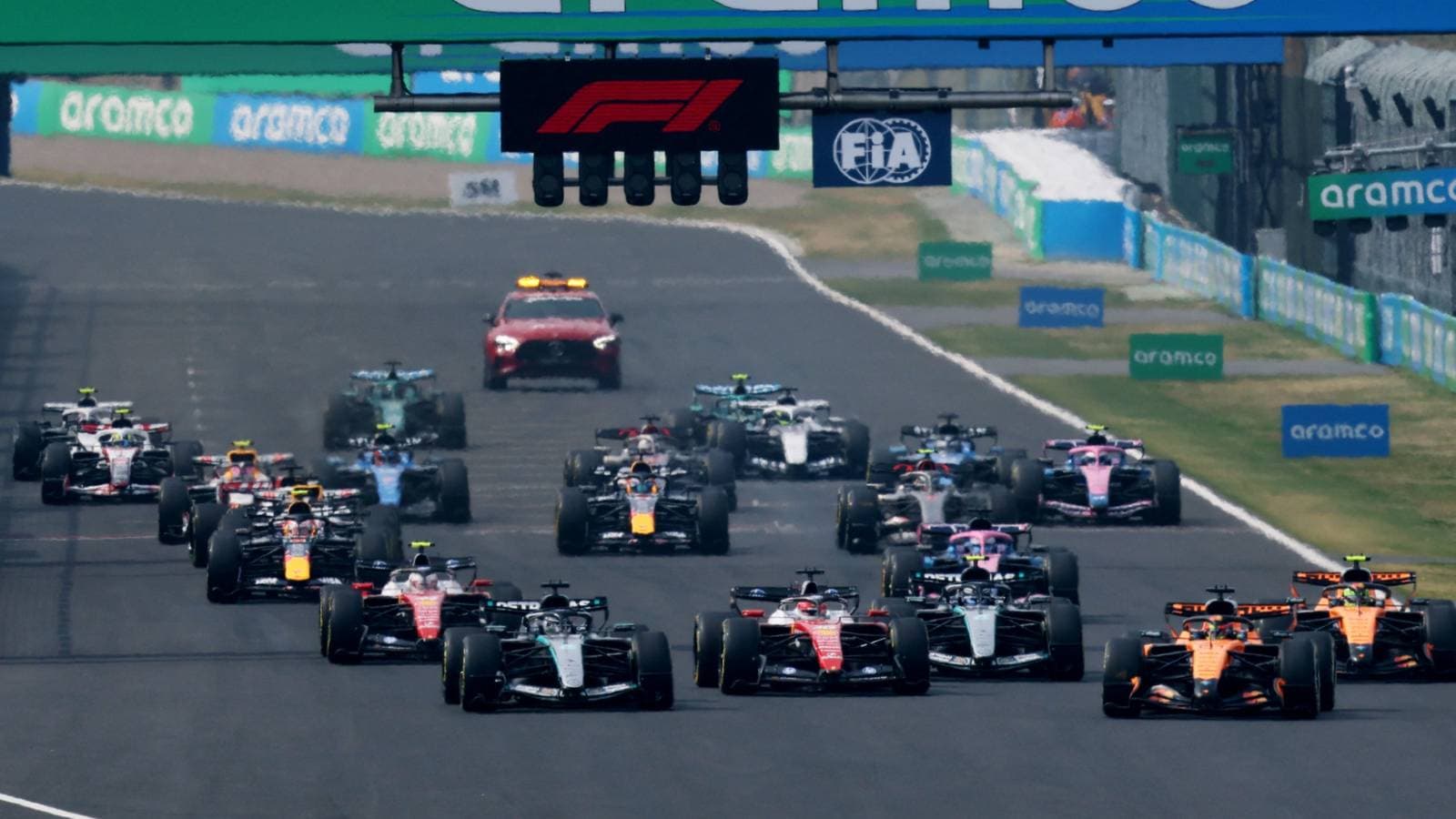
Norris was more than six seconds clear of Kimi Antonelli after 13 laps around the new Madring street circuit, McLaren’s orange car gliding away from the field. The race was his to manage. He had just swept past the pit lane entry at the end of lap 14 when Lance Stroll’s Aston Martin stopped in the Turn 20 run-off.
Virtual Safety Car.
The timing was brutal. Norris had no chance to dive in. Everyone behind did.
Antonelli and Max Verstappen were far enough back to see the call, peel into the pits and bolt on hard tyres while the field was slowed to the VSC delta. By the time Norris came back around, the VSC had already ended. His stop would be under green.
“It is a rule that should not define a whole race,” Norris said later, the frustration barely disguised. “I was the only one on the whole grid that didn't get the chance to do the pit stop. That's just unfortunate.”
The numbers told the story. A stop under VSC costs around 11 seconds less than a full-speed stop at the Madring, which has the longest pit lane on the calendar. Norris not only lost that chunk of time, he also dropped another five seconds to a problem on his two right-hand tyres during the stop. When he finally emerged, the race had been turned on its head: more than 15 seconds behind Antonelli, over nine behind Verstappen.
From there, it became a chase with no reward.
Stuck in a street-circuit cage
Norris’ pace on the hard tyre was ferocious. The McLaren carved into Verstappen’s advantage, hunting down the Red Bull and erasing a gap that had looked terminal. They had all been bottled up earlier behind Charles Leclerc’s Ferrari, which stayed out under the VSC, but once freed, Norris flew.
On a conventional circuit, the ending would likely have been different. With the speed he showed, he might have passed Verstappen, maybe even Antonelli. At the Madring, he simply ran into a wall of air and concrete.
“In the race, you're just stuck behind,” Antonelli admitted.
Overtaking was almost impossible. The layout, tight and awkward in its final sector, turned the closing laps into a procession. Norris arrived on Verstappen’s gearbox but had nowhere to put the car. The win he had controlled from the start dissolved into a third place he could do nothing to improve.
No wonder his assessment of the track design was scathing.
“I don't know how someone looks at this design and goes, ‘Mint,’” he said, though he conceded there was “a lot of opportunity” to improve it for next year.
Antonelli wins, but calls it what it is
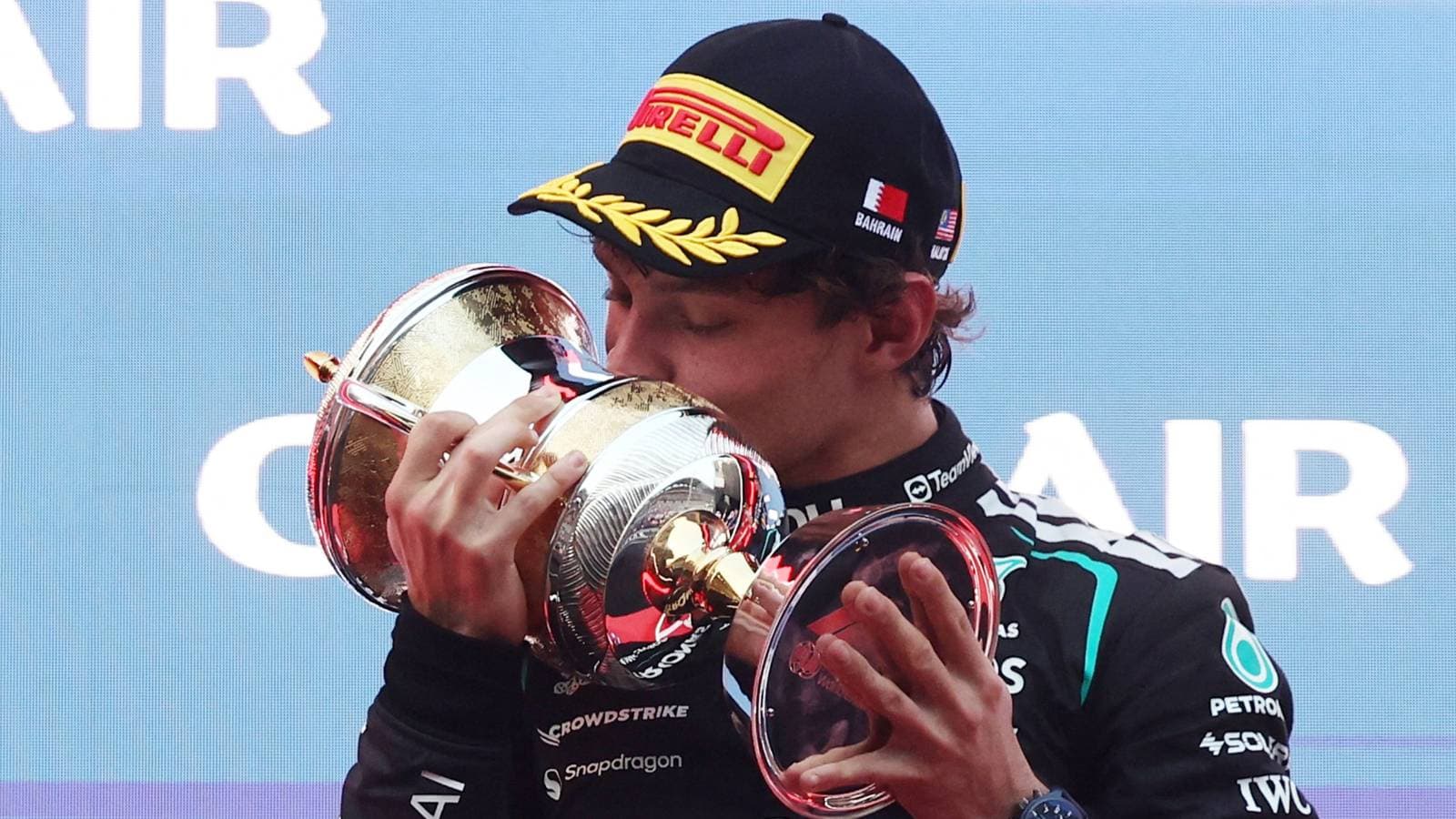
Antonelli took the chequered flag, the Mercedes rookie extending his championship lead to 81 points. On paper, it looked like another authoritative victory in a breakout season. He refused to dress it up.
“If I have to be realistic and honest, today we didn't deserve to win,” he said. “Lando deserved to win, and so I think our result was probably P2 or even P3.”
That kind of candour underlined what everyone in the paddock could see. Norris had been the class of the field. The VSC had simply flipped the board.
Every other driver had a choice: pit or stay out. Norris alone did not. The pit entry at the Madring sits before the final corner; he was already in that last turn when the VSC was triggered. One lap later, as he approached the pits, the VSC ended when he was at Turn 21, with Antonelli – already serviced – behind him at Turn 19.
The caution period was so short that it created a one-man trap.
Could McLaren have done anything?
The questions began almost as soon as the flag fell. Should McLaren have kept Norris out longer? Should they have pitted him earlier, pre-empting race control and gambling that Stroll’s stoppage would bring a VSC?
Norris was clear on the first point.
“I had to come in at the end of the lap because it was the only chance,” he said. On used mediums that he described as “destroyed”, staying out would have meant defending on old rubber against rivals on fresh hards that were “amazing”.
Andrea Stella agreed.
“You have to accept the fact that now you are on relatively used medium tyres. And the people behind you will be on new hard. So you're never going to open a gap on people on new hard,” the McLaren team principal explained.
As for anticipating the VSC, Stella did not dodge the hindsight.
“In hindsight, that would have been a good idea,” he admitted, before laying out the risk. With a 27-second pit loss at full speed, calling Norris in from the lead without a confirmed VSC could have thrown away a win on a misread.
“I would have to review with my engineers, see whether it was kind of obvious that it would end up in a virtual safety car,” he said. “Here, the problem is that you need to be extremely careful… From the lead, you pit unnecessarily, and now you have lost the victory.
“So a good rule is to respond to what is a fact, to what is the real condition of the circuit.”
McLaren played the percentages. The rulebook and the geography of the track punished them.
A rule under the spotlight
This was not the first time the VSC had swung a race. Norris knew that better than most.
“I've won from it in the past, I've lost from it in the past,” he said. “Over the course of a season, it's hard to know if it's a good thing or a bad thing. It probably equals out over time. Of course, it just hurts more, the fact that I lose a win. You know, there's literally nothing I could do as a driver today to do a better job.”
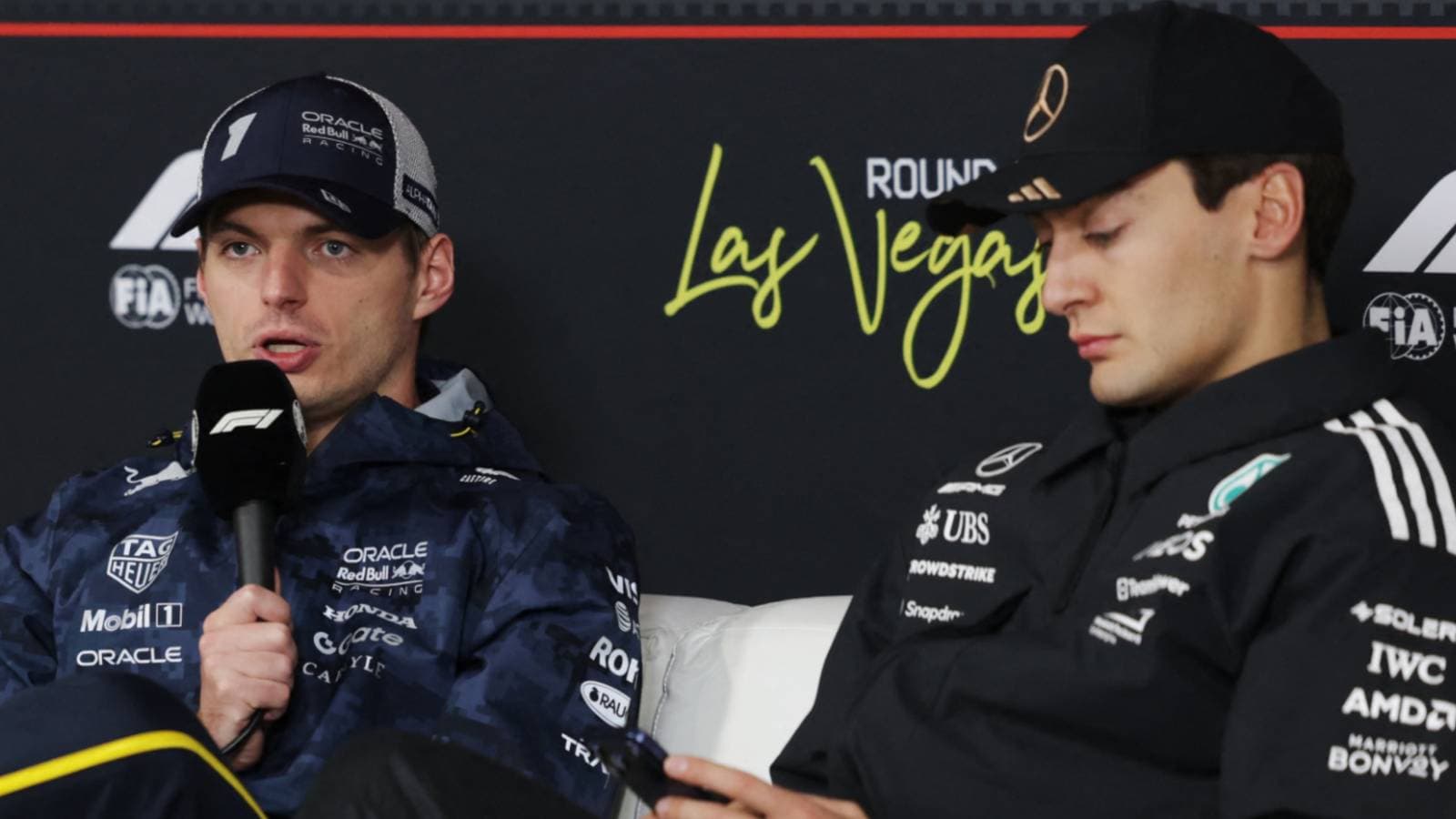
Verstappen echoed the sense that this was not a new problem, only a sharper example. He said it was a scenario the drivers had discussed many times with the FIA and suggested they would “probably talk about it in the next briefing and see if there is anything that can be done”.
Stella went a step further, pushing the debate towards the sport’s decision-making bodies.
“Perhaps there's a wider reflection that the Formula 1 community should apply as to whether you keep things like they are or you introduce ways of maintaining more fairness,” he said. He admitted he was “puzzled” about the right answer.
He floated one idea: guarantee that a VSC lasts at least a full lap so every driver has the same opportunity to respond, or at least faces the same conditions.
“Is it correct to give enough duration such that everyone will have been subject to the same track conditions? So, for instance, the virtual safety car lasts at least one full lap? Or you just keep it in the hands of the gods, and sometimes you are lucky, sometimes you are not. I'm not sure myself.”
Any change would not be quick. It would have to go through the Strategy Advisory Committee, then the F1 Commission, then into the sporting regulations. Unless, as Stella put it, “there's a big push from F1, from the institutions, FIA or F1, to say, like, 'we need to make this different'.”
A masterpiece without a trophy
For Norris, the sting lay in how complete his performance had been until the VSC intervened. He had delivered under pressure on Saturday, then backed it up with a controlled, dominant first stint on Sunday. His pace on the hard tyre, as he pointed out, allowed him to claw back “13, 14 seconds or more, almost” on rivals who had gained massively from the VSC.
“So, plenty of positives,” he said. “A day full of positives, just one thing let it all down.”
That “one thing” was a few seconds of race control timing and a pit entry drawn in the wrong place on a new street circuit. It turned a masterpiece into a case study.
For the title leader, it was another step in a remarkable rookie campaign. For the driver who should have won, it was a harsh reminder of how thin the margins are when the sport’s systems collide with its racing.
And for Formula 1, it leaves a question hanging over the paddock: is it acceptable that a race this well driven can be decided not by a rival’s brilliance, nor by a driver’s error, but by the luck of where a car happens to be when three words flash up on a timing screen?