Kimi Antonelli Defies Odds at Monza Grand Prix
Nineteenth on the grid at Monza. Home race. The sort of starting position that usually kills the romance before the lights even go out.
Kimi Antonelli had every reason to glare at the data screens.
Mercedes had pushed him to the back with an engine penalty, a call Toto Wolff put squarely on the team’s algorithms. The numbers, Wolff said, don’t care about sentiment. They don’t care about a driver’s passport, or that this was an Italian prodigy in front of an Italian crowd at the Italian Grand Prix. They simply spat out a cold verdict: take the hit here.
Those same systems ran the race simulations and drew another hard line under Antonelli’s Sunday. From 19th, the computers saw no miracle, no fairytale. A win? Off the table. The models gave him a top-five finish as his realistic ceiling, a strong recovery drive, nothing more.
Then the race began, and Antonelli ignored the script.
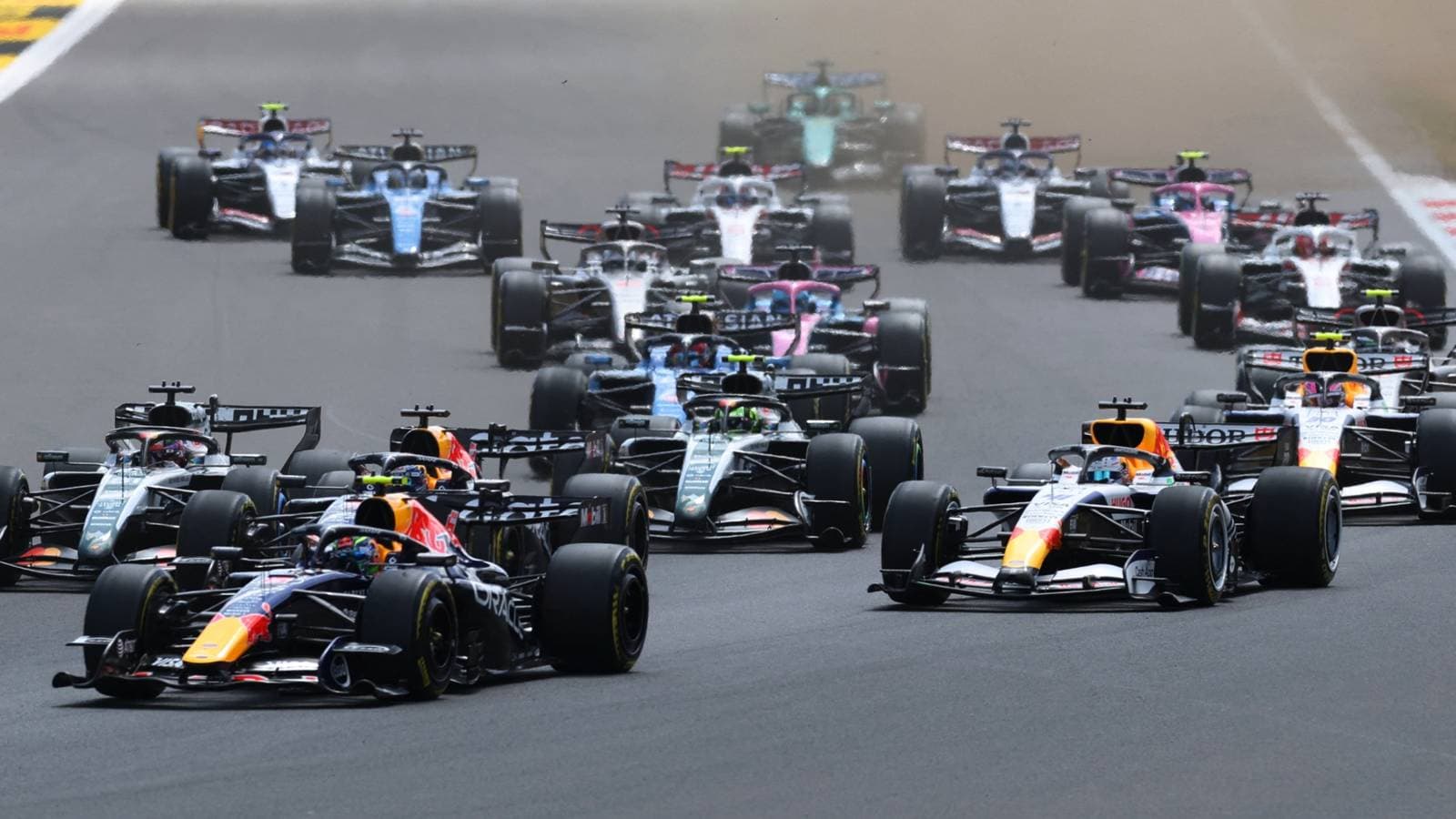
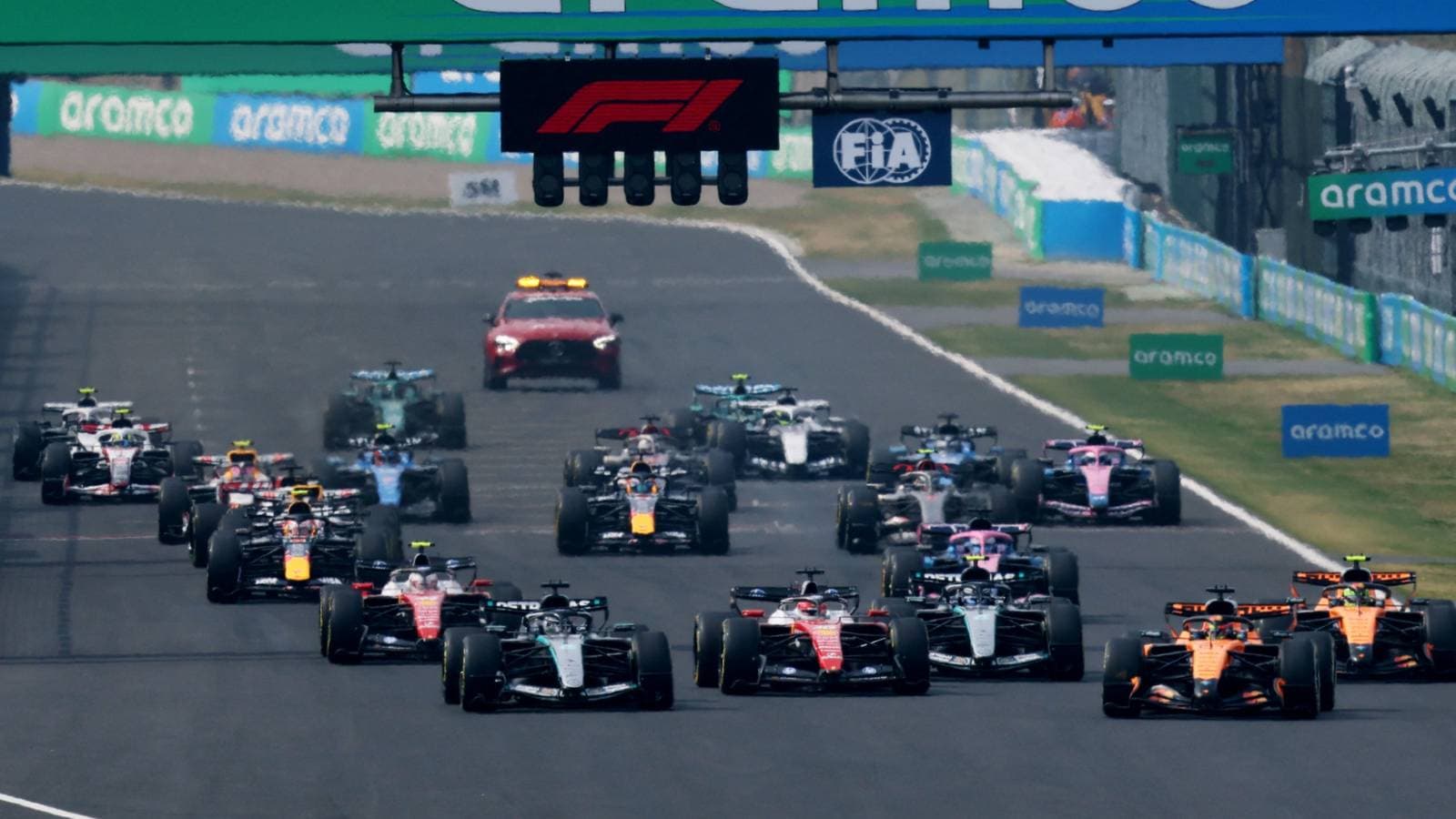
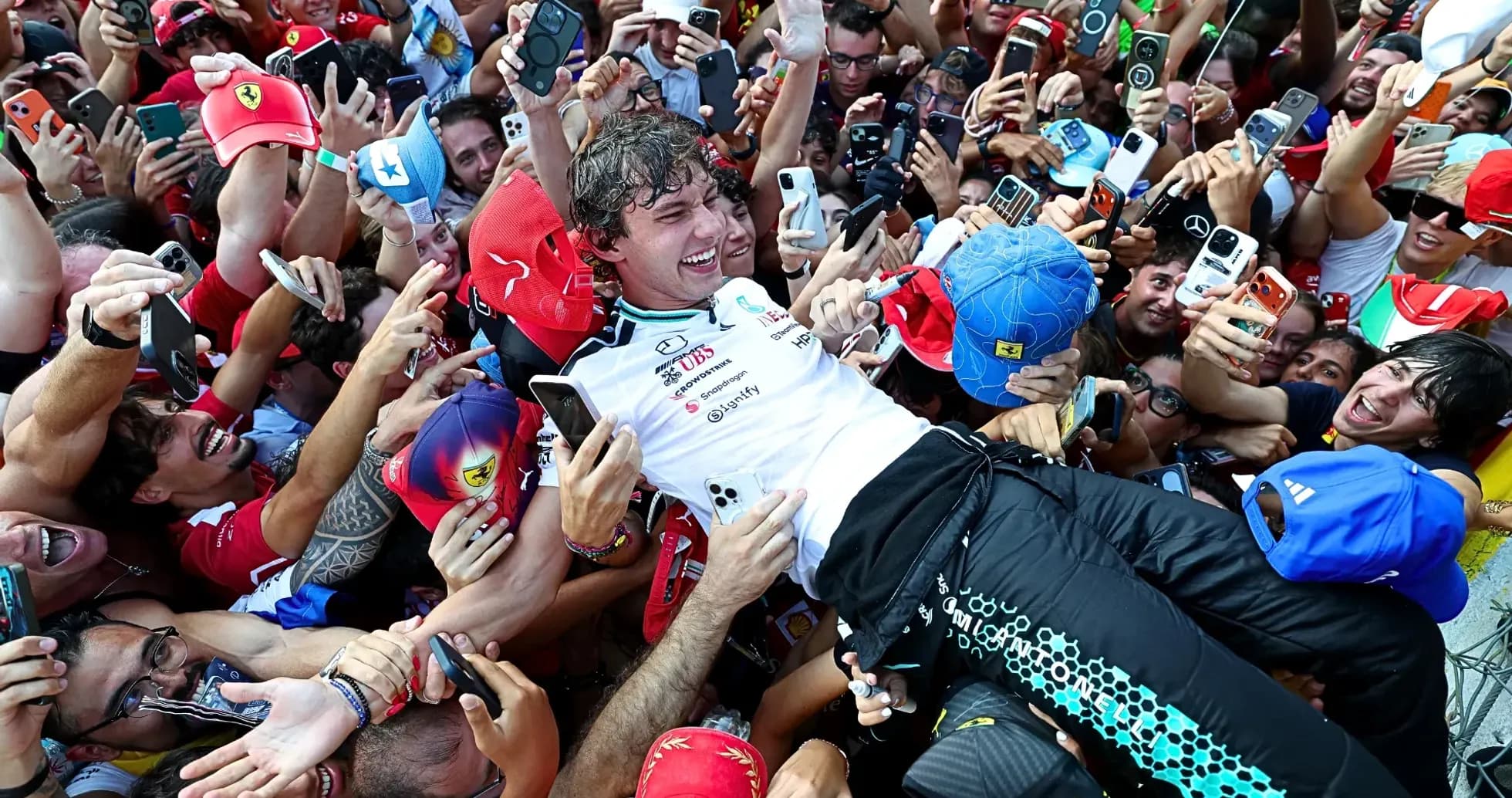
He sliced through the field with a mix of precision and aggression that belongs to drivers who don’t recognise limits written in code. Lap by lap, the impossible shrank. The crowd sensed it first, every overtake dragging a fresh roar from the grandstands.
By Lap 18, the numbers looked ridiculous. Antonelli, starting from the back, led his home Grand Prix. Monza, a track that punishes hesitation, had just watched a teenager tear up the projections.
The strategy models still tried to drag him back to earth. His tyre plan, according to the data, should have boxed him into second place at best. Too much wear. Too much to do. Too many variables stacked against him.
Yet for one spellbinding afternoon, the story wasn’t about algorithms or probability curves. It was about a young driver in front of his own people, defying a computer’s cold logic with every lap he stayed in the fight.