.svg&w=384&q=75 "logo")
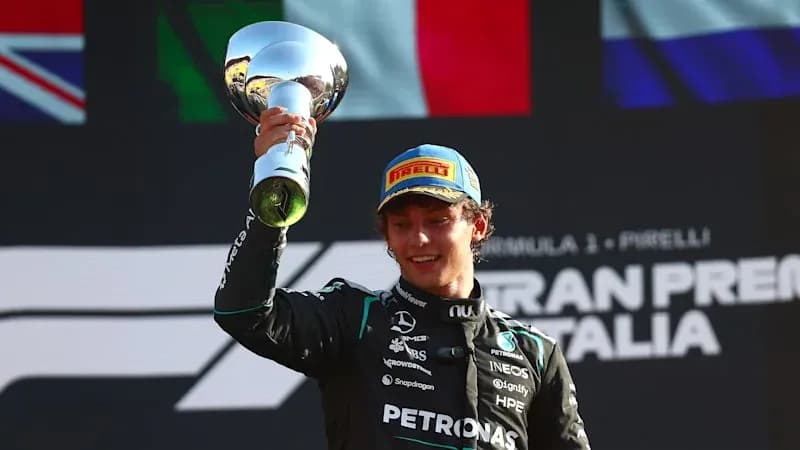
Kimi Antonelli's Historic Win at Monza
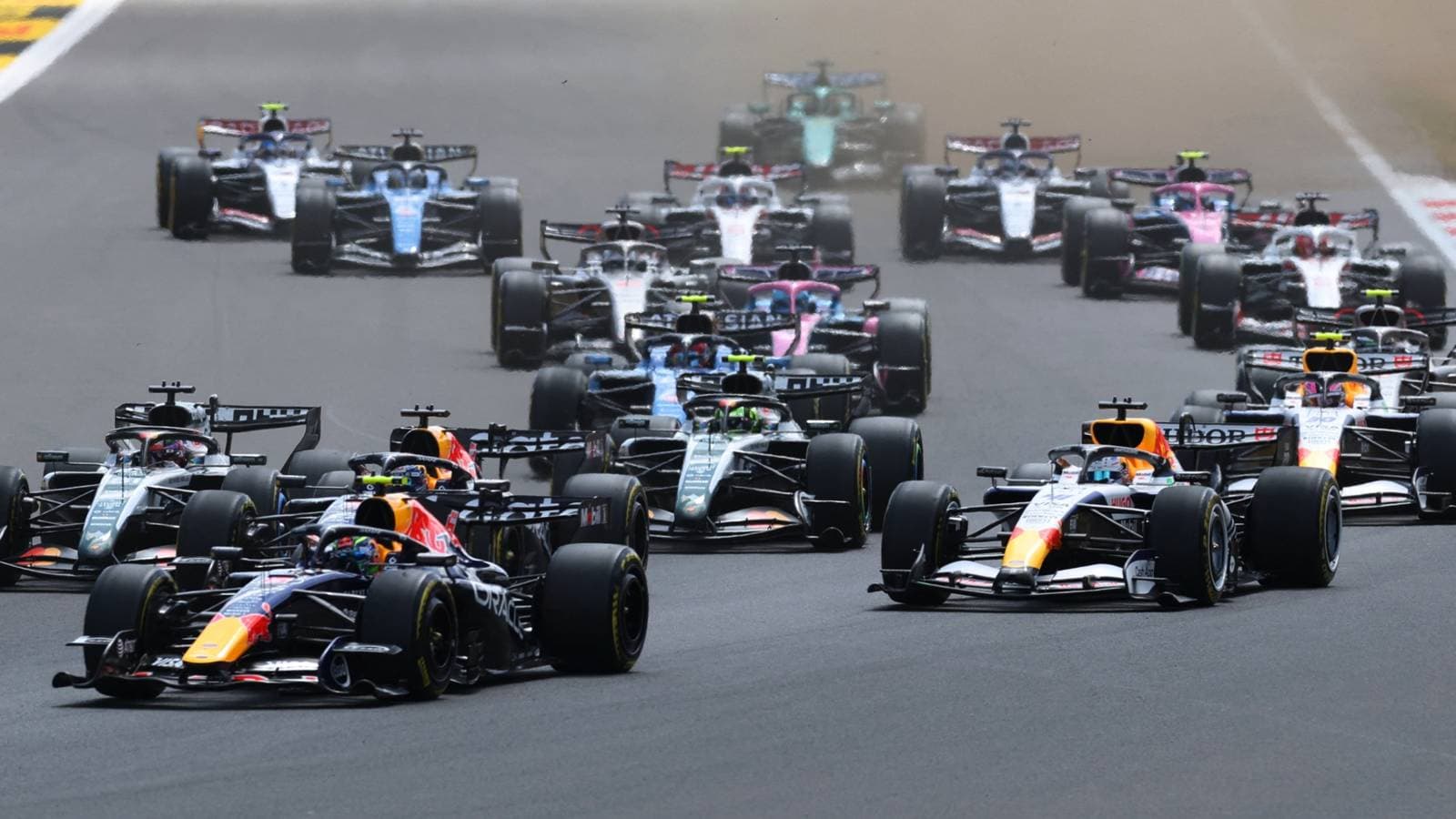
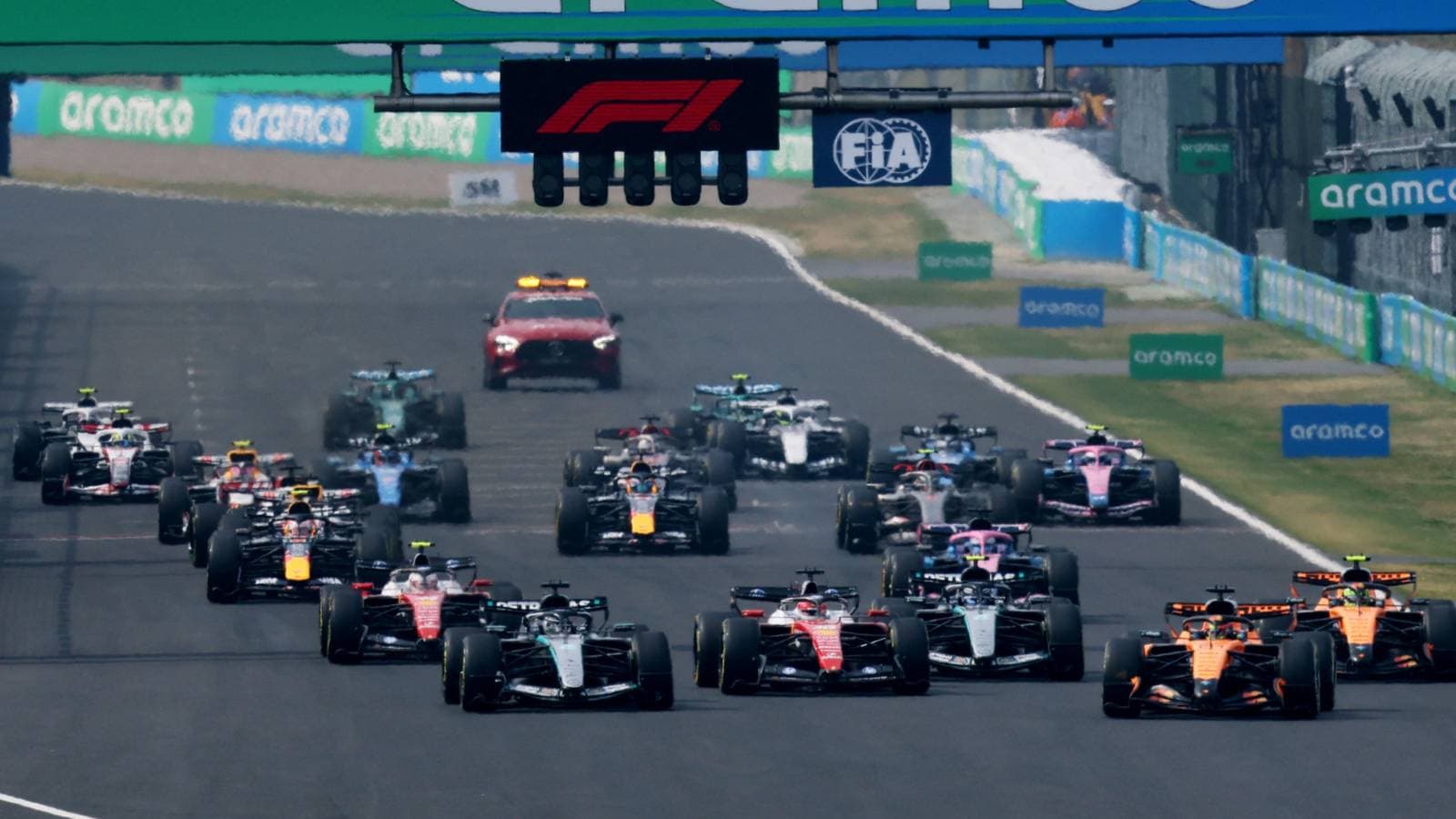
Kimi Antonelli arrived at the Italian Grand Prix buried in 19th on the grid, a home hero in name only, stuck in traffic at the back of the field.
He left Monza as the man of the season.
In a race that veered from chaos to pure theatre, the 20-year-old Italian carved his way through the pack and then stared down his own teammate, George Russell, to win at the Temple of Speed. From the penultimate row to the top step at Monza – it felt like fantasy. It was anything but.
By the chequered flag, Russell had to settle for second, his race defined by a strategic gamble that turned sour in the closing laps. Max Verstappen, quiet for much of the afternoon, erupted into life late on to wrestle third from Oscar Piastri after a ferocious scrap. Lando Norris mugged Piastri at the death, snatching fourth in the final seconds and leaving the Australian fifth and fuming.
On the grid, the emotions had been tense. At the finish, they were split wide open.
An Italian finally conquers Monza again
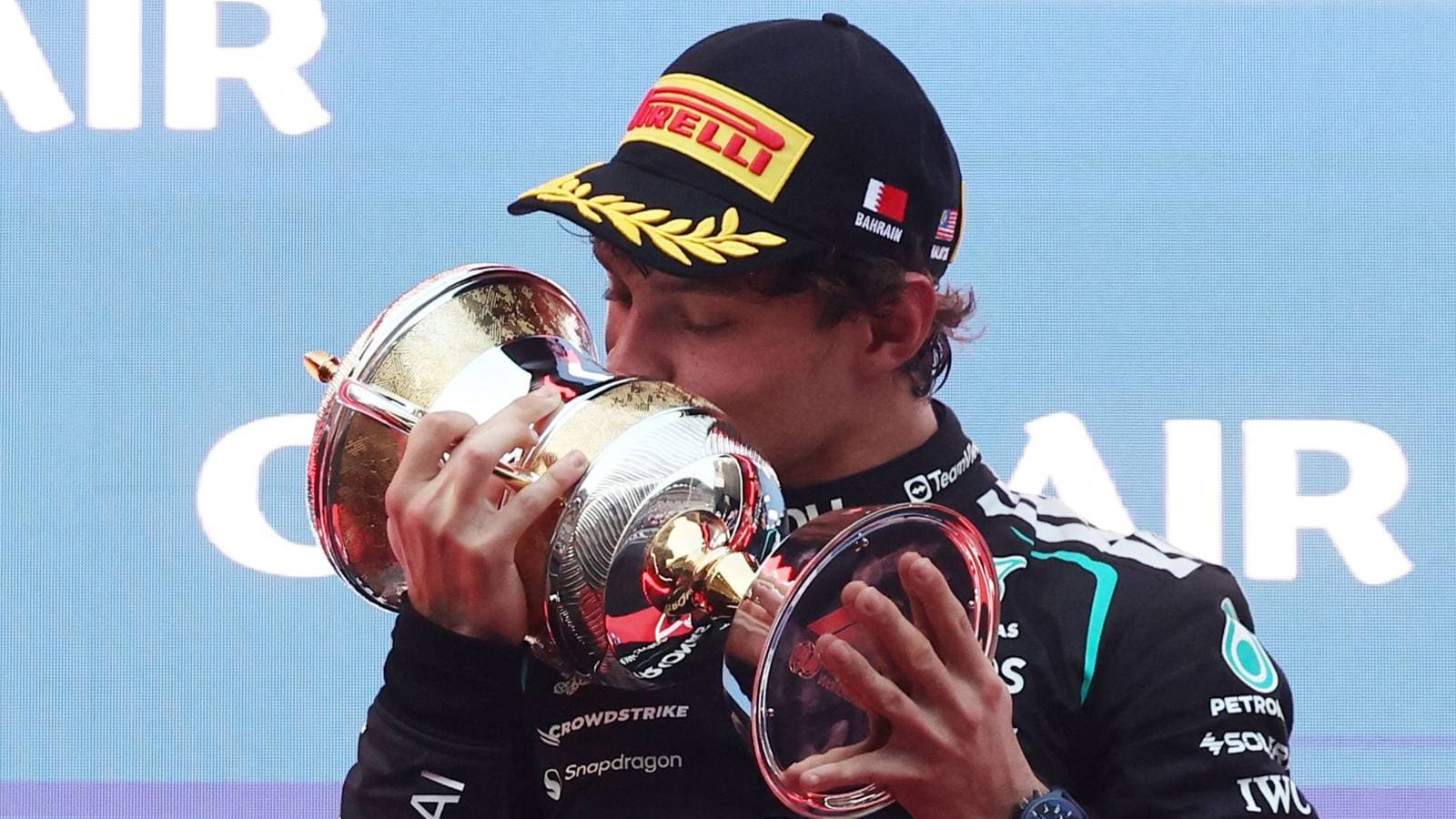
For Antonelli, this was not just a win. It was a release. He became the first Italian to triumph at Monza since Ludovico Scarfiotti in 1966, ending a drought that had hung over the circuit like a cloud for six decades.
He stood on the podium with tears streaking down his face, searching for words and finding only the raw truth of the moment.
“Unbelievable. I am so happy. I could never have imagined to be here today. We managed to pull it off, and I am really happy,” he said in his post-race interview, voice cracking under the weight of it all.
The scale of what he had done needed context. Only John Watson, who charged from 22nd to win the 1983 United States Grand Prix, has won from lower on the grid in Formula 1 history. Antonelli’s charge from 19th belongs in that tiny, rarefied category of comebacks that define eras.
Monza, with its long straights and brutal braking zones, invites bravery. At 5.793km and 53 laps, the circuit is a high-speed sketch of risk and reward, beginning with a flat-out blast into a tight first-chicane bottleneck at Turns 1 and 2. It is built for overtakes, for lunges, for late moves that decide careers.
On this day, it was built for Antonelli.
Gasly’s dream, Russell’s control – then disaster
Pierre Gasly had started the afternoon as the romantic storyline. On pole for the first time, chasing echoes of his emotional 2020 Monza victory – still his only F1 win – he had hoped to turn back the clock.
That hope evaporated quickly.
Gasly simply did not have the pace to live with the Mercedes pair. Russell pounced early, seizing the lead and easing into a rhythm that looked ominously like a Sunday stroll. For a while, this seemed destined to be his race: clean air, controlled pace, no real threat.
Then came the crash that tore the script to shreds.
Charles Leclerc lost control and slammed heavily into the barriers in the opening laps, a “monster shunt” that silenced the Monza crowd before turning their shock into despair. Ferrari red stood mangled against the wall; the Tifosi could barely watch. Marshals and officials rushed in, and the race ground to a halt while the barriers were repaired, causing a delay of around half an hour.
That accident changed everything. It reset the field, reshuffled strategies and cracked open opportunities for those willing to take risks. Antonelli, starting from the back, used the chaos to begin his climb. Piastri, too, suddenly found a path into podium contention.
Mercedes gamble – and the roll of the dice that broke Russell
Once the race settled again, the two Mercedes cars turned the front of the field into a private duel. Russell and Antonelli traded blows in lap time, the lead see-sawing in threat if not always in position, each pit window and tyre phase a new chapter in their internal battle.
The pivotal moment arrived not in a wheel-to-wheel fight, but in the pit lane timing screens.
Lance Stroll triggered a Virtual Safety Car, a brief neutralisation that always tempts strategists. Mercedes split their options. Antonelli dived into the pits under the VSC. Russell stayed out.
It looked bold. It made him vulnerable.
With fresher tyres and the time gain from stopping under reduced speed, Antonelli suddenly had the race in his hands. Lap by lap, he reeled Russell in, the gap shrinking, the inevitability growing. What had looked like Russell’s controlled march to victory turned into a desperate defence.
He could not hold on. In the final laps, Antonelli pounced, the younger driver ripping the lead away and charging clear to one of the most dramatic wins Monza has seen in decades.
Russell, ever composed, kept his frustration in check when the microphones arrived, but he did not hide his surprise at the call that shaped his afternoon.
“I thought we were both going to stay out, I was surprised to see him pitting,” he admitted. “In the end, it was a roll of the dice both ways.”
This time, the dice landed on Antonelli’s side of the garage.
Verstappen’s late surge and McLaren’s internal storm
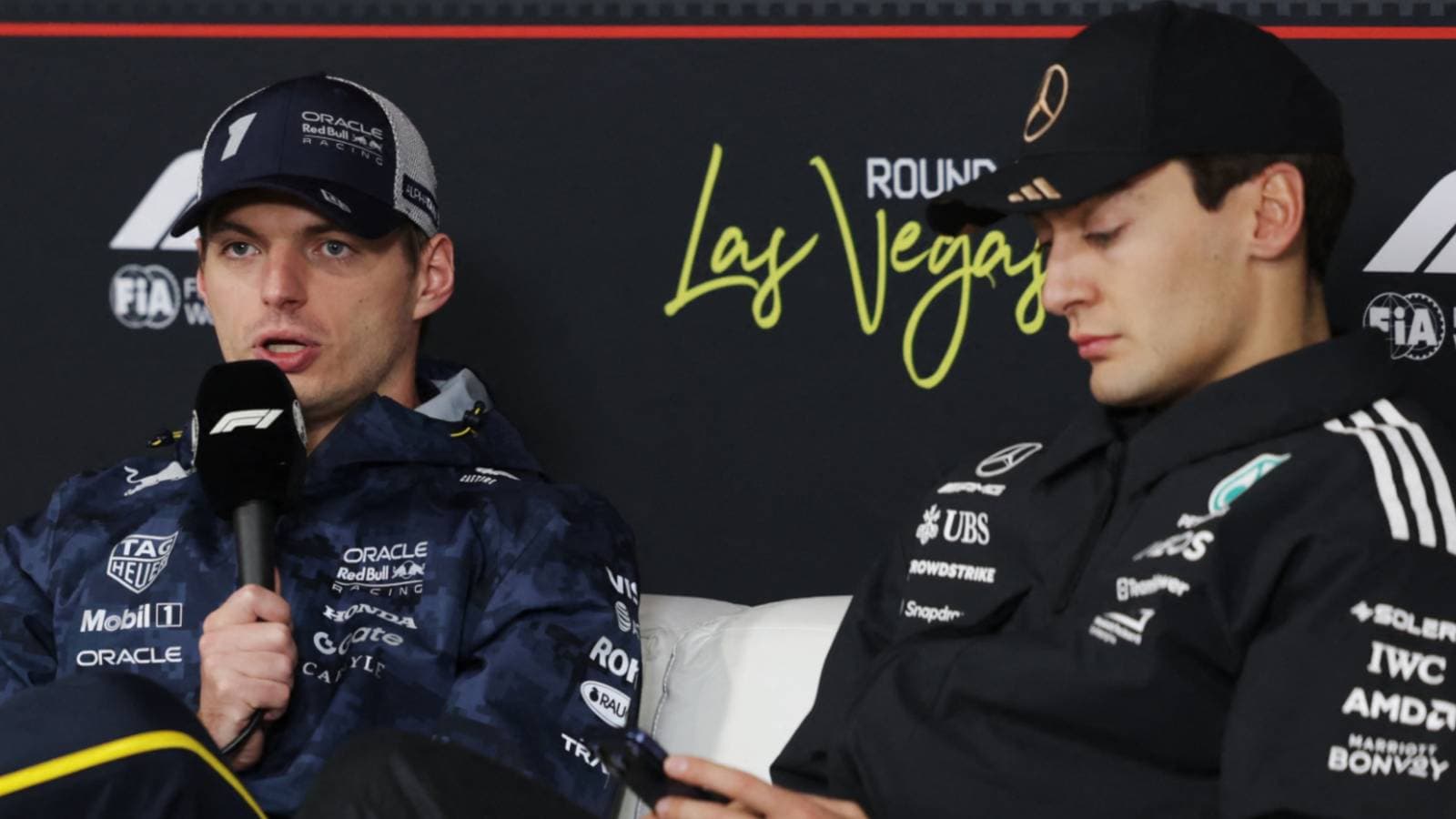
Behind the Mercedes drama, Verstappen built his own story. It was not the crushing dominance that has defined so many of his wins, but a gritty, opportunistic drive. He stalked the McLarens, then launched into an extraordinary battle with Piastri for the final podium place.
The two traded attacks, Verstappen finally forcing his way through to seal third. It was the kind of fight that leaves tyre marks and bruised egos, and it pushed Piastri into a different kind of pressure – the one coming from his own teammate.
Norris sensed weakness and went after Piastri as the laps ticked down. The McLaren pair came perilously close to disaster. Norris tried to sweep past, Piastri held firm on his line, and the radio crackled with anger.
“He pushed me off track,” Norris snapped. “That was dangerous.”
McLaren’s pit wall intervened, reminding Piastri to keep it “clean racing”. The message was polite; the subtext was not. The team did not want a civil war at 300km/h.
In the end, the final blow came late. Norris found a way through in the dying moments of the last lap, stealing fourth and pushing Piastri to fifth. For the Australian, who has been chasing another podium since his third place in Miami back in May, it cut deep.
He had been in the fight for third. He left with nothing more than frustration and a longer wait.
A home win that rewrites expectations
By the time the cars rolled back into parc fermé, the scene around Antonelli said everything. Italian flags waved from every stand, Monza’s old concrete grandstands shook, and a 20-year-old who had started 19th stood as the new face of a nation’s racing hopes.
David Croft captured the mood over the world feed with a line that felt almost understated: “You can’t script things like that.”
He was right. You cannot script a kid from the back of the grid beating his teammate, outfoxing strategy, and ending a 60-year Italian wait at Monza in one of the wildest races of 2026.
You can only watch it happen and wonder what this win has just unleashed for the rest of his career – and for everyone now trying to stop him.