Kimi Antonelli Dominates Italian Grand Prix from 19th on Grid
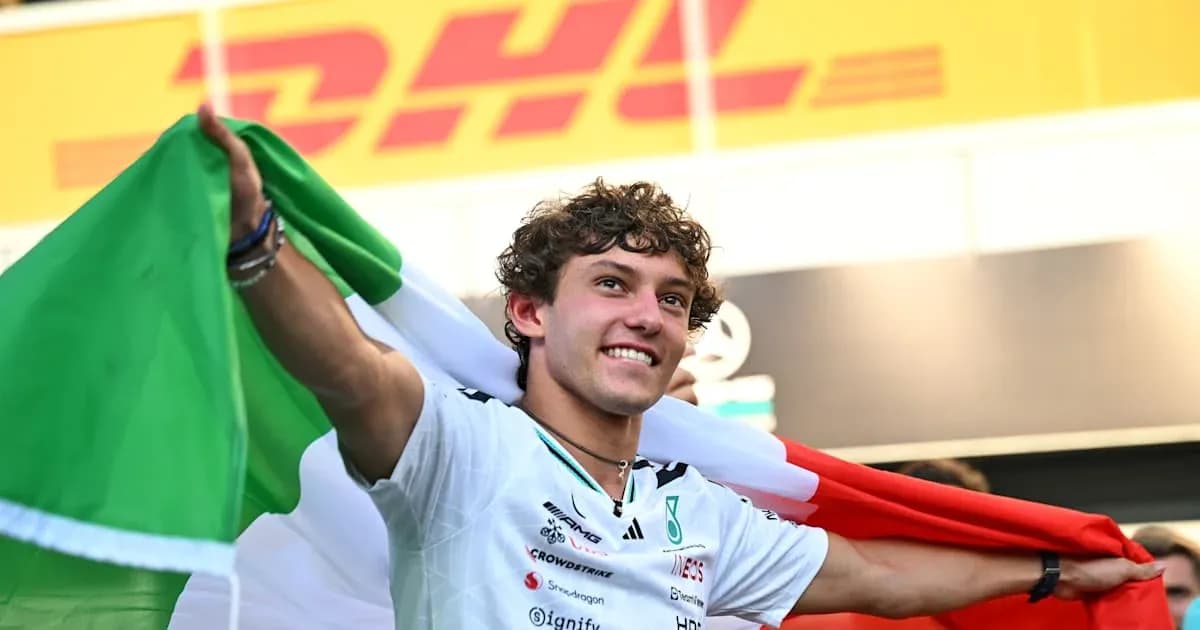
Kimi Antonelli came home to Monza and tore up the script.
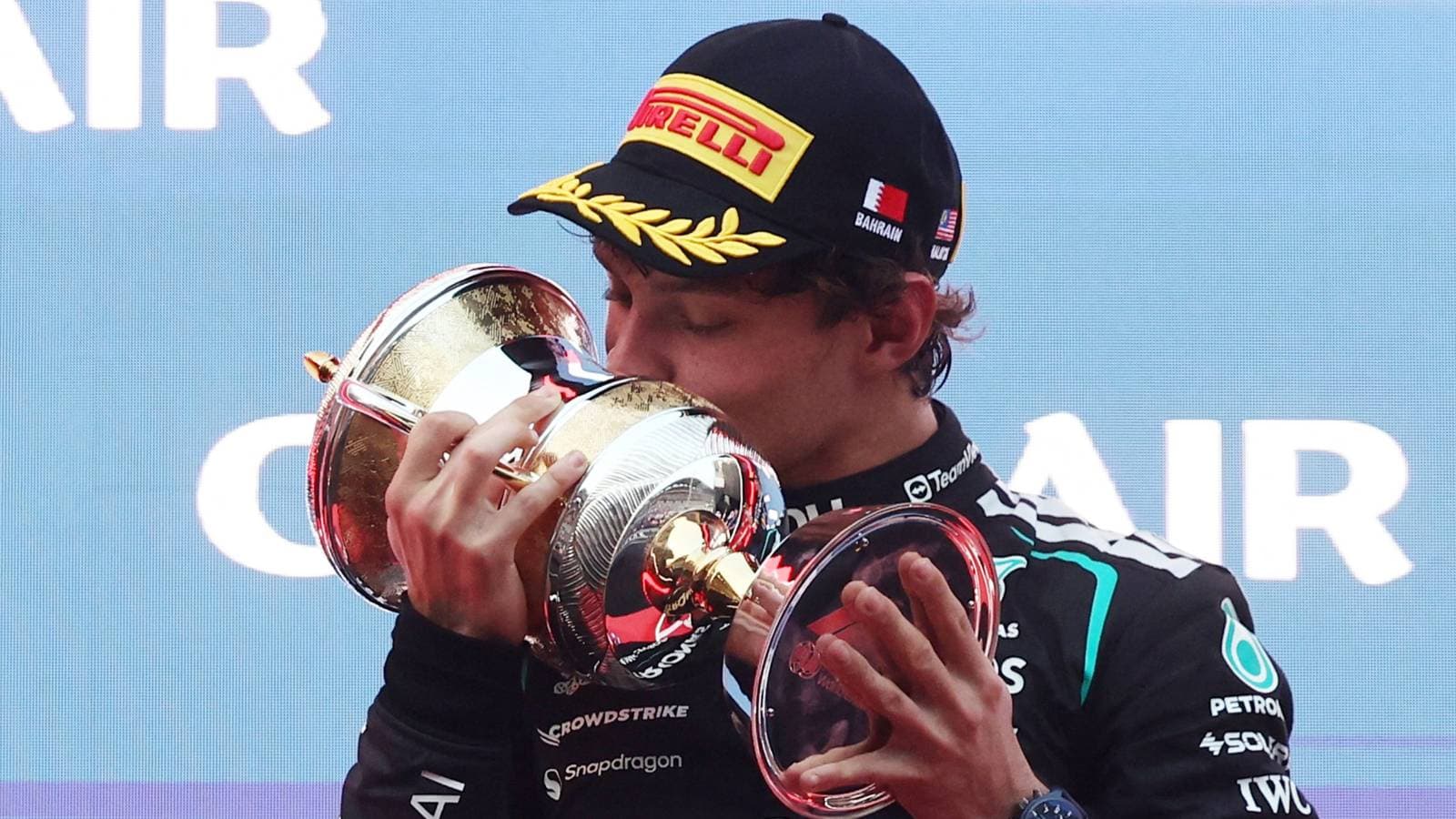
From 19th on the grid to victory at the Italian Grand Prix, the 20-year-old didn’t just win his home race. He owned it. Seven wins for the season now, and a World Championship lead that has swelled to 66 points over team-mate George Russell. On a circuit that has made and broken careers, Antonelli made it feel like his personal playground.
A gamble, a red flag, and a charge
Mercedes arrived at Monza with quiet conviction. Toto Wolff admitted he had a feeling before the lights went out: it would be either Russell or Antonelli.
“I thought one of the two would win. Either George or Kimi, because he’d be flying here at Monza. I could sense that yesterday,” Wolff said afterwards.
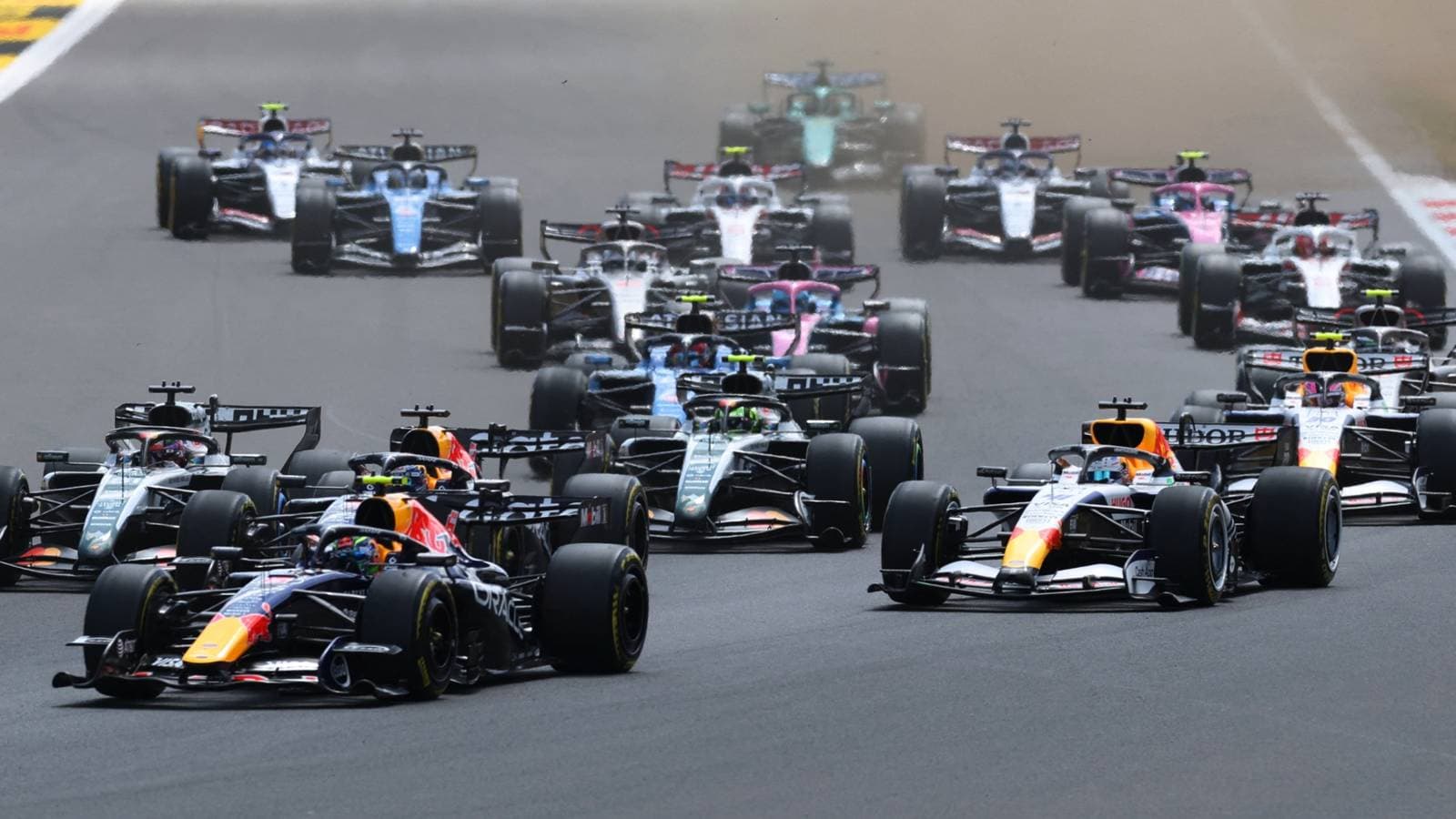
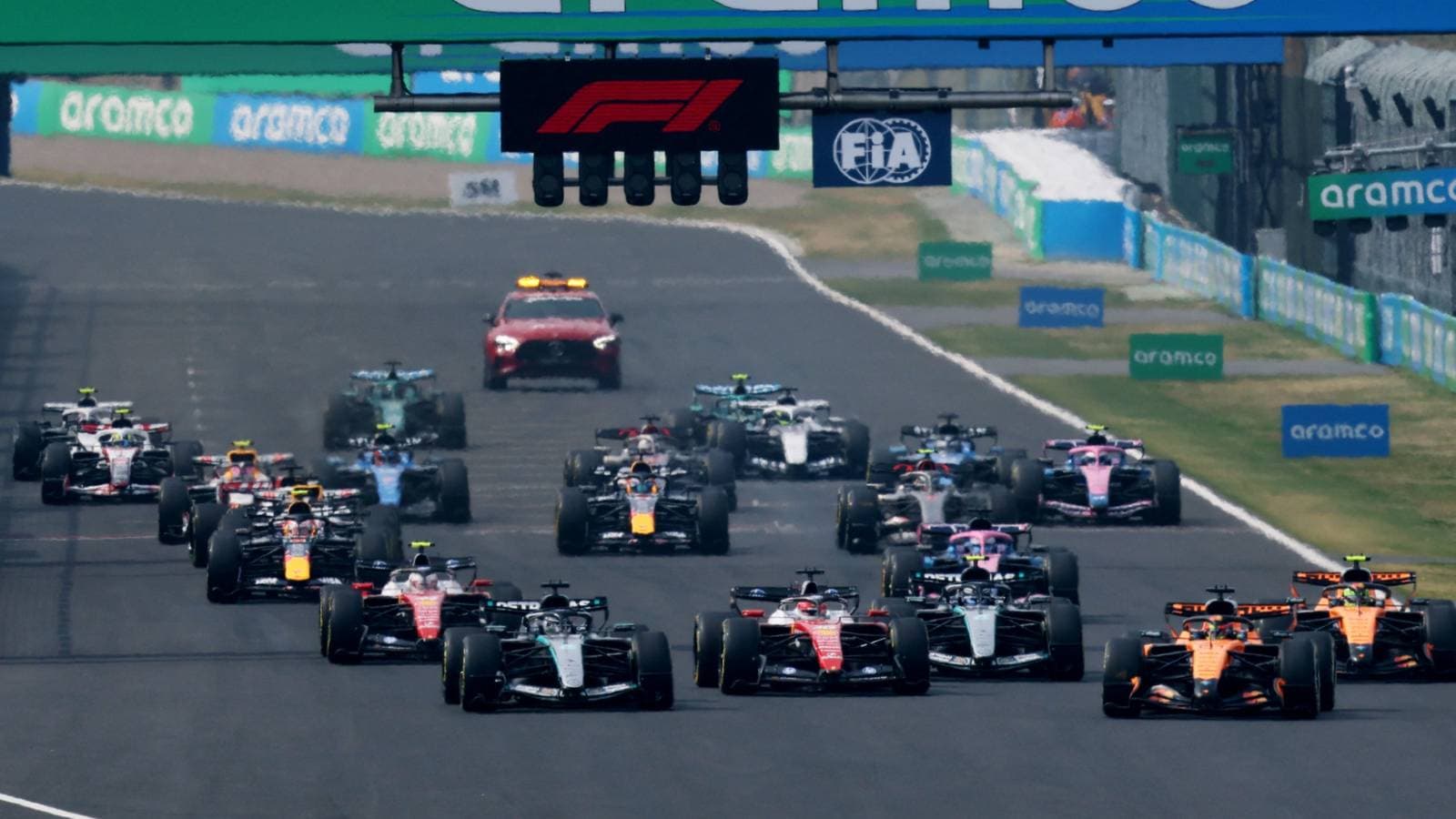
The plan, at least on paper, was simple. Start Antonelli on hard tyres from 19th, run a one-stop, let the car and his race craft do the rest. Then Charles Leclerc hit the barriers on lap 3, the red flag came out, and the strategy board at Mercedes lit up.
The early stoppage shredded the original idea. The hard tyres bolted on at the start suddenly looked like the wrong call. Under the red flag, Antonelli dropped into the group on mediums, the race reset around him.
What looked like a setback became the turning point.
“We had to go for a one-stop strategy on the hard tyres. And we knew he’d fight his way through the field,” Wolff explained. “Then the race was interrupted by the red flag, and suddenly he fell behind on the medium tyres. And that turned out to be the right strategy.”
The models didn’t offer certainty. Inside the Mercedes garage, the software saw a marginal edge.
“We didn’t know which strategy was better,” Wolff admitted. “At that point, the system indicated that the one-stop strategy would have the edge. The two-stop strategy would catch up towards the end, but wouldn’t quite be able to close the gap. That’s what the software said.”
The software, though, doesn’t overtake anyone into Turn 1 at Monza. Antonelli did.
Fighting through the chaos
This wasn’t a victory built on clean air and track position. It was carved out of traffic, risk and aggression.
For Wolff, that was the true difference-maker.
“The decisive factor was the ability to fight through the traffic,” he said. “And we’ve seen that before with other greats like Lewis (Hamilton), who’s managed to do that in a few races. And that’s exactly what he showed today. There’s simply no stopping him now. When driver and car are one, nothing can hold them back.”
Lap after lap, Antonelli sliced past rivals, using Monza’s long straights and heavy braking zones as his personal hunting ground. The car was quick, but the intent was quicker. Once he found rhythm, the race bent towards him.
In the paddock, nobody seemed remotely surprised. Not even in his own family.
Wolff revealed he had spoken to Antonelli’s father the day before the race. The mood was telling.
“I knew that was his mission today: to win the race. And I spoke to his father yesterday. His father saw it coming too. These are the moments when, as the sessions unfold, you can sense how a weekend is developing and that a special moment might be on the cards. But it’s still a technical sport, so things can change quickly.”
This time, nothing did.
From “deer in the headlights” to title favourite
Wolff’s press conference barely mentioned Russell. The spotlight was fixed on Antonelli and the remarkable speed of his evolution.
“It’s been a while since I’ve seen a driver with this kind of energy, attitude, mentality or behaviour,” Wolff said. The admiration was clear, but so was the memory of how far Antonelli has come.
His debut year was rough in places. It was supposed to be.
“Last year went according to plan. I said there would be brilliant moments, but also more difficult ones,” Wolff recalled. “And I think that’s how he started the season – back then he was like a deer in the headlights. In the car, he was in the right frame of mind and was already putting in exceptional performances, but not consistently.”
The numbers tell the story. A brutal run of nine races without scoring a single point. Spa, Wolff remembers, hit particularly hard.
“I remember that Spa was awful for him and he was really down. Monza was the point where I said to him for the first time: ‘Listen, you need to wake up.’ But I never doubted him. That’s why we gave him the chance.”
That conversation at Monza then now echoes against the backdrop of Monza today. Same track, very different driver.
The “AI agent” in a racing suit
The transformation truly ignited in 2026. After the winter break, Antonelli returned as if someone had rewritten his code.
“And then he came back after the winter break and got off to a start that nobody had expected,” Wolff said. The pressure, the scrutiny, the headlines – all of it seemed to fuel him.
“He felt the pressure from the media, the attention he was getting. In a way, the system processed and stored that. And that’s why we saw those results afterwards. But it’s still surprising and astonishing to see how quickly he’s developing.”
Wolff reached for a modern comparison to capture it.
“To me, he’s like an AI agent who’s constantly improving himself and learning. That’s the speed. And his age is certainly an advantage here too – the ability to keep getting better cognitively and intellectually.”
At Monza, that “agent” executed almost flawlessly. Data, instinct, bravery – all aligned in a drive that felt inevitable long before the chequered flag fell.
Seven wins. A 66-point cushion. A home race conquered from the back of the grid.
If this is how fast Kimi Antonelli is learning now, the real question for the rest of the field is simple: how do you stop a driver who seems to get stronger every single weekend?