.svg&w=384&q=75 "logo")
Ismaila Sarr Transfer Saga Reveals Fault Lines in Premier League Market
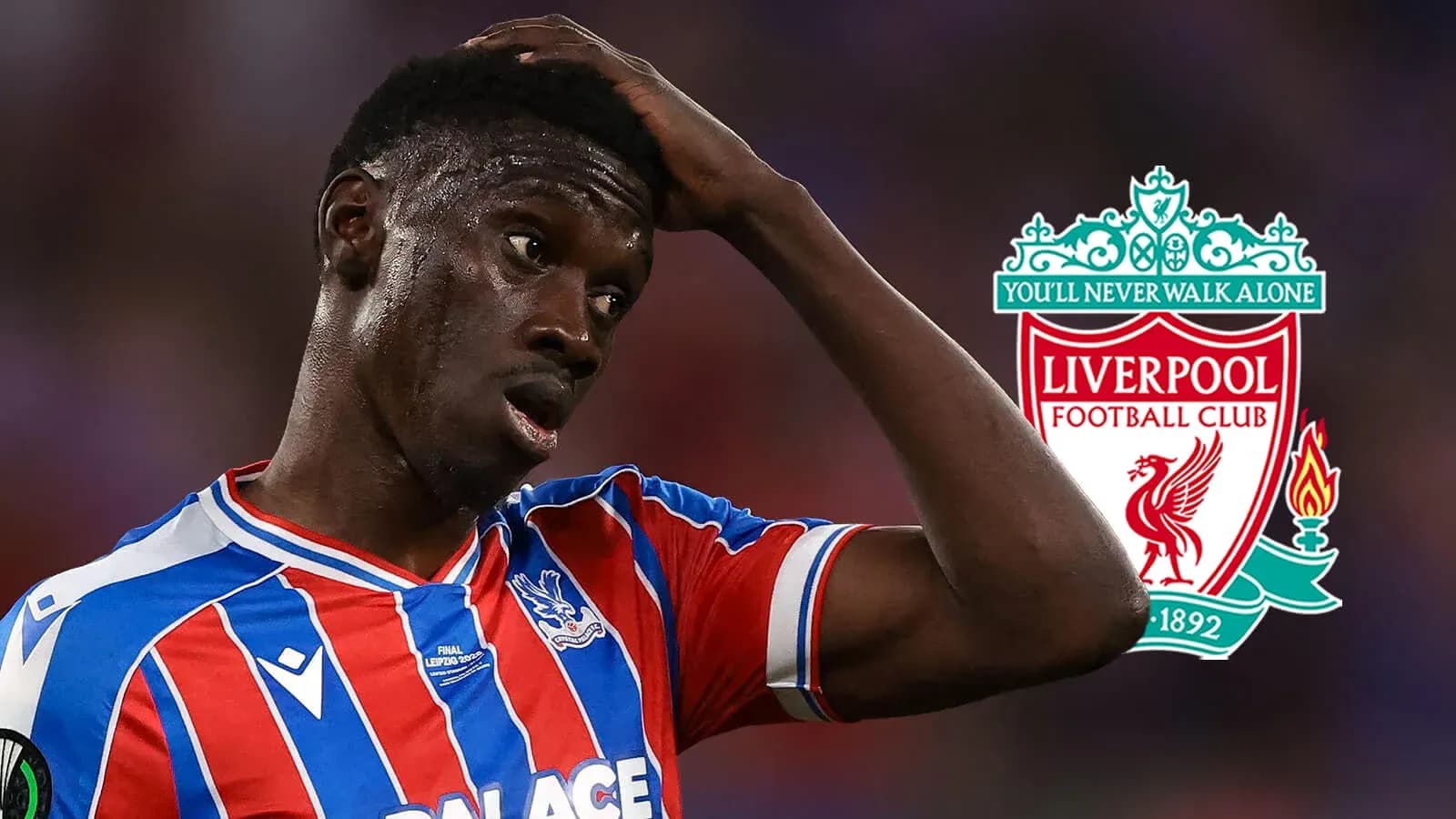
Liverpool’s late push for one more winger ended in frustration. For Ismaila Sarr’s camp, it ended in something closer to indignation.
The Crystal Palace forward’s agent, Diomansy Kamara, has broken cover after the collapse of Liverpool’s move for his client, using a lengthy statement to challenge how African players are treated in high‑stakes transfer dealings.
Liverpool’s winger hunt hits a wall
Liverpool went hard into this window for wide players. Victor Munoz arrived. Bradley Barcola followed in a huge £123million deal that underlined the club’s willingness to spend for the right profile.
They wanted a third winger to complete the picture.
Talks were held with Crystal Palace for Sarr and with Brighton over Yankuba Minteh. Liverpool also explored Ibrahim Mbaye during negotiations for Barcola, only to step aside as the 18‑year‑old headed to Aston Villa for €55m (£47m).
For Sarr, the numbers climbed quickly. Liverpool made a £40m approach. Reports from Fabrizio Romano suggested a £50m offer as well, claims that were later knocked back by other sources. What is not in dispute is how the deal died: Palace set their price at over £50m and made it clear they would not sell so late in the window.
At that point, Liverpool walked away.
They were not alone in circling. Manchester United and Galatasaray also showed interest, with Sarr deleting all Palace-related photos from his Instagram as he tried to push a move into reality. United never pushed beyond initial admiration. Galatasaray’s bids came nowhere near the £50m threshold.
The forward stayed where he was. The frustration did not.
Kamara’s message: “Our African players deserve respect”
Kamara, who also represents Monaco midfielder Lamine Camara, watched a second major deal crumble in the same window. A £47m move for Camara to Chelsea fell apart at the last minute when Monaco pulled out.
Those two collapses prompted him to go public.
“The cases of Ismaïla Sarr and Lamine Camara must all interrogate us,” he wrote, before widening the lens to the broader treatment of African players.
“We have to get out of this logic where the African player can sometimes give the feeling that he is just a commodity: you buy it, you set its price, you negotiate its future and, too often, your will seems to go to the background.
“Our African players deserve respect. The respect of their work. The respect of their career. Respecting their ambitions. The respect of their voices.
“A transfer shouldn’t just be a matter of two clubs and numbers. Behind every contract, there’s a man, a career, dreams and life choices.
“The fact that clubs can sometimes have the final word is a reality of professional football.
“But one question remains: what about the career and the will of the player? The player must be able to be heard and respected in the decisions that determine his future.
“Let’s never forget what’s important: behind every success, it’s the players who write history first.”
It was not a rant about one failed move. It read as a challenge to the system that allowed two of his clients to be pulled back from the brink of career‑defining transfers.
Brighton stand firm, Liverpool step back
Liverpool’s frustrations were not limited to Sarr.
Their pursuit of Yankuba Minteh ran into an even higher wall. Verbal offers of £50m and £60m were rejected by Brighton, who have become specialists in extracting maximum value for their assets.
Andoni Iraola’s side considered going again, with an improved bid in the region of £65–70m. Brighton’s response — an £80m valuation — effectively ended the conversation. The price was simply too steep.
So Liverpool leave the window with Barcola as the marquee attacking addition, but without the extra winger they had targeted to round out the frontline. Concerns among supporters are already surfacing, not just about the depth out wide, but also about the lack of a new right-back and central midfielder.
Power, price and the player’s voice
From a club’s point of view, Palace and Monaco exercised their rights. They set their valuations, protected their assets, and, in the end, refused to sell. Brighton did the same with Minteh, only at a higher level still.
From Kamara’s point of view, that is precisely the problem: the power of the institution dwarfs the voice of the individual.
Sarr remains at Crystal Palace, a player who tried to engineer a move and scrubbed his social media of club imagery, yet finds himself back in the same dressing room, expected to flip the switch and deliver. Camara stays at Monaco, his Chelsea move gone in a moment.
Liverpool, meanwhile, will move on to the season with what they have, their recruitment team knowing exactly how close they came to reshaping the forward line again.
The deals are off, the window is shut, but Kamara’s question lingers over the market: in an era of soaring fees and hardening stances, how long can football keep sidelining the player’s will and still claim that it is his game?