Honda's Leadership Shake-Up in Formula 1 Engine Project
Honda has moved swiftly to shake up the leadership of its Formula 1 engine project after a bruising start to life with Aston Martin.
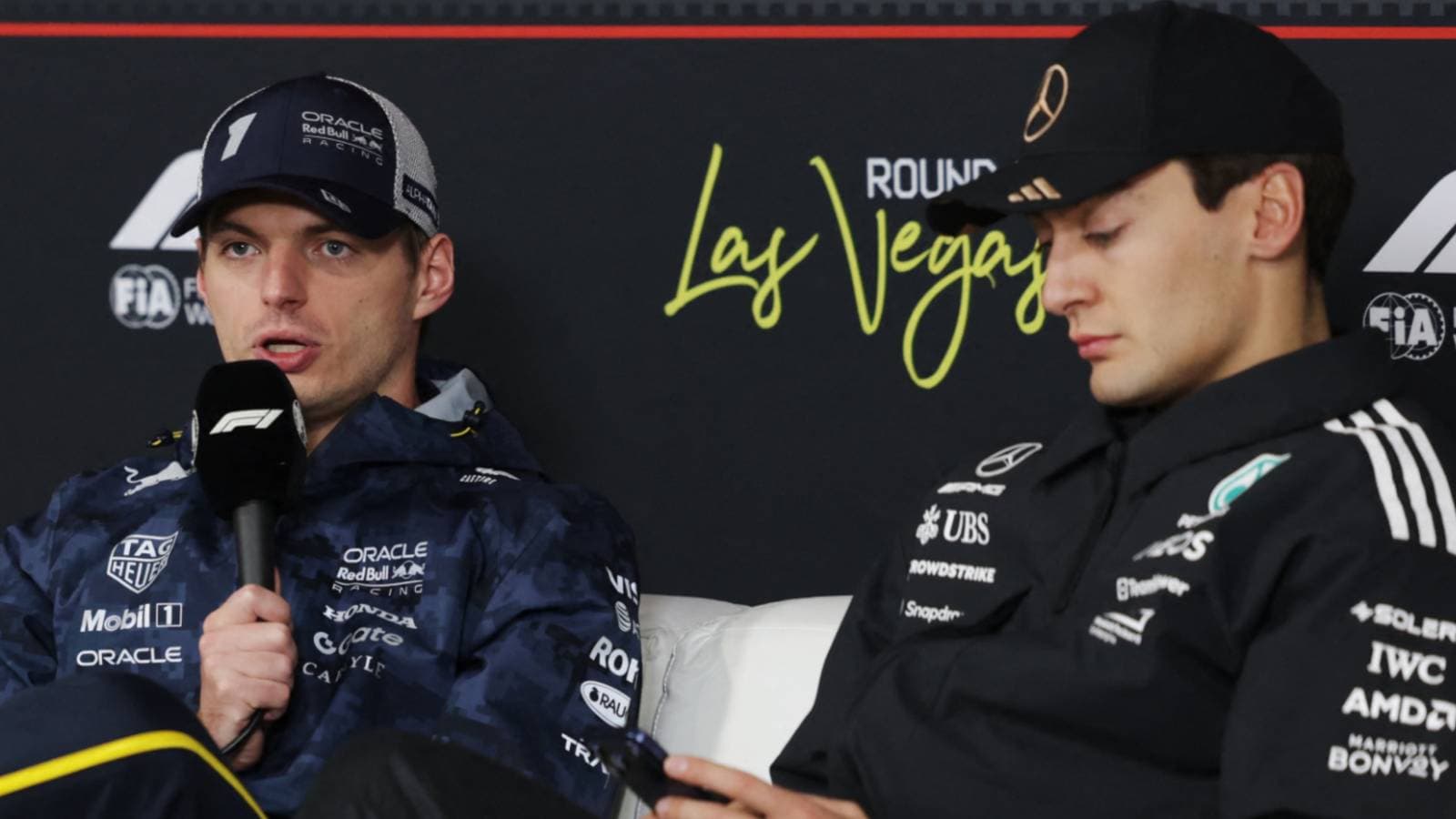
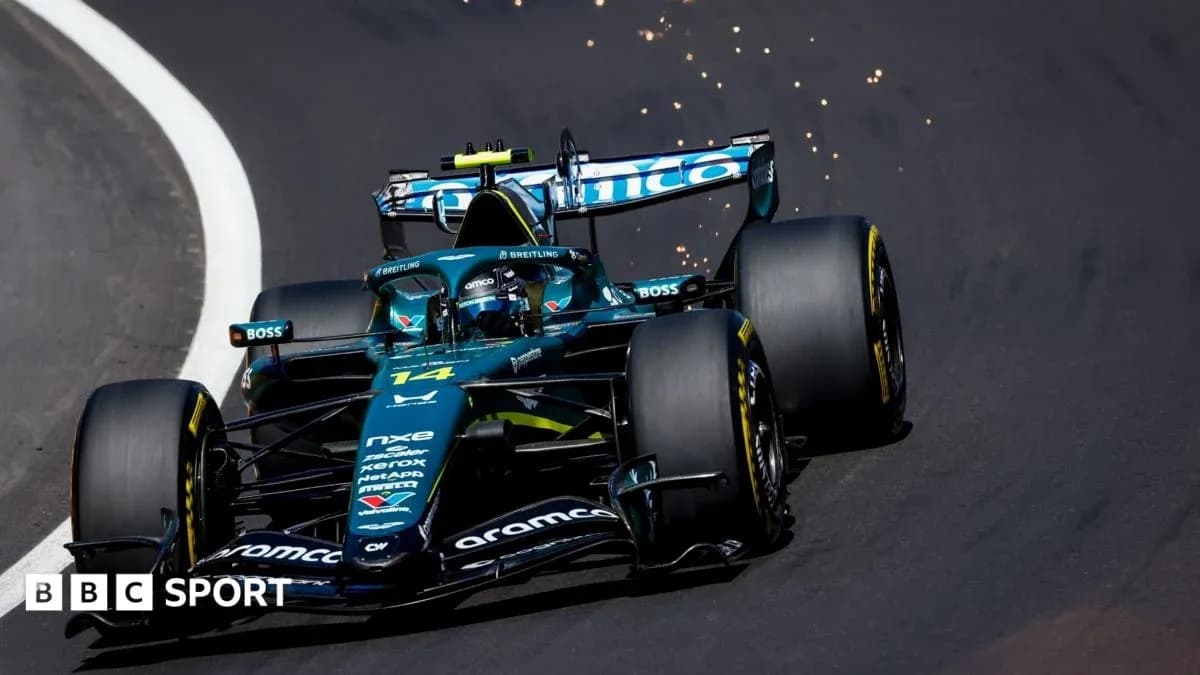
The Japanese manufacturer, which only recently left Red Bull as a four-time title-winning partner of Max Verstappen, now finds itself powering a midfield car struggling to escape the lower reaches of the constructors’ standings. Aston Martin sit 10th of 11 teams, with a best finish of ninth for Fernando Alonso at the Dutch Grand Prix – a meagre return for a works partnership that was supposed to signal a new era.
From title glory to damage limitation
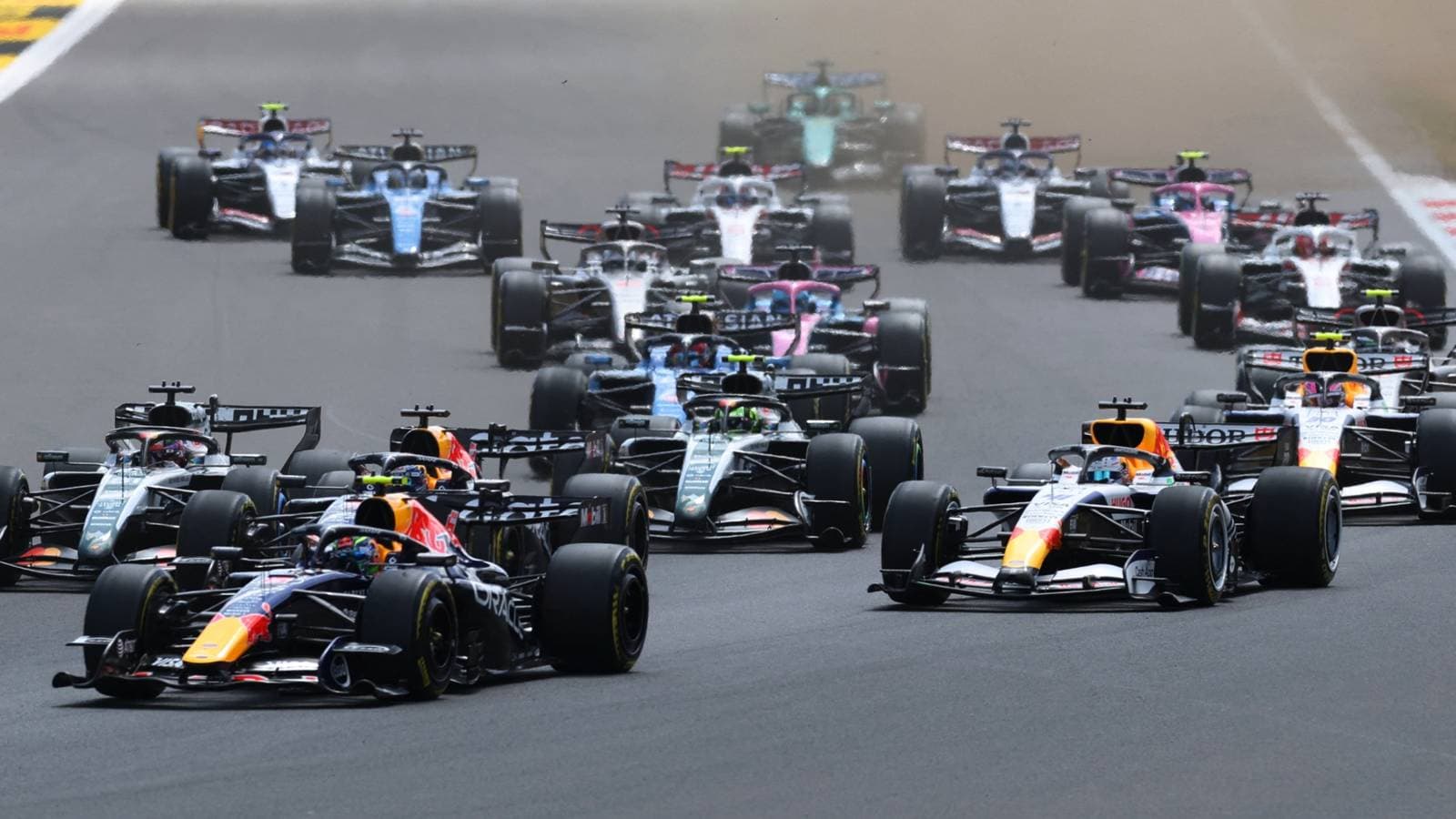
This is not the Honda that dominated the early 2020s. Between 2021 and 2024, its power units underpinned Red Bull’s stranglehold on the championship. The same company is now wrestling with an engine that insiders estimate is costing at least a second a lap when the full performance shortfall is tallied – both in the internal combustion engine and the deployment of the hybrid system.
That gap is brutal in modern F1. A second a lap turns a potential frontrunner into a car fighting to escape Q1.
Alonso felt the full weight of that deficit at the Spanish Grand Prix. The home favourite dropped out in the first part of qualifying, 2.2 seconds adrift of the session’s fastest time. For a driver of his calibre, in a team with Aston Martin’s ambitions and Honda’s pedigree, that margin stings.
Honda pulls the lever
On Monday, Honda confirmed a change at the top of its F1 engine programme. Yoichiro Fukao, previously the deputy leader of the project, steps up as Large Project Leader. He replaces Tetsushi Kakuda, who had overseen this season’s power-unit development.
Honda framed the move as part of a longer-term plan rather than a knee-jerk reaction. In a statement, the company described the reshuffle as a “planned transition” aimed at securing “the reliable transfer of technical expertise to the next generation of engineers” and building a “robust development framework” ahead of the sport’s next big rules reset.
The timing is no accident. New engine regulations arrive in 2026, with further changes expected in 2027. Honda has already committed to that era with Aston Martin as its works partner, and it wants its new structure in place early enough to shape the concept, not just patch the problems.
A small step when a leap was needed
Honda rolled out its first engine upgrade of the season at the Dutch Grand Prix, hoping to claw back some of the deficit. Trackside general manager Shintaro Orihara spoke of a “step forward in terms of performance on our metrics”.
The stopwatch told a harsher story. The gain was real but modest, and crucially, smaller than Aston Martin had hoped for. In a field where the leading teams find tenths in off-season overhauls, a “small step” from the engine supplier leaves the car exposed.
The core of the problem sits right where F1 is heading: hybrid efficiency. From 2026, engines will draw roughly half their power from the internal combustion engine and half from electrical systems. Energy recovery and deployment will decide races. Batteries will be almost constantly emptying and refilling several times a lap. Any weakness in that cycle is punished instantly.
Honda, once the benchmark in that department with Red Bull, now has to rebuild that reputation from behind.
A reset before the reset
Fukao inherits a project at a crossroads. The current package is underperforming, the numbers are stark, and Aston Martin’s patience will be tested if the team remains marooned near the back. Yet the true judgement on this reshuffle will not come this season, or even next.
It will arrive in 2026, when the new regulations bite and the Honda–Aston Martin alliance either emerges as a genuine force or slips into the shadows of its own past success.
For a company that has already walked away from F1 and then returned to conquer it, the question now is simple: can Honda do it again, under new leadership, in a landscape it once mastered and now must chase?