Honda Reshapes F1 Power Unit Leadership Ahead of 2026
Honda has moved to reshape the leadership of its Formula 1 power unit programme, banking on a fresh voice at the top just as the sport heads into a critical regulatory reset.
Yoichiro Fukao, currently deputy leader of the F1 project and head of the software division, will step up to become Large Project Leader of Honda’s F1 power unit operation. He replaces Tetsushi Kakuda, the long-time figurehead of the programme, in what the company insists is a carefully choreographed handover rather than a panic move.
The change, confirmed in a Honda Racing Corporation statement, will formally take effect on 1 October 2026.
Honda called it a “planned transition” designed to accelerate development and “ensure a smooth transition to the next generation of engineers,” as the Japanese manufacturer gears up for the 2026 power unit regulations and further tweaks expected from 2027.
Fukao joined Honda in 2002 and has climbed steadily through the ranks, taking on his current assistant LPL role in 2022. Now he inherits full control of a project that must not only master a new set of hybrid rules but also drag a struggling partner back into relevance.
Early move for the 2026 era
Honda made clear it wants its new structure in place well before the rules reset hits the track.
“Following the introduction of the new regulations in 2026, and with further regulatory changes expected from 2027 onwards, Honda aims to establish a robust development framework and deliver a highly competitive PU by transitioning to the new structure at an early stage,” the statement read.
The message is blunt: no time to waste. With the next generation of power units demanding a heavier electrical emphasis and tighter efficiency targets, the role of software, energy management, and integration becomes central — precisely the areas where Fukao has been operating.
The organisational shift also underlines Honda’s desire to lock in its technical know-how and pass it down, rather than risk losing momentum during a generational change inside its engineering teams.
Change at the top, pain on the track
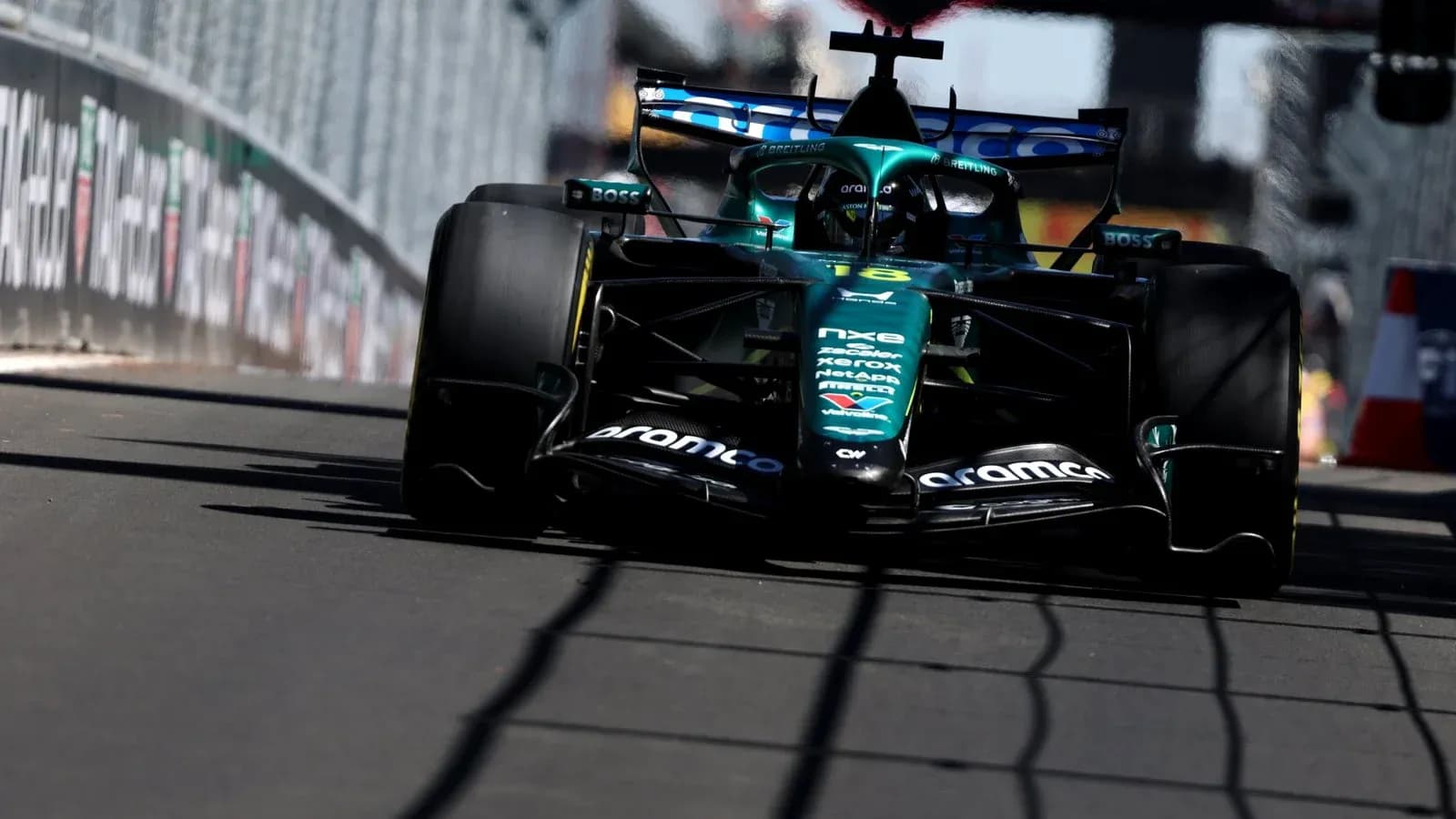
All of this plays out against a grim backdrop for Aston Martin, Honda’s F1 partner, in a season that has unravelled alarmingly.
The team sits 10th in the constructors’ championship with just three points, ahead only of newcomers Cadillac. A year that was supposed to build on previous promise has instead exposed a car and package that have failed to respond to regulation tweaks and competitive pressure.
The Spanish Grand Prix underlined the slide. At Fernando Alonso’s second home race of the year, the veteran could do no better than 17th. Lance Stroll didn’t even see the chequered flag, retiring with brake issues.
Honda rolled out an upgraded power unit at the Dutch Grand Prix, labelled spec 2, hoping to spark a turnaround. The gains, at least on the scoreboard, have been hard to spot.
“Right direction” – but a long road back
On Honda’s side of the garage, the tone remains measured but realistic. Trackside general manager and chief engineer Shintaro Orihara admitted the Spanish result fell short of expectations, but pointed to underlying progress with the updated engine.
“Today’s result isn’t what we wanted, but we need to look at the learnings and improvement points that we can take forward to future races,” Orihara said.
He highlighted the work done over the last three rounds to iron out driveability problems with the spec 2 power unit introduced in Zandvoort.
“Over the past three races we’ve improved the driveability of our spec 2 power unit, which was introduced at the Dutch Grand Prix. By reducing the driveability issue, we can now focus on the performance side.
This weekend, for example, we changed some calibrations to improve this aspect and session-by-session we saw some good signs in the data. This shows us all that we are working in the right direction.”
The message is one of incremental steps, data-led tweaks, and quiet confidence. The standings tell a harsher story.
A reset with consequences
Honda’s timing is no accident. A new leader, a new structure, and a new regulatory era form a single bet: that by 2026, the manufacturer can deliver a power unit capable of lifting Aston Martin out of the lower reaches of the grid and into a fight that matches its ambitions and investment.
For now, though, Fukao inherits a programme under pressure. The development curve must steepen. The upgraded engine must start translating encouraging traces on a laptop into points on a Sunday.
If Honda’s “planned transition” delivers what it promises, this could be remembered as the moment the recovery truly began. If it doesn’t, the questions around Aston Martin’s project — and Honda’s return on its commitment — will only grow louder.