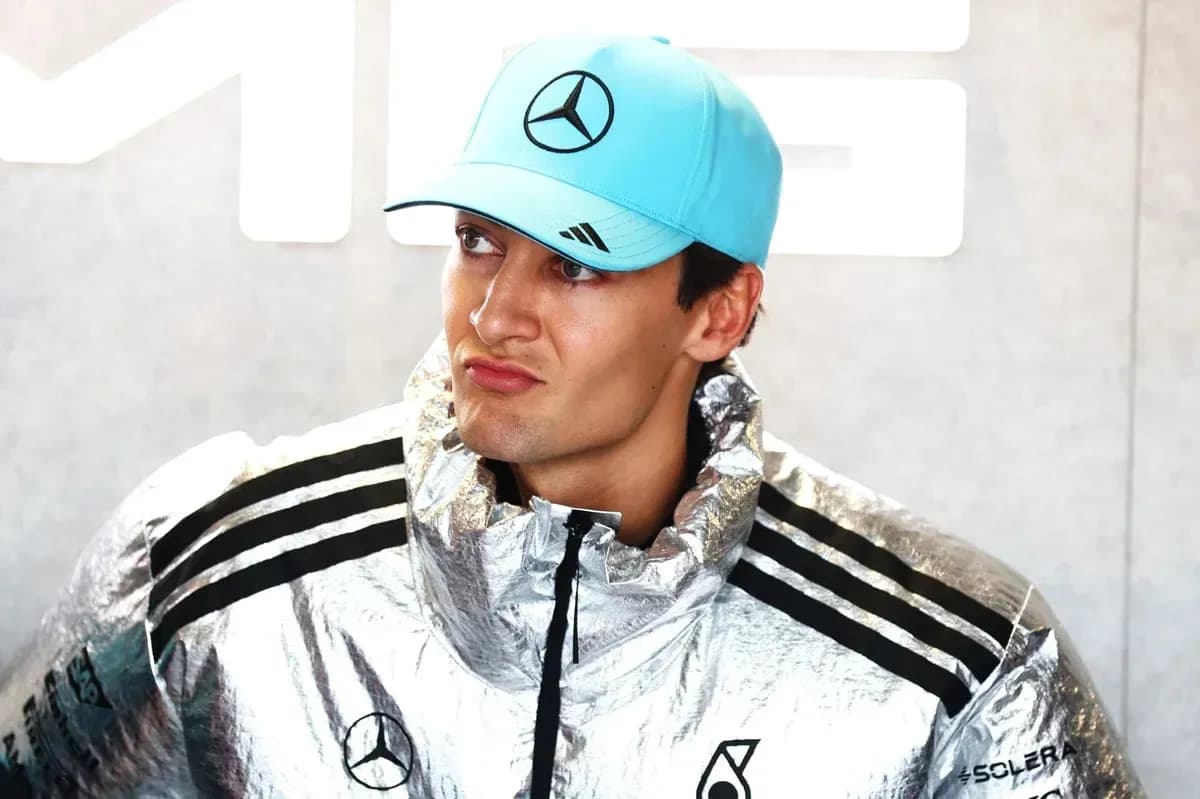
George Russell's Frustration with Mercedes' Strategy at Monza
David Croft believes George Russell has every reason to feel bruised by Mercedes’ strategy gamble at Monza – and he didn’t bother to sugar-coat it.
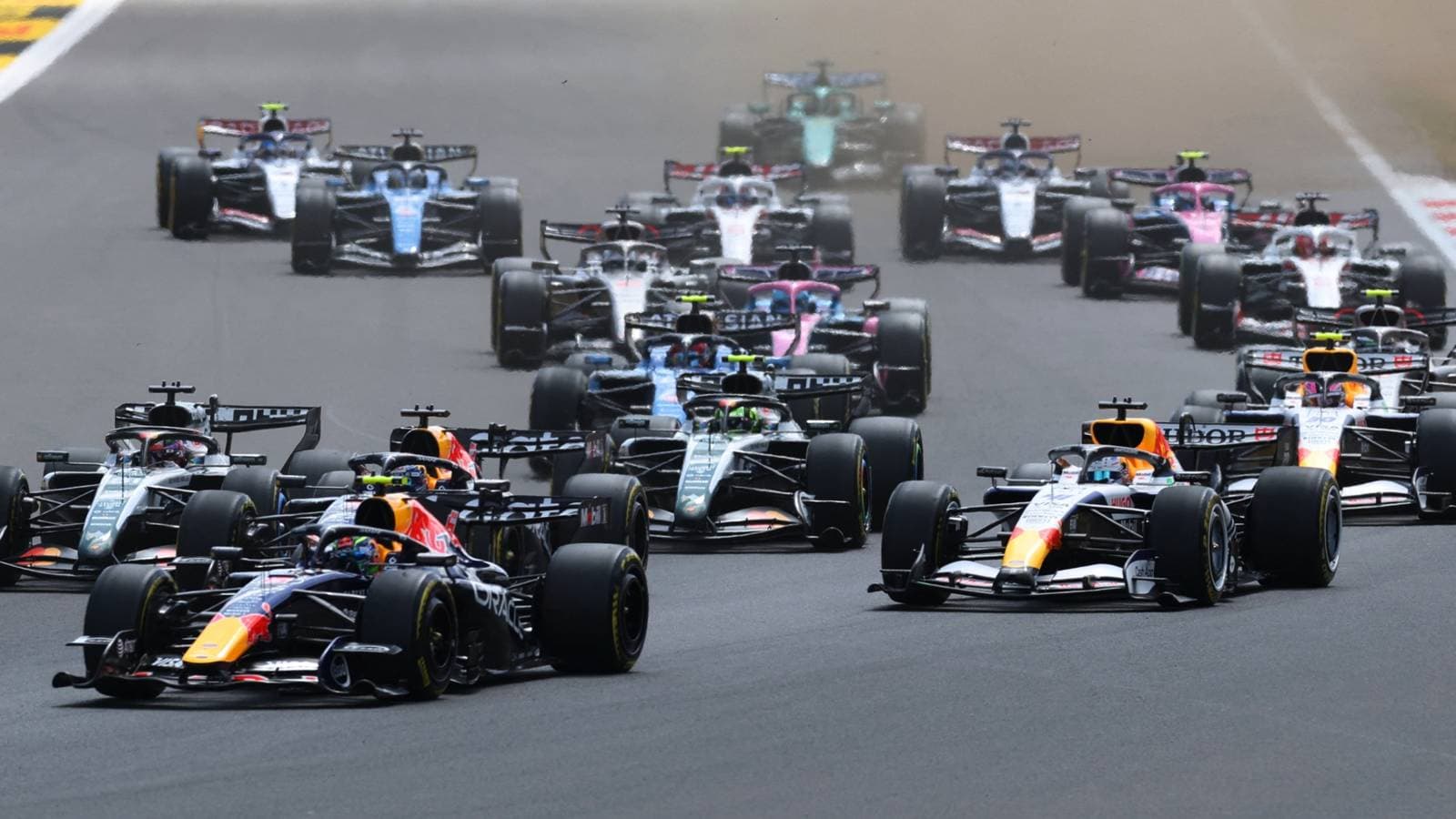
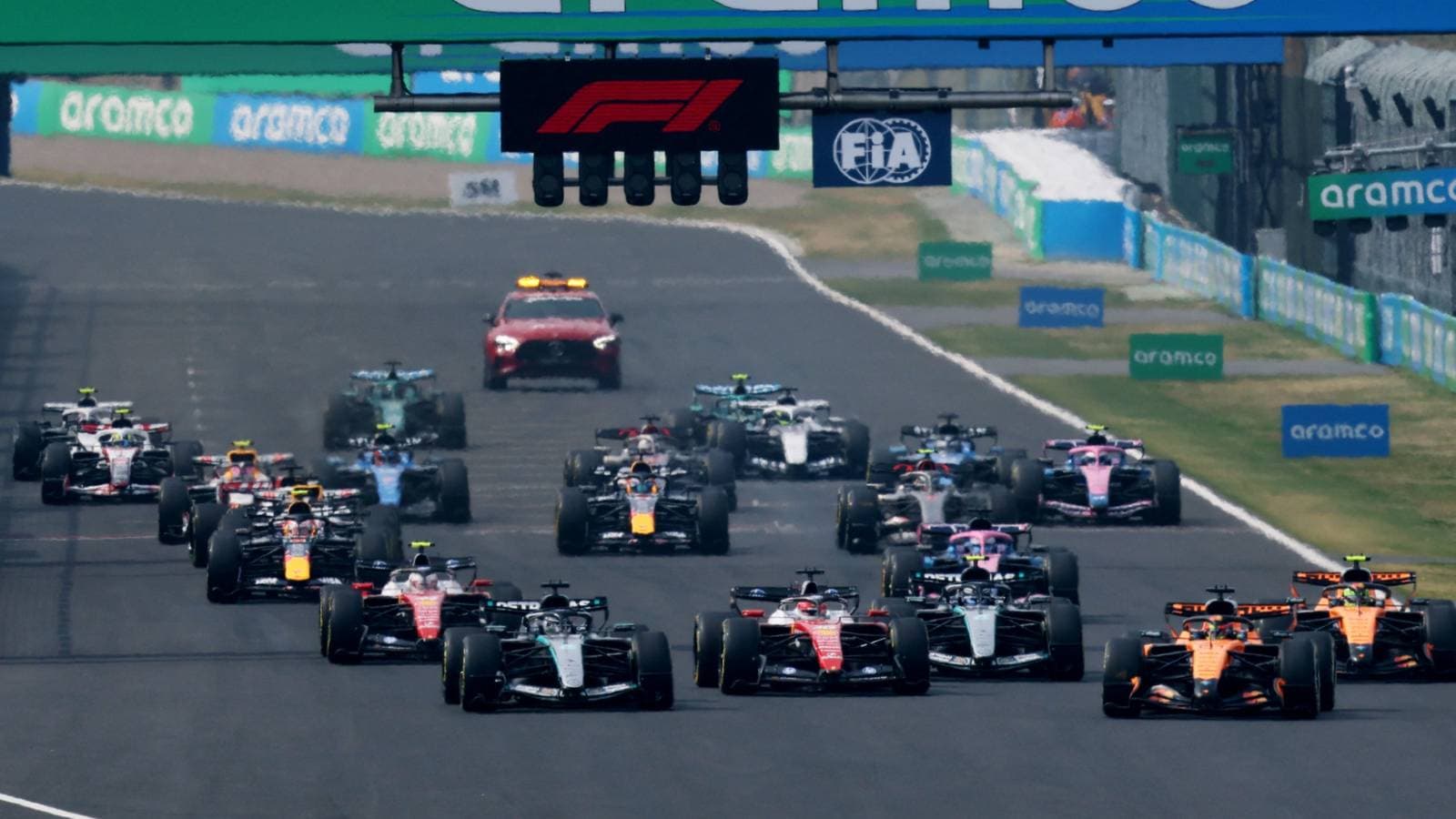
Russell had done the hard yards. After the early red flag, he was committed to a long run on the hard tyres, controlling the Italian Grand Prix from the front and managing the pace as Mercedes asked. The plan was clear: go to the end, absorb the pressure, and make the one-stop work.
Then came the late Virtual Safety Car. And with it, the moment the race – and the narrative inside the Mercedes garage – turned.
The call that changed everything
As the VSC was deployed, Russell stayed out, still leading, still on hards. In the other Mercedes, Kimi Antonelli dived into the pits for a set of medium tyres, a move designed to cover the looming threat of Max Verstappen in the Red Bull.
It was a bold call for Antonelli. It was a brutal one for Russell.
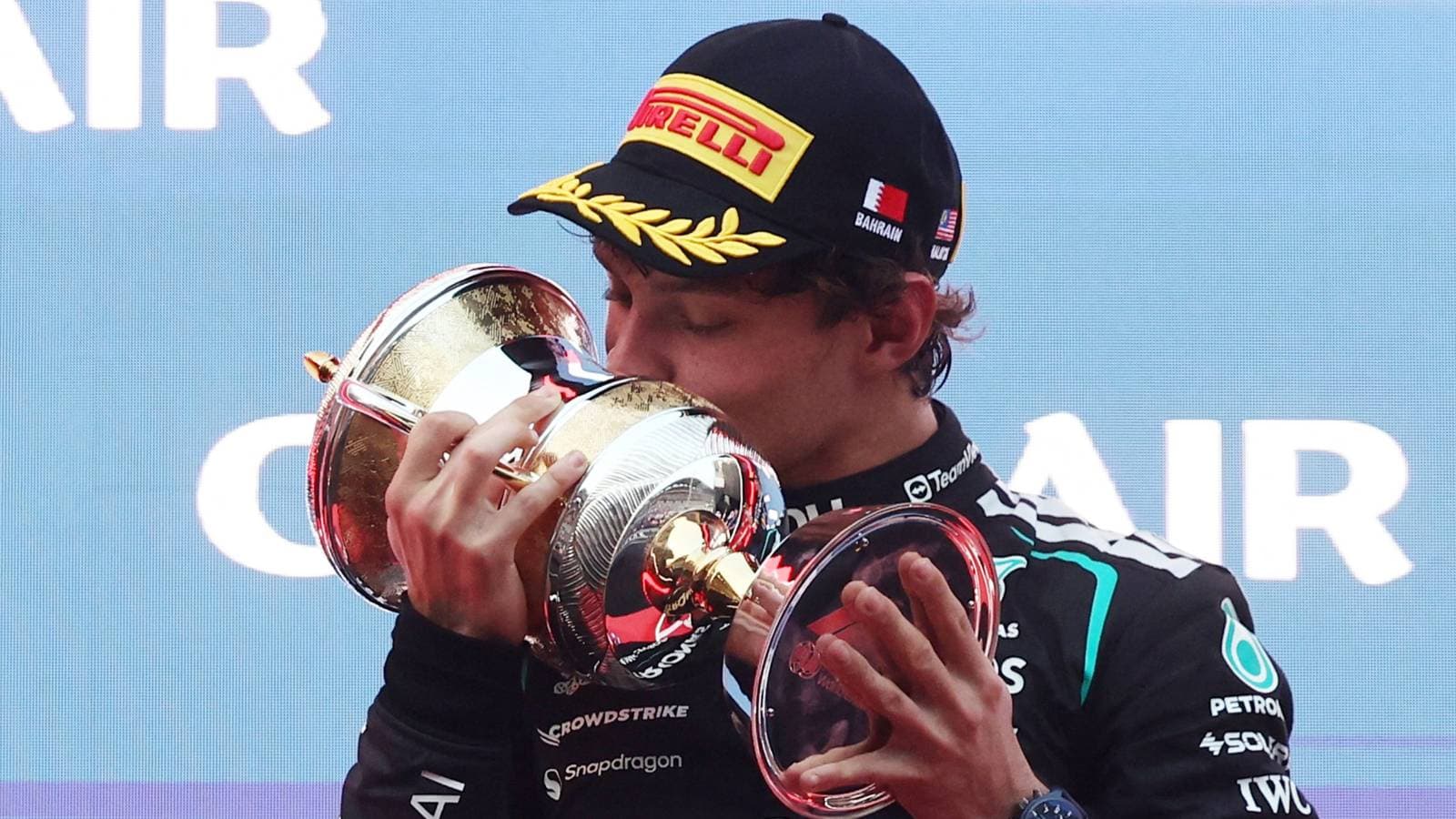
With fresher, softer rubber and clear permission to attack, Antonelli hunted down his team-mate. The Italian, starting from 19th on the grid and now on a tyre offset, carved into the gap and swept past Russell with three laps to go, on his way to a sensational first home grand prix victory.
Russell, who had led the race on merit and executed the original plan, was left to salvage second place.
“He should feel aggrieved”
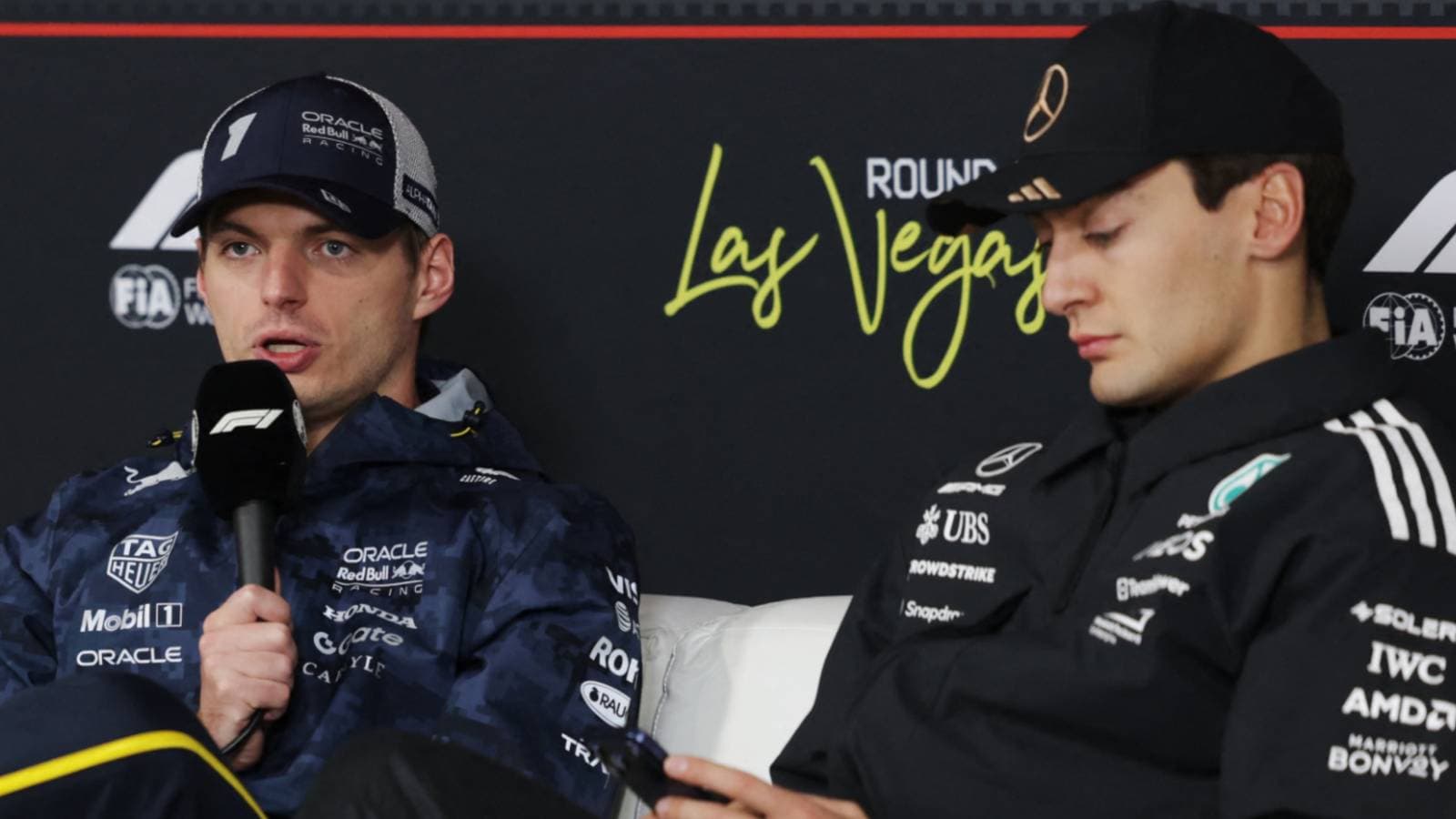
On the Sky Sports F1 Show, lead commentator David Croft did not hide his view of how Mercedes handled their two drivers.
“He should feel aggrieved,” Croft said. “The strategy was to go to the end. He made it to the end. His pace was OK. But the minute Mercedes are thinking, ‘Well, we should bring in Kimi to cover off Max,’ they should also be thinking, ‘We’ll bring in George as well.’”
The core of Croft’s argument is simple: if you’re pitting one car under a cheap VSC stop, you protect the race leader too – even if it means a slightly messy double-stack.
“I know Kimi might have lost out by a couple of seconds with that double stack, but you’ve got a cheap pitstop. You’ve got an opportunity there,” he continued.
Russell himself suggested after the race that the VSC came at an awkward moment, and that medium-tyre runners could have struggled in the closing laps. Croft accepted that logic, but only up to a point.
“A bit of safety first on this one,” he argued, “and give your lead driver, who’s out there and is doing a fine job, the opportunity to compete on equal terms if you’ve got equality within the team, which they have.”
Instead, Mercedes split the strategies – and, inevitably, the fortunes.
Equality – on paper or on track?
The optics are unavoidable. One car, the home hero, got the aggressive, race-winning switch to mediums. The other, the race leader, was left exposed on older hards against a charging team-mate with nothing to lose.
“I would feel a bit aggrieved if I was George,” Croft admitted. “And he said it, didn’t he, in the immediate post-race interviews, ‘I was a little surprised to see Kimi coming in.’ I don’t think he thought anyone was going to come in. Maybe he should have done, but if they thought Kimi needed a change of tyres, they should have done the same with George.”
That’s the crux. Mercedes will point to the need to cover Verstappen, to protect at least one car from a late Red Bull ambush. But in doing so, they left their leading driver on the wrong side of their own strategy call.
Antonelli’s charge from 19th to victory at Monza will live long in Italian motorsport folklore. Inside Mercedes, though, the lingering question is a different one: on a day when both cars could win, did the team really give Russell the same chance to finish what he started?