Formula One 2027 Calendar Changes: More Races and Sprints
Formula One tears up the script again in 2027. More races, more sprints, more long-haul intensity – and two old favourites back on the map.
This is a calendar built for spectacle, not comfort.
Sprints go big – and go to Monaco
The headline change is blunt: 10 sprint weekends. Almost half the season.
F1 has decided the short-form format is here to stay and worth doubling down on. The number jumps from six to 10, and the list of hosts underlines how central sprints have become to the show.
- Bahrain
- Australia
- Japan
- Monaco
- Abu Dhabi
will stage sprints for the first time. The format also returns to Montreal, Silverstone, Monza, São Paulo and Lusail.
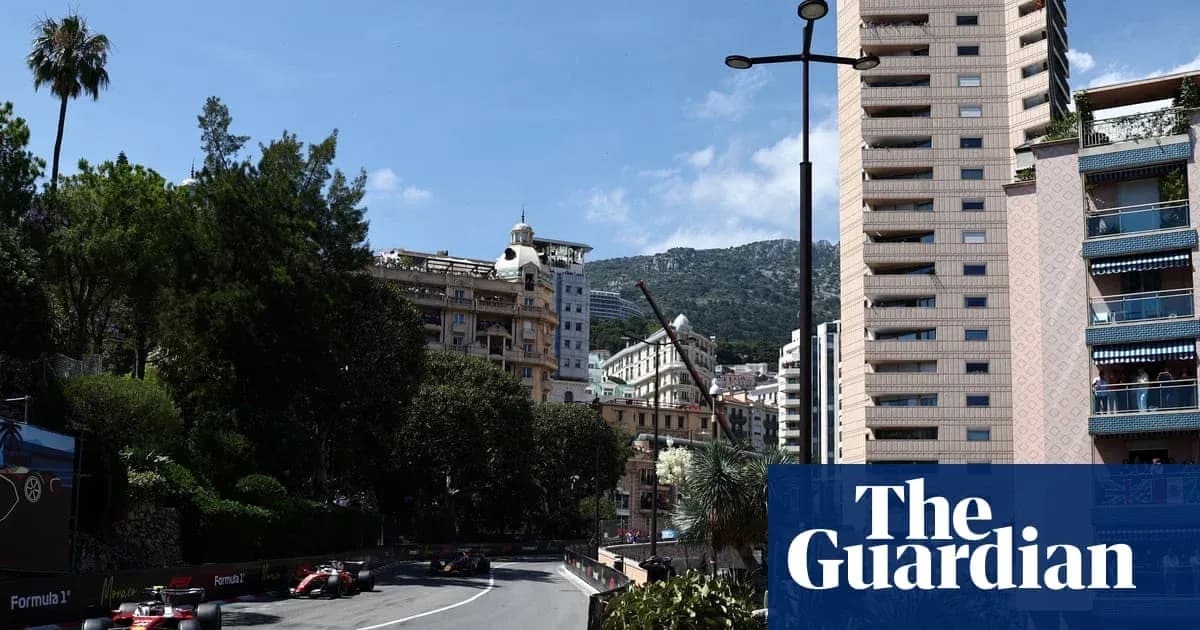
Monaco as a sprint venue is the boldest move. A circuit famed for processions now gets a Saturday race that could either unlock chaos or simply raise the stakes of every millimetre misjudged in qualifying trim. One brush with the barriers on a sprint lap, and a weekend collapses.
This is F1 leaning into jeopardy.
Bahrain opens, Abu Dhabi closes – again
The 2027 season will run to 24 grands prix, starting in Bahrain on 14 March and finishing in Abu Dhabi on 12 December.
The Middle East remains a structural pillar of the calendar. All four races in the region – Bahrain, Saudi Arabia, Qatar and Abu Dhabi – are currently scheduled in their familiar slots. For this season, Qatar and Abu Dhabi still stand as the final two rounds.
The scars of this year’s disruption linger in the background. The Bahrain and Saudi Arabian grands prix were cancelled in April because of the war in the Middle East, with Bahrain’s race shifted to Malaysia in October. Officially, F1 says the current campaign’s calendar is unchanged beyond that, but the sport has clearly been forced to think about contingencies.
Imola is lined up as the emergency season finale this year if Qatar and Abu Dhabi cannot run. For 2027, there is no public alternative plan yet, though options are already under quiet consideration.
Portugal and Turkey return
Two much-missed circuits step back into the spotlight.
Portimão in Portugal returns on 20 June. The Algarve rollercoaster last hosted F1 in 2021 during the Covid-affected years, earning praise for its undulating layout and punishing blind crests. It now gets a full-time slot again, not just a pandemic stopgap.
Turkey’s Istanbul Park also comes back, with a race set for 3 October. Like Portimão, it last featured in 2021 but previously held a regular place between 2005 and 2011. Turn 8, once a tyre-killing, neck-straining test of courage, will again be a reference point for who really has the downforce – and the nerve – late in the season.
These are not token additions. They are drivers’ circuits, and they tilt the balance of the calendar towards more demanding, flowing tracks.
Barcelona out, Spa on rotation, Zandvoort gone
Spain’s long-standing home in Barcelona drops off the 2027 schedule, as planned. The circuit will now rotate on alternate years with the Belgian Grand Prix at Spa.
That compromise keeps Spa alive, but only at half-strength. It remains one of the sport’s crown jewels, yet even a partial presence reflects the brutal arithmetic of a 24-race, globally spread championship.
Zandvoort, meanwhile, has already had its farewell. The Dutch Grand Prix was held for the last time this year. The orange wave, the banking, the carnival atmosphere – all gone from 2027’s landscape.
F1’s geography continues to shift, and traditional European strongholds are paying the price.
Triple-headers test the paddock’s limits
Three triple-headers sit at the heart of the 2027 grind.
April brings a brutal swing through Australia, Japan and China. That’s three demanding circuits, three huge logistics operations and three weekends where fatigue will stalk every garage.
Late September into early October delivers Azerbaijan, Turkey and Singapore in one hit. Baku’s walls, Istanbul’s high-speed sweeps and Singapore’s night-time furnace form a punishing trio – technically, mentally and physically.
Then comes the Americas block: the United States, Mexico and Brazil from October into November. High altitude in Mexico City, the long run to Turn 1 at Interlagos, and the commercial weight of the US market make that run as political and promotional as it is sporting.
This is a calendar that pushes teams, mechanics and drivers right to the edge. The travel may be rationalised on paper; the reality on the ground will still be exhausting.
Las Vegas steps out of the grind
One notable relief: Las Vegas finally gets some breathing room.
Since joining the calendar, Vegas has been bolted onto a gruelling back-to-back run with Qatar and Abu Dhabi at the end of the year – a schedule that proved deeply unpopular with many teams.
In 2027, that changes. There will be a one-week gap after the Nevada showpiece, easing at least one of the championship’s most punishing stretches. The race remains a commercial juggernaut, but the sport has accepted that even its brightest lights can’t shine if everyone arrives on their knees.
A calendar built for a global audience
Behind all of this sits a clear strategic message from F1’s hierarchy.
F1 CEO Stefano Domenicali framed the 2027 schedule as a reflection of the sport’s rising global pull. He pointed to the championship “attracting new audiences around the globe” and emphasised that, week after week, “the world’s greatest drivers will battle on some of the most challenging tracks in motor sport,” backed by “outstanding teams, world-class manufacturers, and global partners.”
To him, this is a spectacle “unlike anything else in sport.”
The 2027 calendar backs up that ambition: 24 races, 10 sprints, three triple-headers, two returning drivers’ circuits, and a Middle Eastern backbone that remains politically and logistically sensitive.
It is aggressive, unforgiving, and unapologetically global. The question now is simple: who will still be standing – and winning – when Abu Dhabi rolls around in mid-December?