Formula 1 to Shorten Grands Prix and Adjust Time Limits from 2027
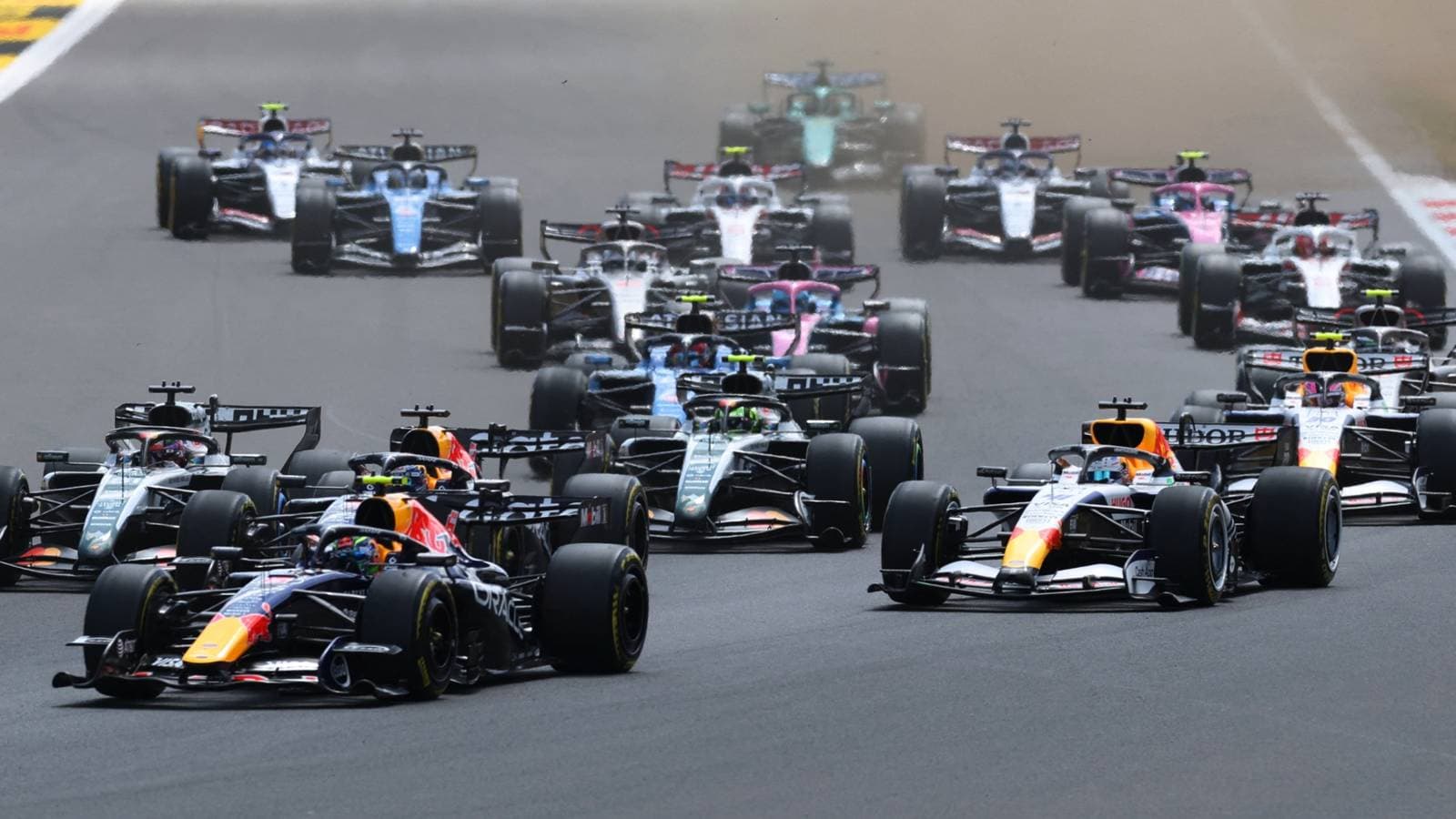
Formula 1 is about to feel a little shorter – at least on paper. From the 2027 season, the maximum race distance for grands prix will be cut from 305km (189.5 miles) to 290km (180.2 miles), a significant tweak to the sport’s long‑standing format as it prepares for a new era of power units.
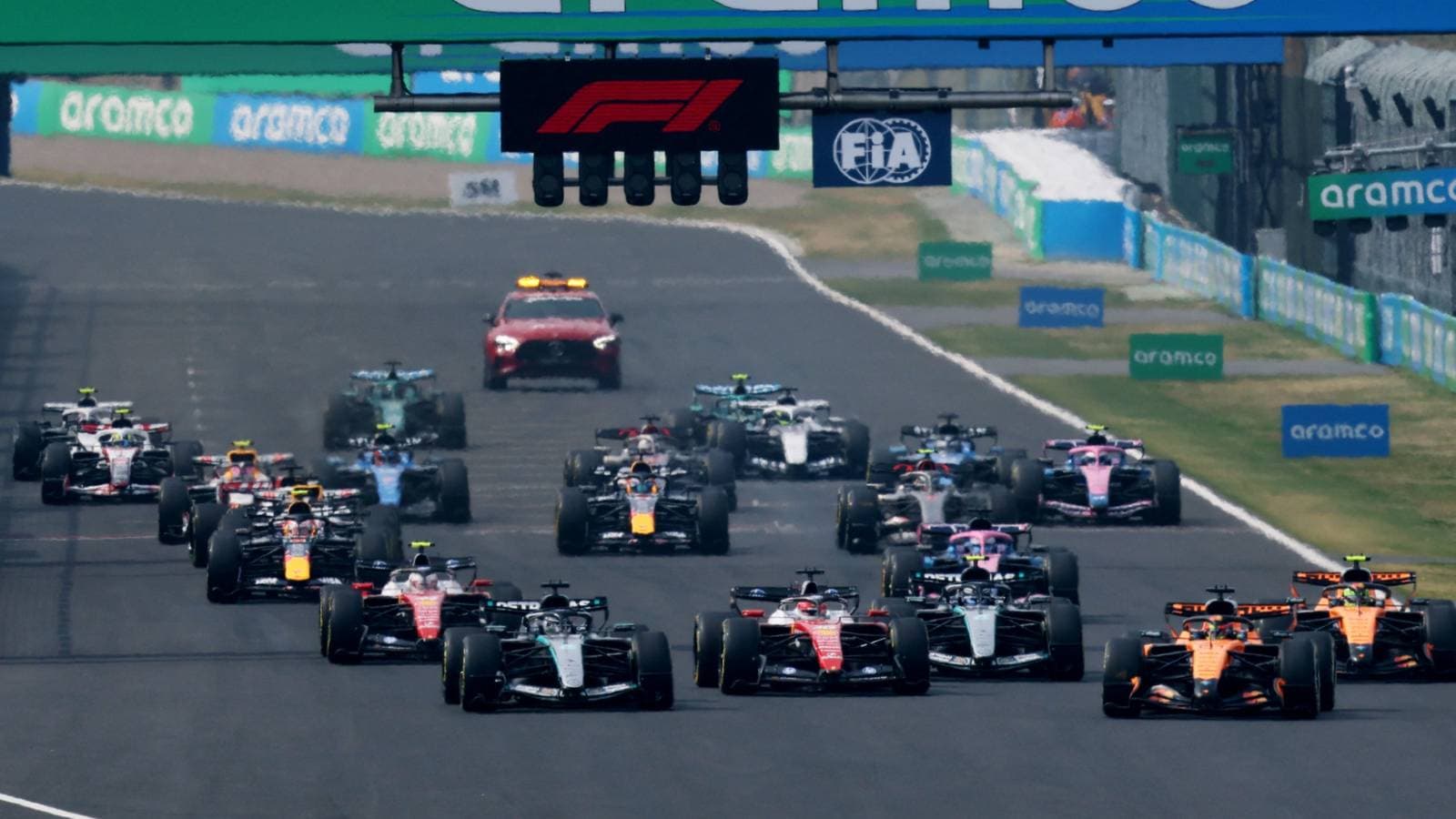
The change lands alongside a reshaped time structure. Races will still be capped at a maximum of two hours of green-flag running, but the old three-hour overall limit for disrupted events is being scrapped. In its place comes a “hard stop time”, a fixed cut-off that will end the event regardless of how much racing has been completed.
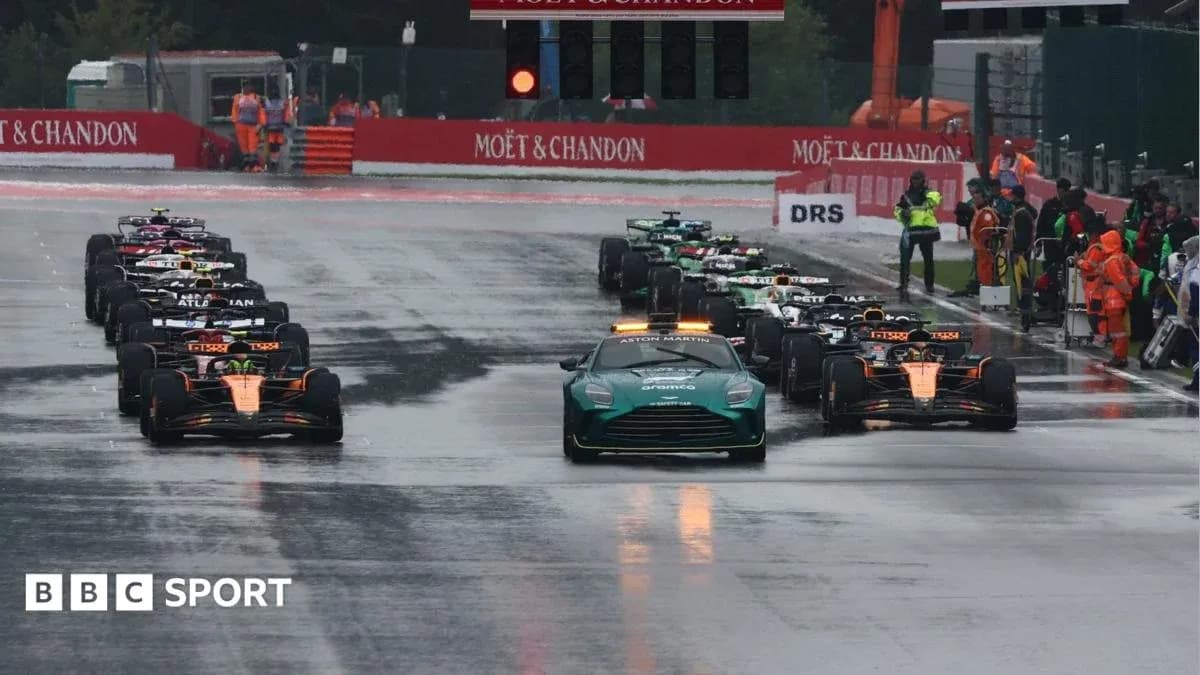
It is a clear attempt to bring order to the chaos of rain delays, red flags and lengthy clean-up operations. The FIA framed it simply: the aim is to give spectators “the best possible chance to enjoy a full race if disruptions occur”. No one wants to sit through hours of stoppages only to watch the clock win.
That hard stop will not be a one-size-fits-all figure. It will shift from venue to venue, tuned to local conditions. Night races, with floodlights and later curfews, will be able to run deeper into the evening. Daytime events, where sunset arrives quickly or local regulations bite earlier, will have tighter windows. The calendar may look the same, but the timing philosophy will be more bespoke.
The distance cut is not about show alone. It is rooted in fuel and the changing heart of the cars. F1’s hybrid balance is being steadily reweighted: from a 53-47 split between internal combustion engine and electrical power this year, to 58-42 next year, and then 60-40 in 2028. More reliance on the engine means more fuel burned over a race distance.
That triggered a very practical problem. Several teams signalled they wanted to carry over their current chassis into next season to keep costs under control. The fuel tank sits inside that chassis. Its size is fixed. If fuel demand rises but the tank cannot grow, the maths becomes brutal: run out of fuel, or do not make the flag.
The solution was blunt but effective. Trim the maximum race distance so that even with higher fuel usage, cars can reach the finish using the existing fuel cell capacity. It is a compromise between technical ambition, financial reality and the need to keep races decided on track rather than in the fuel bay.
The F1 Commission – the rule-making forum that brings together the teams, the FIA and commercial rights holder F1 – also moved to tidy up another long-standing irritation: practice sessions lost to red flags.
Right now, when an incident halts a free practice session, the clock keeps ticking. Marshals clear the track, cars sit in the garage, and valuable minutes evaporate. Qualifying and races work differently: the timer stops, the session is effectively frozen, and resumes once the track is ready.
That inconsistency is set to soften. The Commission has agreed to introduce “greater flexibility to extend free practice sessions should they be interrupted”. In other words, race control will have more leeway to give teams back some of the time stolen by accidents or technical issues, ensuring the hours spent preparing for a weekend are not shredded by one badly parked car.
Shorter races on the stopwatch. Stricter end times for disrupted grands prix. More usable practice when things go wrong. F1 is not ripping up its format, but it is quietly redrawing the edges – and in a sport now obsessed with spectacle, efficiency and cost control, those edges matter more than ever.