Formula 1 Reduces Race Distances to 290 Kilometres from 2027
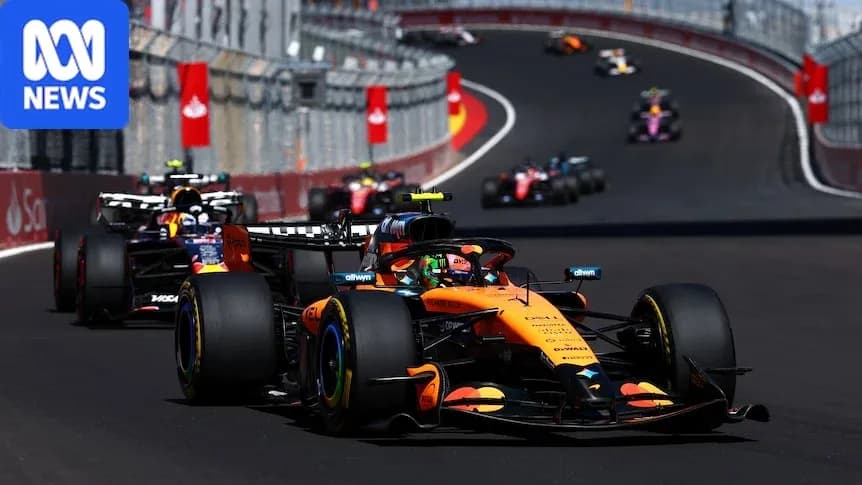
Formula 1 will trim its race distances from 305 to 290 kilometres from 2027, as the sport reshapes its format around new power unit rules and a more flexible timetable.
The decision, signed off by the Formula 1 Commission in London, marks a subtle but significant shift. Races will be shorter by two or three laps on most circuits, but the intent is not to dilute the spectacle. It is to keep the intensity – and make sure fans actually get to see a full race when the weather or red flags intervene.
“In line with the refinements to the power unit regulations to be introduced in 2027 on fuel flow, a reduction in the total race distance from 305km to 290km was approved, corresponding to a reduction of two or three laps,” read the official statement.
At the heart of it lies the new engine philosophy. The incoming power unit rules will tilt the balance towards increased combustion engine power and away from the current level of hybrid electrical output. Shortening the distance helps align race demands with the revised fuel flow limits and energy deployment, keeping performance high without forcing teams into extreme conservation modes late in the grand prix.
There is another major tweak, and this one will be felt on the pit wall and in the grandstands.
The long‑standing three-hour cap on the overall event duration has been scrapped. The two-hour limit of actual racing time remains, but without the rigid three-hour ceiling, race control and promoters gain room to breathe when chaos hits – heavy rain, multiple red flags, lengthy barrier repairs.
In practical terms, a race stopped twice for accidents or storms will no longer be boxed in by the ticking three-hour clock. If conditions allow, organisers can push on and complete the full 290km distance rather than chopping laps and leaving fans with a truncated finish.
The same philosophy will extend to practice. Sessions will have more leeway to be lengthened after stoppages, so a red flag early in FP1, for example, need not wipe out half the meaningful running for teams and spectators.
The underlying message is clear: keep the pace high, keep the show intact, and give those who pay to watch – at the circuit or on screen – the best possible chance of seeing a race run to its proper length, even if the weather or the walls say otherwise.