Formula 1 Expands Sprint Races to 10 Events in 2027
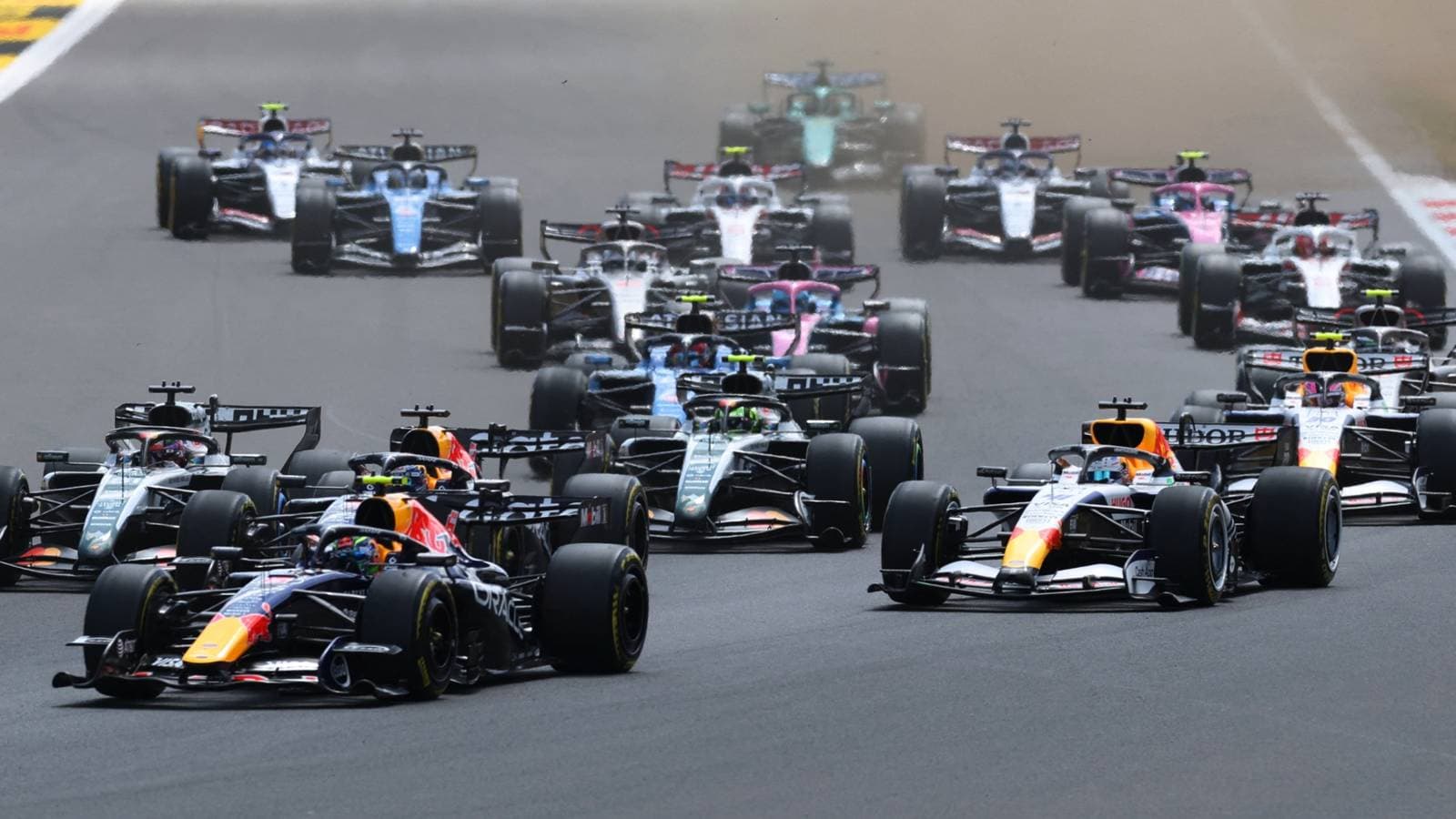
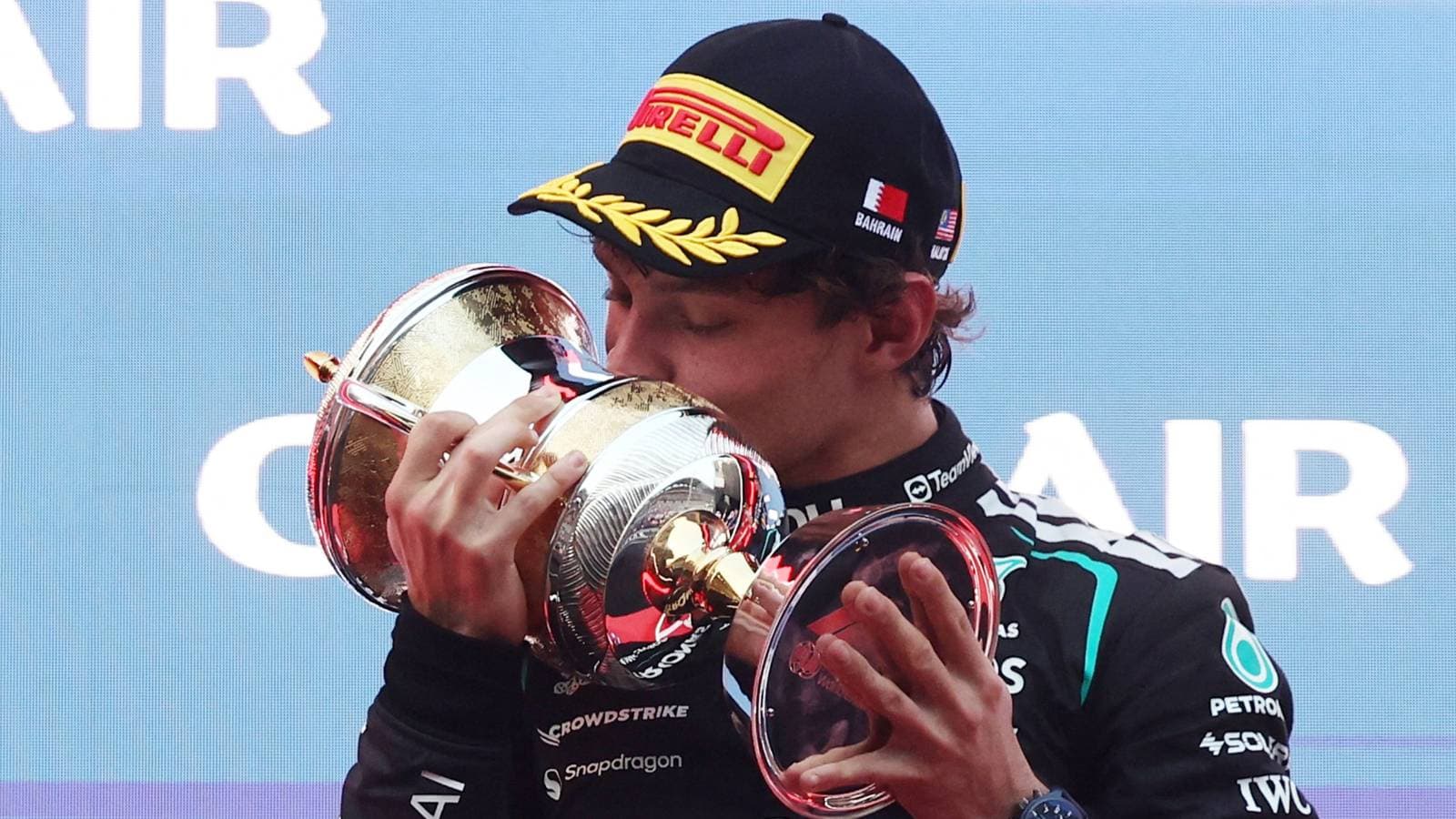
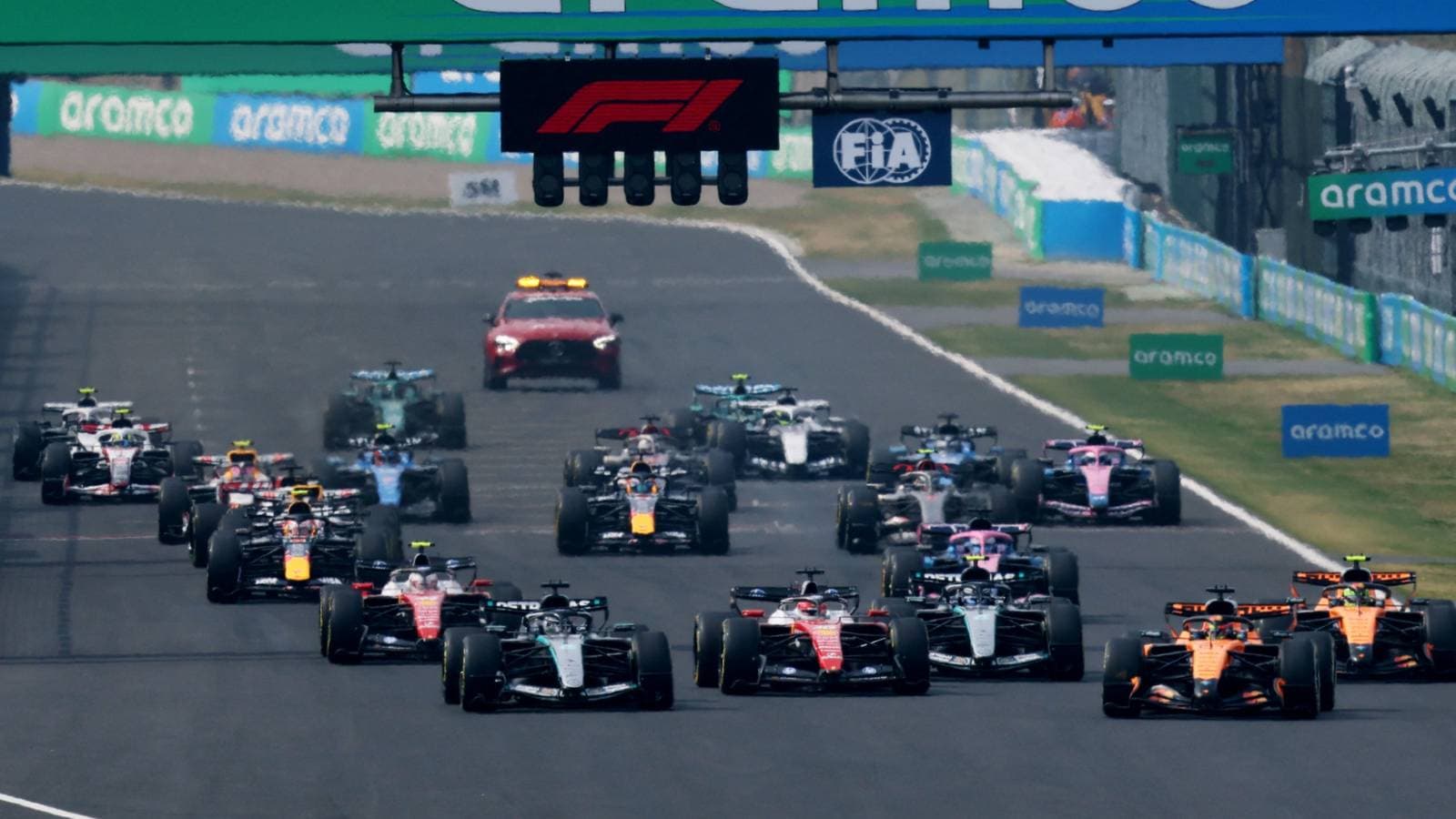
Formula 1 will lean even harder into its sprint experiment in 2027, expanding the format from six to 10 events and dropping it into some of the sport’s most iconic venues – including Monaco.
The new calendar, confirmed with a 24-race schedule, marks the biggest commitment yet to the three-day, flat‑out model that commercial bosses believe keeps grand prix weekends constantly alive.
Sprints go global – and hit Monaco
For the first time, sprint races will run in Bahrain, Australia, Japan, Monaco and Abu Dhabi, with the familiar high‑profile stops of Canada, Britain, Italy, Brazil and Qatar completing the 10‑event roster.
Each sprint weekend carries the now-established structure: a qualifying session on Friday to set the grid for Saturday’s shorter race, then a second qualifying session for Sunday’s grand prix. That means Bahrain, Melbourne, Suzuka, Monaco and Yas Marina will all offer competitive sessions on all three days.
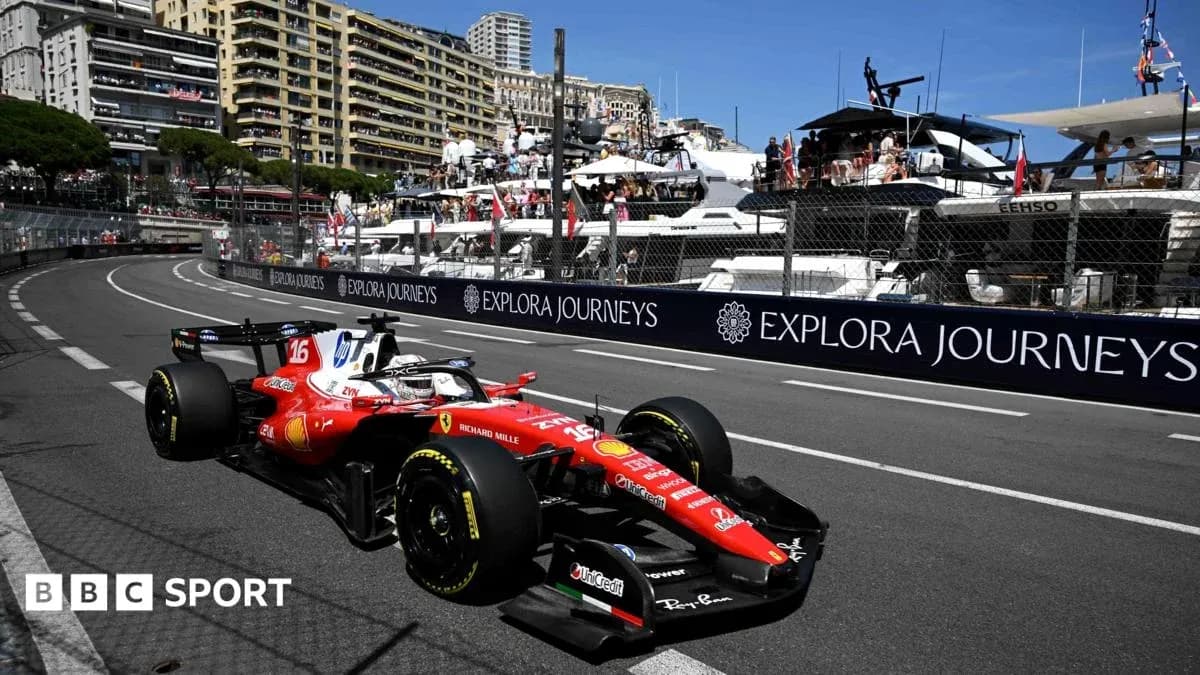
The choice of Monaco as a sprint venue will divide the paddock. The narrow streets of Monte Carlo are notoriously unforgiving and almost impossible for overtaking, which means the order is often set by Turn One and tyre strategy. A sprint there is likely to be processional once the field survives the opening lap.
What Monaco does offer is qualifying theatre. Two separate qualifying sessions around the principality’s armco-lined ribbon – long regarded as one of the purest tests of a driver’s nerve and precision – raise the prospect of mixed grids and shock storylines, even if the races themselves stay largely locked in.
Portugal and Turkey return
Beyond the sprint expansion, the 2027 calendar also restores two popular modern classics. Portugal and Turkey are back for the first time since they served as pandemic stand-ins earlier in the decade.
Their return underlines Formula 1’s push to balance its newer Middle Eastern and American projects with circuits that have already proved they can deliver strong racing and healthy crowds.
F1 president and chief executive officer Stefano Domenicali hailed the double addition and the sprint growth, calling it an opportunity to offer “even more intensity, drama, and the wheel-to-wheel action that make our sport so special.”
FIA president Mohammed Ben Sulayem described the 2027 schedule as a “strong reflection” of F1’s global pull, pointing to 24 grands prix across five continents, the comeback of Portugal and Turkey, and an “expanded sprint programme” as evidence of both reach and ambition.
Record sprints, record demands
The move to 10 sprints sets a new high watermark. Until now, six has been the ceiling.
Promoters pay more to host sprint weekends, but they also tend to get more in return. With meaningful running on Friday, Saturday and Sunday, ticket sales are easier to justify. Silverstone is the current poster child: the British Grand Prix’s sprint weekend this year delivered the circuit’s highest ever attendance, with 64,000 more fans over four days than the previous non‑sprint edition.
The British Grand Prix in 2027 will run from 2-4 July and again feature a sprint, as Formula 1 doubles down on the format at venues that can convert extra on‑track action into packed grandstands.
A calendar shaped by conflict
The sporting expansion sits against a tense geopolitical backdrop.
The 2027 season is slated to open in Bahrain from 12-14 March, with Saudi Arabia following a week later. Both rounds, though, sit under a cloud while war continues in the Middle East involving the US/Israel and Iran.
Bahrain is F1’s default curtain-raiser, yet Australia has stepped into the role for the past two seasons because of the timing of Ramadan. That flexibility may again be required. F1 is already working on contingency plans for both the end of the 2026 season and the start of 2027 if racing in Qatar, Abu Dhabi or the wider region proves impossible.
The 2026 campaign is currently due to close with back-to-back races in Qatar and Abu Dhabi. Officially, the plan is to run as scheduled. Quietly, alternative options are being mapped out in case the conflict escalates or fails to ease.
On Sunday, a summit of nations involved in or affected by the war issued a statement urging “maximum restraint”, underlining how fragile any long-term planning remains.
Bahrain stays at the centre
Despite the uncertainty, Bahrain remains central to F1’s plans. Pre-season testing is booked in for 24-27 February at the Sakhir circuit, anchoring the build-up to the new campaign in the Gulf once again.
If the region stabilises, Bahrain will likely reclaim its traditional role as the sport’s starting gun. If it does not, the reshaped sprint calendar, the return of Portugal and Turkey, and a 24‑race marathon will face their first test under the shadow of events far beyond the paddock’s control.