Formula 1 2027 Calendar: Sprint Racing Takes Center Stage
Formula 1 has locked in its 2027 calendar – and turned up the volume on Sprint racing.
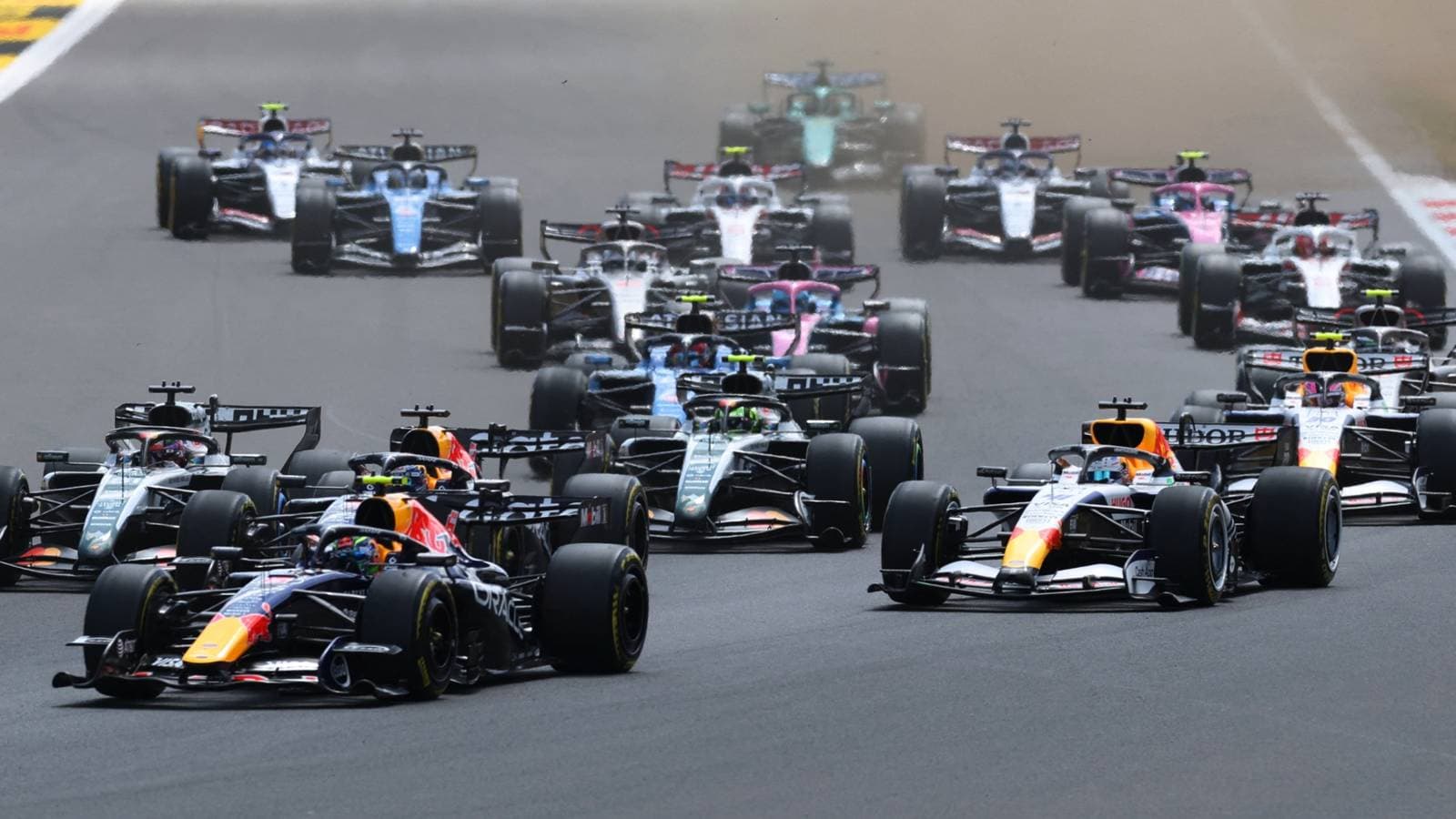
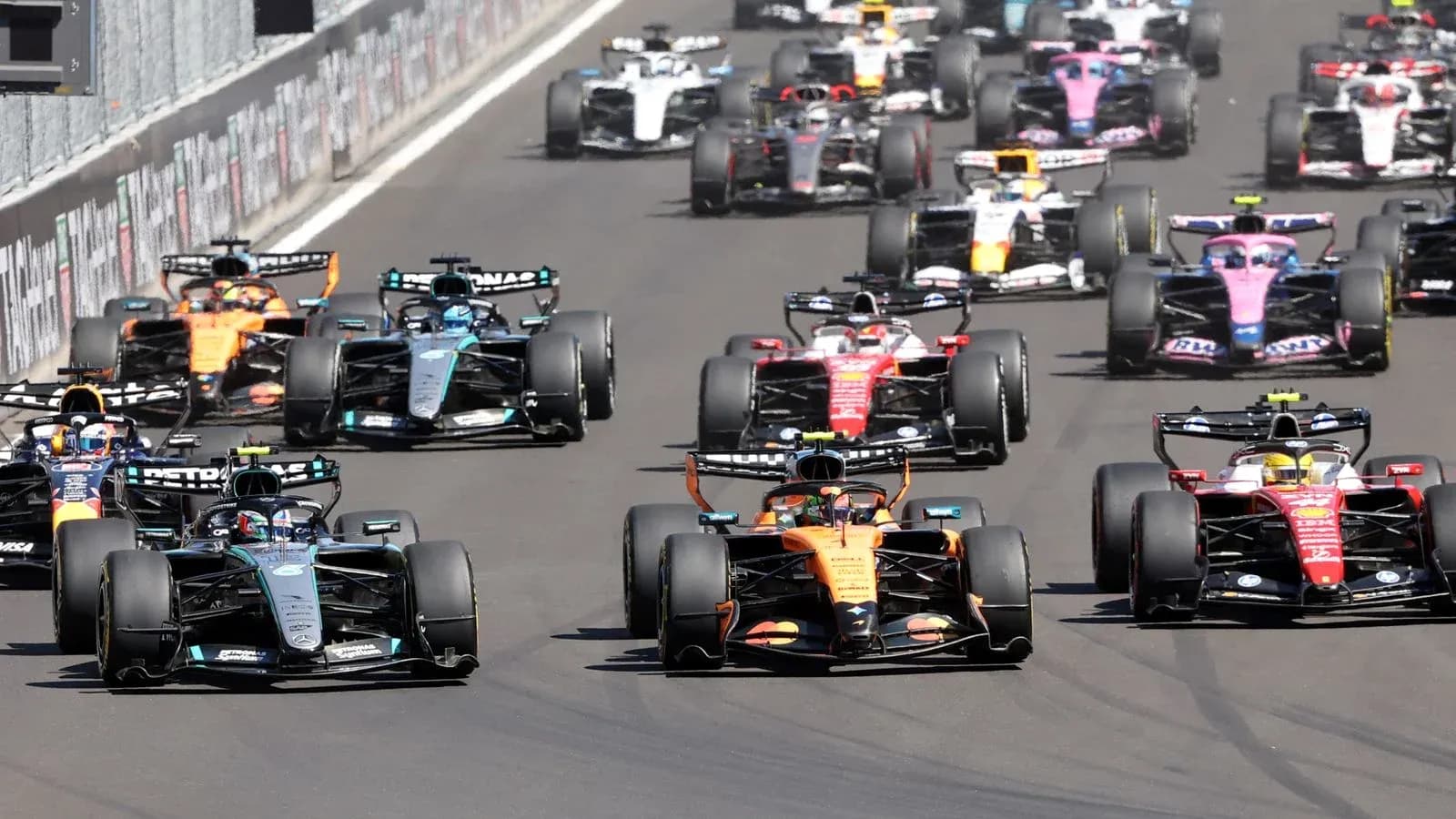
The sport will again stage a mammoth 24-round season, starting under the Bahrain floodlights and ending in the Gulf, but with a sharper edge: Sprint weekends jump from six to 10, a clear signal that F1 wants more flat‑out action and less cruising to Sunday.
Bahrain opens, Sprints take centre stage
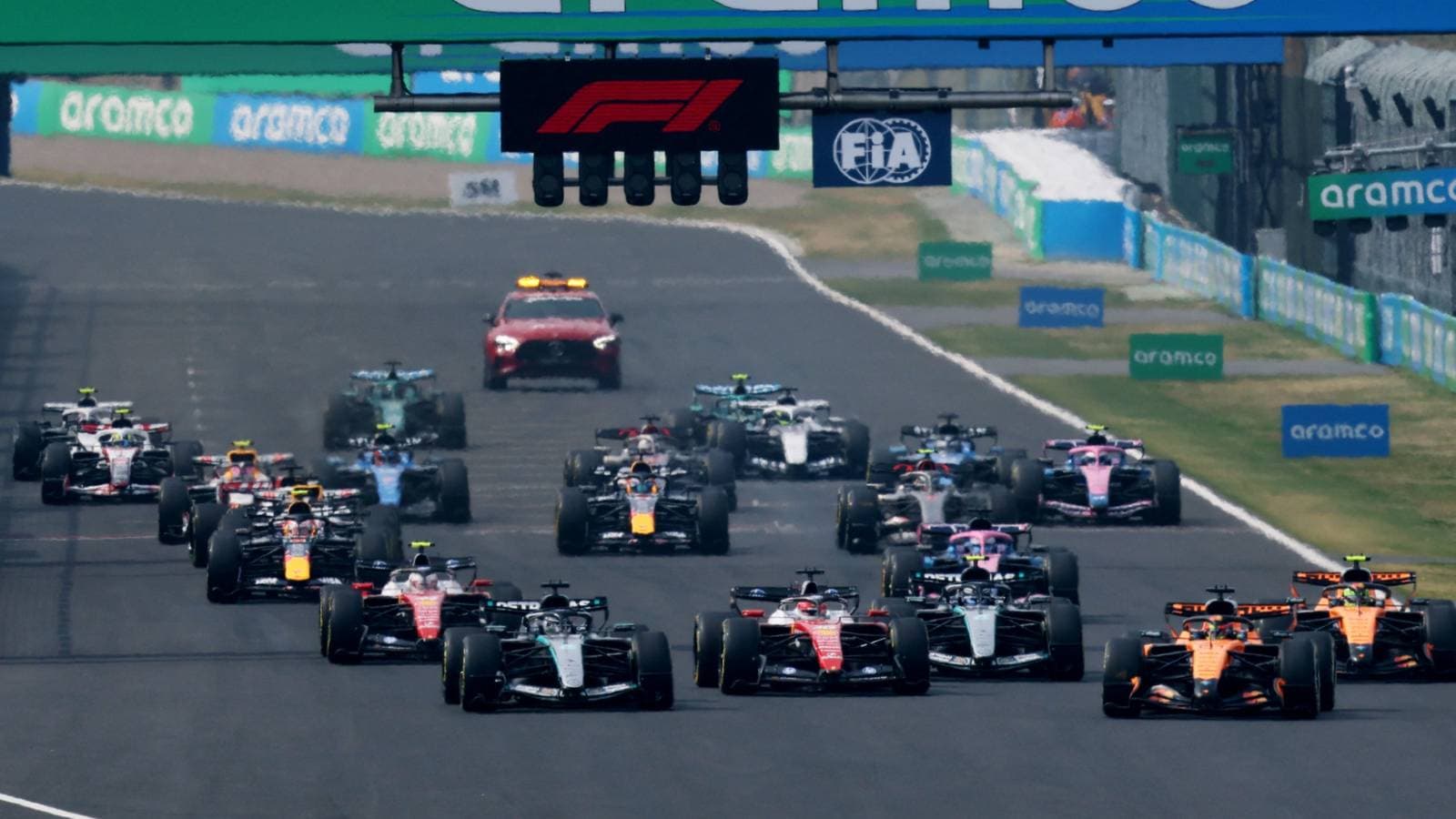
Bahrain remains the sport’s launchpad. A four-day pre-season test runs from February 24-27, before the first Grand Prix weekend of March 12-14 – and that opening round will double as a Sprint weekend. From the very first laps of the year, points and jeopardy are on the table.
Saudi Arabia follows a week later, keeping the early-season Middle Eastern swing intact, even as the sport continues to monitor regional tensions that delayed this calendar announcement in the first place.
Australia reclaims its familiar early-April slot as round three and also hosts a Sprint, setting up a high-intensity start to the year. Japan joins the Sprint club too, with Suzuka’s sweeping curves offering a very different test before China closes out a demanding early triple-header in Asia.
Portimao and Istanbul return, Zandvoort drops off
The headline changes sit in the middle of the calendar. For a fourth straight year there are 24 races, but the cast is shifting.
Portugal’s Portimao and Turkey’s Istanbul Park are both back, two drivers’ favourites with serious elevation changes and overtaking opportunities. Portimao drops into mid-June, while Istanbul forms part of a bruising late-season run.
The price of those returns is the loss of the Dutch Grand Prix at Zandvoort, which falls off the schedule. The orange tide will have to wait, at least for now.
There is also a new sharing agreement that reshapes European mainstays. From 2027, Spa-Francorchamps and the Circuit de Barcelona-Catalunya will rotate: Belgium hosts in odd-numbered years from 2027, Spain in even-numbered years from 2028. It is a compromise that keeps both historic venues in play, but not every season.
Monaco joins the Sprint era
Across the Atlantic, Miami keeps its early-May slot, but the real jolt comes in June.
Canada will stage a Sprint, but the real eyebrow-raiser is Monaco. For the first time, the streets of Monte Carlo will host a Sprint weekend, with F1 promising fans “two thrilling qualifying sessions” around the tight, unforgiving circuit. In a place where track position is everything and the barriers sit inches from the racing line, every lap will carry risk.
After Monaco, the returning Portuguese Grand Prix lands in mid-June, before the British Grand Prix at Silverstone runs as a Sprint weekend from July 2-4. Austria moves to follow Silverstone, keeping a traditional European rhythm but with a sharper competitive edge.
Belgium and Hungary then run back-to-back to carry the paddock into the summer break.
Longer summer pause, Monza Sprint on the restart
The pause is extended. Teams and drivers will get five weeks off – a week more than usual – before the season roars back into life at Monza in early September, again with a Sprint.
It is a brutal way to shake off any holiday rust. The Italian Grand Prix, always a temple of speed and pressure, becomes the first event after the break, with the Spanish Grand Prix in Madrid following a week later as the sport leans into its future in the Spanish capital.
Brutal triple-headers and a Las Vegas outlier
The run-in is relentless.
Azerbaijan, Turkey and Singapore form a punishing triple-header that blends Baku’s long straights, Istanbul’s flowing corners and Marina Bay’s street-fight intensity. Then comes the now-familiar Americas swing: Austin, Mexico City and Brazil, with Interlagos once more serving as a Sprint weekend.
Las Vegas keeps its unique place on the calendar as the only Saturday race of 2027 – though for fans in the UK it will land on Sunday morning. The neon spectacle remains an outlier in both timing and atmosphere.
From there, the championship hurtles towards a high-stakes finish: Sprint weekends in Qatar and Abu Dhabi on December 10-12 close the season, with titles potentially decided in short, sharp bursts as much as in the traditional Grands Prix.
F1 leans into growth – and risk
“The 2027 calendar brings together some of the most iconic circuits and vibrant cities in the world, creating an incredible stage for another unforgettable season of Formula 1,” said F1 president Stefano Domenicali as he unveiled the schedule.
He hailed the return of Portugal and Turkey and the expansion to 10 Sprint events, arguing it will deliver “more intensity, drama, and the wheel-to-wheel action that make our sport so special,” while pointing to F1’s continued surge in global popularity.
FIA president Mohammed Ben Sulayem echoed that sentiment, calling the 24-race, five-continent programme “a strong reflection of the global appeal and continued growth of our sport,” and highlighting the balance of “tradition, innovation, and fan engagement” with “the highest sporting standards.”
The message from the top is clear: more races, more formats, more touchpoints with fans. The 2027 calendar pushes the limits again – on travel, on workload, and on pure racing intensity.
Now the question is simple. With 24 rounds, 10 Sprints and a schedule stretched across the globe, who will still be standing when the lights go out for that final Sprint in Abu Dhabi?