.svg&w=384&q=75 "logo")
FIA Court Defends Integrity Against Briatore's Claims
The FIA’s highest court has moved to shut down Flavio Briatore’s attack on its integrity, issuing a firm rebuttal after the Alpine executive suggested a judge involved in Pierre Gasly’s Monaco penalty case had ties to McLaren.
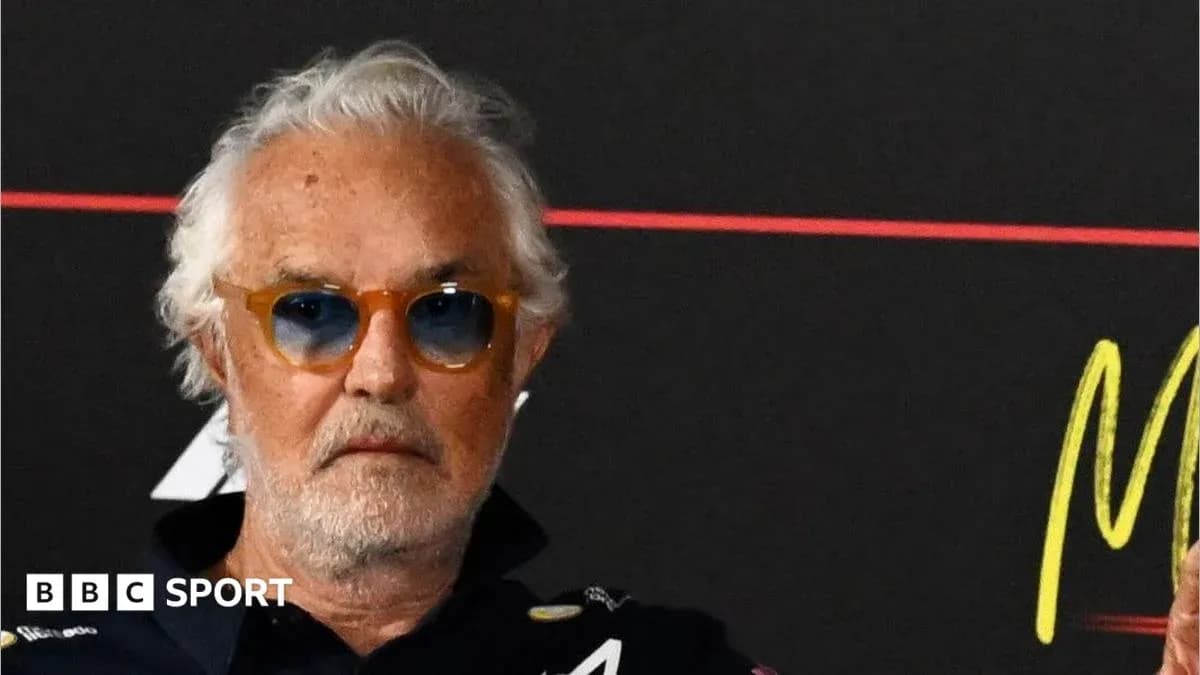
Briatore, speaking on Friday, claimed that one of the International Court of Appeal judges in the hearing that ultimately reinstated Gasly’s pit-lane speeding penalties had “links” with McLaren and had behaved “like a prosecutor”. His comments lit a fuse the FIA was never going to leave burning.
In a detailed statement, the court of appeal rejected the insinuation that its panel had been compromised, saying Briatore’s suggestion “questions the independence and impartiality of the judges”.
The court stressed that its judges are bound by strict rules: they must comply with independence and confidentiality requirements laid out in the FIA’s judicial and disciplinary regulations, file annual declarations of interest with the FIA compliance officer, and sign a specific declaration of independence for every case, tailored to the issues and parties involved.
Crucially, the court underlined that both sides had every opportunity to object to the panel before and after the hearing.
The statement made that point bluntly: the parties “were invited both before and after the hearing to raise any issues concerning the proceedings or the composition of the court. None did so”. No objection was raised during the session about how the judges questioned witnesses or ran the process.
The message was clear. Debate the verdict if you like; don’t question the court’s integrity.
“A court’s decision can leave room for various interpretations and comments as for its legal merits; that is fair and accepted by all the judges,” the statement continued. “The court is confident in the soundness of the proceedings and the integrity of the judges. The FIA courts remain committed to the independence and impartiality of their judges and to the integrity of the judicial process.”
The FIA also reiterated that the court of appeal “operates independently” of the broader organisation, a line the governing body is increasingly keen to defend as pressure grows around its governance and decision-making.
Briatore’s allegation centres on a charity auction in California in 2018, which the judge in question attended and where, he claimed, “McLaren gave two, three McLaren cars”. For Briatore, that was enough to cast doubt on the neutrality of the panel.
“One of the judges act like a prosecutor. This is not a big problem. The problem is he's very linked with the McLaren company,” the 76-year-old Italian said. “This was quite unfair. One of the judges was linked with a team that was protesting us.”
Pressed on why Alpine had not raised any concern during the hearing itself, Briatore said they only learned of the supposed link afterwards. “We found out, after the meeting, logically, not before, we found out this guy was linked with the McLaren team. This is what I think.”
The case in question was significant on track as well as off it. McLaren and Red Bull had jointly challenged the decision to drop two pit-lane speeding penalties handed to Gasly during the Monaco Grand Prix. The International Court of Appeal sided with the appellants, reinstating the sanctions.
That ruling pushed Gasly back to seventh and reshuffled the points. Red Bull’s Isack Hadjar was restored to third, McLaren’s Oscar Piastri moved up to fourth, and Racing Bulls duo Liam Lawson and Arvid Lindblad climbed to fifth and sixth. Four drivers, two teams, and a clear competitive gain for those who brought the appeal.
Briatore, notably, did not mention Red Bull at all in his criticism, focusing instead on McLaren and the judge he believes is too close to the British team.
McLaren’s reaction has been sharp. Inside the team, the claims are dismissed outright, and there is anger that what they regard as baseless allegations were aired on a public stage.
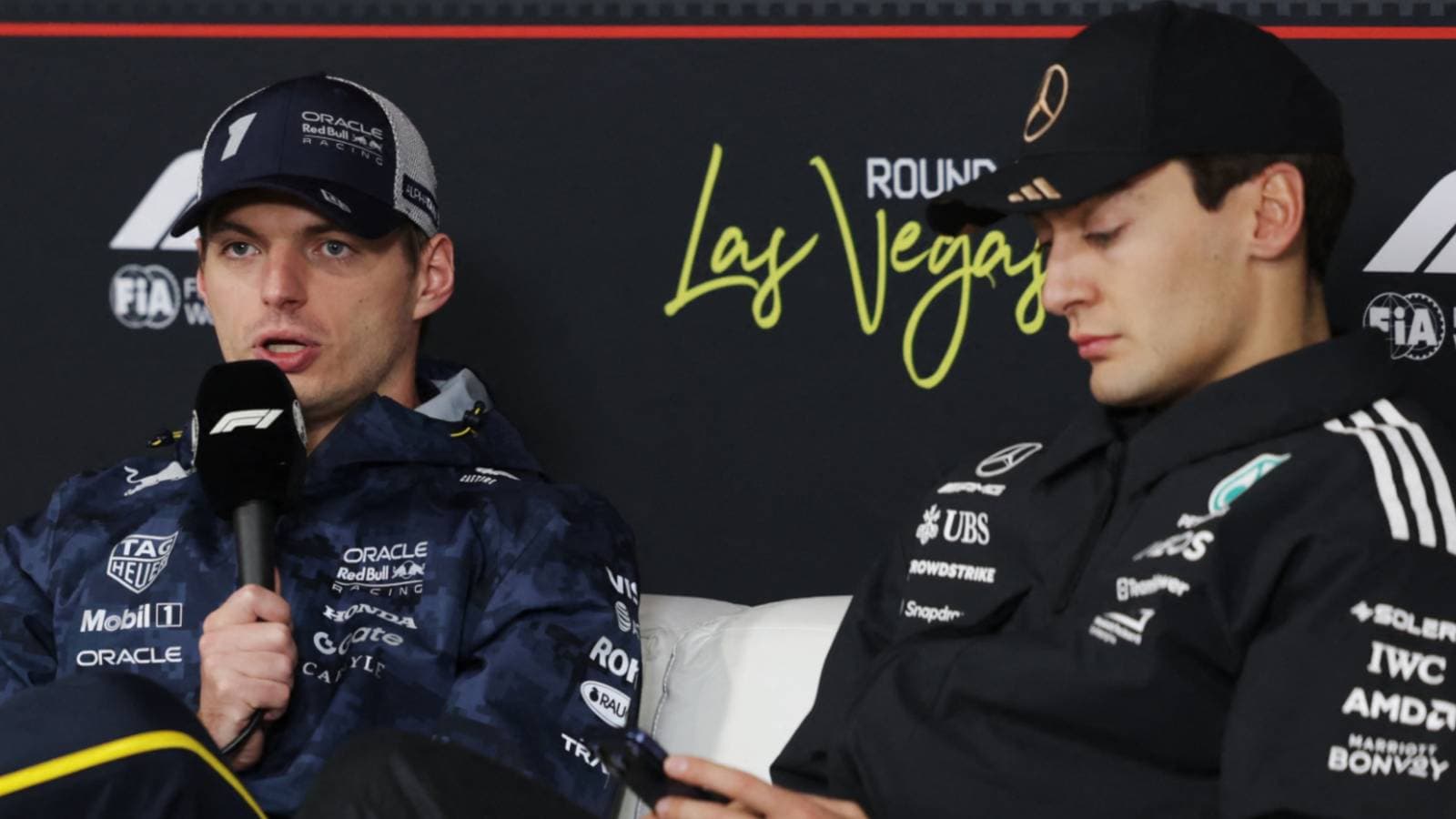
Team principal Andrea Stella sat just metres away from Briatore in the same news conference and did not hide his displeasure.
“I find that this conference going in this direction is quite insulting for McLaren, for the reputation of a team that deserves a lot of respect,” Stella said. “And if anybody makes these kind of allegations – which seem quite serious – they are going to have to take the responsibility for what they are saying in a public forum.
“The hearing, the whole International Court of Appeal, was conducted to the highest standards and we should not question this phase as has been done.”
So the lines are drawn. On one side, an experienced operator in Briatore, raging against a verdict that hurt Alpine on the scoreboard and accusing the system of bias. On the other, a governing body and a rival team adamant that due process was followed and that the sport’s judicial backbone must not be dragged into the mud.
The penalty stands. The points are allocated. The real battle now may be over something less tangible but far more explosive: trust in how Formula 1 polices itself.