.svg&w=384&q=75 "logo")
Ferrari's Innovative SF-26 Sets New Standards in F1
Fred Vasseur did not come to Maranello for compliments. He repeats it often enough. Yet as the 2026 Formula 1 season settles into its rhythm, the most telling praise for Ferrari’s reborn technical department is parked in other people’s garages.
Rivals are copying the red car.
Ferrari’s SF-26 arrived under the new regulations with the kind of visual aggression that turns heads even in a jaded paddock. Low, tightly packaged, and bristling with detail, it carried something more important than aesthetics: ideas. Risky ones.
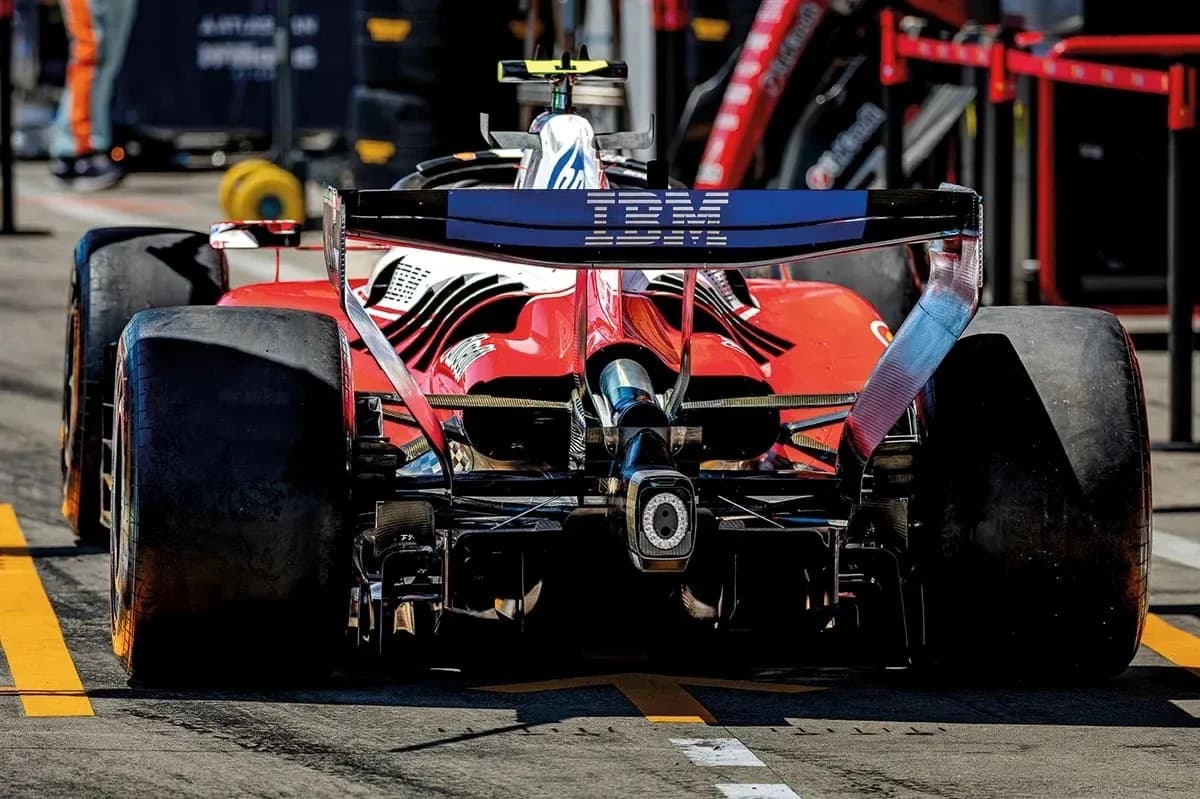
At winter testing in Bahrain, the team quietly bolted on a curious winglet to the structure behind the exhaust. Inside Ferrari, they called it Flick Tail Mode – FTM – a device that trades a touch of drag for a decisive hit of rear downforce. A small part, a big statement. The next day they went further. Out came a rotating rear wing, instantly christened the “Macarena wing”, flipping 180 degrees between cornering and straight-line modes.
One test. Two radical concepts. The message was clear: Ferrari were done playing safe.
Copycats and Closed Loopholes
The exhaust wing was the one that really detonated across the grid. Teams up and down the pit lane pored over photos, CAD projections and simulation models, trying to decode how Ferrari had integrated the device into the entire rear architecture of the car. They could see the idea. Replicating it? Much harder.
Ferrari had built the SF-26’s rear end around that concept. It wasn’t a bolt-on gimmick; it was a philosophy.
The FIA’s reaction underlined just how disruptive it was. By 2027, the governing body will close the loophole that allowed the exhaust device in the first place, outlawing Ferrari-style solutions to prevent an arms race in that area of the regulations. When the rulemakers move that quickly, you know someone has hit a nerve.
The upside-down, rotating rear wing has taken a different path. Red Bull adopted its own interpretation. McLaren tested a version after spotting Ferrari’s work in Bahrain. McLaren’s technical director Neil Houldey admitted the team were slow to latch onto the concept, saying they were disappointed not to have picked it up as quickly as Ferrari and then Red Bull. Once they saw it, they knew there was performance on the table.
Ferrari, for once, had set the agenda.
Vasseur’s Reward
For Vasseur, who has spent his tenure trying to jolt Ferrari out of a conservative mindset, the sight of other teams scrambling to emulate Maranello’s ideas cuts deeper than any polite praise.
He insists he is not in the job to collect compliments. Podiums and wins are the only approval that counts. Yet he recognises what this moment means for the people behind the scenes – the aerodynamicists who argued for the risk, the designers who reworked the rear of the car to make the concept viable.
When he sees Red Bull arrive with a similar wing, and other teams chasing the exhaust device, he knows the message filters straight back into the wind tunnel and design office. For those who pushed these concepts through internal resistance, it is, as he puts it, a “good reward”.
It is validation that Ferrari are no longer just reacting to trends. They are setting them.
The Best Chassis on the Grid?
Ferrari’s power unit has been an open wound for several seasons. Straight-line speed deficits, deployment issues, painful comparisons to Mercedes and Red Bull. That is still the weak link.
Which makes the SF-26’s performance all the more striking. Strip away the engine question, and many in the paddock now view Ferrari’s car as the class of the field on the chassis side. The evidence is on the scoreboard.
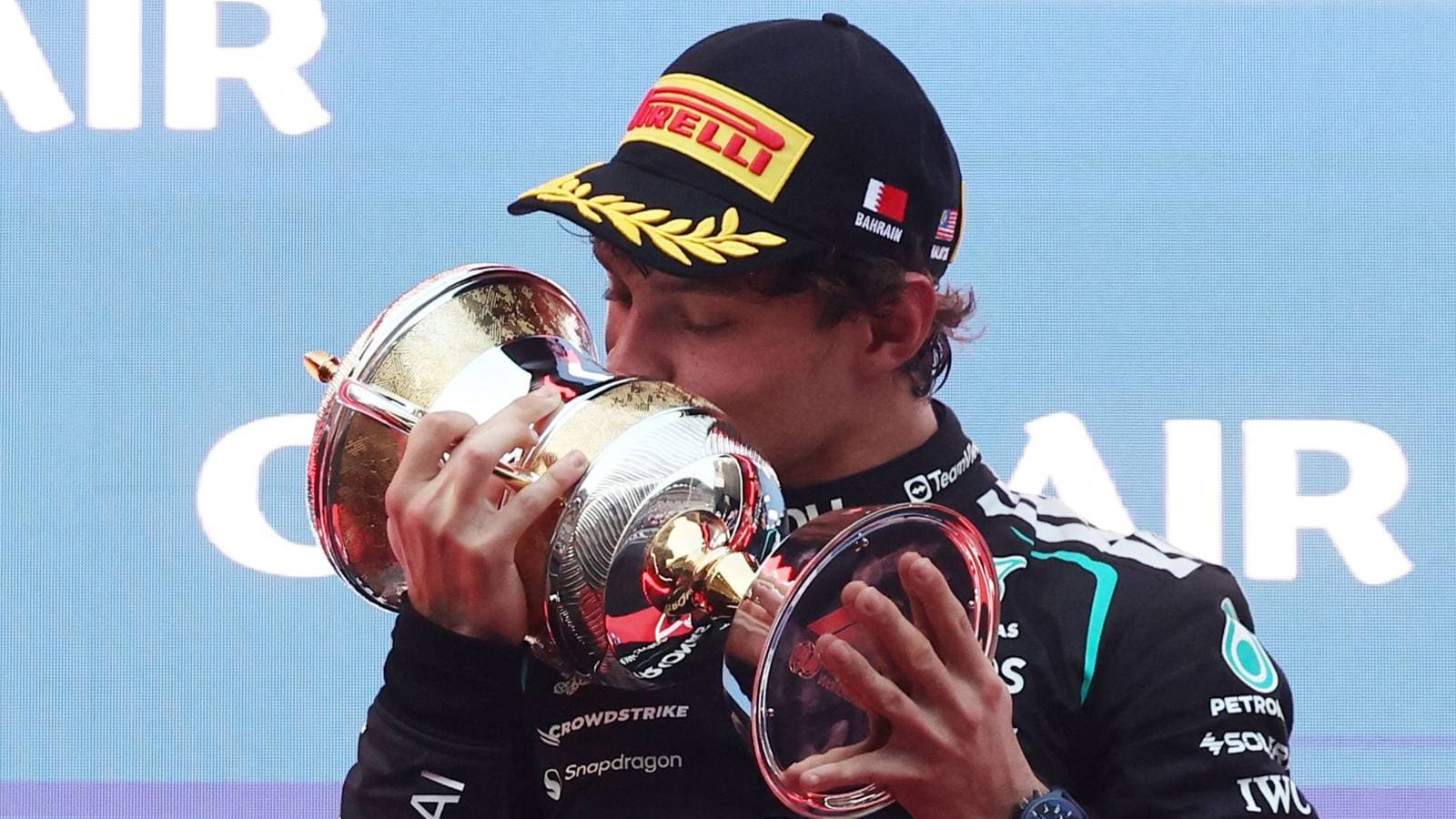
After a series of upgrades, Charles Leclerc and Lewis Hamilton have both taken grand prix victories – Leclerc at Silverstone, Hamilton in Barcelona – and Ferrari sit second in the standings. These are not opportunistic wins snatched in chaos. They are the product of a car that generates grip, looks kind on its tyres, and gives its drivers confidence to attack.
In an era where marginal gains define seasons, Ferrari have found something more substantial. The SF-26 is the first machine fully shaped under technical director Loic Serra, who finally arrived from Mercedes at the end of 2024 after a long gardening leave.
His influence is stamped all over this car.
The Long Game Behind a Short-Lived Wing
Vasseur is quick to use Serra’s story as a reminder of how slowly an F1 turnaround really moves. Talks with Serra began in mid-2023. He could not join until late 2024. Once in place, his focus jumped straight to the 2026 car, all while he continued to recruit and restructure around his vision.
Years of planning for a car that would race for the first time this season. Years of waiting, while the outside world demanded instant results.
That lag is the hidden weight behind every bold innovation. The exhaust wing may vanish from the rulebook in 2027, but its legacy is not the piece of carbon itself. It is the culture that allowed it to exist: a Ferrari willing to test the edges of the regulations, to accept that some ideas will be banned, some copied, and a few will win races before they disappear.
Vasseur sounds genuinely content with the structure he has in place. He talks about a strong team, “mega strong” collaboration, and choices that are finally paying off. These are not the words of a man clinging to small positives. They come from someone who sees a long-term plan starting to bite.
The rest of the grid can copy the wings. The question now is whether they can catch the momentum.