.svg&w=384&q=75 "logo")
The Evolution of MMA in the Digital Age
Mixed martial arts grew up on the internet. Long before it cracked mainstream television slots and sold-out arenas, the sport lived on grainy streams, message boards and the kind of niche forums where hardcore fans dissected every jab and takedown.
That culture never really left. It just moved.
Now the heartbeat of MMA runs through X, Facebook and Instagram. Fighters don’t just show up on fight week, vanish behind gym doors and reappear under the lights. They talk, argue, joke, and bleed online in real time. Wins and losses no longer end with the final horn; they spill into timelines and comment sections, where careers are defended, doubted, and rebuilt in public.
UFC Fight Night 287
UFC Fight Night 287 in Paris offered another reminder.
Once the cameras cut and the Octagon cleared, the event found a second life on social media. Victors posted bruised smiles and grateful messages. Coaches broke down performances in a few sharp lines. Training partners shared behind-the-scenes photos from the locker room, the long walk to the cage, the quiet moments nobody sees on the broadcast.
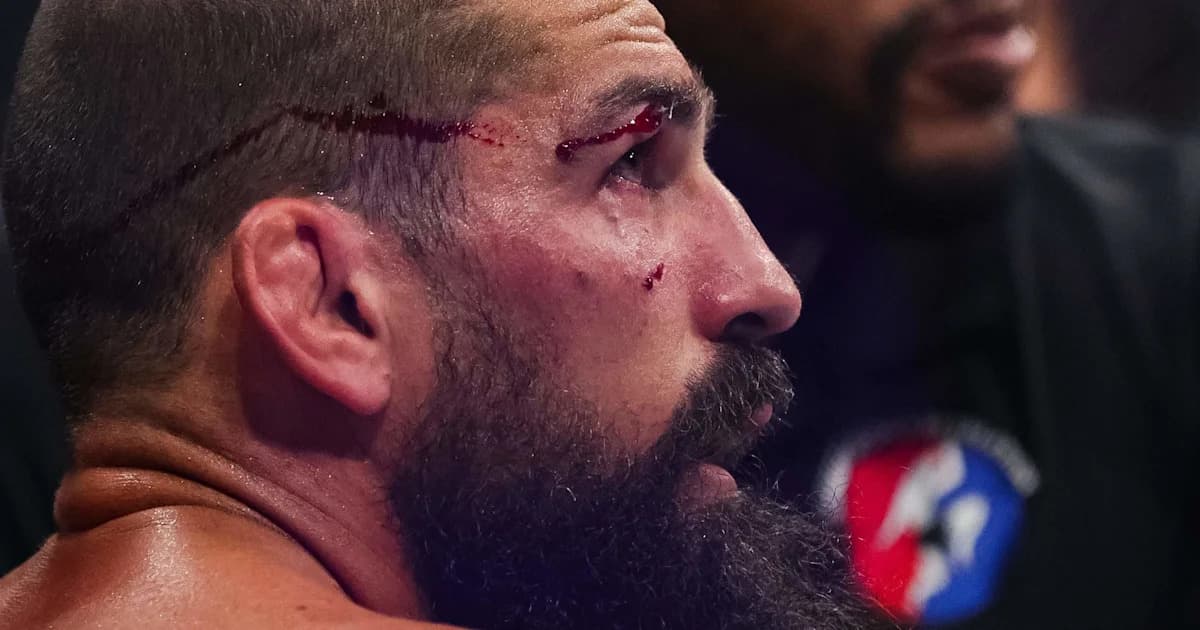
And then there were the defeated.
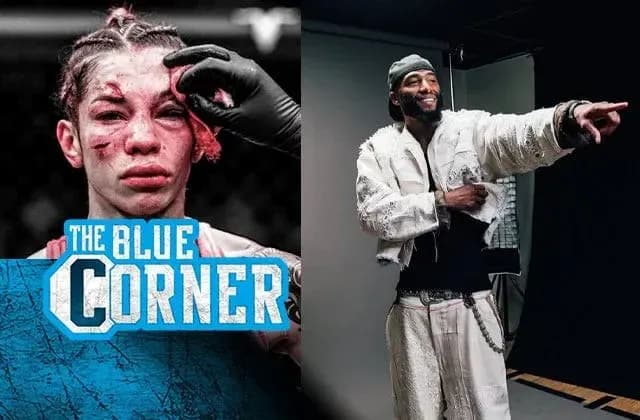
Sofia Montenegro, like so many fighters before her, had to process a loss with the world watching. The walk back through the tunnel is harsh enough; the walk back onto social media can be even harsher. Yet this is the modern bargain of the sport. Visibility brings opportunity. It also brings scrutiny.
That duality defines MMA in 2026. The cage still decides the result, but the story of a fight now unfolds just as much on a screen as it does under the arena lights.