.svg&w=384&q=75 "logo")
Cricket NSW Condemns Big Bash Sell-Off Threat to Grassroots
Cricket’s long-running debate over money and control burst into the open this week, as Cricket NSW publicly condemned Cricket Australia’s decision to open the Big Bash to private investors.
On Tuesday, CA confirmed it would pursue private ownership stakes in its T20 franchises, starting with the Melbourne Renegades and targeting a sale ahead of the 2027/28 season. The model being explored includes selling up to 49 per cent of BBL clubs.
Within 24 hours, Cricket NSW fired back.
“Strategically and financially worse off”
In a strongly worded statement, Cricket NSW said it was “disappointed” CA had pushed ahead without securing agreement from all states, warning the move “risks leaving cricket in NSW and Australia strategically and financially worse off, with direct consequences for our ability to invest in grassroots cricket”.
The concern is simple and blunt: once private money comes in, profits start flowing out.
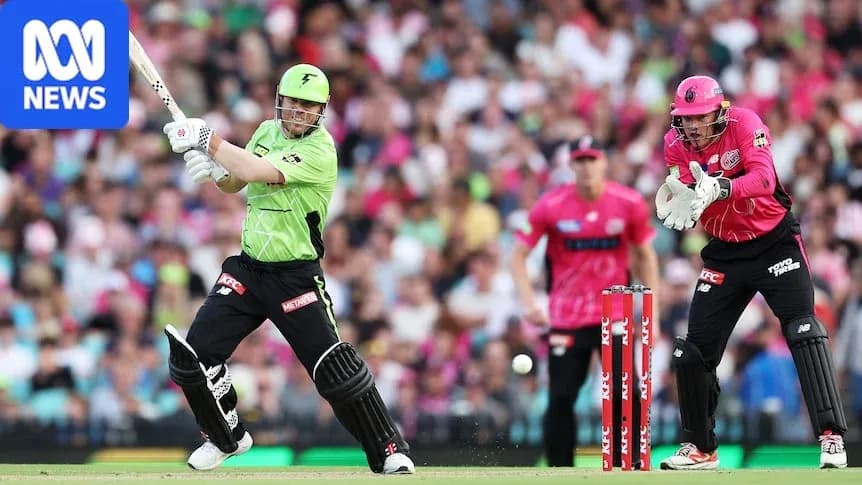
Cricket NSW owns two of the competition’s powerhouse brands, the Sydney Sixers and Sydney Thunder. It says profits from those “successful and healthy” clubs are currently recycled straight back into the game, paying for participation programs and pathways that ultimately feed talent into the WBBL, BBL, NSW and Australia.
“Yesterday’s announcement threatens this system,” the statement said. “The redistribution of profits to external investors reduces our ability to invest in community cricket, creating long-term impacts at all levels.”
For NSW, this isn’t just a balance-sheet adjustment. It’s an attack on the way the sport funds itself from the bottom up.
A fractured front
Tension has been brewing for months. NSW and Queensland were already reported to be opposed to the plan, wary of selling down stakes in BBL franchises and losing both control and future income.
On Wednesday, Cricket NSW made it clear it felt ignored in the rush to market.
“The Cricket NSW board is also disappointed by the process leading to this decision,” it said. “We have raised concerns directly with Cricket Australia, proposed an alternative pathway to strengthen the Big Bash, and highlighted significant risks within the proposal, informed by high-quality external advice.”
The message between the lines was sharp: this wasn’t a knee-jerk reaction, but a position built on detailed analysis that CA chose not to follow.
CA’s gamble: sell now, grow later
Cricket Australia, though, is betting big on private capital as the key to keeping pace with the global T20 arms race.
Chair Mike Baird framed the move as a calculated, long-term play to protect the game’s future, not undermine it.
“By opening the door to private investment in the Big Bash leagues, Cricket Australia is taking a deliberate step to strengthen and secure the long-term future of the game, accelerate growth and ensuring we can keep investing in community cricket and grassroots participation, domestic and international pathways and the elite level,” Baird said on Tuesday.
He stressed the decision followed “an enormous amount of analysis, discussion and collaboration over many months” and argued that bringing investors into the Big Bash would “strengthen the Big Bash and protect our standing on the global stage”.
In CA’s eyes, the Big Bash needs fresh cash and sharper commercial muscle to compete with booming T20 leagues overseas. Private equity and strategic investors, they believe, can supercharge that growth.
Who owns the future?
Strip away the statements, and the battle lines are clear.
CA sees private investment as a lifeline: a way to inject money, expand the product, and stop Australian cricket from being outgunned by rival leagues.
NSW sees a leak in the tank: profits diverted to outside owners, less funding for kids’ cricket, and less control over two of its biggest assets in the Sixers and Thunder.
Both sides claim they are defending grassroots cricket. Only one model will win out.
For now, CA is pushing ahead, hopeful the Renegades will be under new ownership by 2027/28. The question that will hang over every negotiation from here is stark: will the Big Bash’s new money era fuel the whole game, or hollow out the very base it’s built on?