.svg&w=384&q=75 "logo")

Champions League Draw Analysis: Who Benefits and Who Struggles?
The 36 clubs now know their path through the new Champions League league phase. Eight games each, no identical schedules, and – as the Opta power rankings make clear – anything but a level playing field.
Using those rankings, which stack 16,000 teams worldwide on a single scale, the numbers strip away the emotion and show who really caught a break and who has been thrown into the deep end.
Liverpool land the softest Premier League schedule
Among the English clubs, Liverpool walked away from the draw room with the broadest grin. Their eight opponents carry an average Opta rating of 90.0 – the ninth-kindest list of fixtures across the entire competition.
They’ve pulled Atlético Madrid and Inter from pot one, two of the more manageable heavyweights available to Premier League sides. Crucially, they’ve dodged the true European monsters that can warp a campaign before it starts. No Real Madrid. No Bayern Munich. No Barcelona. No Paris Saint-Germain.
For a club trying to build rhythm under a new format, this is the sort of draw that quietly fuels expectations. Not easy. Just easier than most.
Arsenal’s extremes: brutal top end, gentle undercard
Arsenal’s draw is a different beast altogether. At the top, it bites.
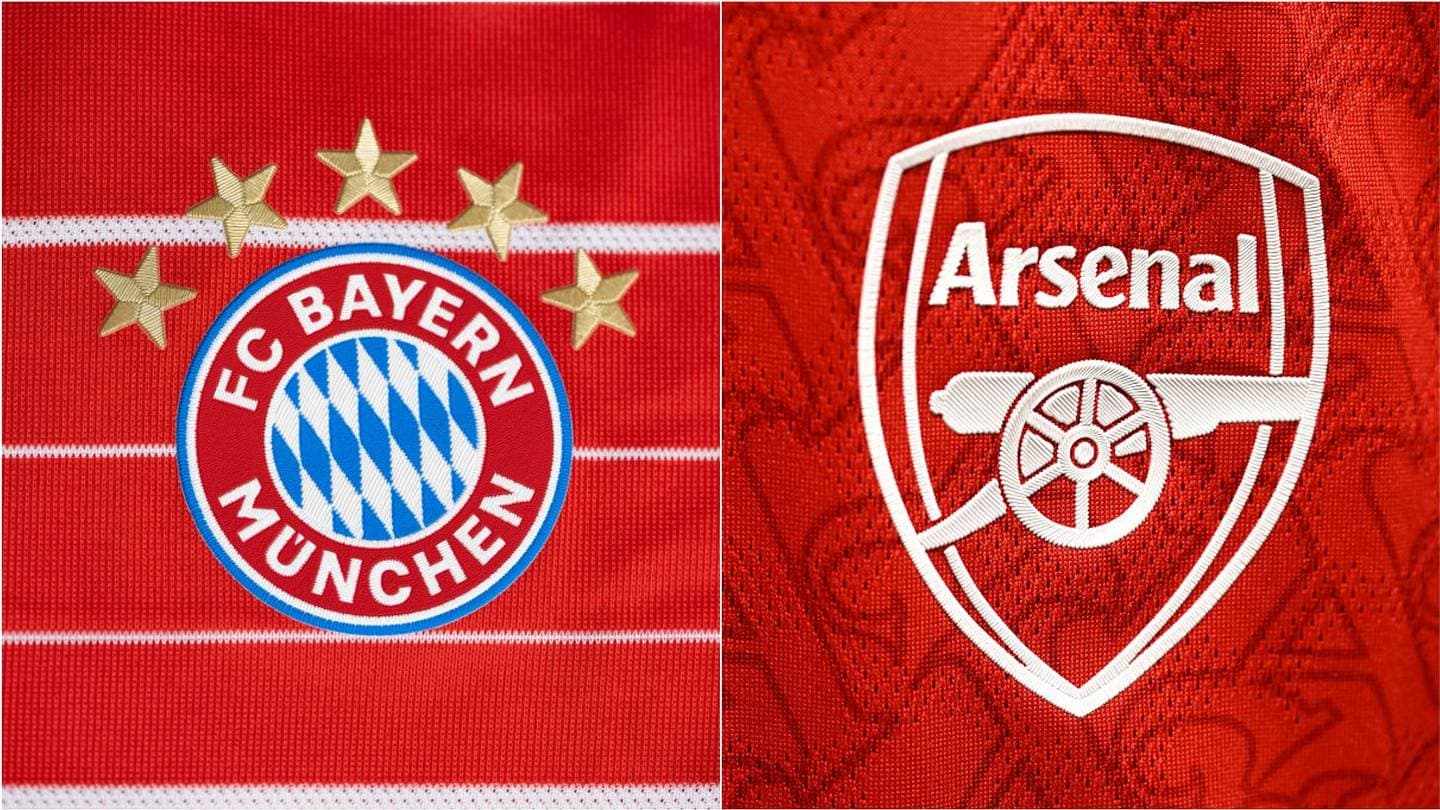
Bayern Munich away. Real Madrid at home. As pot-one fixtures go, that is as unforgiving as it gets. Add Borussia Dortmund – the highest-ranked side in pot two – and Mikel Arteta’s team will be walking straight into some of the most hostile and demanding fixtures on the continent.
Then the picture flips.
Arsenal have drawn the two lowest-ranked sides in pot four: Sabah and Slovan Bratislava. Sabah sit 170th in the world, Slovan Bratislava 224th. They are, by the numbers, the weakest pair in the entire competition.
So Arsenal’s league phase looks like a test of balance. Survive the heavyweight nights against Bayern, Madrid and Dortmund, and they should be able to make up serious ground against the bottom end of their schedule. The margins at the top are thin; the safety net underneath is generous.
Stuttgart and Inter quietly cash in
Outside England, Stuttgart came out of the draw better than anyone. Their opponents average just 88.9 in the Opta rankings – the softest run of fixtures in the league phase.
Inter are not far behind. Their average opponent rating stands at 89.5, the second-easiest schedule in the field.
That matters. Inter’s recent history in this competition carries a sting: runners-up in 2024-25, then shockingly dumped out by Bodø/Glimt in the playoff stage last season. This time, with this draw, they will expect to avoid that jeopardy entirely and move straight into the last 16. Anything less will feel like a waste of a golden opportunity.
Maresca’s Manchester City face the hardest Premier League road
At the other end of the spectrum, Manchester City’s new era begins under heavy fire.
For the first time in 11 years, City enter a Champions League campaign without Pep Guardiola. Enzo Maresca steps in – and the draw has given him the toughest fixture list of any Premier League club.
City’s opponents average 91.7 in the Opta rankings. Only five teams in the entire competition face a more demanding slate.
They have drawn Barcelona and Paris Saint-Germain from pot one, a pair of European giants that instantly crank up the difficulty. From pot three comes Napoli, ranked 34th in the world, an opponent that would test anyone, let alone a side adjusting to life after Guardiola.
This is no gentle handover. It is a baptism under the brightest floodlights.
Aston Villa’s gauntlet run
Aston Villa know Barcelona and PSG well enough. They have already felt the sharp edge of this competition.
Their last meeting with PSG at Villa Park still lingers. Villa won the second leg of their 2024-25 quarter-final 3-2 at home, only to go out 5-4 on aggregate. Agony, but also proof they can live with the elite.
This time, the draw has offered no respite. Again, Barcelona and PSG arrive from pot one. From pot two, Villa have been hit with the toughest possible combination: Club Brugge and Borussia Dortmund.
The lower pots are kinder, but not enough to change the overall picture. Unai Emery, a coach defined by his European pedigree, will need to pull something special from a squad that has undergone significant churn this summer. The route to another deep run is there, but it is steep and unforgiving.
Manchester United walk a narrow line
Manchester United return to the Champions League for the first time since 2023-24, and the memories are not pleasant. Four defeats in six, bottom of the group, and an early exit that stung.
This time, the draw has not been brutal, but it leans clearly towards the difficult side.
From pot one come Bayern Munich and Atlético Madrid – relentless, seasoned operators at this level. From pot four, United have drawn Como, the toughest opponent they could possibly have faced in that bracket.
The middle of the schedule offers no breathing space either. Sporting CP, ranked 21st in the world, and Roma, 22nd, promise tight, tactical contests. RB Leipzig (38th) and Villarreal (43rd) arrive from pot three: not disasters, but far from ideal.
There were softer paths available. United did not find one. Every slip will carry a cost.
Sabah, Slavia Prague and Lens feel the squeeze
At the very bottom of the seeding, the numbers tell a harsh story.
Sabah, already the lowest-ranked team in the competition, have emerged with the hardest fixture list of all. Slavia Prague sit not far behind, saddled with the third-toughest schedule. For clubs operating outside the traditional power base, the league phase will feel like a sustained examination, not a European adventure.
Lens, representing Ligue 1, also drew the short straw. Their opponents average 92.1 in the Opta rankings, one of the most punishing slates on offer. Atlético Madrid are just a fraction better off on 92.0, a reminder that even established clubs can find themselves boxed in by the numbers.
The draw has done what it always does: tilted the field before a ball has been kicked. Some will talk about opportunity, others about injustice. But when the league phase begins, the rankings, the averages, the kind and cruel hands of the draw will all fade behind a simpler question.
Who can turn their path – easy or brutal – into something that actually lasts into the spring?