.svg&w=384&q=75 "logo")
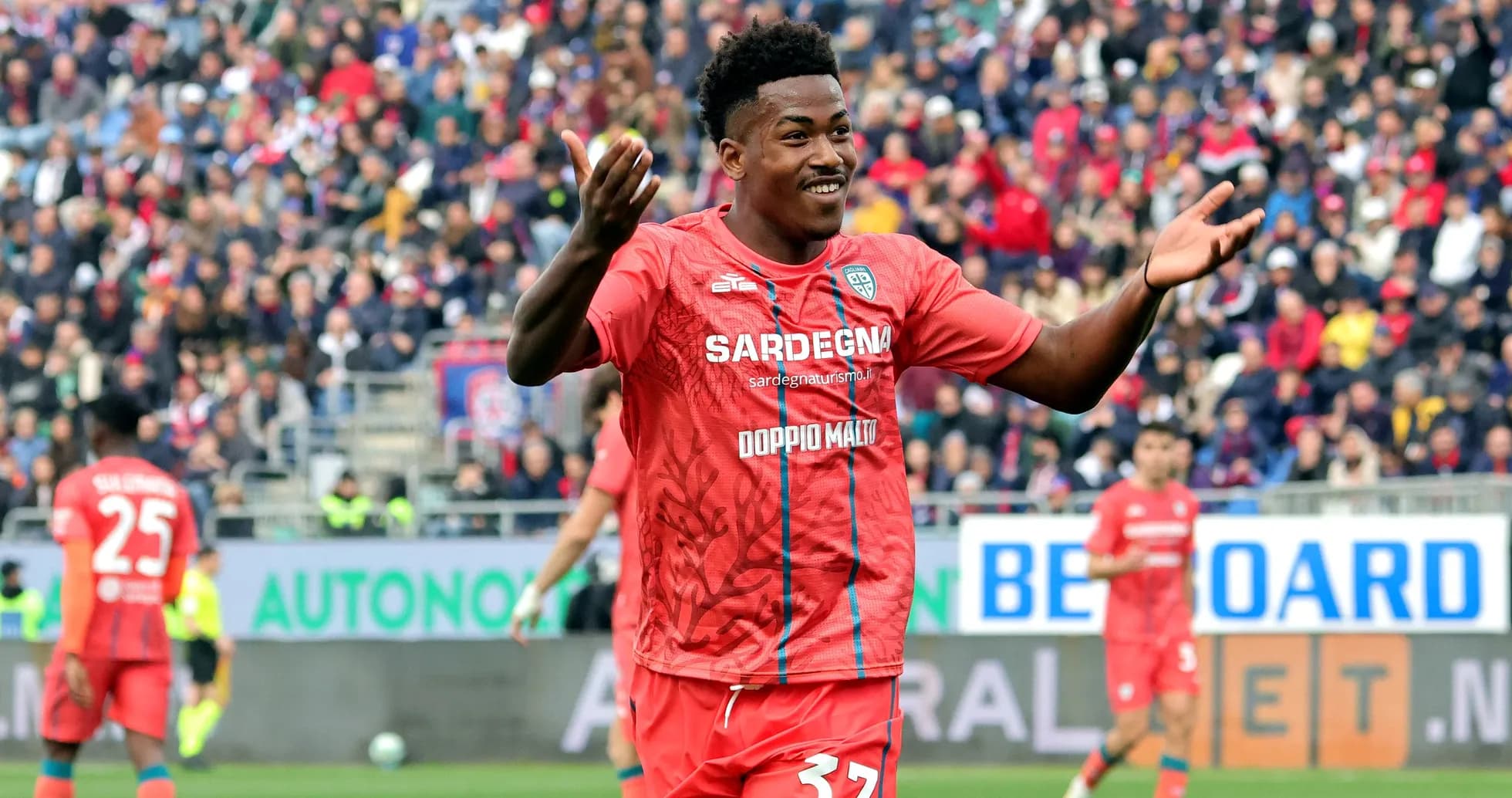
Cagliari's Young Forward Yael Trepy Leaves Hospital After Near-Fatal Accident
For nearly two weeks, Cagliari lived with a knot in its stomach. Not over a transfer saga or a tight relegation battle, but over the life of a 19-year-old striker who had barely taken his first steps in the professional game.
Now, at last, the club and its supporters can exhale.
Yael Trepy, the young French forward who came within seconds of losing his life in a swimming pool accident, has been discharged from the “Santissima Annunziata” University Hospital of Sassari. He walked out of the building on his own two feet, in good condition, smiling, and accompanied by his mother. A scene that felt unthinkable on the night of 16 August.
From holiday to intensive care
The story began like any other summer break. A villa in Baja Sardinia, near the Costa Smeralda. A player on holiday before the grind of a new season. Then everything flipped.
Trepy nearly drowned in a swimming pool at the property, his life hanging in the balance before emergency teams intervened. Their response had to be perfect. It was.
Rescue services airlifted him to Sassari in time, and doctors moved instantly. He was rushed into intensive care and placed in a medically induced coma for 48 hours. For two days, football stopped mattering. The only scoreboard that counted was the one in the ICU.
When he finally woke, the first battle had been won. The next phase began: a slow, careful climb back.
Trepy was transferred from intensive care to the pulmonology ward, where specialists monitored his lungs and overall condition. The key question hovered over everything: had there been lasting physical damage?
The answer, to the immense relief of everyone involved, was no. Gradual improvement, steady progress, and no major physical harm. Against the backdrop of what had happened, that verdict sounded almost like a victory parade.
“Not a miracle, but a system that worked”
Inside the hospital, the tone was calm, clinical, but quietly proud.
Professor Pietro Pirina, director of the department of clinical and interventional pulmonology at Sassari University Hospital, outlined Trepy’s condition in a statement to “Sky Sport”.
“The patient is leaving hospital in a generally good clinical condition, after a course of treatment that showed a gradual and marked recovery,” he said.
Pirina stressed that the improvement had been constant, allowing the medical team to plan Trepy’s discharge “with peace of mind” after a full set of tests confirmed his progress.
In recent days, some had called it a miracle. Pirina chose different words. This, he said, was the work of a system that had proven its effectiveness: rapid emergency response, swift airlift, intensive care, specialist follow-up. A chain that held firm when it mattered most.
A smile, a farewell, and the road ahead
When Trepy finally stepped out of hospital, the image said more than any bulletin. A broad smile, his mother at his side, and warm goodbyes to the medical staff, the general director and the medical director who had overseen his care.
The danger is over. The story, though, is not.
Next stop: Arco, in the province of Trento. There, Trepy will begin a structured rehabilitation programme, the next essential chapter in his recovery. The work will be quieter now, away from the drama of helicopters and intensive care units, but no less important.
Detailed tests await him in the coming weeks and months. Only after those evaluations will doctors decide whether he can return to full competition and receive medical clearance to resume his career.
For a young forward whose life and profession almost ended in a swimming pool, the question has shifted. It is no longer “Will he survive?” but “When will he be ready to play again?”