Arsenal's Controversial Win and Arteta's Media Strategy
Arsenal’s win at the Stadium of Light should have been routine. A clean 2-0, another tick in the box for the champions, job done. Instead, the night turned into another flashpoint in an increasingly bitter fight between the Premier League’s elite and those who officiate them.
The football was almost secondary. The penalty was not.
The flashpoint that lit the fuse
With the game still goalless, Sunderland swung in a corner and chaos followed. Ezri Konsa tangled with Dan Ballard, arms locked in the kind of grappling that fills every penalty area at every set piece. Referee Stuart Attwell pointed straight to the spot.
VAR took a long look. The decision stood.
Inside the ground, the call felt big. For Arsenal, it felt familiar. Another marginal decision, another intervention – or lack of one – from Stockley Park. The Gunners would go on to win, but the sense of injustice stayed with Mikel Arteta long after the final whistle.
He did not let it go.
Arteta walked into his post-match press conference with a result in his pocket and fury on his mind. He branded the penalty “unacceptable”, and he did it with purpose, returning to the incident again and again, no matter what he was asked. This was not a passing gripe. It was a message.
Arteta steps into the power seat
Watching from the studio, Jamie Carragher saw something bigger than a manager angry about one decision. On Sky Sports’ Monday Night Football, he framed it as a shift in the Premier League’s power dynamic.
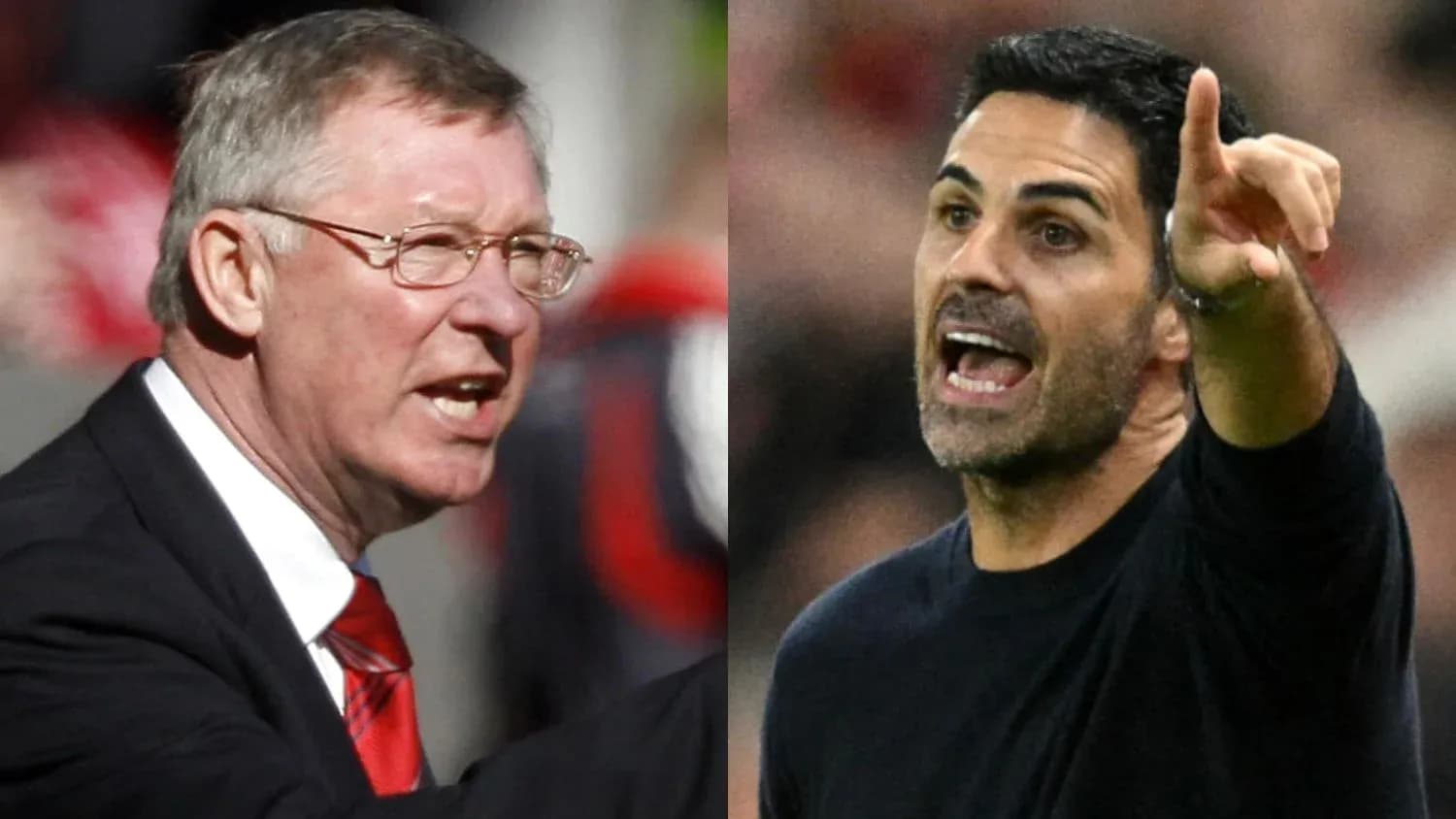
“This was Mikel Arteta becoming the Sir Alex Ferguson of the Premier League right now,” Carragher said. “He's the don at the moment; he's the Premier League champion.”
That comparison is not thrown around lightly. Ferguson and Jose Mourinho built entire seasons – sometimes entire eras – on their ability to lean on officials through the media. They used the press room as an extension of the technical area, turning post-match interviews into pressure points.
Carragher argued that Arteta has now stepped into that territory. Established in his job, title-winner, surrounded by a new generation of managers still finding their voice, he now feels strong enough to challenge decisions in public and shape the narrative.
“He feels he's in a position of power to say, ‘Yeah, it wasn't a penalty.’ And I don't think it was a penalty,” Carragher added.
A deliberate hijack
The telling detail, for Carragher, was Arteta’s sheer insistence. One journalist after another tried to steer the conversation elsewhere. Arteta kept dragging it back to the Konsa–Ballard incident.
Carragher called it what it looked like: a hijack of his own media duties.
“He was determined to get the narrative out that this won't happen again to his club,” Carragher said. “But that's a manager – we've seen it with Sir Alex Ferguson, we've seen it with Jose Mourinho.”
This was not the emotional spill of a manager who had just lost his head in the heat of the moment. Arsenal had won. They had controlled the game, taken the points, and extended their perfect start to the season. Arteta could easily have talked about performance, control, momentum.
He chose not to. He chose the penalty.
Pressure on Pro Ref as tempers rise
Arteta’s outburst did not land in a vacuum. It dropped into a weekend in which English officiating had already taken a hammering.
The refereeing body, Pro Ref, had just admitted to a major error in the Manchester derby. In that game, Enzo Fernandez was offside in the build-up to the decisive Erling Haaland goal. The mistake was serious enough that the VAR officials involved were stood down from the next round of fixtures.
Against that backdrop, Arsenal’s anger over the Konsa decision carries more weight. Reports indicate the club intend to escalate the matter formally, demanding an explanation from Pro Ref over why the penalty was given and why VAR chose not to intervene.
This is where Arteta’s strategy becomes clear. Public criticism on one side, official complaint on the other. Pressure from the cameras, pressure in the boardroom. Carragher framed it as a long game, not a one-night rant.
“It’d be interesting to see how long it takes for another referee to give a penalty against Arsenal in a similar situation,” he said.
That is the Ferguson blueprint in a single line: make the next referee think twice.
Winning, rotating, and shutting out the noise
For all the noise, Arsenal’s season does not pause to let the controversy breathe.
They host Ipswich Town in the Carabao Cup on Tuesday night, a tie that offers Arteta the chance to rotate without easing off the throttle. Fringe players, young faces, those waiting for minutes – this is their window, but the standard will not drop. Not in this squad. Not under this manager.
Then comes the real test of focus. A tricky away trip to Brighton in the league, the kind of fixture that punishes any side still dwelling on old grievances. Arsenal’s start to the campaign has been flawless. Perfect points, sharp performances, a champion’s authority.
Arteta now has to prove that his fire in front of the microphones does not seep into his players’ heads in the wrong way. He wants officials to feel the pressure, not his dressing room.
The battle with Pro Ref will rumble on in the background. The penalty at Sunderland will be replayed, re-analysed, re-argued. But the real question lies ahead, not behind.
Can Arsenal keep playing like champions while their manager wages war off the pitch?