.svg&w=384&q=75 "logo")
Barcelona's Financial Surge: A $7.5 Billion Valuation
Barcelona’s financial roar is back. And this time, the numbers match the noise.
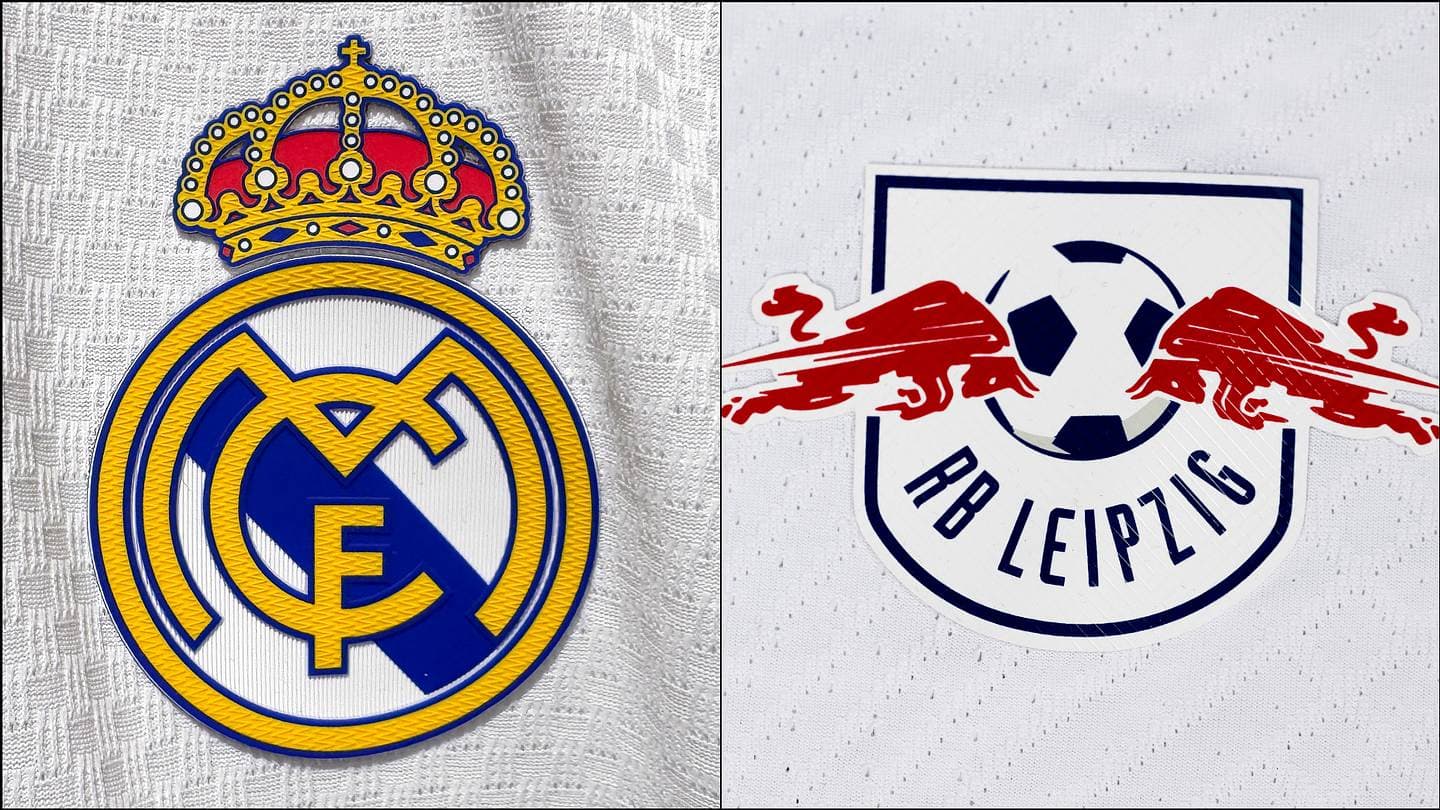
After years of belt-tightening and brutal headlines about debt and levers, Barça have surged to second place in Forbes’ list of the most valuable football clubs on the planet, with a valuation of $7.5 billion. That figure represents a 33 percent jump from last year’s $5.65 billion and pushes them past Manchester United, now at $7.2 billion. Only Real Madrid sit higher, at a towering $9.5 billion.
For a club that not long ago looked like a cautionary tale, this feels like a statement.
From shackles to shopping
The shift has been visible on the pitch as much as on the balance sheet. This summer window carried a very different tone: Deco operated like a sporting director with room to manoeuvre, not one counting every cent.
- Anthony Gordon
- Karim Adeyemi
- Rodri
- Joao Cancelo
- Gabriel Jesus
These are not the signings of a club in survival mode. They are the moves of an institution that believes it can build a squad to win now and still grow tomorrow.
The spending spree didn’t arrive in a vacuum. It’s the product of a broader financial recovery that is now being recognised globally.
The anatomy of $7.5 billion
Forbes’ valuation, based on figures from the end of the 2024-25 season, breaks Barcelona’s worth into four main pillars.
- Commercial operations lead the way at $3.012 billion — the sponsorships, partnerships and global business deals that have long been the club’s lifeblood.
- Broadcasting follows at $1.682 billion, reflecting the power of La Liga rights and European competition.
- Ticketing and matchday activities contribute $1.454 billion, while the Barcelona brand itself is valued at $1.352 billion.
Those last two numbers carry a crucial caveat: they were calculated before the club could fully tap into the financial muscle of a rebuilt Spotify Camp Nou.
In other words, Barça climbed 33 percent with their main stadium still not fully switched on.
Camp Nou, the sleeping giant
This is where the story becomes even more intriguing.
Real Madrid have already been cashing in on the renovated Santiago Bernabeu, with its full capacity and premium areas humming on matchdays and event nights. Barcelona, by contrast, are only beginning to unlock the earning power of their own revamped home.
Once complete, Spotify Camp Nou is expected to hold around 104,600 supporters, including roughly 9,400 VIP seats. Portions of those new premium zones will already come online during this season, offering a first taste of what the fully finished stadium could generate.
The return to Camp Nou has already given the club a lift. The matchday experience is back in its natural setting, and with it, the sense of scale that Montjuïc could never replicate. Now, the numbers have room to follow.
More seats. More hospitality. More corporate clients. More reasons for sponsors to pay top-tier prices. All of that feeds directly into the segments Forbes uses to build its valuation.
A young team, a global shop window
The financial rebound is not happening in isolation from the sporting project. It is being amplified by it.
Barcelona boast a young, successful side, with Lamine Yamal standing out as the face of the club’s next generation. Players like him are not just difference-makers on the pitch; they are global marketing assets, magnets for audiences and sponsors from Asia to the Americas.
A winning, youthful team in a modern, packed stadium is exactly the combination commercial departments dream about. For Barça, that mix is now very real.
Chasing Madrid
The gap to Real Madrid remains significant. A $2 billion difference at the top end of the football economy is not a detail to be brushed aside. Madrid’s head start with the Bernabeu and their own sporting success keep them ahead in this particular race.
Yet the trajectory matters.
Barcelona have grown their valuation by a third in a single year while their most powerful commercial engine — a fully operational, modernised Camp Nou — is still only partially in use. The club expects record revenue for the 2025-26 financial year, approaching €1.1 billion after generating €994 million the season before.
The sporting structure is built to compete at the highest level. The business structure is catching up fast. If the stadium delivers what the projections suggest, the next logical question is no longer whether Barcelona can stabilise.
It’s whether they can hunt down Madrid at the top of football’s financial mountain — and how soon they plan to get there.