Tottenham Injuries Pile Up Ahead of Chelsea Trip
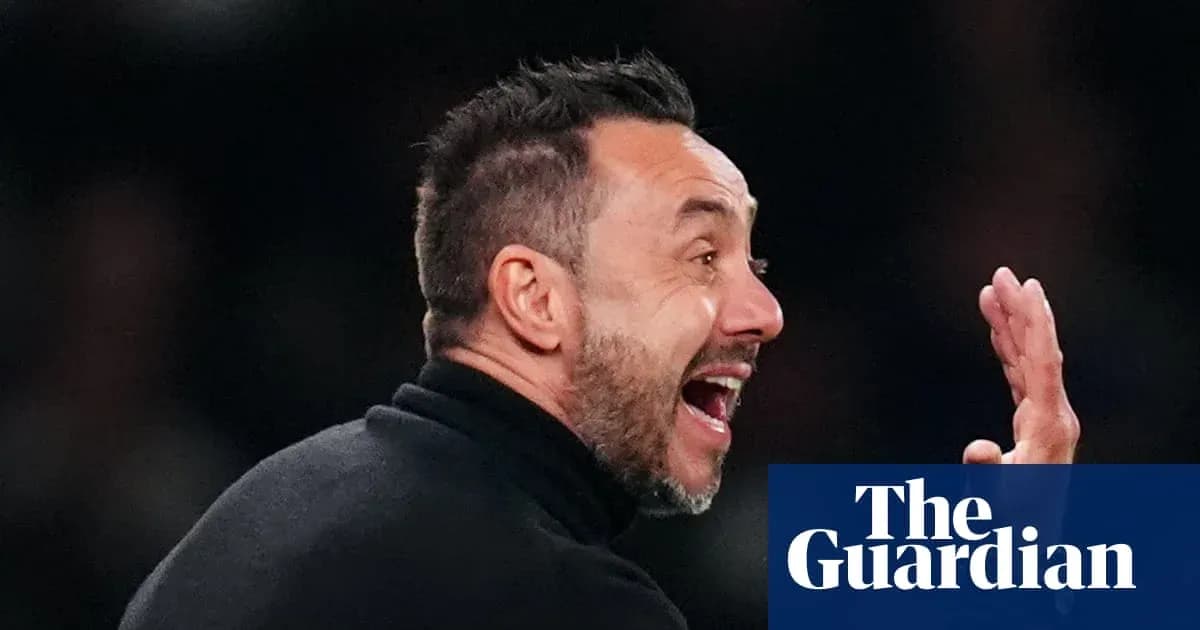
Roberto De Zerbi heads to Stamford Bridge with a threadbare squad and absolutely no interest in pointing fingers at Tottenham’s medical department.
Spurs could be missing as many as nine players for Saturday’s London derby against Chelsea, yet their head coach is adamant the club’s revamped performance and medical team are not to blame for a campaign scarred by absences.
Pedro Porro’s return offers a sliver of relief. The defender is back from a hamstring issue and available, while Andy Robertson, Omar Marmoush and Dominic Solanke have all been declared “good” after recent fitness worries. That is where the good news ends.
Destiny Udogie remains out. Tosin Adarabioyo is a doubt. James Maddison has not trained since Monday’s win over Coventry and is in serious danger of missing the game. Dejan Kulusevski, who only tasted his first minutes since May 2025 against Frank Lampard’s side, will be handled with extreme care. Longer‑term casualties Lucas Bergvall and Savio are still sidelined. Rodrigo Bentancur is suspended.
For a club trying to punch at the top end of the Premier League, it is a brutal list.
Yet De Zerbi is standing squarely in front of his medical staff.
Spurs appointed Dan Lewindon as performance director last season, and he led a wave of new hires in July to modernise the club’s sports science and conditioning structure. If anything, the Italian believes those changes have helped contain what he sees as the inevitable physical toll of elite football, not cause it.
He has promised a “total report” on injuries once the season is over, a full audit of workloads, training loads and recovery protocols. Until then, he will not entertain the idea that the club’s doctors and physios are at fault.
“I am convinced our medical staff this season is high level. I have big confidence because I know how they are working and they are good enough to believe in. We are suffering a normal situation in football,” he said, before going case by case.
Porro, he argued, is a classic example of a player whose ambition ran ahead of his body.
“Pedro won the World Cup with Spain,” De Zerbi explained. “Maybe with the head or body he didn’t recover enough to start this season without a pre-season. He already suffered in the World Cup the muscular problem of the hamstring. He felt it in training and played anyway against Aston Villa [on 29 September] because he pushed to come back before the right time and he suffered another injury. What is the responsibility of the medical staff?”
The same, he insisted, applied to Bergvall and Robertson. Bergvall twisted his knee in the first minute against Manchester United on 10 October, played on, and only felt significant pain the following day. Robertson, meanwhile, was pushed to his limit by international duty.
“Bergvall turned his knee and felt pain in the first minute against Manchester United. He finished the game and the day after he felt pain. What is the responsibility of the medical staff? Nothing. Robertson played four games in a row for Scotland [during the recent international window] and after that felt a small problem and did not play in Manchester. He played 65 minutes against Coventry and was fatigued. It’s normal fatigue for a player who played [so much].”
In other words: this is what happens when players chase trophies, international caps and minutes without pause. Spurs, in De Zerbi’s view, are simply living in that reality.
What he refuses to carry into Saturday is Tottenham’s history at Stamford Bridge. Just one win in 42 visits in all competitions hangs over the club like a cloud, but not over this coach.
“What is the problem? We didn’t play in the past for Tottenham and I was not the Tottenham coach in the last seasons. We have already many problems and this is not a problem,” he said.
The record belongs to other teams, other eras, other managers. His focus is on patching together a side that can survive Chelsea’s press, harness Porro’s return, and cope without a cluster of starters.
The injuries are real. The selection headaches are severe. The medical inquest, though, will have to wait for summer.