.svg&w=384&q=75 "logo")
Tottenham Hotspur Stadium: The Elusive Naming Rights
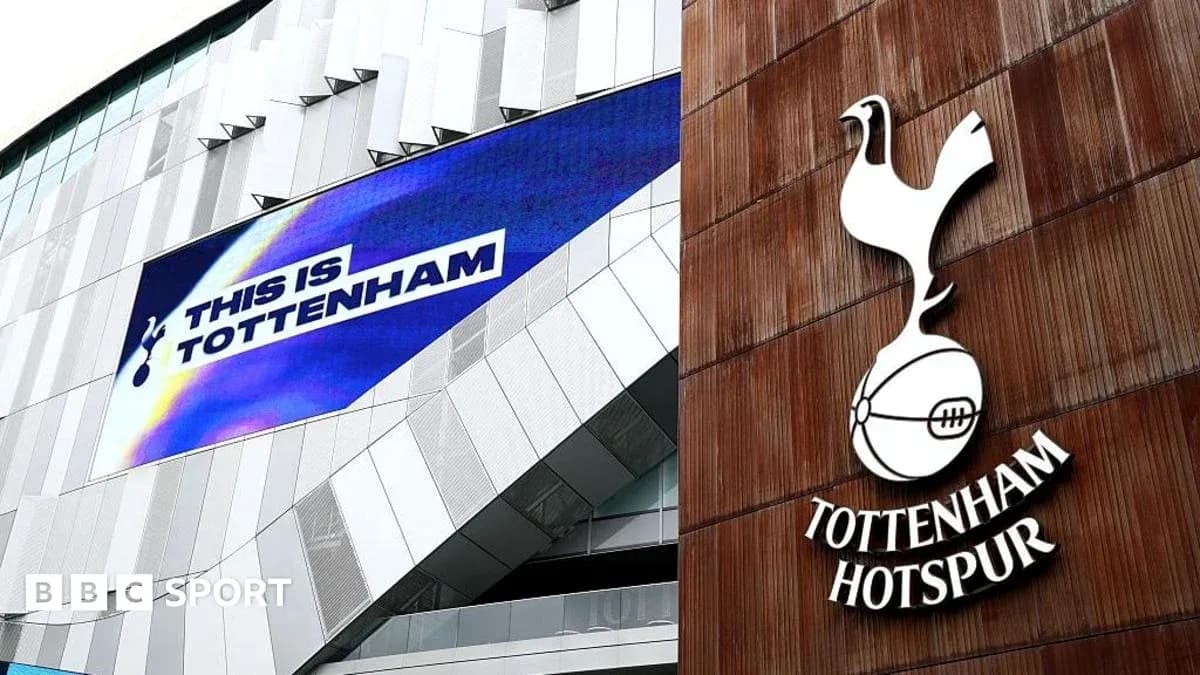
For five years, the vast steel and glass bowl on Tottenham High Road has stood apart from the Premier League pack in one curious way. It has no sponsor in its name.
Tottenham Hotspur Stadium opened in 2019 to immediate acclaim: a 62,000-seat arena built for football, concerts, and NFL, with one of the most advanced infrastructures in European sport. At the time, it felt inevitable that the generic working title would quickly give way to a lucrative brand. It never did.
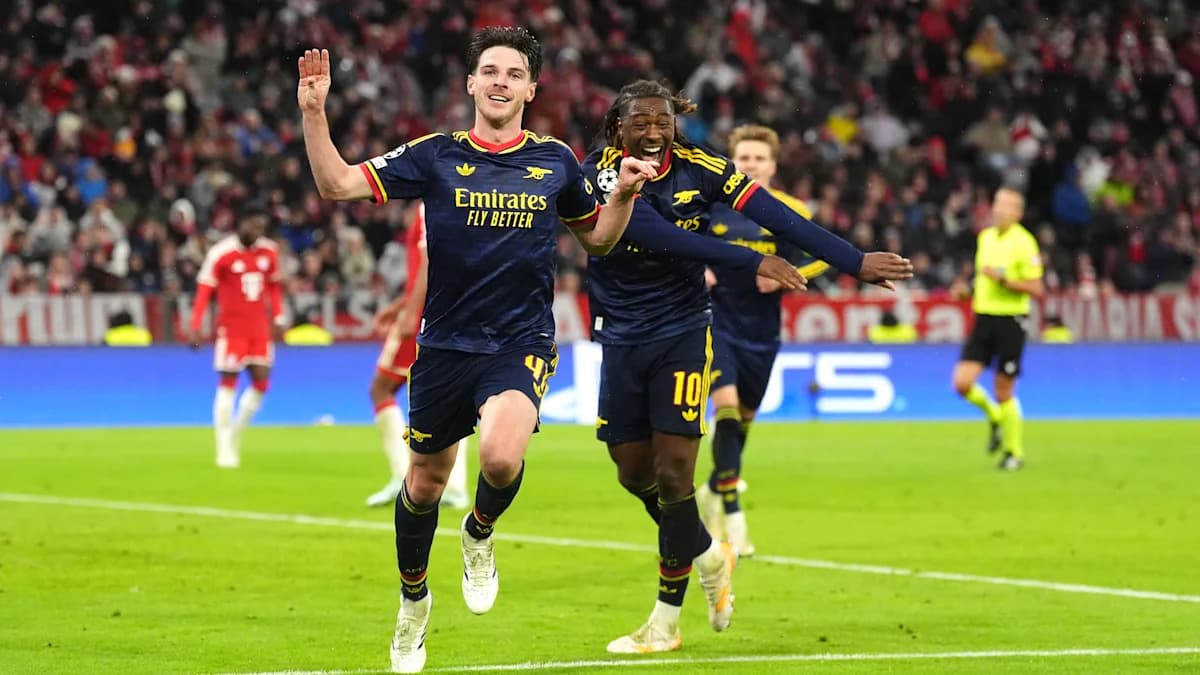
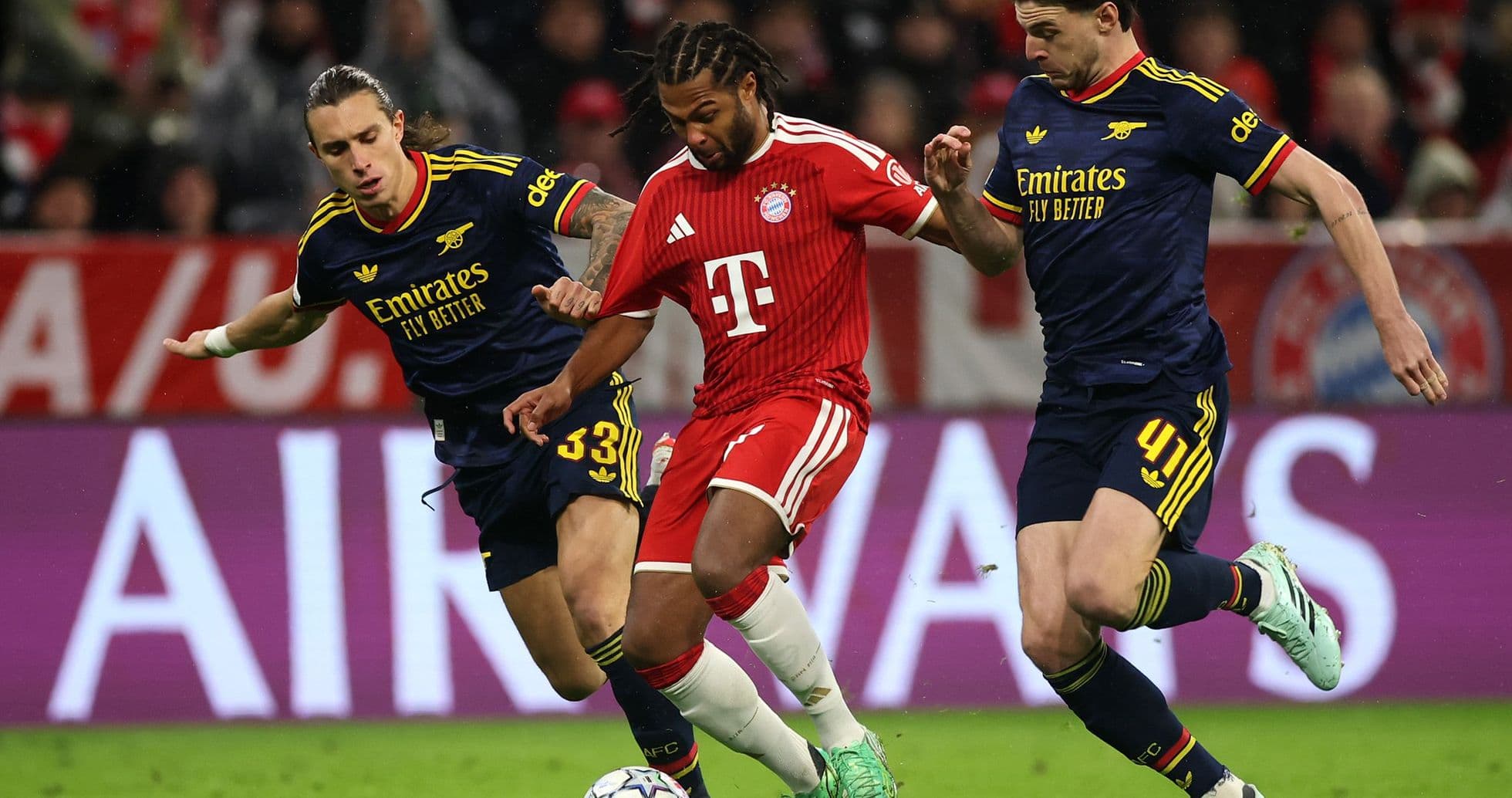
While Arsenal play at Emirates Stadium and Manchester City at Etihad Stadium, Spurs have resisted the industry norm. Eight of the 20 Premier League clubs now play in grounds carrying a sponsor’s name. Tottenham, despite operating one of the most commercially attractive venues in the country, are still waiting for the right deal.
This is not for lack of intent. Inside the club, there is a clear understanding of what naming rights could mean in an era of tight financial controls and escalating transfer fees. A Tottenham spokesperson put it plainly to BBC Sport: “Increasing our revenues through commercial partnerships is crucial for us to be able to remain competitive while staying in the boundaries of financial rules.”
That line cuts to the heart of the issue. Spurs have built a stadium designed not just for matchdays, but for year-round use. The ground can host up to 30 major non-football events per year, from concerts to NFL games, and the club argue that this multi-use model “increases the value of a naming rights partnership”. Any sponsor would be buying into far more than 19 league fixtures and the occasional cup tie. They would be attaching their name to a global entertainment venue.
Yet the market is crowded. The club acknowledge they are operating “in a highly competitive industry alongside a number of clubs with similar ambitions,” and insist they will not simply slap any logo above the doors. The message from Tottenham is that they will only partner with “the most-respected, renowned brands that align to our club values and can bring something to our fan experience.”
That stance has a cost. The longer the stadium remains unsponsored, the more foregone revenue piles up in an era when rivals are squeezing every commercial lever available. But it also preserves something rare in the modern game: a major ground that still carries the club’s name, unfiltered, unbranded.
Spurs are not standing still commercially. They have launched “The Collective”, a new sponsorship programme aimed at delivering tailored activations in every stand at Tottenham Hotspur Stadium. Sports Illustrated has already signed on as the first partner in that scheme, a sign that the club are prepared to slice their commercial inventory more creatively while they wait for a main stadium deal that matches their valuation and ambition.
No “significant progress” has been made on a stadium sponsor to date, by the club’s own admission. Yet the door remains open, and the pitch is clear: a state-of-the-art venue, a global fanbase, and a calendar that stretches far beyond the football season.
The question now is not whether Tottenham will eventually sell the naming rights. It is which brand will decide that putting its name on one of football’s most modern stages is worth the premium Spurs are demanding.