Tottenham's Dejan Kulusevski Set for Return After Long Injury Layoff
Tottenham’s long wait for Dejan Kulusevski is almost over.
For 19 months, the Sweden international has been a ghost in north London – talked about, missed, but never seen in competitive action. A brutal right patella injury wiped out his 2025/26 season, stole a World Cup from him, and left a glaring hole in a Spurs side that has badly needed a spark.
Now, at last, he is back in full training. And for a team still searching for its first league win – and first league goal – of the season, that matters as much in the head as it does on the pitch.
Kulusevski’s long road back
Kulusevski’s absence has felt endless. His last meaningful minutes came at the end of the 2024/25 campaign, when he was arguably Tottenham’s standout performer in an otherwise chaotic season. Then the knee went, and with it his momentum, his World Cup dream, and Tottenham’s most reliable attacking outlet.
The rehab has been slow, meticulous, and at times cruel. An initial attempt to step things up in August brought a minor setback and another pause. But this time the return is real: the 26-year-old is training fully with the senior squad, and the mood around the training ground has shifted.
Saturday’s clash with Aston Villa will still come too soon. There will be no romantic late cameo, no rush job. The coaching staff are targeting a competitive return in October or November, determined not to waste nearly two years of recovery with one reckless decision.
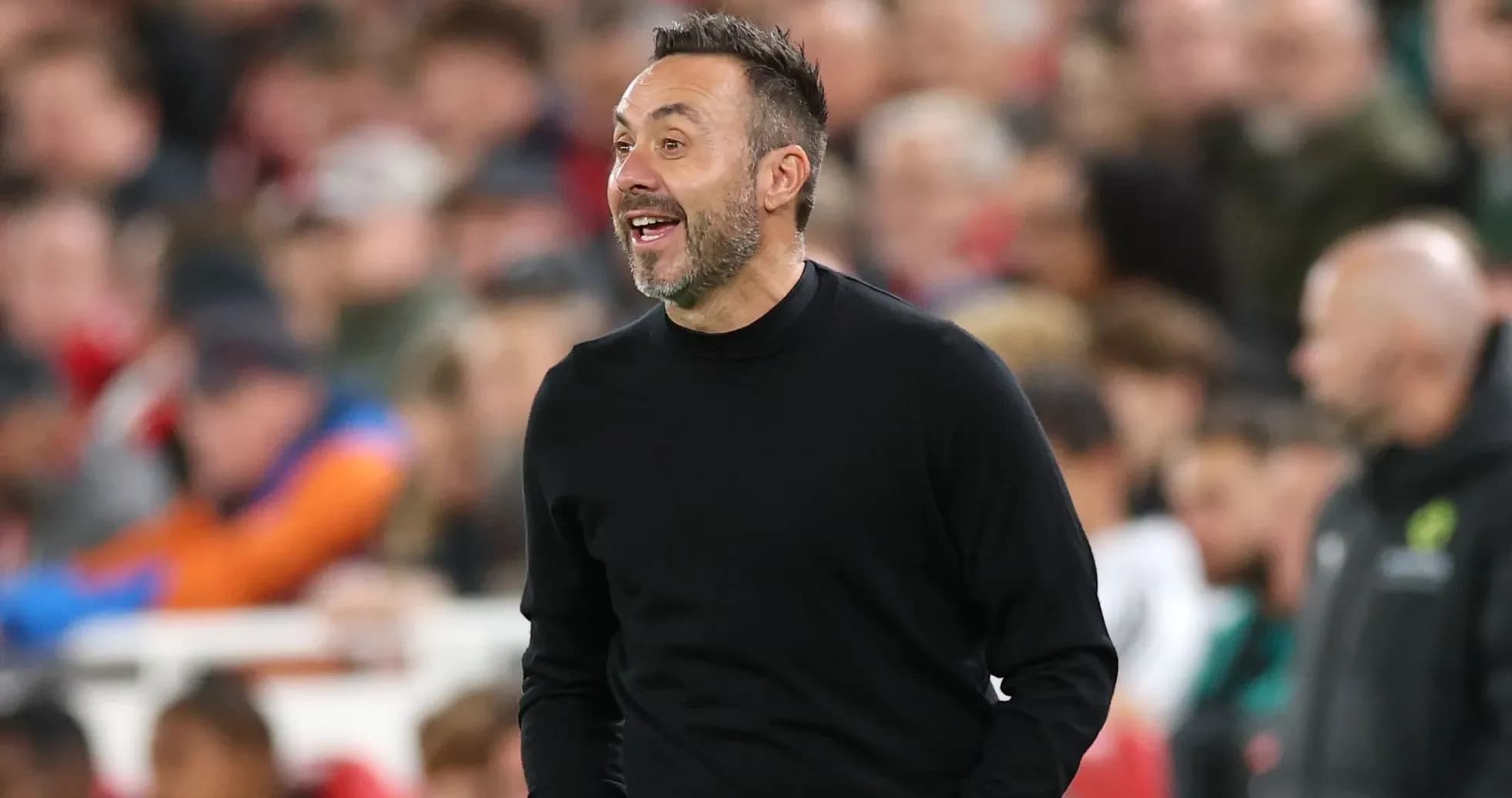
Roberto De Zerbi made it clear he will not gamble with the Swede.
“We have to manage Deki in the best way we can, with the medical staff, physical staff, but it’s a great thing for us,” the Spurs manager said. “He’s a good player, he’s a good guy and he deserves to play again.”
For De Zerbi, Kulusevski is not just another option. He is the reference point that once held a faltering side together. Before the injury, the winger’s blend of power, intelligence and relentless work rate made him the one constant in a turbulent 2024/25. Spurs have not properly replaced that presence.
Maddison edging back, too
Kulusevski is not the only creative pillar trying to drag himself back to full sharpness.
James Maddison has lived his own injury nightmare. An ACL tear last August threatened to cut short his influence just as he was beginning to establish himself as the team’s conductor. He fought back in time to help Spurs avoid the drop at the end of last season, but this campaign has brought more frustration, with shoulder problems interrupting his rhythm.
De Zerbi knows exactly what he loses when Maddison is missing. There is no like-for-like alternative in this squad.
He confirmed that Maddison has been working with the group for around 10 to 15 days and is now in contention to face Villa, alongside Pedro Porro and Sandro Tonali, both of whom missed the midweek cup defeat to Liverpool.
“Listen, James is working with the team in the last 10, 15 days. Maybe less than 15 days and even if he’s a technical player, he needs to be fit, to stay in a good condition,” De Zerbi said, underlining the balance between Maddison’s craft and the physical demands of his role.
If Kulusevski offers drive and directness, Maddison provides angles and imagination. Spurs have been short of both.
A fragile start under pressure
Tottenham go into the weekend in a precarious state. Four Premier League matches, no wins, no goals. For a club that prides itself on front-foot football, the numbers are stark.
The new regime has felt the weight of that start. The questions are already circling. Is the system right? Are the players suited to it? Has the squad been stretched too far, too early?
De Zerbi, though, has refused to flinch. He has leaned on composure, insisting that performances will turn into points if the group holds its nerve. The return of key figures gives that argument some substance.
Porro’s energy and delivery from the right, Tonali’s control in midfield, Maddison’s creativity between the lines – they all add layers to a team that has looked thin and predictable. Kulusevski’s looming comeback adds something else: belief.
Tottenham’s season will not be defined by a single October or November afternoon when the Swede finally steps back onto the pitch. But when he does, after 19 months of waiting, injury, and doubt, it will feel like more than just another substitution.
For a club trying to drag itself out of a rut, the question is simple: will the return of its lost leaders arrive in time to change the story of this campaign?