Thomas Tuchel Reflects on England's World Cup Journey
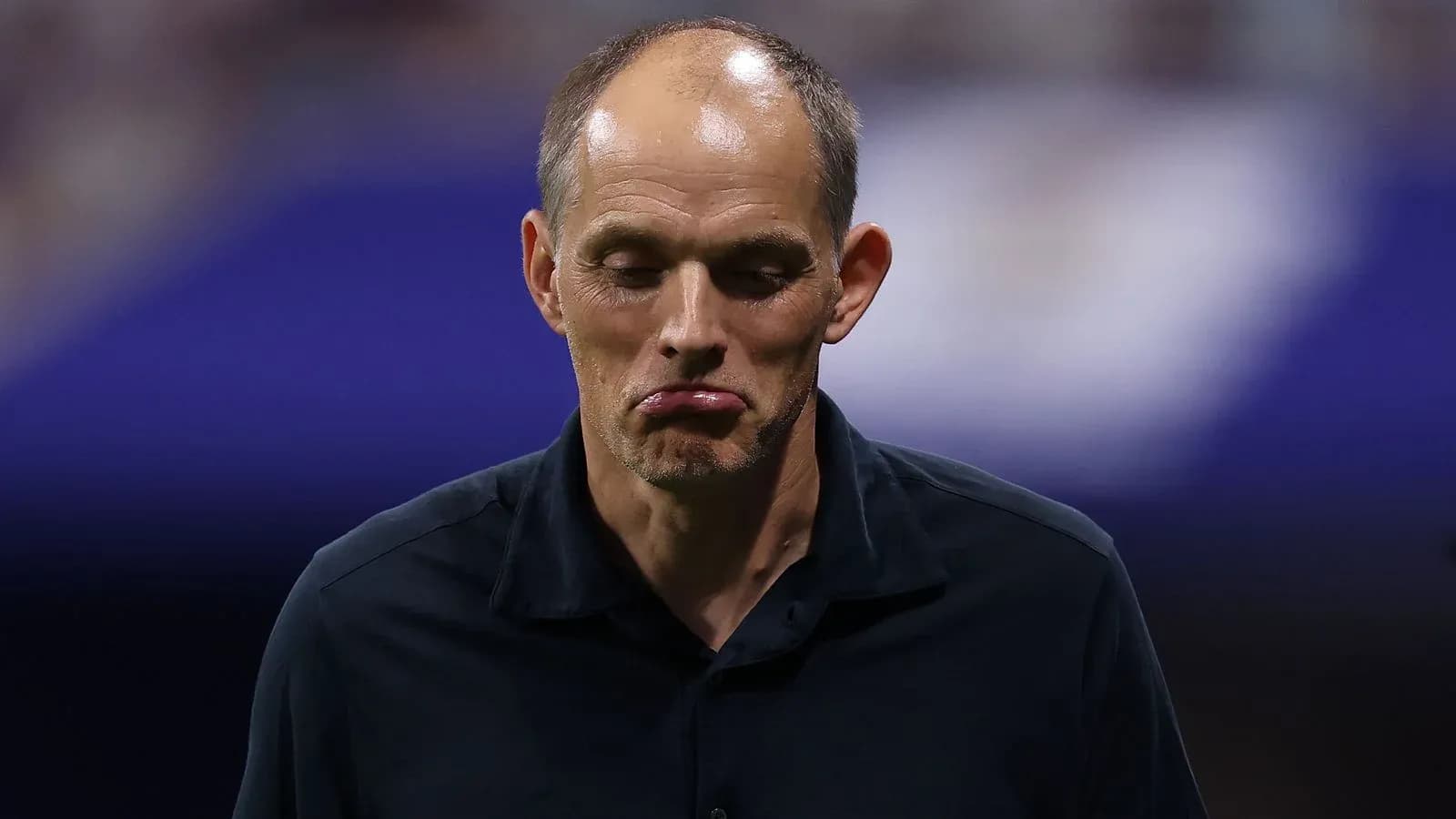
Thomas Tuchel insists almost every England supporter he meets wants to talk about memories, not mistakes.
The England head coach, still under the microscope after the 2-1 World Cup semi-final defeat to Argentina, claimed “99.9 per cent” of fans do not raise his substitutions or tactical calls when they stop him in the street. They want to relive where they watched games, how they felt, what it meant.
The numbers, though, tell their own story. England led through Anthony Gordon in the second half of that semi-final, only for Enzo Fernandez to level late on and Lautaro Martinez to complete a ruthless Argentine comeback. The turning point, in many eyes, came when Tuchel chose to bring on three defenders before Fernandez’s equaliser, a move that dragged England deeper and invited the storm.
Tuchel’s version: memories over margins
“99.9 per cent of the fans don't talk about substitutions, tactical tweaks or tactical details,” Tuchel told reporters.
“They speak about where they watched the Mexico game, and they speak about the second-half energy of the Croatia match.
“They speak about how nerve-racking it was to watch our match against Congo and where they celebrated. This is the feedback I get. This is what we created, and how it should be.
“This is what a World Cup is for: to connect with people and give them experiences they do not forget.
“It makes me proud, it makes me happy. Even if it's just in a cab, at a coffee shop or in the supermarket, you share these little moments and understand that it actually meant something.
“It showed that what the players built was transmitted, and it's what we want to build on.”
For Tuchel, the story of England’s World Cup is not the final half-hour against Argentina but the “beautiful” moments he has already highlighted in his review with the FA. The brotherhood in the camp. The way his team attacked the bronze-medal match against France, a side he described as “maybe the strongest squad in the world”, even if the game itself carried little on the line.
He is pushing hard for a wider lens. Third place, England’s best World Cup finish since 1966, is his context. The semi-final collapse is, in his eyes, only one chapter.
The disconnect with the stands
Outside the FA meeting rooms, the tone is different. Among supporters, the semi-final is not a footnote; it is the headline.
Tuchel’s claim that fans prefer to reminisce about the win over Mexico or the nervy progression past DR Congo rather than dissect his defensive substitutions jars with the mood that has lingered since Argentina celebrated. Many still see an England side that repeated old failings at the worst possible moment, just as Lionel Messi and company were beckoned on.
The achievement is undeniable: a podium finish, something no England side had managed since lifting the trophy 60 years ago. Yet Tuchel was hired on a lucrative deal to do more than match history. He was brought in to go one step beyond Gareth Southgate, who twice took England agonisingly close.
In that light, the inability to cross the line remains the defining theme of the summer. The question hanging over Tuchel is simple: what will be different next time, when the pressure tightens again and the choices on the touchline carry the same weight?
Backed before the storm
Tuchel, though, speaks like a man who never truly felt on the brink.
He revealed he had been assured of his future before England even faced Mexico in the group stage, long before Argentina and the post-mortem.
“I felt the full support from all my bosses through the whole tournament. Before the Mexico game they told me we know anything can happen in a football match but don't worry, we can see what's going on.
“I felt this kind of freedom to take my choices and coach freely. There was never a doubt in my mind we'd continue together and there was clearly never a doubt in their mind. Reflection is sometimes necessary to get better and experience is a crucial part.”
That backing extended to the most controversial calls of the campaign, including the late switch to a more defensive shape as England clung to their lead against Argentina. The FA asked Tuchel to lead, then stood aside and let him do it his way.
He now leans on that sense of trust as he looks ahead, talking about reflection and experience as the fuel for what comes next. The bond with supporters, those conversations in cabs and coffee shops, is his proof that the journey meant something.
What he cannot escape is that, for many of those same fans, the journey will always run through one uncomfortable question: when the pressure rose and the World Cup was there to be seized, did England’s manager get the biggest decisions right?