Southampton's Spying Scandal: A Brutal Response from Authorities
Southampton’s spying scandal was a slow-burn story. Then May arrived, and it exploded.
Middlesbrough staff first raised the alarm when they spotted a Southampton intern watching their training sessions in the build-up to the Championship play-off semi-final. Not a scout in the stands, not a routine analyst’s visit. An intern, observing behind the scenes, ahead of one of the most lucrative ties in the English game.
Once the lid came off, more followed. It emerged that similar covert trips had been made to observe Oxford and Ipswich during the regular season. This was not a one-off misjudgement. It was, in the words of the commission that later examined it, a pattern.
The response from the authorities was brutal, and unlike anything English football has seen in modern times. An independent EFL commission threw Southampton out of last season’s play-offs entirely, wiping away their shot at a Premier League return and the minimum £200m that comes with it. The club then kicked off the current campaign already four points in the red.
For a club built financially around the idea of bouncing back quickly, it cut deep. For those in charge, it still does.
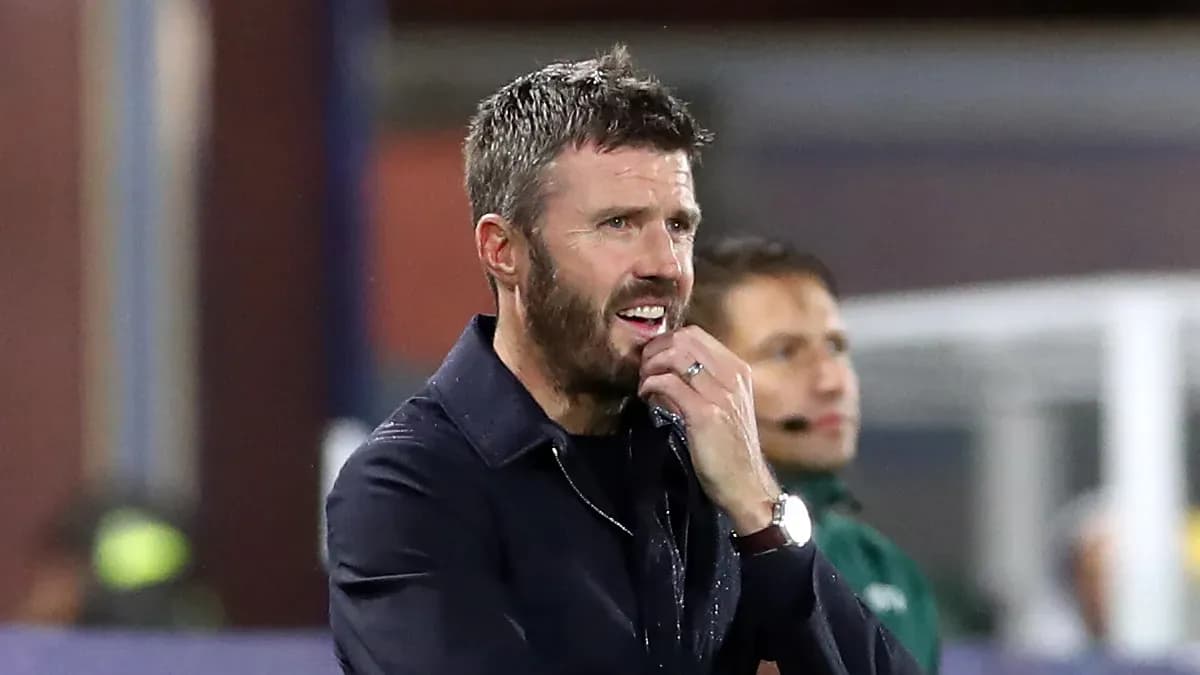
This week, the saga moves into its next, more personal phase. The Football Association has charged manager Eckert with misconduct over the same offences, and an independent regulatory commission will now sit in judgment on him.
Inside St Mary’s, there is a clear fear that the punishment could keep coming.
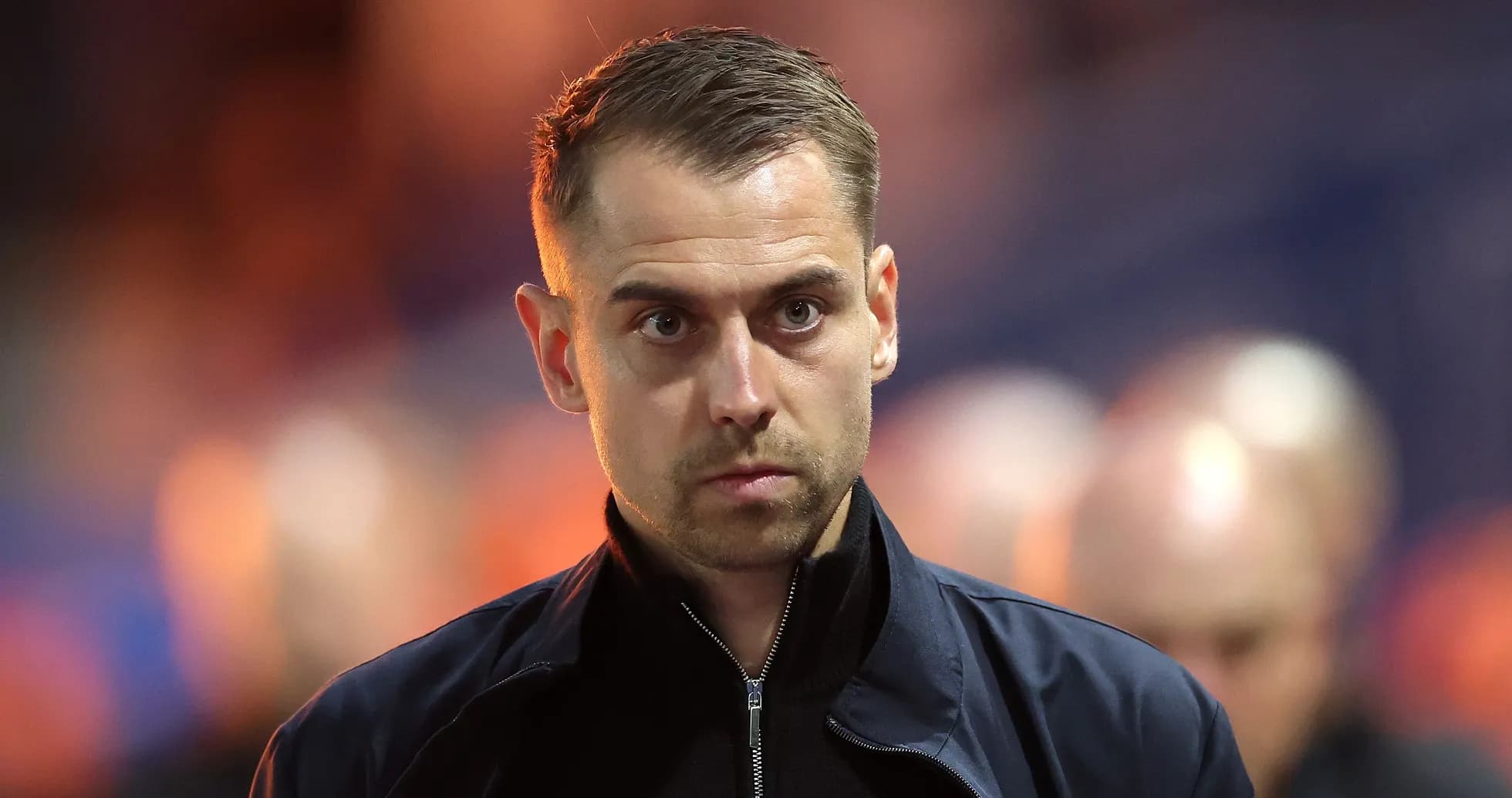
Speaking before the hearing, chief executive Phil Parsons made a pointed appeal for context. He did not dispute the wrongdoing. He did not downplay the damage. Instead, he underlined the cost of what has already been imposed.
"What we hope as a club is they actually recognise where we are at the moment, and what we've already been through, because I think it has to be taken into account," he said. The financial hit, he stressed, has not stopped at the club’s balance sheet. "We lose money not being in the Premier League, but [local] businesses lose money. We had to spend a huge amount on legal fees, and it really impacts the club even further."
Then came the line that laid bare the mood on the south coast.
"I really feel like we've taken enough. We've been hurt. I think it's one of the largest sanctions ever when it comes to football, or even sporting, history. We don't want to be seen as a victim of this. We need to get on. We've had our cards dealt."
The EFL panel had not been in a sympathetic mood when it delivered its original verdict. Its written reasons described a "contrived and determined plan from top down to gain a competitive advantage". That phrase — “top down” — cut right to the heart of the club’s culture at the time.
This was not framed as a rogue operation by an overzealous intern or an ambitious analyst. The commission concluded that junior staff were put under pressure to carry out the spying trips, a damning assessment for any club that likes to talk publicly about values, pathways and welfare.
Eckert has never denied that he orchestrated the surveillance missions. His defence has been different: he insists he did not realise the operations breached EFL regulations. Ignorance, though, has never tended to carry much weight in disciplinary rooms.
In a BBC interview on Monday, the German coach spoke with a mix of contrition and disbelief at the scale of the backlash. He called the sanctions "absolutely unheard of in the history of sports" and did not shy away from the fact that the punishment lands squarely on his own shoulders.
"It's been a big, big punishment," he said. "And it's tough for me to say that because it concerns me. I'm judging on myself, not an outside situation. But I've asked for forgiveness for what I've done. I've apologised publicly."
Those words matter now. So does timing. The FA’s commission will pore over the same evidence that shook the EFL panel, but this time the focus is not on league tables or play-off places. It is on the conduct of the man in the dugout.
Inside the club, the sense is that everyone has already paid: players starting a season handicapped by a four-point deduction, staff wrestling with the fallout, a city missing out on the Premier League’s financial tide. Eckert himself acknowledged as much, admitting the strain on the entire operation.
"I think the punishment has been very hard on the club for the last season," he concluded.
The next ruling will decide whether that pain finally begins to ease, or whether Southampton must brace themselves for yet another blow in a scandal that has already redrawn the boundaries of sporting punishment in English football.