Shakhtar Donetsk's Resilience in Eindhoven: A Fearless Draw Against PSV
Shakhtar Donetsk walked into the Philips Stadion braced for a storm and walked out with something far more valuable than a single point. A 1-1 draw against PSV Eindhoven to open their UEFA Champions League campaign, yes. But also proof that this rebuilt, displaced club can still stand firm under Europe’s brightest lights.
They did it with nerve, with structure, and with a clear refusal to be dragged into someone else’s game.
Turan’s plan: don’t be PSV, beat PSV’s press
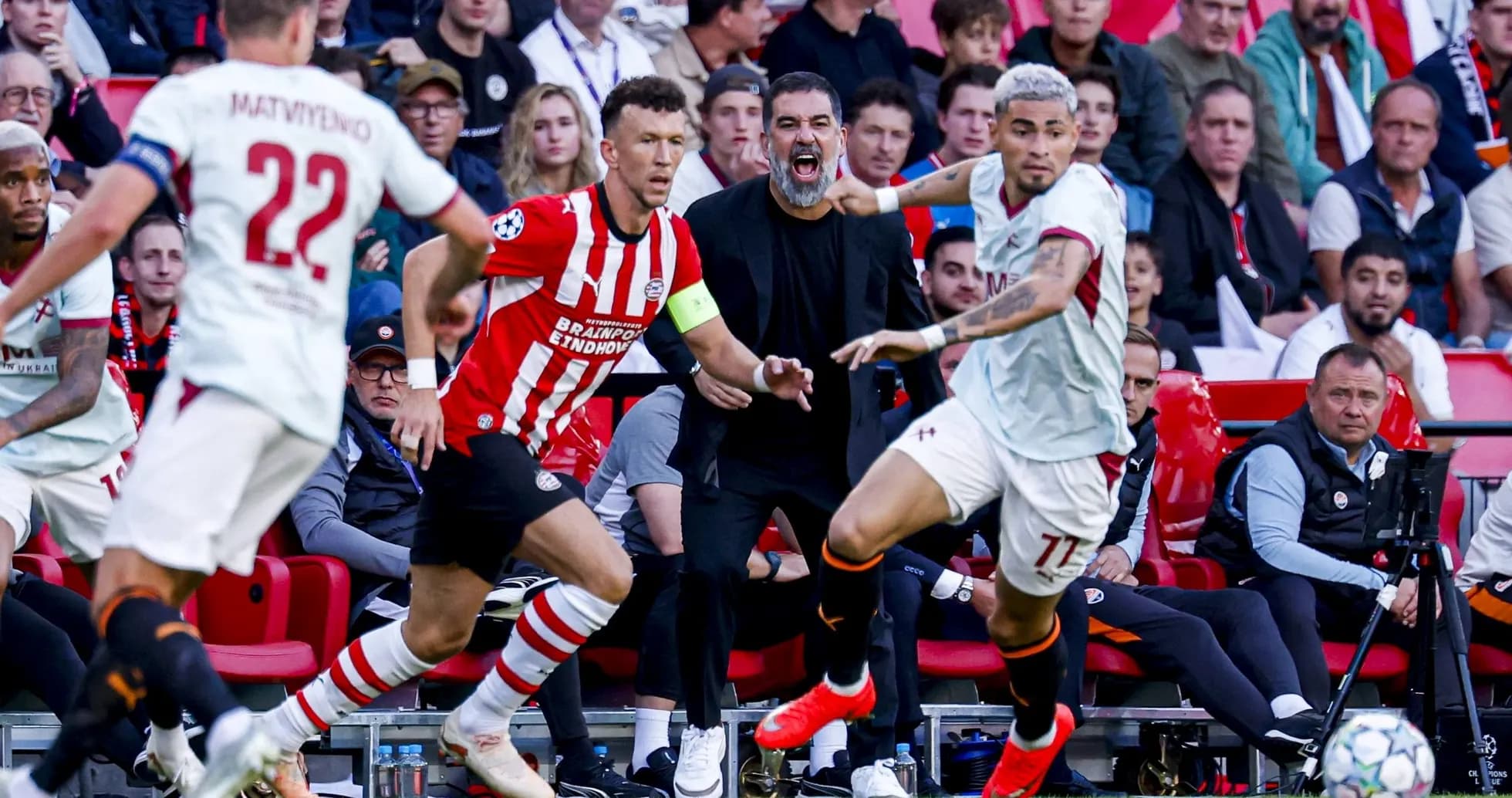
PSV, Dutch champions and one of the continent’s most ferocious pressing outfits, hurled their usual chaos at Shakhtar. One-on-one duels all over the pitch, suffocating pressure on the first touch, constant harassment of the man on the ball.
Arda Turan had seen enough of that on video. He wanted no part of mimicking it.
“I told them: if we play like PSV, we will not win,” the Shakhtar head coach explained afterwards. That line summed up his entire approach. He didn’t want a copy; he wanted contrast.
So Shakhtar leaned into their own identity. They focused on angles, not collisions. Diagonal movement, not straight-line running. Turan drilled his players on the small details that make or break a press: how to receive under pressure, how to open the body, how to show just enough of the ball to draw a defender and then slip away.
“The opponents used one-on-one pressing, so I warned my players that they needed to position their bodies correctly,” he said. Those tweaks turned into survival tools.
The reward came at the perfect psychological moment.
Mendoza’s moment in stoppage time
As the first half edged into stoppage time, PSV pushed high again, hunting for a turnover. Instead, Shakhtar found the very spaces Turan had circled on the tactics board.
Gleiker Mendoza, on his Champions League debut, drifted into the half-space between PSV’s defensive lines, exactly where his coach wanted him. One opening, one touch, one curling finish – and the ball arced beautifully into the net.
The Venezuelan midfielder could barely contain himself.
“I can’t put my emotions into words,” he admitted later. The move itself, though, spoke clearly enough. “Mister always emphasises that we should attack the half-spaces between the lines.” Mendoza did just that, and Shakhtar walked down the tunnel with a 1-0 lead and a stadium stunned into brief silence.
The goal didn’t come from luck. It came from a team brave enough to keep playing, even under pressure that usually forces opponents to simply clear their lines and hope.
Dest hits back, PSV pile on
The backlash was inevitable. PSV came out after the interval with anger in their pressing and urgency in their passing. The equaliser arrived shortly after the restart, Sergiño Dest stepping up for the hosts to level the score and drag the game back into their hands.
The momentum swung. The noise rose. Shakhtar had a choice: retreat into panic or lean on their discipline.
They chose the latter.
Turan’s side dropped into a more compact shape but never fully abandoned the idea of playing. They picked their moments to break, tried to hold the ball when they could, and trusted their structure when PSV flooded forward. The Dutch champions turned the final stages into an almost constant siege, but Shakhtar refused to crack.
They blocked, they scrambled, they cleared. They suffered, and they held.
By the final whistle, that 1-1 felt less like a draw and more like a statement.
A blanket in a bombing raid
For Turan, this performance was about more than tactics. It was about the scars his group carries and the resilience forged away from the pitch.
He chose to highlight one story in particular: 19-year-old midfielder Isaque, who made his Champions League debut on this night. The teenager’s journey with his coach began not in a dressing room, but in a hotel lobby under bombardment.
“When I think about Isaque, I remember a photograph on my phone,” Turan said. “It was taken on the night when we were being bombed and I covered him with a blanket in the hotel lobby. I told him he has to be ready for the fight.”
That image – a coach shielding a teenager from explosions – sits in stark contrast to the bright lights of the Champions League. Yet it also explains the steel behind this Shakhtar side. They know what real fear feels like. A high press and a hostile away crowd don’t quite compare.
Turan believes those experiences, as harrowing as they are, have built the resilience required for these European nights. You could see it in the way his players refused to fold when PSV turned up the volume.
Mendoza’s promise and Shakhtar’s path
Mendoza, still processing his first Champions League goal, understood the scale of the occasion and the level of intensity.
“The most important thing is that we continue at this pace and keep picking up points,” he said. No grand declarations, just a clear focus on the road ahead.
He knows this competition is unforgiving. One lapse, one misstep, and the punishment is immediate. Yet his debut offered a glimpse of what Shakhtar can be under Turan: organised, brave on the ball, and sharp enough to exploit the smallest gap between the lines.
A courageous 1-1 away to the Dutch champions will not decide their season. It does something else instead. It plants a marker.
If Shakhtar can withstand PSV’s storm in Eindhoven, with teenagers shaped by nights under blankets in bombed-out lobbies and a coach insisting they stay true to themselves, who will be eager to face them when the stakes rise later in this Champions League campaign?