Real Madrid's Refereeing Controversy: Mourinho's Absence at Key Meeting
The 2026-27 season is barely a month old, yet Real Madrid already find themselves locked in a familiar, bitter argument with Spanish refereeing. The complaints had been simmering through the opening weeks. The Madrid derby blew the lid off.
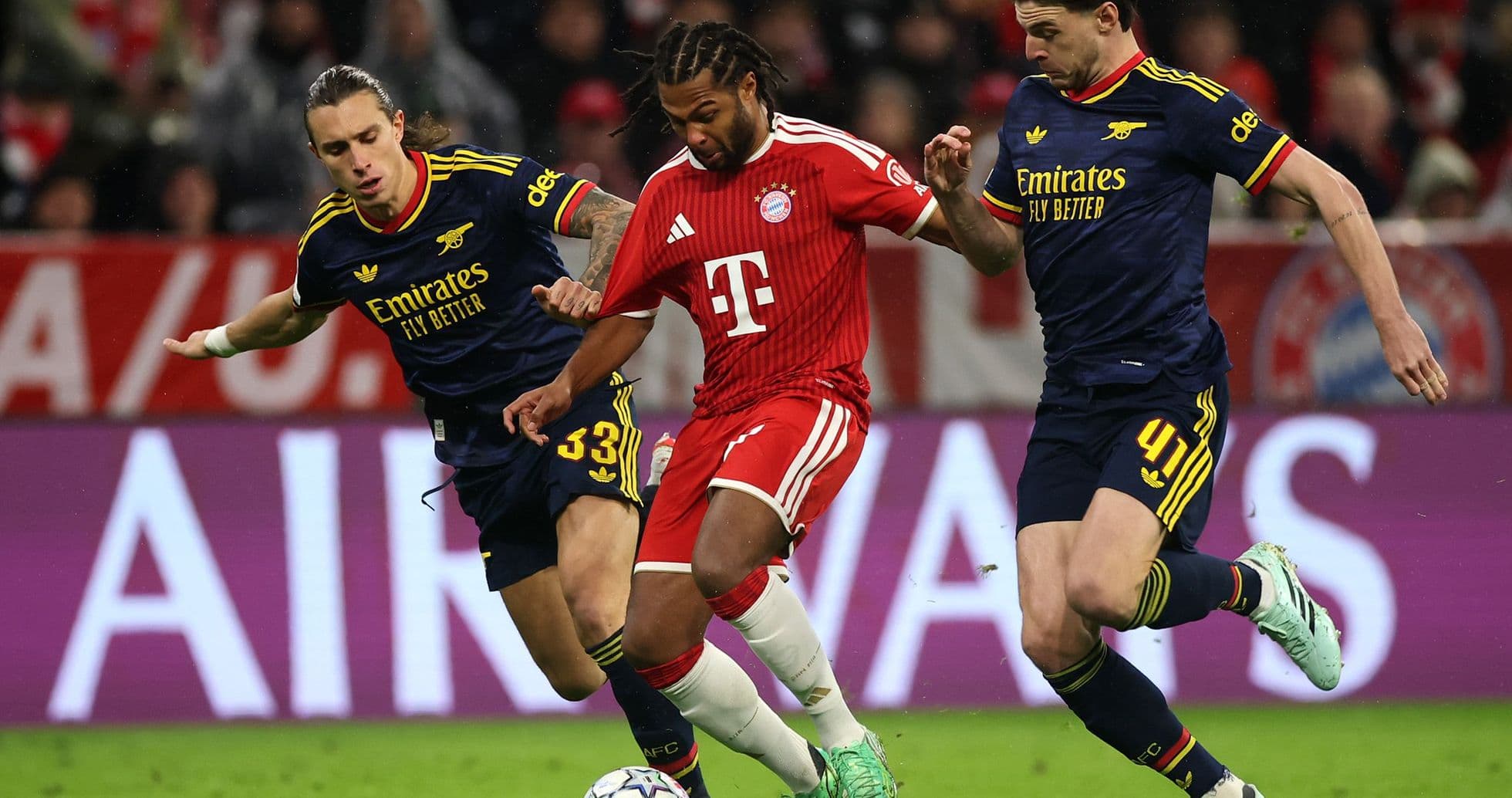
At the Metropolitano, referee Ortiz Arias stood at the centre of a storm. He sent off Dean Huijsen, a decision that infuriated the Real Madrid bench, then kept his red card in his pocket for two challenges that the visitors felt demanded the same punishment: one from Cuti Romero, another from Kang-In Lee.
The sense of injustice deepened with a handball shout. Marc Pubill appeared to handle the ball inside the Atletico Madrid area, yet no penalty came. No trip to the monitor. No whistle. Just a wave of play-on that lit the fuse on Real Madrid’s anger.
Mourinho’s Fury and a Vacant Chair
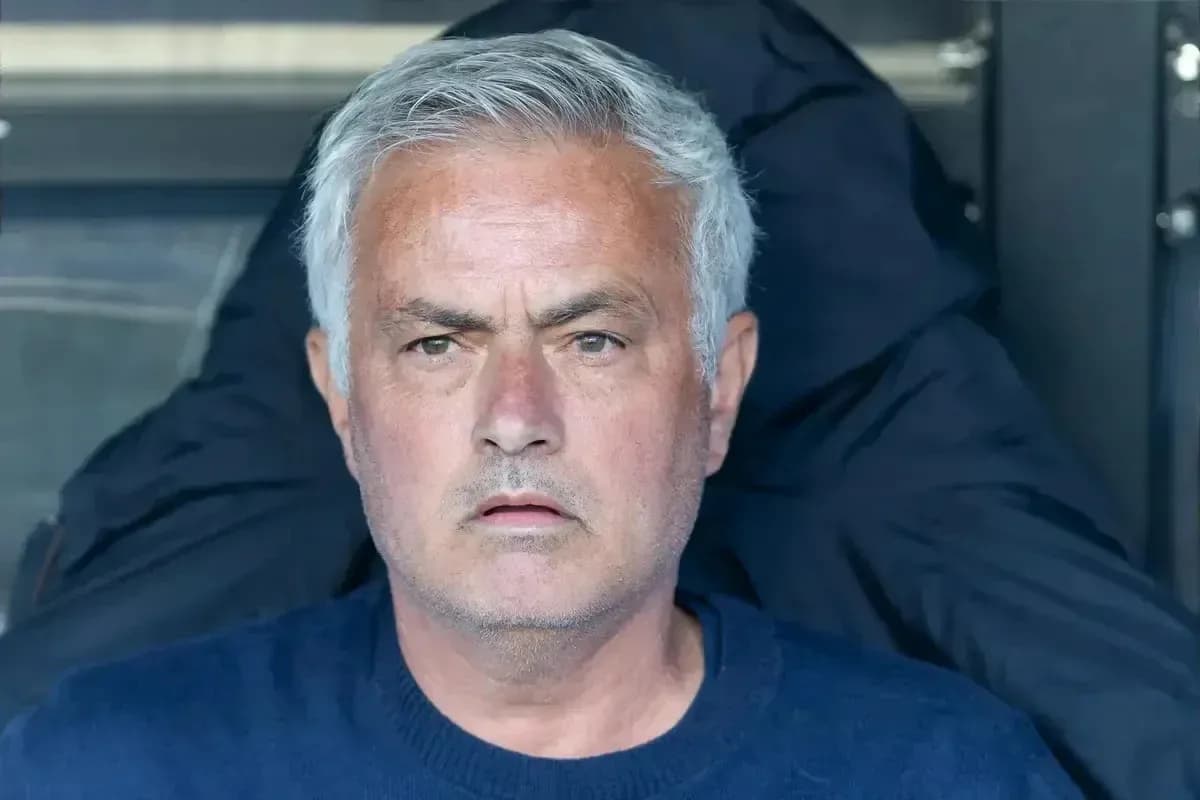
The final whistle did not cool anything. Jose Mourinho went hard at the federation and the officials, his criticism described as very harsh. For a club that has long framed itself as a victim of refereeing inconsistency, his words landed like an escalation, not just another complaint.
All of this unfolded on the eve of one of Spanish football’s more discreet but important fixtures: the annual coaches’ meeting. Traditionally, it brings together managers from the top two divisions to air grievances and talk through structural issues, from finances to refereeing standards. It is not a showpiece event, but it is a pressure valve.
This year, Mourinho will not be there. As reported by Diario AS, the Real Madrid coach has already explained his reasons and opted to stay away. His absence, at a moment when his club is in open conflict with refereeing bodies, feels anything but incidental. The most outspoken voice in the current storm will leave his chair empty.
A Gathering Without Its Usual Heavyweights
These meetings are usually well attended. Coaches from Real Madrid, FC Barcelona and Atletico Madrid almost always appear, giving the event real weight. Diego Simeone, in particular, has rarely missed one. His presence, his longevity and his status have often helped shape the tone of the room.
This time, even that is in doubt. Simeone is unlikely to attend because of personal reasons. The Atletico Madrid coach, whose team stood on the other side of the derby controversy, may not be there to give his perspective on a match that has once again dragged refereeing into the spotlight.
Barcelona, by contrast, will be represented. Hansi Flick is expected to attend, carrying the voice of a club that knows all too well how quickly debates about referees can turn political in Spain. With Mourinho out and Simeone uncertain, Flick’s presence becomes more prominent by default.
Pressure on the Institutions
The pattern is familiar: a high-profile game, a cluster of disputed calls, a wave of post-match outrage, and then the institutions – CTA, RFEF and La Liga – thrust back under the microscope. This time, though, the conflict feels unusually raw and unusually public, even by Spanish standards.
Real Madrid’s complaints are no longer confined to quiet briefings or carefully worded statements. They have spilled into open confrontation. When the coach of the league’s most powerful club refuses to attend a forum designed to address precisely these issues, it sends a message: trust is eroding.
Now the burden falls on the authorities. They must convince clubs and coaches that the system is not only fair, but seen to be fair. They must show that refereeing concerns are heard and acted upon, not brushed aside until the next derby explodes.
One month into the season, Spain’s top flight already finds its integrity being questioned. How quickly, and how convincingly, its leaders respond may define far more than a single campaign.