Political Battle for 2030 World Cup Final: Morocco vs. Spain
The battle to stage the 2030 World Cup final has already kicked off – and it is being fought in press conferences and political rallies rather than on the pitch.
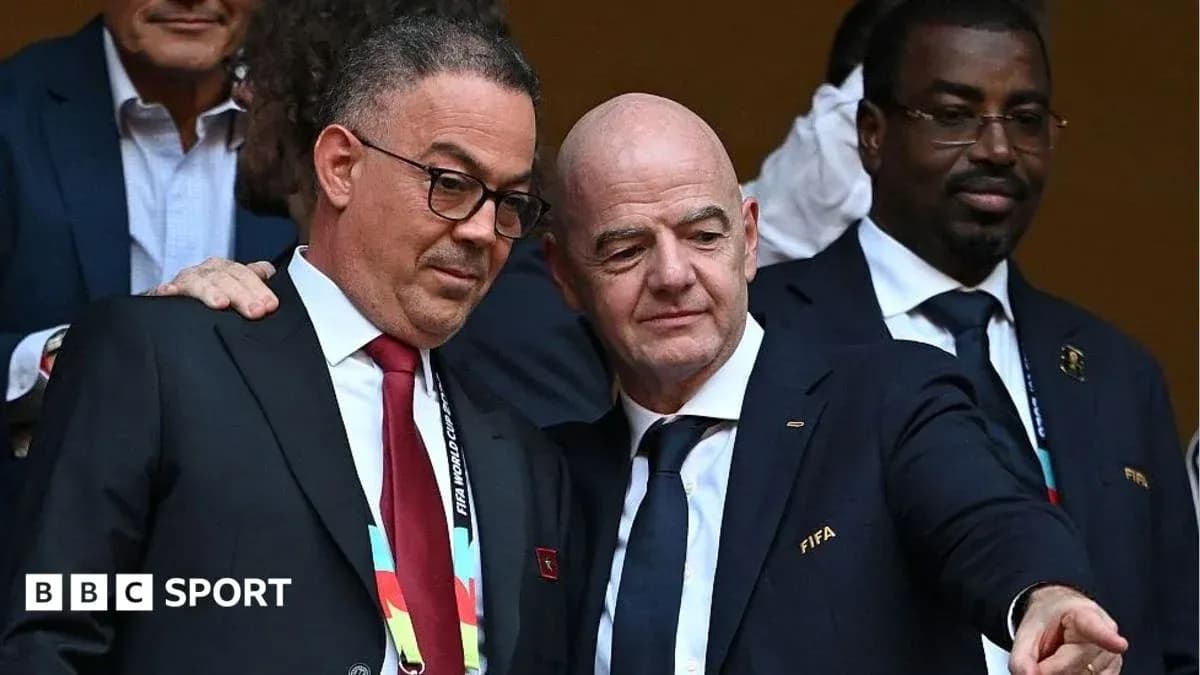
Morocco’s prime minister Aziz Akhannouch has publicly reined in Fouzi Lekjaa, the powerful president of the Moroccan football federation (RMFF), after Lekjaa told a political gathering that Casablanca would have the “honour” of hosting the showpiece match.
The message from the head of government was blunt.
“Do not offer to host the big final game in Morocco while we still have not discussed the matter with our allies, Spain and Portugal,” Akhannouch said at a rally, warning against turning the World Cup into a campaign tool. “There should be some respect, brothers. Stop using electoral promises to pull the rug out from under us. These are huge matters. Deciding where the final will be held is a major issue.”
It was a rare, very public slap on the wrist for one of the most influential figures in Moroccan football, and a sign of how politically charged the 2030 tournament has already become.
A Shared World Cup, A Divided Final
The 2030 men’s World Cup will be spread across three primary hosts – Morocco, Spain and Portugal – with a ceremonial nod to history in South America. The opening three matches will be staged in Uruguay, Argentina and Paraguay to mark the centenary of the first World Cup in 1930.
Beyond that symbolic start, the map is still being drawn. A list of potential host stadiums is on the table, but FIFA has yet to confirm the final line-up or decide which city will stage the final.
FIFA’s official line remains carefully neutral. World football’s governing body has said only that “a decision will be made in due course.”
That vacuum has encouraged national federations and politicians to push their own cases.
Spain Turn Up the Volume
On the other side of the Mediterranean, Spain has been far less cautious.
Rafael Louzan, president of the Spanish football federation (RFEF), has already stated plainly that he expects the final to be played on Spanish soil – and believes recent success has strengthened their hand.
“Even though no decision has been taken, I believe Spain is the place because it cannot be any other way,” he told Cadena SER radio station. “As you know, we are currently world champions.
“I believe Spain’s organisational capacity for major events is beyond question and that is why reality dictates that the grand final cannot and must not be held anywhere other than in Spain.”
Spain beat Argentina to lift this year’s World Cup in July, securing a second men’s world title and adding fresh weight to Louzan’s argument that the reigning champions should provide the stage for 2030’s decisive night.
The country also has recent experience on its side. Major tournaments, Champions League finals, and a long-established football infrastructure all feed into the Spanish claim that they are the safest pair of hands.
Stadiums as Statements of Intent
Behind the rhetoric lies concrete and steel.
Morocco is pressing ahead with plans for a vast new arena – a proposed 115,000-seat stadium that would become the largest football venue on the planet. The project is designed not only to meet FIFA’s technical demands but to send a clear message: Morocco can think big, build big, and host the biggest game of all.
Spain, in turn, can point to two modern super-venues already in the works.
Real Madrid’s Santiago Bernabeu has undergone a major transformation and now holds around 83,000, wrapped in cutting-edge infrastructure tailored to global events. In Barcelona, the renovated Spotify Camp Nou is set to reach a capacity of 105,000, reclaiming its status as one of football’s great cathedrals.
Capacity will matter. So will logistics, commercial pull, broadcast demands and political balance. The 2026 World Cup final at MetLife Stadium in New Jersey was only confirmed in February 2024, two years before the tournament, underlining how long FIFA can wait before nailing down the biggest decision of all.
Allies, Rivals, and a Decision Still to Come
For now, the three primary hosts are officially partners in a landmark, cross-continental World Cup. Unofficially, the race to stage the final has already exposed competing ambitions and national pride.
Morocco is trying to convert its historic co-hosting role into a defining moment on home soil. Spain is leaning on its status as world champions and its track record of staging major events. Portugal, quieter in public, remains a crucial piece of the diplomatic puzzle.
FIFA will eventually decide where the world turns its eyes on that final night in 2030. Until then, every speech, every stadium announcement, every carefully chosen word from a federation president will feel like part of a long, high-stakes campaign.