The End of Neymar's Era: Ancelotti Focuses on Brazil's Future
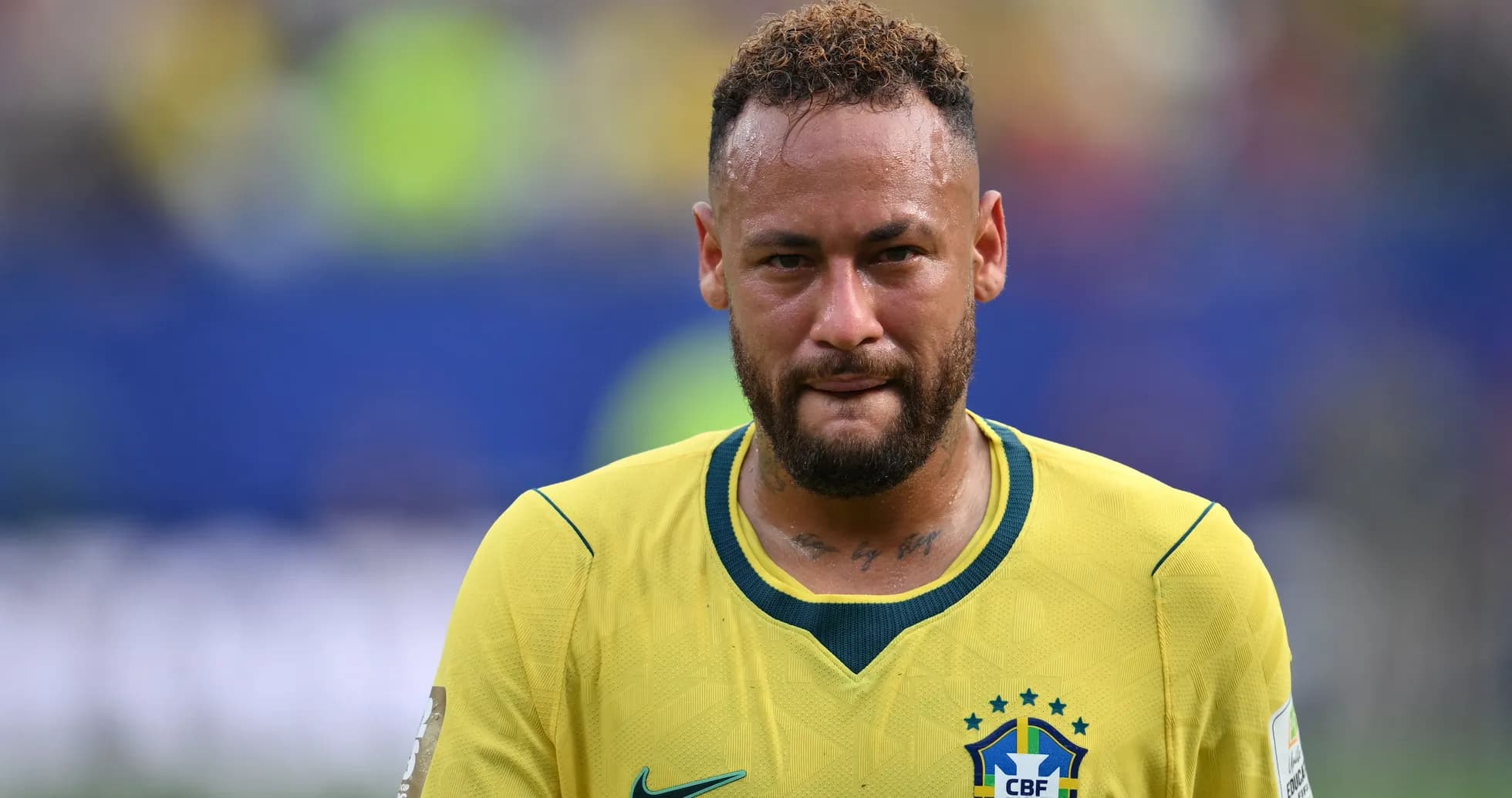
Carlo Ancelotti didn’t dress it up, didn’t leave room for doubt, and didn’t hide behind federation politics. Neymar’s time with the Seleção is over — by the player’s own choice.
In a wide-ranging interview with CNN Esportes, the Brazil coach confirmed what had been whispered ever since the 2026 World Cup: the country’s most gifted individual of the last decade will not wear yellow again.
“He deserved to be there because of his quality. Neymar has already confirmed that he does not want to return to the national team,” Ancelotti said. “Neymar cannot be replaced because he was an extraordinary and unique talent. So, an irreplaceable player.”
One era closed in a few blunt sentences. The implications will stretch for years.
An Irreplaceable Talent, a Necessary Break
For more than ten years, Neymar was not just Brazil’s star. He was the plan.
Every tournament, every tactical tweak, every coaching appointment seemed to orbit around his talent. When Brazil sparkled, he was at the heart of it. When they stumbled, questions followed about whether the team had become too dependent on one man’s genius.
Ancelotti isn’t pretending he can find another Neymar. He’s not even trying.
By calling him “extraordinary and unique,” the Italian both paid tribute and drew a firm tactical line. This Brazil will not be built on a single saviour. The shirt will no longer bend around one player’s instincts. The burden — and the responsibility — must spread.
That shift is already visible in the squads he is picking.
The Youth Revolution Starts Now
With Neymar’s chapter officially closed, Ancelotti and national team director Rodrigo Caetano are accelerating a rebuild that was already in motion. The target is ambitious and crystal clear: shape a new core capable of peaking around the 2030 World Cup.
Veterans are being eased out. Teenagers and early-20s prospects are being pushed in.
“I think we need to proceed step by step,” Ancelotti explained. “Now we need to focus on the young players who could be the future, the players born in 2004, 2005, and 2006. We have young players born in 2008 with a lot of quality, who aren't playing yet, but who can play.”
That’s not a throwaway line. Mentioning 2008-born talents in a senior national-team context underlines how aggressively Brazil intend to get ahead of the curve.
“Now is the time to look at them, taking their age into account and respecting it,” he added. “It's true that a player can play very well even at 36 or 37. Now is the time to prioritize the youth.”
This is not a romantic youth experiment. It’s a structural reset.
Domestic standouts and teenage prospects are being preferred to familiar names. The message is clear: reputation counts less than relevance. If you can’t live with the physical and tactical tempo of the modern game, there’s a line of kids ready to try.
From Neymar-Dependence to a Collective Machine
One of the enduring criticisms of the Neymar years was Brazil’s tendency to wait for him to solve games on his own. When it worked, it looked inevitable. When it didn’t, the team often appeared short of ideas.
Ancelotti wants no repeat of that dynamic.
“I believe that in modern football, teamwork is what matters, not individual talent,” he said. “Of course, if you have great individual talent, you have a greater chance of winning, but modern football doesn't tolerate a lack of teamwork.”
That is the crux of his project.
He wants a Brazil that presses, runs, and rotates as a unit, but still has room for Brazilian flair. A rigid structure, yes, but one that frees the right players in the right zones rather than asking a single star to carry the creative load.
The first stress test comes quickly. Upcoming fixtures against Australia and India will double as live auditions. Several debutants are expected to feature as the staff gauge who can handle the jump and who needs more time.
These aren’t just friendlies. They are filters.
“We are working to build a strong team for the future, not to rely on a single great individual talent,” Ancelotti noted. The selection sheet will start to show who fits that vision.
Learning From Failure, Building Toward 2030
All of this sits under the shadow of a World Cup that still stings.
Brazil’s last campaign ended too early and too quietly for a nation that measures itself only against the very top. The disappointment forced introspection inside the federation and inside the dressing room.
“I think the World Cup was a disappointment, we're sorry about that, but now we have to look forward,” Ancelotti admitted. “We have time to prepare a new generation of players.”
Those friendlies, often treated in the past as low-stakes exhibitions, now carry a different weight. They are “the first bricks in a new foundation,” as the mood around the camp suggests, a proving ground for those who want to be part of the next great Brazilian side rather than a nostalgic extension of the last one.
“And now we'll use the friendlies to see the new young talents that Brazilian football is developing in action. I believe Brazil should be among the best teams in the world,” he concluded.
Neymar’s story with the Seleção is written. The number 10 shirt, though, is not a memorial. Somewhere in that wave of 2004s, 2005s, 2006s — and even those 2008 kids waiting their turn — Brazil must find not another Neymar, but a generation strong enough that it no longer needs one.