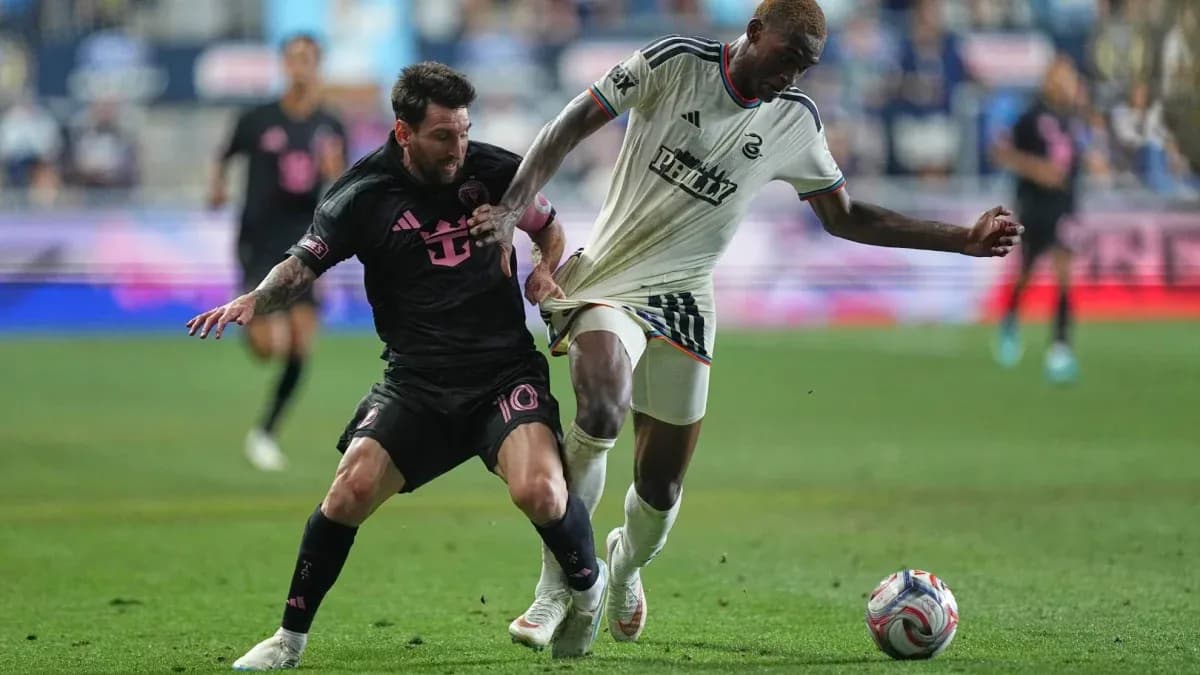
Neil Pierre: The Rising Star of U.S. Soccer
The United States men’s national team is being rebuilt in real time. A new coach, a new cycle, and a clear mandate: refresh the core without losing competitiveness. Mauricio Pochettino has stepped into the job with a firm idea of what that looks like—blend the established names with hungry, homegrown talent shaped in Major League Soccer.
One of the clearest examples of that approach now wears the badge of both Philadelphia Union and the national team: Neil Pierre.
From Lebanon, Pennsylvania, to Union’s back line
Pierre’s story doesn’t begin in a famous academy or a glittering youth tournament. It starts in Lebanon, Pennsylvania, in a Haitian family steeped in sport. Basketball came first. Soccer came later.
The turning point arrived at 11. Inspired by the path of his older brother, Nelson Pierre, Neil walked away from the hardwood and committed fully to the ball at his feet. Super Nova FC gave him his first real platform. Philadelphia Union’s academy did the rest.
At Union, the staff didn’t shelter him. They threw him in with older age groups, week after week. The physical challenge hardened him. The speed of play forced him to read the game quicker, to defend with his head as much as with his body. That accelerated education carried him all the way to a Homegrown Player contract and a place in the club’s MLS NEXT Pro side.
Then came Europe.
A tower forged in Denmark
Lyngby Boldklub, in Denmark, became the next testing ground. For a young center-back, it was an unforgiving laboratory: a different tempo, different physical demands, a new culture. Pierre didn’t just survive it. He grew.
His aerial dominance sharpened. So did his threat on set pieces. Ten matches in the Danish league yielded four goals—numbers that jump off the page for a defender and numbers that quickly grabbed attention back in Philadelphia.
Union moved fast. Midway through the season, they brought him back and pushed him toward the first team. The message was clear: the experiment had worked. Now it was time to see if that progress would translate to MLS.
Impact in MLS from the first whistle
Under interim coach Ryan Richter, Pierre didn’t need long to answer that question.
Coming off the bench against New York Red Bulls, he announced himself with the kind of debut every defender dreams about but rarely gets—he scored. One appearance, one goal, and a very loud statement that he wasn’t just another prospect passing through.
Since that moment, he has settled into central defense with a composure that belies his age. The physical presence that once made him stand out in academy football now anchors a professional back line. He reads danger, attacks crosses, and still finds a way to contribute at the other end.
Four goals in the MLS season from center-back tell their own story. So do the solid defensive performances that have followed. Union’s back line looks different with him in it—more aggressive in the air, more assured in the box.
Pochettino’s message: trust the pipeline
All of that has carried Pierre to the next stage: a call-up to the United States senior national team under Pochettino for the upcoming international window.
This isn’t a token gesture. It’s a statement.
By bringing in Pierre alongside his Philadelphia teammates Cavan Sullivan and Frankie Westfield, Pochettino has underlined where he believes part of the national team’s future lies: in the academies that have quietly transformed MLS over the past decade.
The scouting work from the U.S. staff has been deliberate. They have sought out players who not only flash potential, but also show they can adapt quickly to higher levels. Pierre fits that profile perfectly—physically imposing, tactically accelerated by years of playing up, tested abroad, and already delivering in MLS.
For the United States, this is about more than one player. It’s about building a squad that can withstand the demands of the next international cycle, with defenders who can dominate both penalty areas and grow into leaders.
For Neil Pierre, it’s the next step in a climb that has barely paused since he walked away from basketball at 11. The question now is simple: how high can this tower rise in the colors of his country?