Mikel Arteta's Control Obsession: Embracing Chaos at Arsenal
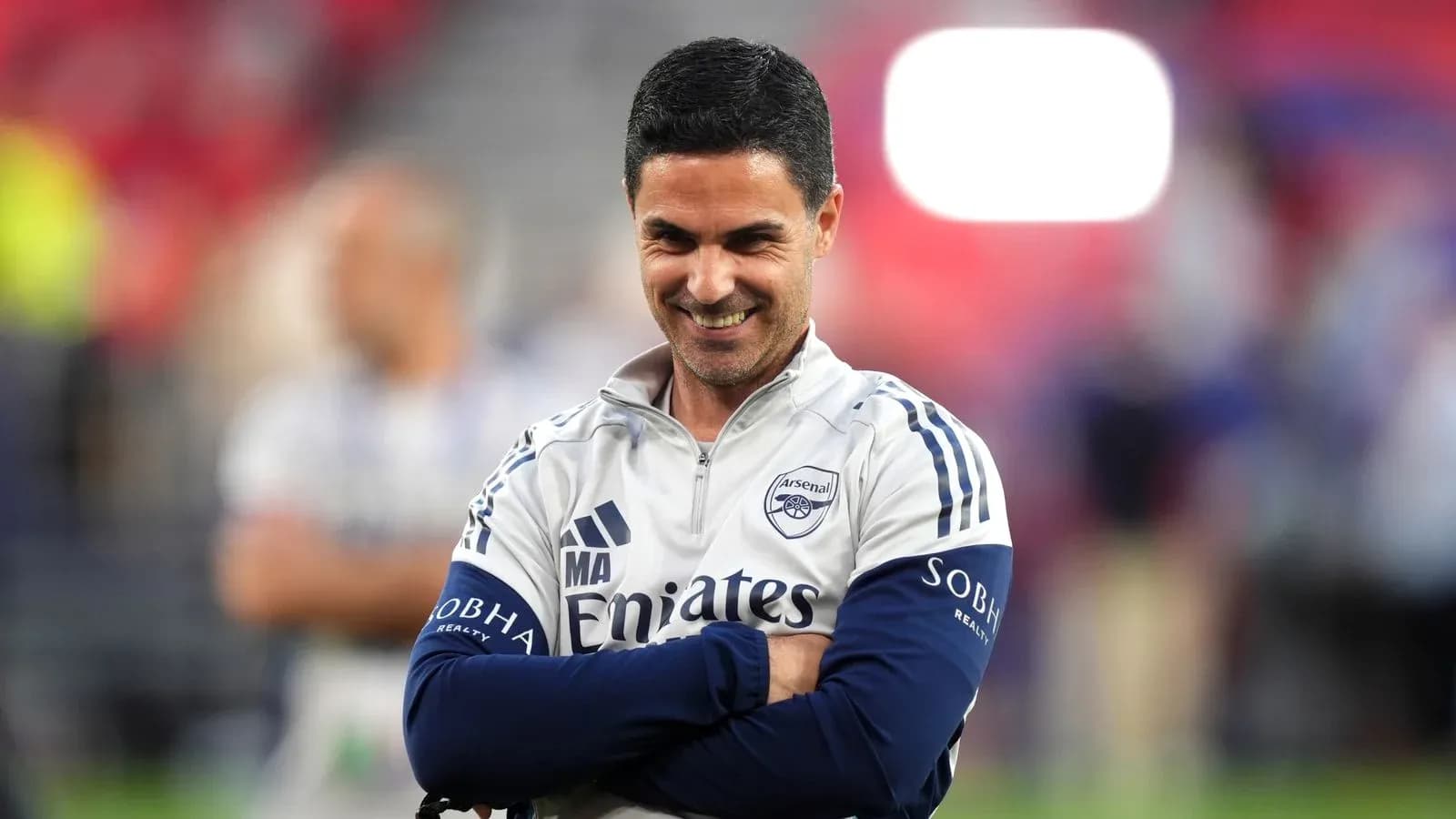
Mikel Arteta has never hidden his obsession with control. What he revealed this week, though, shows he is just as committed to taking it away.
The Arsenal manager admitted he deliberately sabotaged the club’s pre-season travel plans and matchday routines, all to harden his players for nights when nothing goes to script.
Late buses. Altered routes. Meals pushed back without warning. Dressing rooms turned into saunas. Fewer massage beds than usual. All of it intentional.
“I love those challenges. I tried to create them in pre-season,” Arteta said. “So when they happen, we know how to experience them and we already know.”
Chaos in Naples, but not in Arsenal’s heads
The context for his revelation was Arsenal’s midweek Champions League trip to Napoli, disrupted by the Air Traffic Control crisis on Tuesday.
The Premier League champions were scheduled to fly out of Luton Airport at around 3pm UK time. Delays meant they landed in Italy roughly three hours later than planned, a significant dent in a finely tuned European away schedule.
Did it throw the players? Arteta doesn’t want that question to matter.
“Get to the stadium very late, change the routine so the players have to do something else,” he explained. Flights can be cancelled, trains delayed, roads gridlocked. His message is blunt: expect it.
“When it happens, and it can: the flight can be cancelled, or the train is delayed, there is so much traffic, I don't want the players and staff panicking.
“When that happens, adapt to it. We have two or three hours on the plane – can we use it? Play together, spend some time together, sleep.
“But don't complain or use it as an excuse because it's not helpful at all.”
This is why the chaos is rehearsed. The disruption is scripted long before it arrives for real.
Manufactured discomfort
Pressed on the specifics, Arteta reeled off a list of controlled inconveniences.
“Just delaying the meals, delaying the transport, taking a different route. We've done many things.
“Make the dressing room hotter, more difficult, more challenging, less [massage] beds. Those kinds of things because we're going to have to adapt to different contexts. And we will try to anticipate this and adapt to difficult conditions.
“When there's no element of surprise or stress on a matchday, I think it's important.”
In his world, comfort is a trap. Predictability is dangerous. The matchday must carry a degree of friction, a hum of stress, so that genuine crises feel familiar rather than suffocating.
The pickpocket, the anthem and the lightbulb
This is not the first time Arteta’s methods have raised eyebrows.
Last year it emerged that he had instructed then head of sports science and performance Tom Allen to hire a pickpocket to steal from his own players during an evening meal.
The thief posed as a waiter. Only after the plates were cleared did the real performance begin. In the subsequent pre-match meeting, Arteta stood in front of the squad and produced the stolen items, laid out as evidence.
The message? Develop a “pickpocket mentality”. Always alert. Always aware of opponents trying to “steal” advantages, big or small.
The Amazon Prime documentary All or Nothing pulled back the curtain on more of these quirks. Before a trip to Anfield – Arsenal’s first there with fans back in the ground – Arteta filled the training pitch with the sound of “You’ll Never Walk Alone”, blasting from loudspeakers as his players worked.
The idea was simple: don’t let Anfield hit them for the first time when they walk out of the tunnel. Let the noise become background, not shock therapy.
For another game at the Emirates, his team talk revolved around a lightbulb. Arteta used it as a symbol, urging his players to shine, to emit energy and light to one another on the pitch.
To some, these are gimmicks. To him, they are tools.
From pickpockets to delayed planes, from deafening anthems to sweltering dressing rooms, Arteta is building a squad that treats discomfort as part of the job, not a ready-made excuse.
The question now is not whether Arsenal will face more turbulence this season. They will. It’s whether, after all this rehearsal in chaos, anyone will handle it better.