Mikel Arteta's Chaos Training for Arsenal
Mikel Arteta didn’t need a five‑hour flight delay to teach Arsenal about chaos. He’s been staging it for years.
When Arsenal’s plane to Naples sat on the tarmac this week, their Champions League opener against Napoli suddenly looked like a logistical mess. The squad landed close to 10pm local time, the pre-match press conference was scrapped, the routine shredded. On nights like that, managers talk about “disruption” and “adversity”.
Arteta quietly called it a dress rehearsal.
Arsenal went out the next day and won anyway, grinding out a 13th straight league-stage victory in Europe thanks to a second-half strike from Martin Ødegaard. No fuss, no visible stress. Exactly how their manager wants it.
Training for trouble
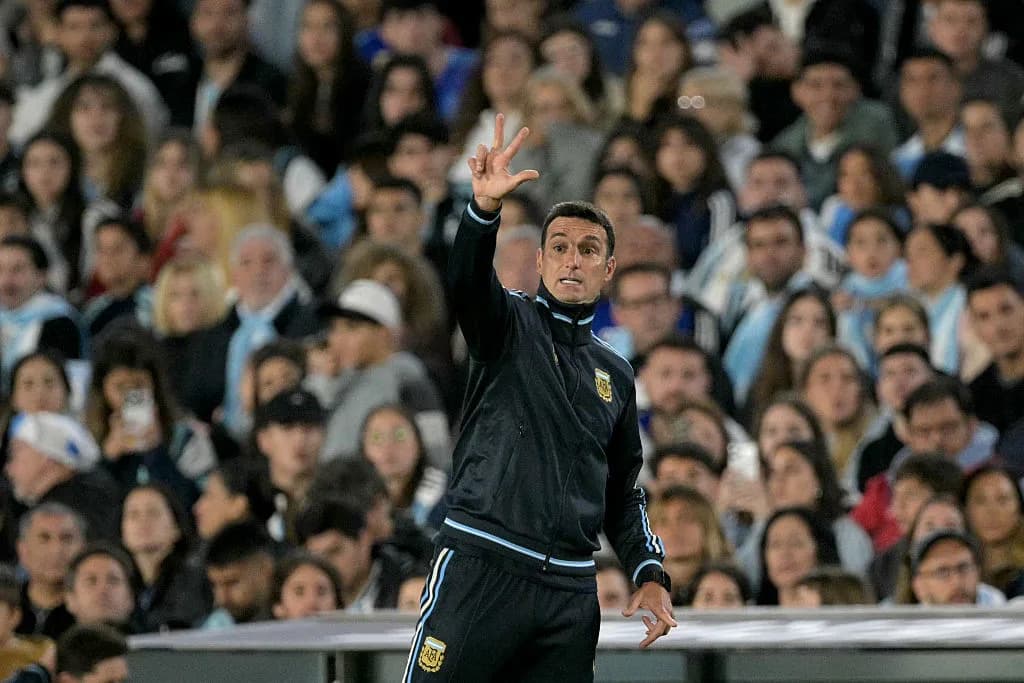
Arteta has long cultivated a reputation as the Premier League’s arch experimentalist. Pre-season pickpockets hired to test players’ awareness. Anfield simulations with crowd noise booming through speakers. Now, he has lifted the lid a little further on how far that thinking goes.
“I love those challenges. I try to create them in pre-season,” he explained. The idea is simple: if something can go wrong during the season, he wants his players to have lived it already.
So he tampers with the basics. Meals are delayed. Transport is pushed back. Routes to stadiums are changed. The dressing room is made hotter, more uncomfortable, with fewer massage beds and less space to breathe. Nothing huge on its own, but enough to poke at players’ habits and push them out of their comfort zone.
Get to the stadium late? Fine. Routine shredded? Good. Adapt.
Arteta wants his squad to recognise the moment the script flips and respond with calculation, not panic. Extra hours stuck on a plane? Use them. Sleep. Talk. Play cards. Build something, instead of looking for excuses.
He knows what can happen on a long season: missed flights, delayed trains, traffic jams that turn a warm-up into a rush. He is trying to vaccinate his squad against the anxiety of the unexpected. When the real thing hits, the feeling should be familiar.
Sunderland next, scars still fresh
The timing of this message is not accidental. Arsenal head to Sunderland on Saturday night with a perfect start to the new campaign to protect, and a bruise from last season to remember.
They were held to a 2-2 draw at the Stadium of Light last year, Leandro Trossard scoring what looked like the decisive second goal before Brian Brobbey snatched a late equaliser. Two points slipped, momentum checked, and a reminder that one loose moment can turn a controlled evening into a scramble.
This time, Arteta wants a team that can ride any swing in the game without losing its head. The work on the margins – the heat in the dressing room, the late meals, the forced changes of plan – is aimed at nights like this as much as European trips gone wrong.
Different exits, different echoes
Arteta’s obsession with environment doesn’t stop with travel and kick-off routines. It extends to the emotional temperature of the dressing room and how players leave it.
That contrast emerged starkly when he was asked about two forwards who departed in the summer: Gabriel Jesus and Trossard.
Jesus, now at Barcelona after being made to train away from the main group before his move, later claimed: “No one told me nothing.” The Brazilian’s version painted a picture of isolation and surprise, a player frozen out without explanation.
Arteta sounded genuinely taken aback by that account. He said he had held an individual conversation with Jesus in the dressing room, and that the tone had been one of mutual gratitude. The manager did not bite back, but he did make one thing clear: sometimes someone has to be the “bad cop” when unwelcome news lands, and he accepts that role.
Trossard’s story has unfolded very differently. The Belgian joined Besiktas in July yet was back at the Emirates last week, watching Arsenal’s win over Chelsea from the stands. No bitterness, no distance. Just a former player dropping into a familiar home.
For Arteta, that follow-up matters more than the initial sting. “What is important is normally what happens three months later, six months later,” he said. The atmosphere when players return, the way they greet staff and team-mates, the ease with which they walk back into the room – those are the true verdicts on how relationships ended.
He believes that, in most cases, those bonds remain strong. He hopes Jesus will eventually feel the same way.
A team built for the unexpected
All of this feeds into a single idea: Arsenal must be a team that doesn’t flinch. Not when flights are delayed. Not when routines crumble. Not when late equalisers bite or when popular players are told they no longer fit.
Arteta is trying to hard-wire resilience into the club’s daily life, to make stress and surprise part of the training ground, not just the stadium. The win in Naples, forged after a long, broken day of travel, felt like a small validation of that approach.
Now comes Sunderland away, under the lights, with last season’s slip still echoing around the Stadium of Light.
If the night takes a turn, as it often does there, Arsenal will discover how much of Arteta’s chaos training has truly sunk in.