Michael Carrick's Struggles at Old Trafford: A Season in Crisis
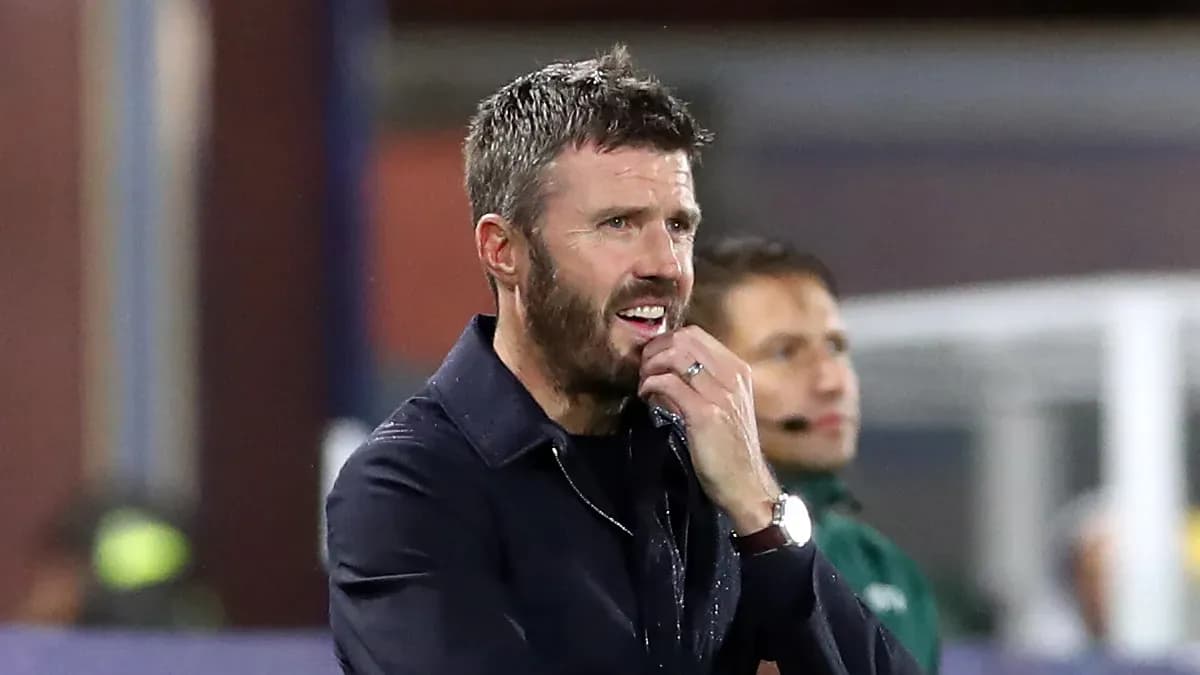
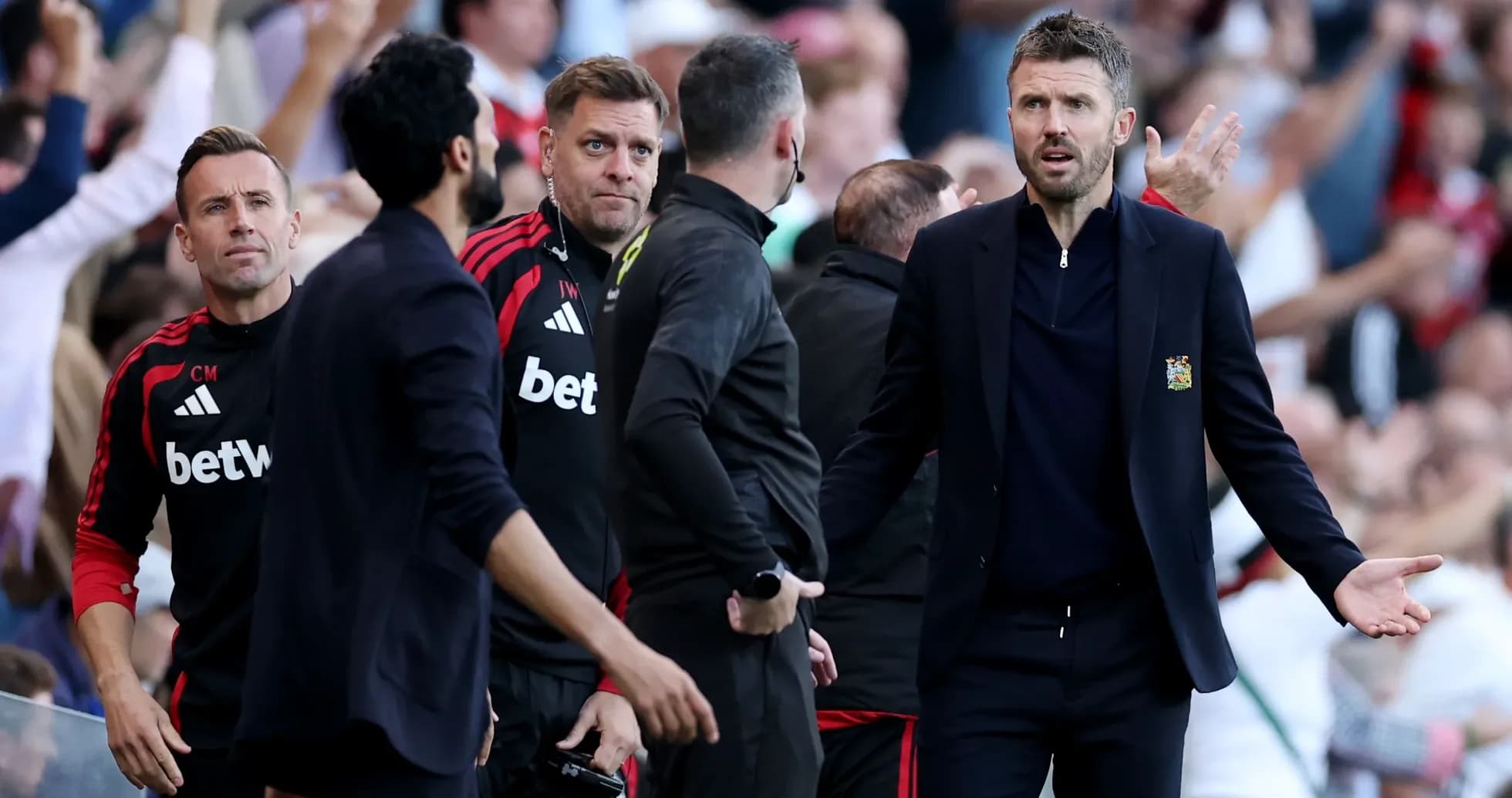
The boos told their own story. As Kobbie Mainoo’s number went up in the 90th minute against Fulham, Old Trafford turned on Michael Carrick. A month into the season, the romance of the former midfielder’s return has curdled into something far darker.
Two wins from seven. As many points dropped as in the whole of last season. The slide isn’t a blip; it looks like a collapse. And, as laid bare by a string of glaring decisions, Carrick is standing right in the middle of it.
A Line-Up That Tore Up United’s Identity
It started at the back and spread through the team.
Carrick’s decision to throw 19-year-old Ayden Heaven into a Premier League start against Hull City bordered on reckless. Heaven hadn’t started in the league since the opening day on 22 August. He was picked largely because he’s left-footed, with Lisandro Martinez out, and found himself staring down a rugged striker in Oli McBurnie. Experienced options like Noussair Mazraoui and Diogo Dalot watched on.
Heaven struggled. United did too.
On the left wing, the call was just as baffling. Three natural left wingers were available, yet Patrick Dorgu – the weakest of the trio – got the nod after a full pre-season. He lasted only 45 minutes. The damage, though, stretched beyond his substitution.
Matheus Cunha, who had lit up last season from the left under Carrick and scored freely from that channel, was shunted inside to centre forward. His edge dulled. Bryan Mbeumo, who had been lethal through the middle and scored in every match from that role, was pushed out to the right. United’s attacking structure, once sharp and defined, suddenly looked improvised.
Carrick then doubled down. Against Ipswich, Everton and Fulham – a win, a draw and a defeat – he stuck with the same starting XI. At the back, he restored a back four of Dalot, Harry Maguire, Martinez and Luke Shaw. It is the very unit that crumbled 4-0 at Brentford in August 2022, one of the most humiliating afternoons in the club’s Premier League history. This season, that defence has already leaked five goals in four games.
Old scars, reopened by familiar choices.
Tactical Gambles That Turned to Self-Sabotage
The problems haven’t been limited to team selection. Carrick’s in-game management has repeatedly handed the initiative to the opposition.
United were 1-0 up against Everton when Marcus Rashford signalled he “felt something”. Carrick’s response was to replace him with Dorgu. The change sucked belief out of United and pumped it straight into Everton. Sensing weakness, Everton introduced Jack Grealish. He duly levelled.
Then came the late collapse. Shaw, who had created Benjamin Sesko’s goal in the 88th minute, was withdrawn along with Dalot. On came Leny Yoro and Mazraoui. The reshuffle backfired instantly. Yoro narrowed the pitch and left space for Grealish; Mazraoui hesitated in the challenge. Ainsley Maitland-Niles pounced in the 95th minute for the killer equaliser.
Against City, the stakes – and the missteps – were even higher.
Phil Foden’s red card in the 23rd minute handed Carrick a rare gift: 22 minutes before half-time to plot a way to dismantle 10 men. Sesko warmed up, the Stretford End roared for him, yet Carrick waited. He did not bring the striker on until 19 minutes into the second half. By then, Erling Haaland had already scored what proved to be the winner.
The shape shifted again. With Sesko on, Cunha dropped deeper and Bruno Fernandes dropped even further into midfield. United’s most dangerous playmaker, the man most likely to unpick a packed defence, was dragged away from City’s box while his team trailed. From that point, United didn’t create a single meaningful chance until the 95th minute.
It wasn’t just caution. It looked like tactical self-harm.
Blind Faith in the Wrong Players
Selection loyalty can build a dressing room. It can also sink a season.
Brighton’s record at Old Trafford is no secret. Four straight wins there had already turned them into an awkward, dangerous visitor. This was not the night to experiment. Yet Carrick made eight changes for the cup tie and even named a 15-year-old on the bench.
The spine of that gamble was brittle. Yoro and Heaven both started in front of goalkeeper Karl Darlow, making his first appearance. The trio never looked settled. Between them, they were at the heart of all three goals conceded as Brighton came back from 0-2 down to win – the first side to overturn a two-goal deficit and triumph at Old Trafford since Tottenham in 1976.
The warning signs were already there in attack too.
Joshua Zirkzee had exploded with a brace in Ruben Amorim’s first win back in December 2024. Since then, the goals have dried up: just two league strikes, and so little impact that the club were prepared to offload him in the summer after Everton made contact.
Despite that, Carrick leaned on him. Zirkzee featured in three consecutive defeats without leaving a mark. At a time when United needed invention, risk and fresh ideas, the manager went back to a forward the club had already considered expendable.
The pattern is impossible to ignore now: muddled line-ups, misjudged substitutions, misplaced faith. Old Trafford has seen bad starts before, but rarely with this many self-inflicted wounds so early.
Carrick is not just fighting opponents anymore. He’s fighting his own decisions – and the clock.