Michael Carrick: We’ve Lost Our Way but Will Get It Back
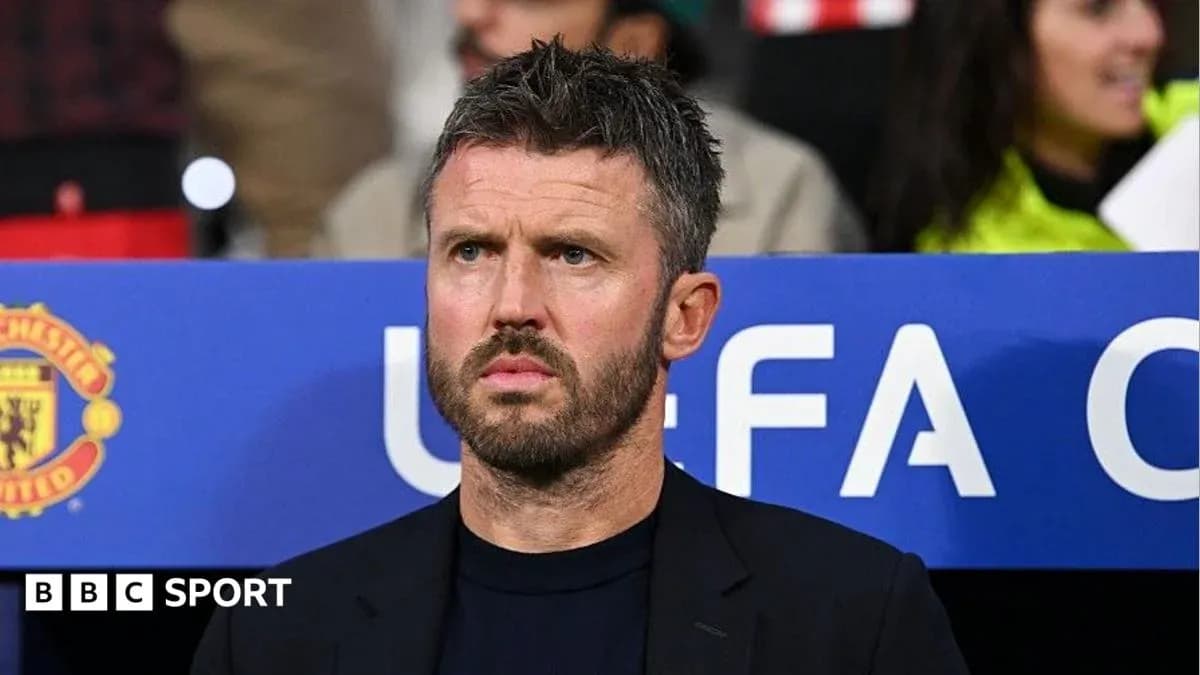
Michael Carrick walked into the room already knowing the questions. Before a single one could be asked, he spoke for more than five minutes. No prompts, no soft landing. Just a head coach under siege, trying to grab back control of a season – and a dressing room – that has slipped from his grasp.
“We’ve lost our way,” he admitted, voice heavy but clear. “Respect this football club.” It sounded less like a media soundbite and more like a line drawn in the sand.
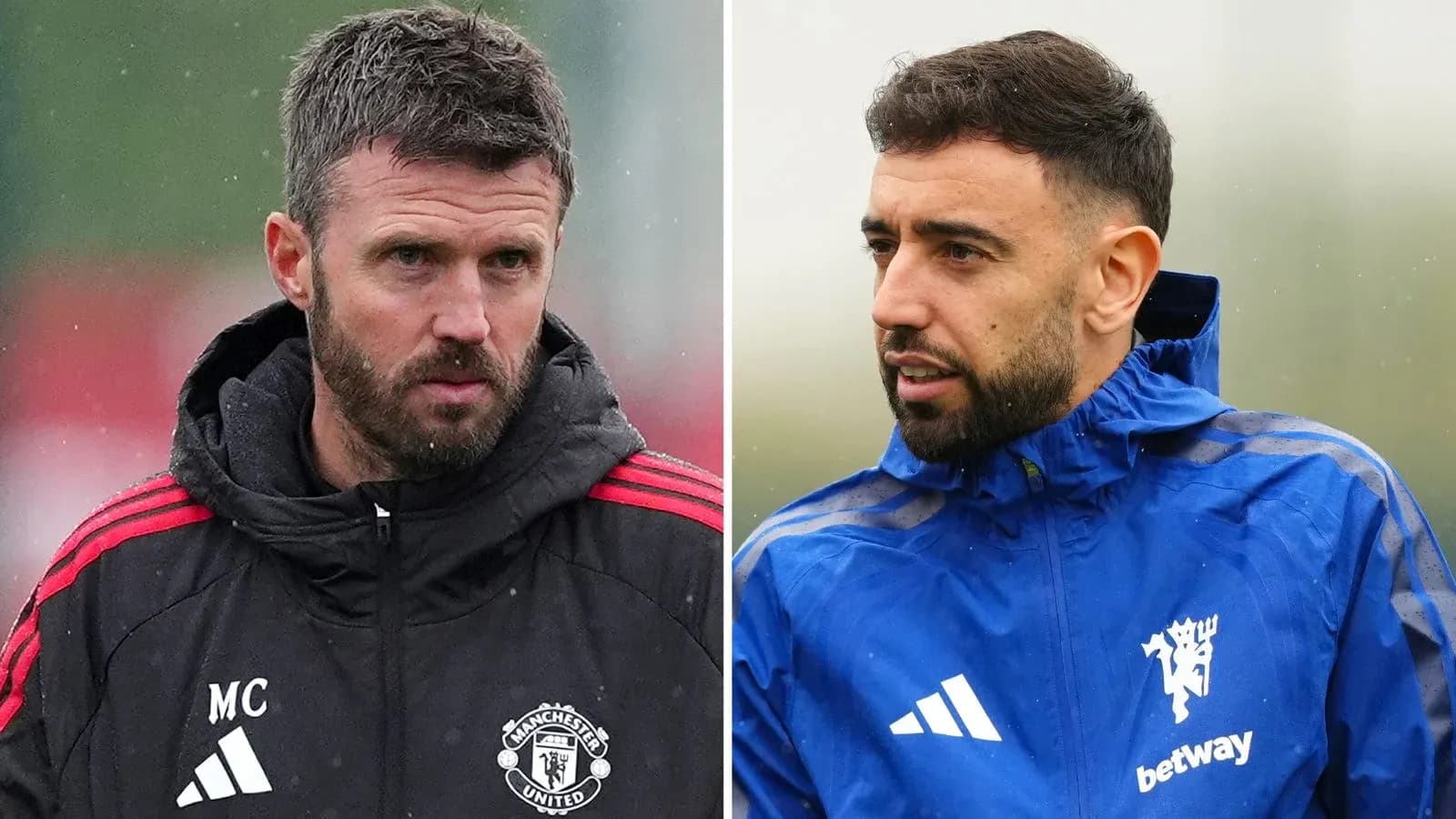
United are winless in seven, their worst run since 2015. The slide on the pitch has been matched by noise off it, with captain Bruno Fernandes and Lisandro Martinez publicly voicing frustrations over the last fortnight. For a club that has built its modern identity on unity and relentlessness, the optics are ugly.
Carrick insists the reality is different.
“It’s not divided,” he said when asked directly if the dressing room had split. “We just need to get back to doing what we do best. And we will.”
The words were simple. The stakes behind them are anything but.
A captain’s challenge and a manager’s line
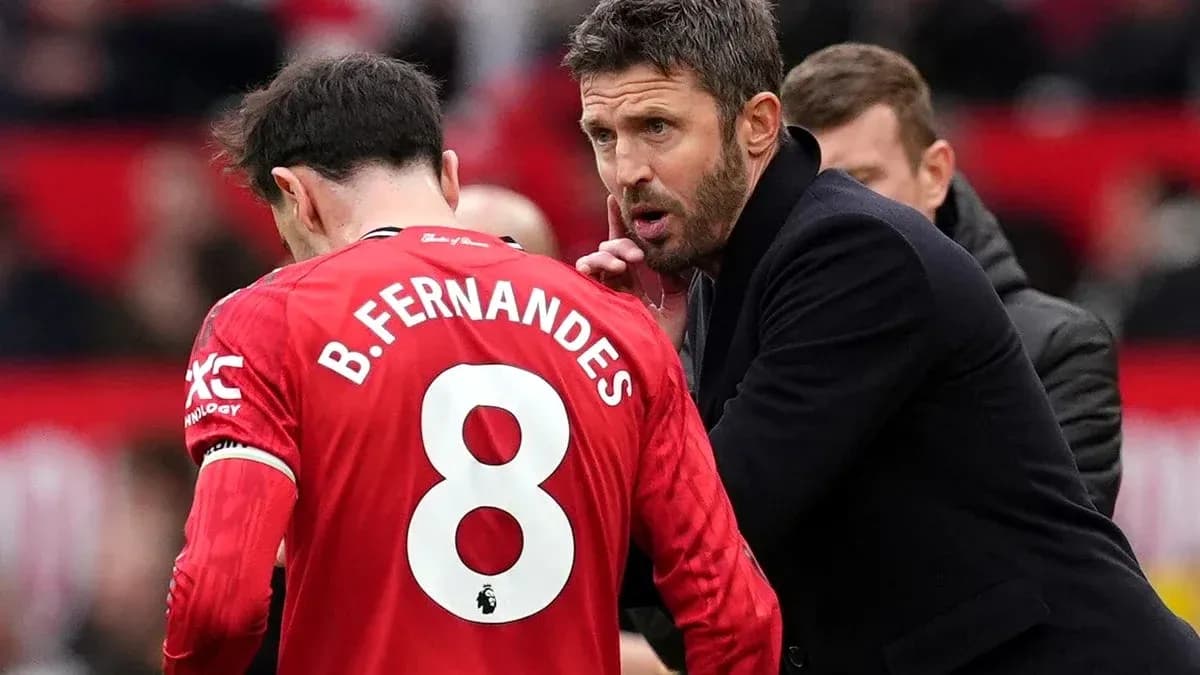
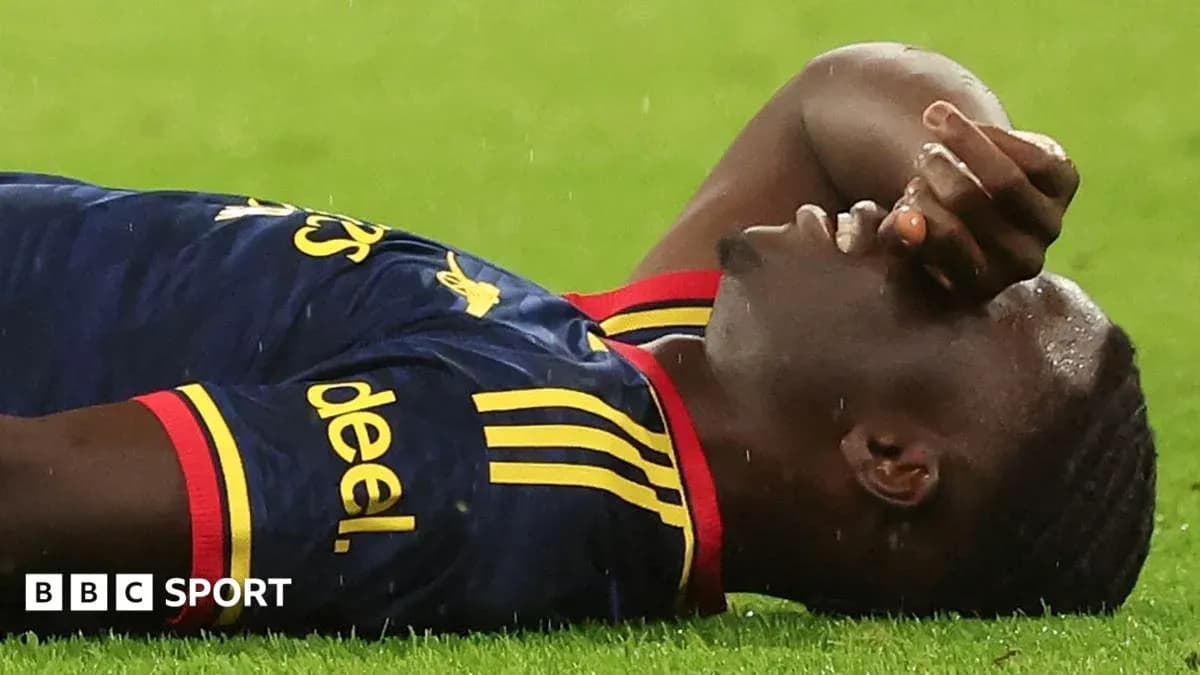
The latest flashpoint came in Como. A 4-1 Champions League defeat that wasn’t just damaging, it was damning. Fernandes questioned the tactics used by Carrick and his staff, a public criticism that drew sharp rebukes from former United players now in the pundit’s chair.
In most eras at this club, that kind of comment from a captain would trigger a reaction.
Asked if he would strip Fernandes of the armband or drop him, Carrick refused to be drawn into a public power play.
“The most important thing for me is the team and the dynamics in the squad. It is about the football club,” he said. “Whatever the situation is I will always do what is best for the football club.”
He would not confirm whether he had spoken to Fernandes privately. Those conversations, he said, stay between manager and captain. But he did acknowledge talks with the hierarchy, who are understood to be increasingly concerned by the team’s form.
“It is pretty obvious how we are all feeling,” Carrick said. “The responsibility for me to be in this position is to lead. It is my responsibility what goes on on the pitch.
“I will hold that umbrella for me to get wet and everyone else to stay dry. That is the privileged position I am in.”
It was a vivid image: a manager willing to absorb the storm while his players shelter behind him. Whether they are still fully behind him is the question that lingers.
‘We’ve gone away from what we are’
Carrick’s opening monologue laid bare a man who understands exactly where this club believes it belongs – and how far short his team has fallen in recent weeks.
“Recently we haven’t had a good time, that’s pretty obvious,” he said. “We had five months of relative success… I was happy with a lot of things that I was seeing and that we were doing as a team.
“We haven’t done well enough lately… Wednesday was a bad night, it was a bad night for a lot of reasons and it was a bad night that hurt a lot. It hurt me to see us play that way.”
He kept circling back to one theme: identity.
“My responsibility is to get a team on a pitch that represents this football club, represents the supporters and they can be proud of it with the identity that we show. We have gone away from that just recently in certain games, which I’m totally fully aware of and definitely doing something about.”
For a support that travelled, paid, and watched their team collapse in Como, that acknowledgment matters. But contrition alone won’t fix a seven-game winless run.
Carrick knows the currency at United is not words. It is standards.
Values, history and a warning on entitlement
When Carrick speaks about Manchester United, it is not abstract. He played alongside Ryan Giggs. He fed passes into Wayne Rooney. He worked under Sir Alex Ferguson and grew up in the shadow of Sir Matt Busby and Sir Bobby Charlton’s stories.
He leaned on that history now, not as decoration, but as a benchmark.
“The foundation of this football club and the values of this football club have been put down and etched for many years and I totally understand and I get every single one of them,” he said.
“It comes down to humility, it comes down to being humble, it comes down to being hard-working and being really proud to work hard… There’s a resilience about this football club that’s been shown for a long time. Whether that’s bouncing back from adversity, comebacks, late goals, success, sustaining success, there’s a resilience in this football club that runs very deep.”
He reeled off the names. Giggs. Rooney. Ferguson. Then back further: Sir Matt, Sir Bobby. Different eras, same demand.
“Manchester United is always bigger and always has been, always will be bigger than any single individual. Bigger than me, bigger than any of the players and it always has been.”
Then came the sharpest line of the day – a direct message to his squad as much as anyone outside the club.
“Entitlement cannot be at this football club, we’re not entitled to win. We’ve won in the past, we’ve got an incredible history but that doesn’t mean that you’re entitled to just win.”
Hard work. Sacrifice. Doing the “not so nice” things for each other. Carrick spelled it out. This was not a tactical briefing. It was a cultural reset.
“We’ve kind of lost our way a little bit if I’m totally honest and we’ll get it back. I’m totally confident we’ll get it back. Respect this football club, respect what it takes because it’s very, very important to me.”
A brutal run, a shrinking margin
Belief, though, will be measured against the fixture list, not the rhetoric.
United’s next six games could define Carrick’s reign. Bournemouth at Old Trafford in the Premier League on October 25. Chelsea away at Stamford Bridge five days later. Roma at home in the Champions League on November 3. Then Aston Villa at Old Trafford, Liverpool at Anfield. No breathing space, no soft touches.
Seven games without a win has already dragged United into their worst run in nearly a decade. Another month like that, and the conversation around Carrick’s future will move from “uncertainty” to inevitability.
For now, he stands firm. He insists the dressing room is not fractured, that the values he described so passionately can be rediscovered, that the team which impressed for five months is still in there somewhere.
The next whistle blows against Bournemouth. The umbrella he talked about will be up again. The question is simple: will his players still be willing to stand under it with him when this storm reaches its peak?